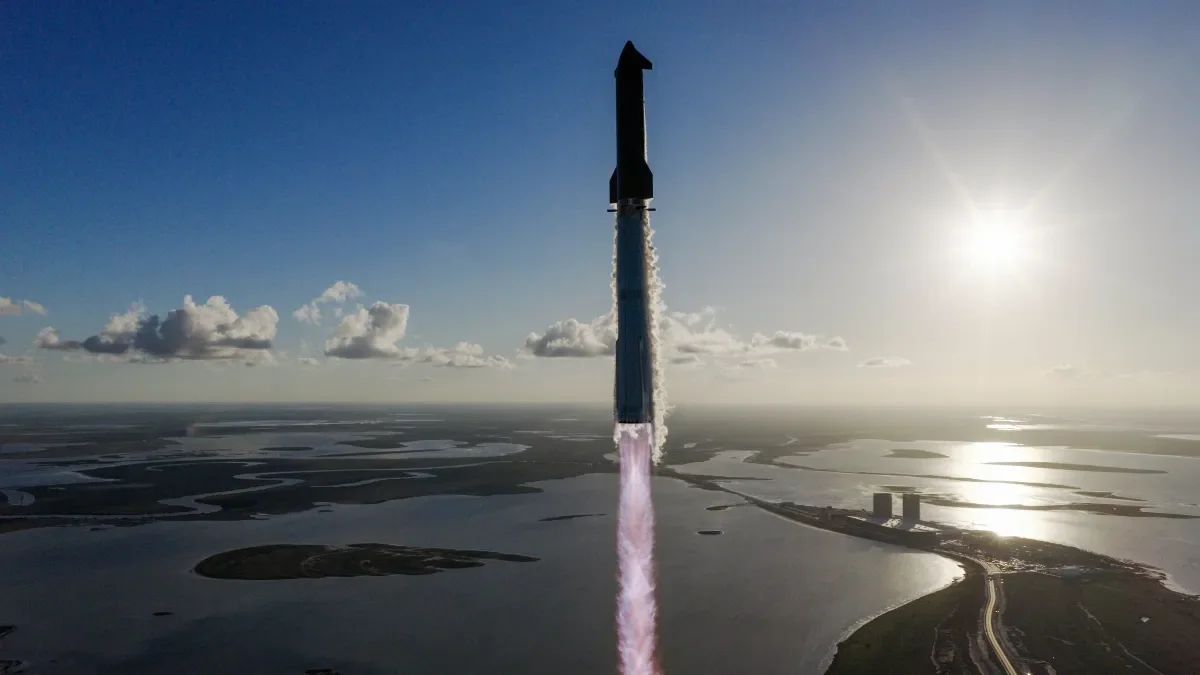
SpaceX successfully completed the final test flight of the current Starship V2, hitting key goals and moving the program into its next phase with the development of the upgraded V3 prototype, which is designed for in-orbit docking, propellant transfer, and future lunar and Martian missions.
SpaceX is preparing for its next Starship test flight from Starbase in Texas on October 13, which will include testing various systems and maneuvers, with an 80% chance of favorable weather, and aims to minimize air traffic disruption while advancing its vehicle versions and launch capabilities.
SpaceX is preparing for its final Version 2 Starship-Super Heavy launch from Starbase, Texas, scheduled for Monday evening, marking the last flight of this iteration and pad configuration, with plans to develop and test Starship Version 3 for future orbital missions.
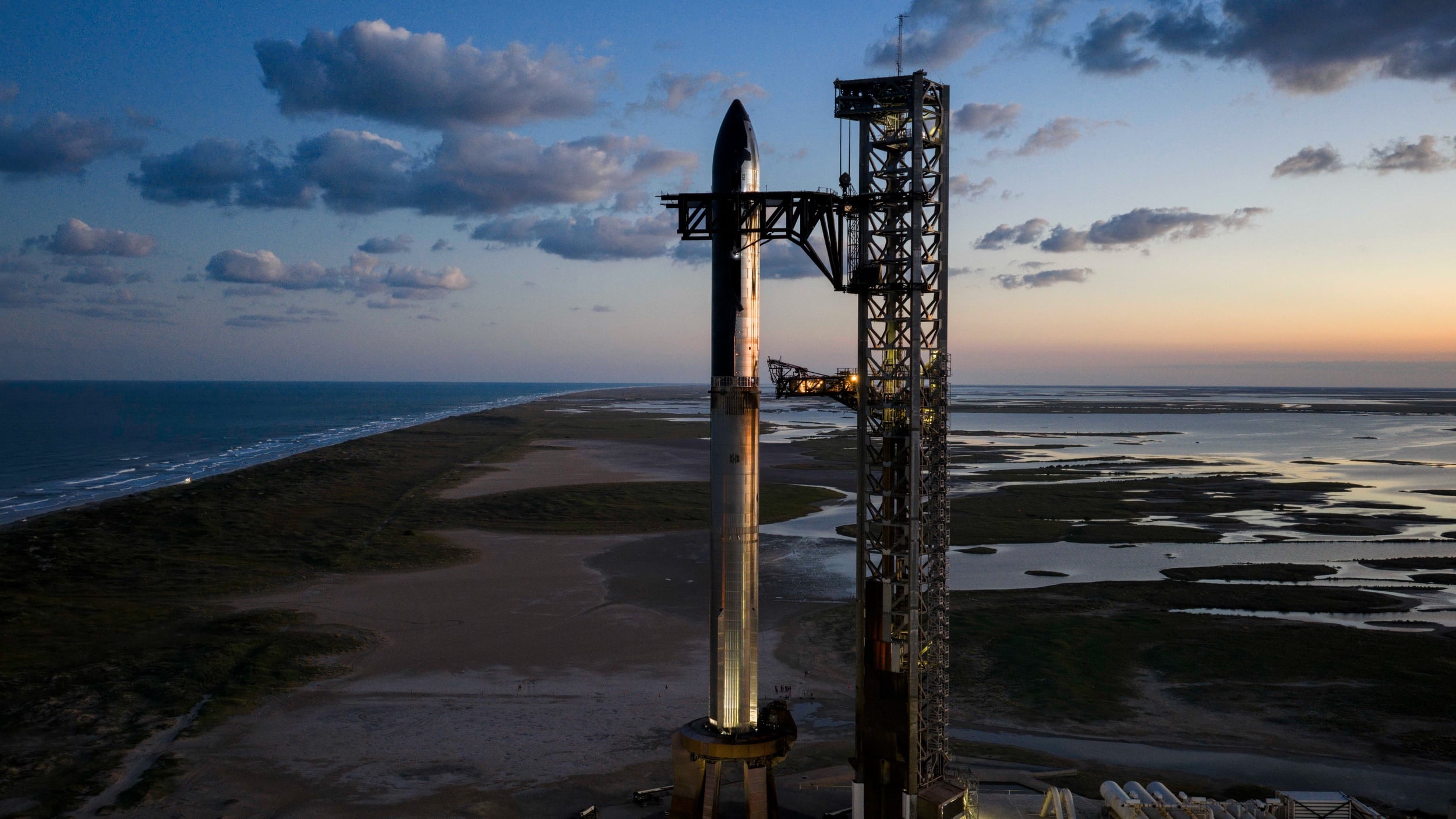
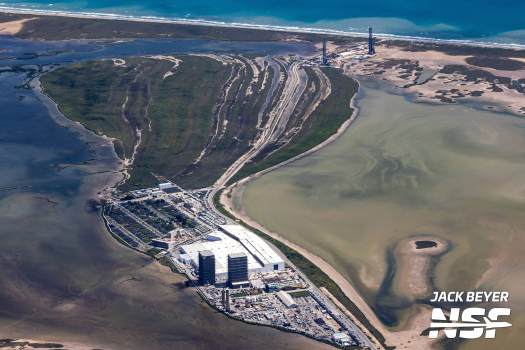
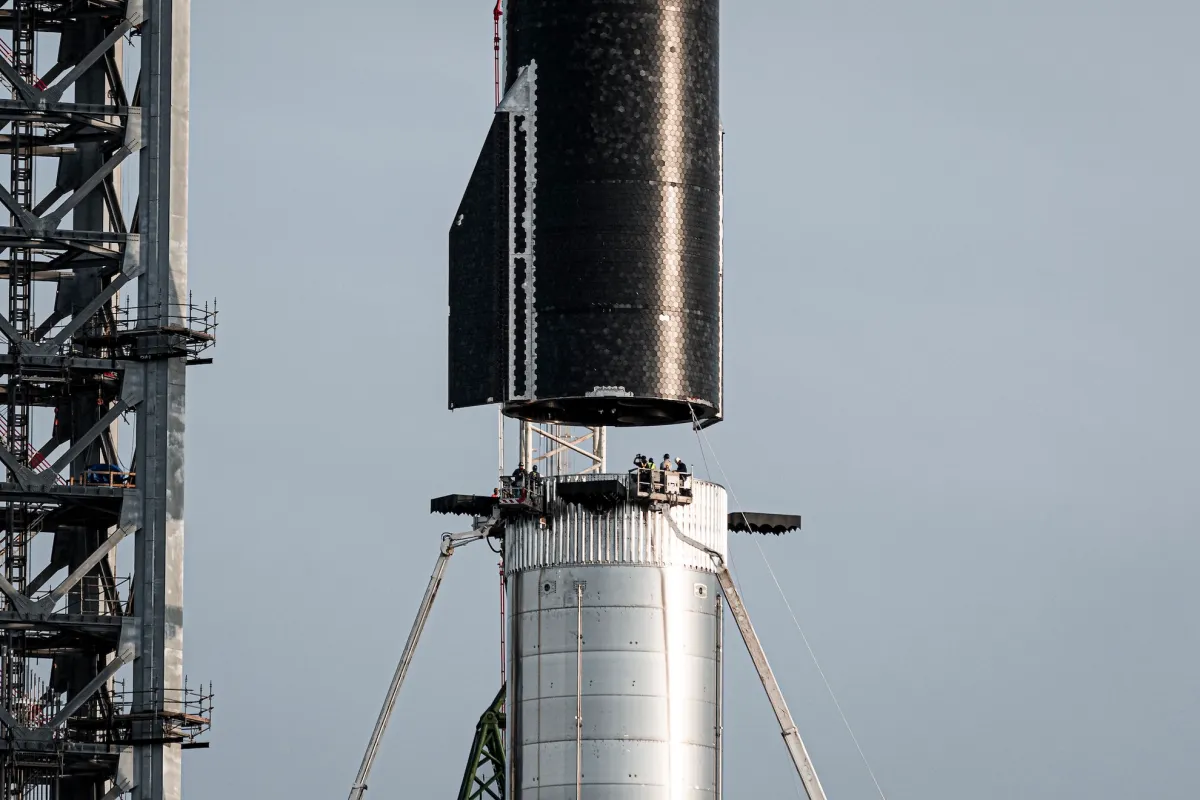
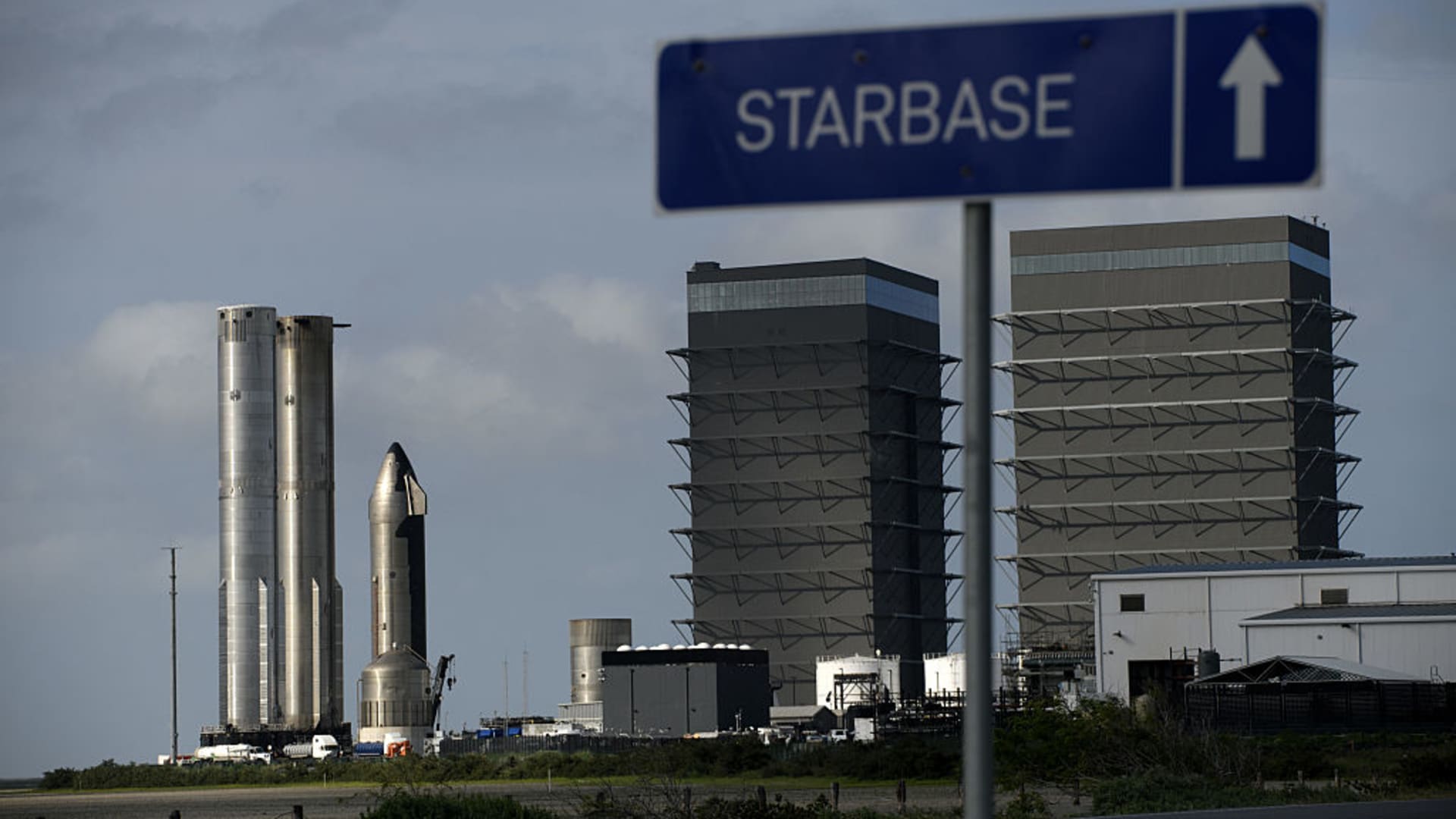
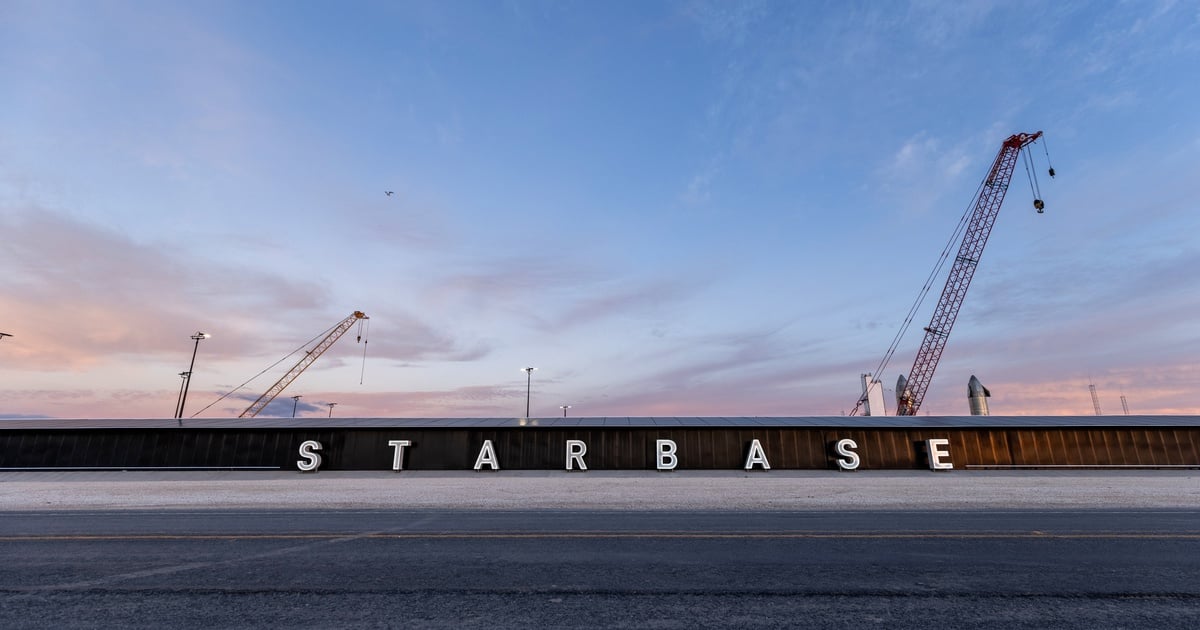
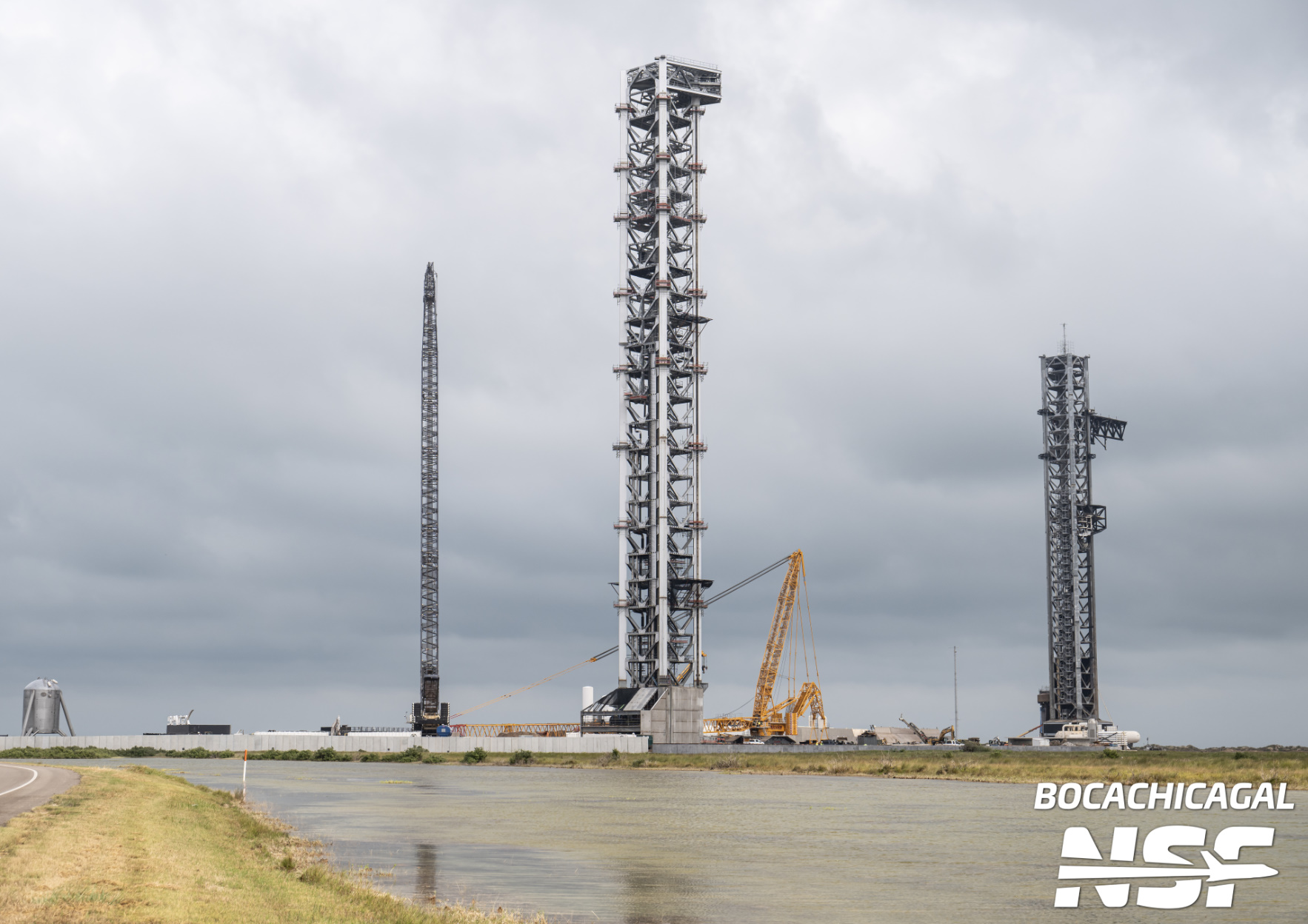
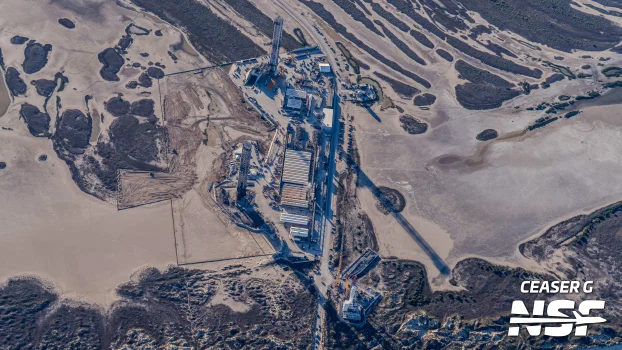
SpaceX is progressing with static fire testing of Ship 38 at Starbase while rebuilding infrastructure after an anomaly with Ship 36. The company is also expanding and upgrading its launch site, including new tank farms, control bunkers, and facilities to support future launches, with a proposal pending approval for further expansion and on-site propellant production. Meanwhile, vehicle assembly continues with Booster 18 and Ship 39, and construction at the site advances toward supporting upcoming flights and vehicle stacking.
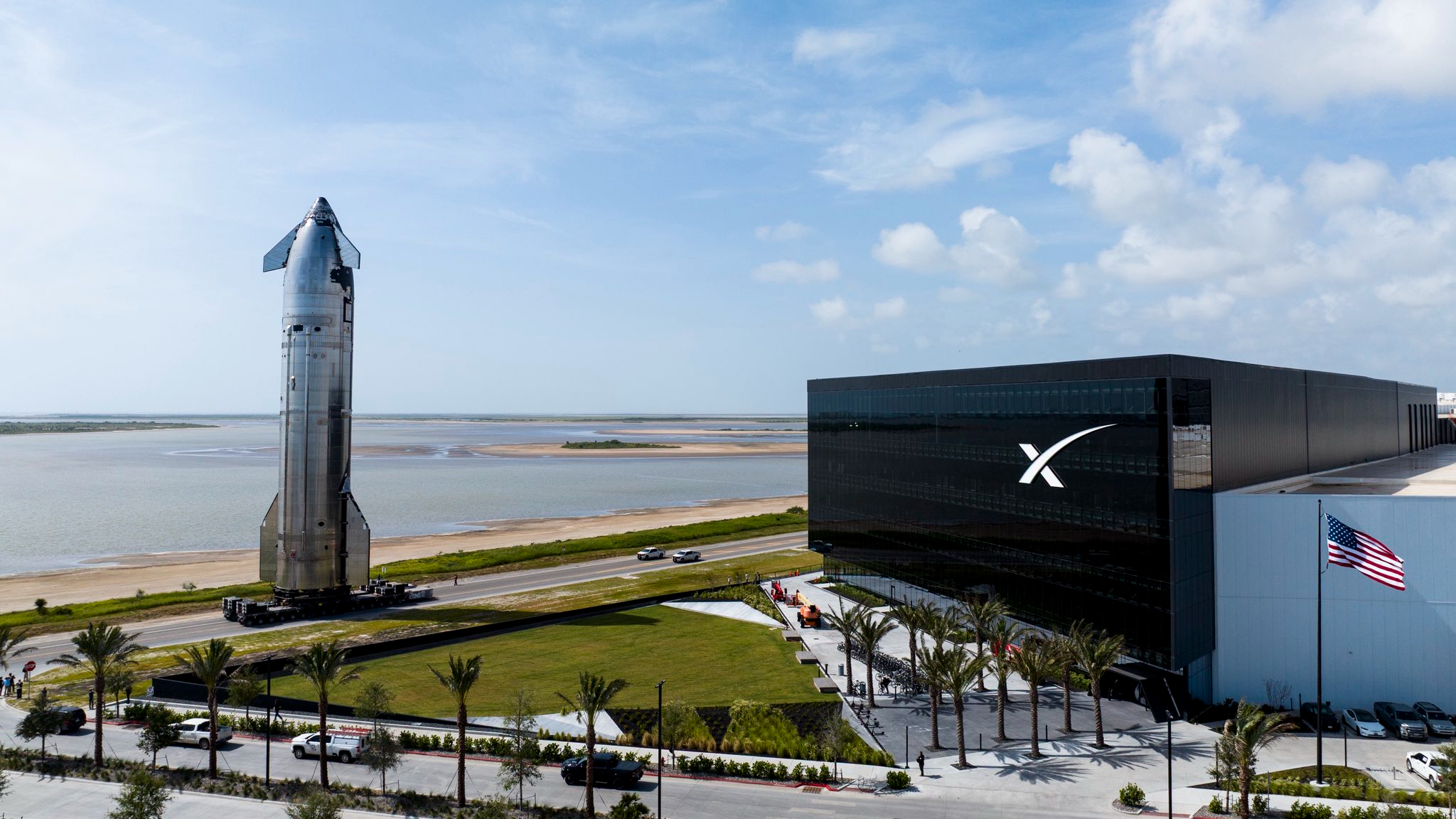
SpaceX has moved its Starship upper stage to the launch pad at Starbase for testing ahead of its 10th flight, expected to occur next month, as part of ongoing development of the world's largest reusable rocket aimed at Mars colonization and space exploration.
SpaceX's Starbase facility has significantly higher employee injury rates compared to industry averages, with a TRIR of 4.27 in 2024, indicating potential safety concerns despite rapid development of the Starship program. The injury rate at Starbase has remained high since 2019, raising questions about safety culture amid the company's fast-paced progress.
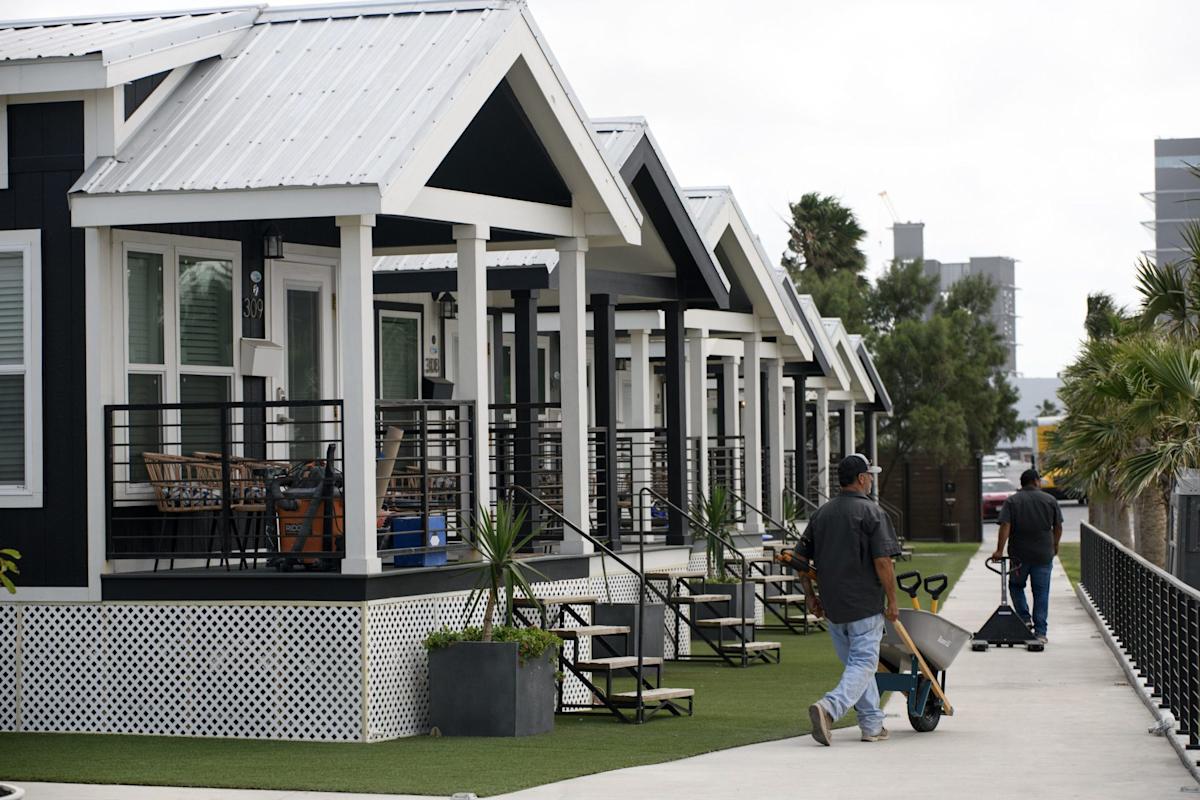
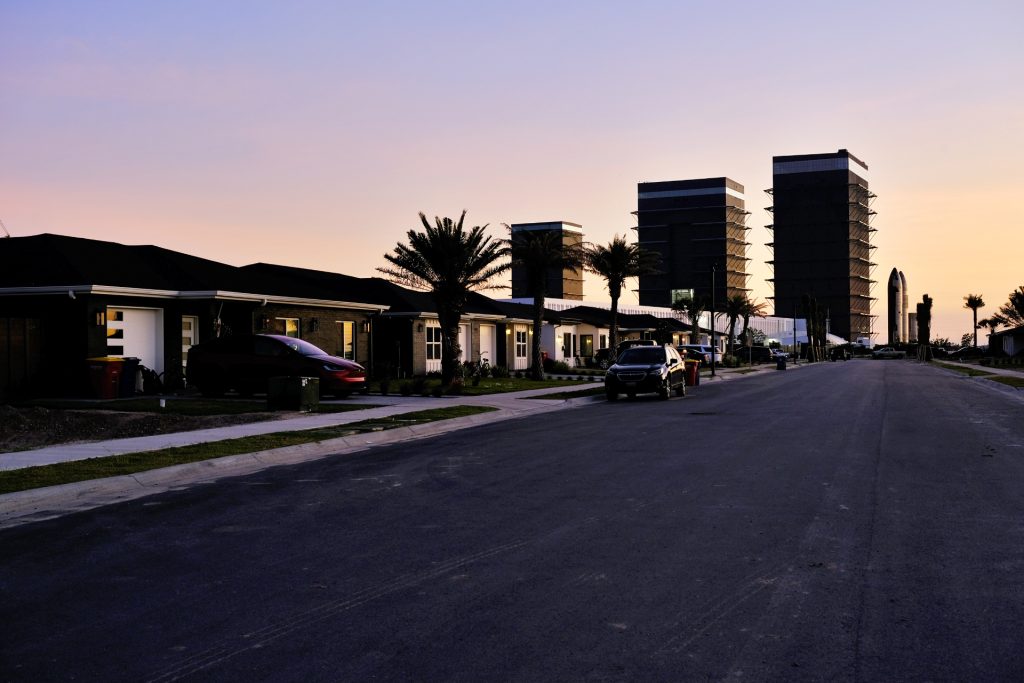
The city of Starbase in Texas, home to SpaceX's launch site, is considering a zoning ordinance that could cause residents, mostly SpaceX employees, to lose access to their properties, as part of its development plans. The move aims to create a mixed-use space but has raised concerns about property rights and access to public beaches near launch sites, amid rapid growth and increased launch activity by SpaceX.
Starbase, Texas, home to SpaceX and Elon Musk's ventures, is considering a new zoning ordinance that could strip some residents of their property rights, as the city plans to develop a mixed-use space aligned with Musk's vision. The move comes amid increased launch activity and local concerns over beach access and community impact, highlighting tensions between economic development and public interests.
Starbase, Texas, home to SpaceX, is considering a new zoning ordinance that could cause residents to lose the right to use their property as they currently do, amid plans for a public hearing on June 23. The town, now officially a municipal corporation run by SpaceX employees, is undergoing changes to its zoning map and regulations, which may impact the existing residential and commercial uses, as part of its broader development and operational plans.
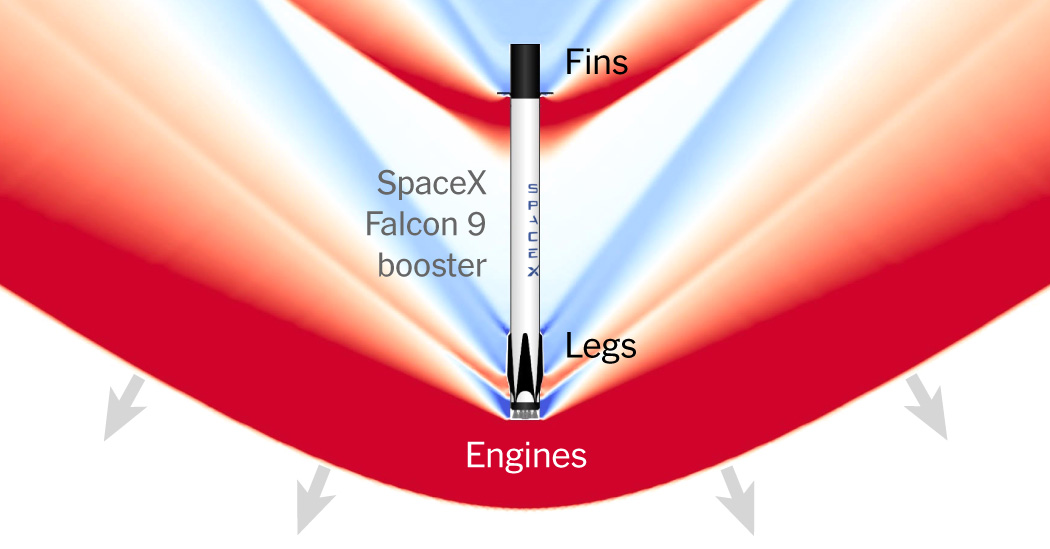
Scientists are studying the acoustics of rocket launches at SpaceX's Starbase to better understand the sounds and sonic booms produced by frequent launches, which are becoming more common with companies like SpaceX and Blue Origin increasing their launch schedules.
Elon Musk's SpaceX is seeking to incorporate its Starbase facility in Texas into an official city, aiming to streamline the development of amenities for its growing workforce. The move is part of Musk's broader vision of creating company towns, similar to his efforts in Bastrop, Texas, where several of his ventures are based. The incorporation would support the 3,400 full-time employees and contractors at Starbase, as well as the 21,400 indirect jobs it generates. This initiative reflects a trend among tech giants like Disney, Meta, and Amazon, who are also exploring company towns.
SpaceX has petitioned Cameron County Judge Eddie Treviño Jr. to call an election on incorporating Starbase, Texas, its Starship development site, into a city. The petition, signed by Starbase general manager Kathryn Lueders, highlights SpaceX's significant investments and contributions to the local economy and community. Incorporation would facilitate infrastructure development and transfer some civil functions to public management, while maintaining environmental commitments. SpaceX aims to enhance Starbase as a hub for space exploration and community growth.
SpaceX is seeking to incorporate its South Texas launch site, Starbase, into an official city. Employees have petitioned for a special election to facilitate this, aiming to streamline infrastructure development and improve living conditions for the site's residents. The move is part of SpaceX's broader strategy to establish South Texas as a key hub for its Mars colonization efforts. However, the proposal faces challenges, including environmental concerns and recent denial of a variance request by Cameron County commissioners.
SpaceX is advancing rapidly at its Starbase facility following the successful Starship Flight 6. Repair work is underway at the launch site, and new projects, including a potential Gigabay, are being planned. The second launch pad is being prepared for 2025, and production upgrades are ongoing, with Ship 26 scrapped and Boosters 15 and 16 receiving enhancements. Preparations for Flight 7 are in progress, with a launch expected no earlier than January 11, 2025. SpaceX aims for 25 Starship launches from Starbase in 2025, pending regulatory approval.