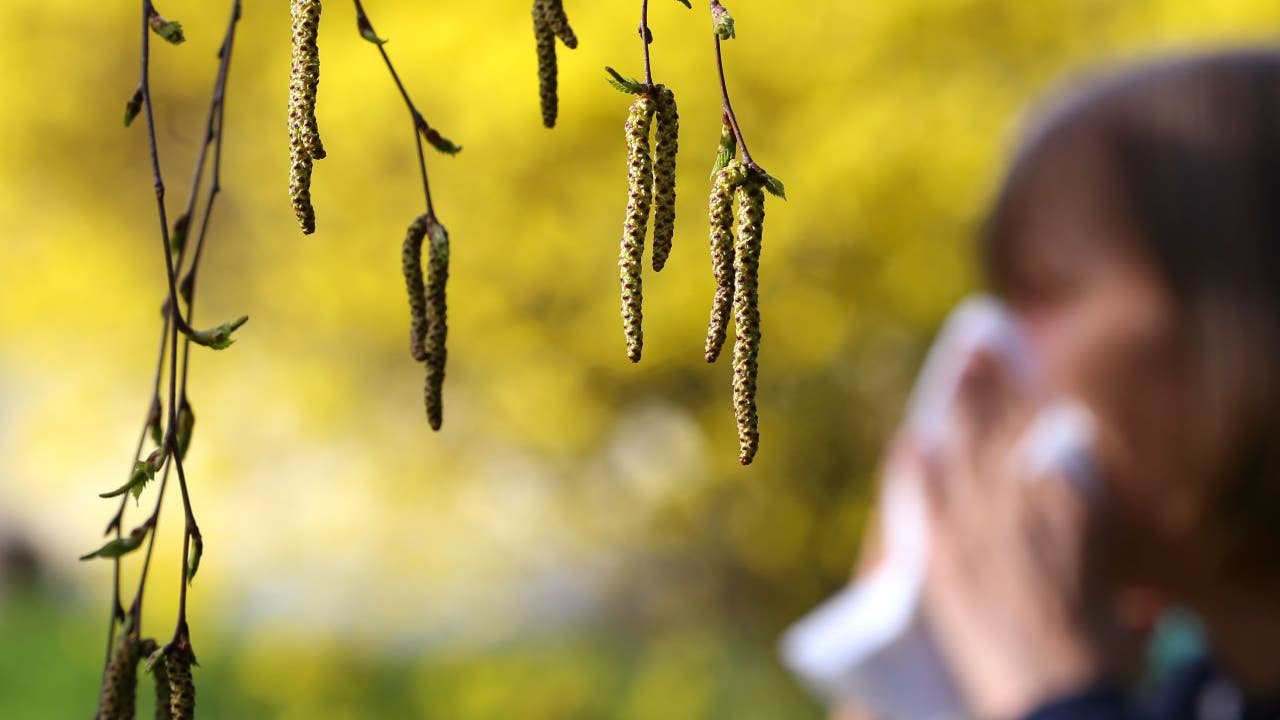
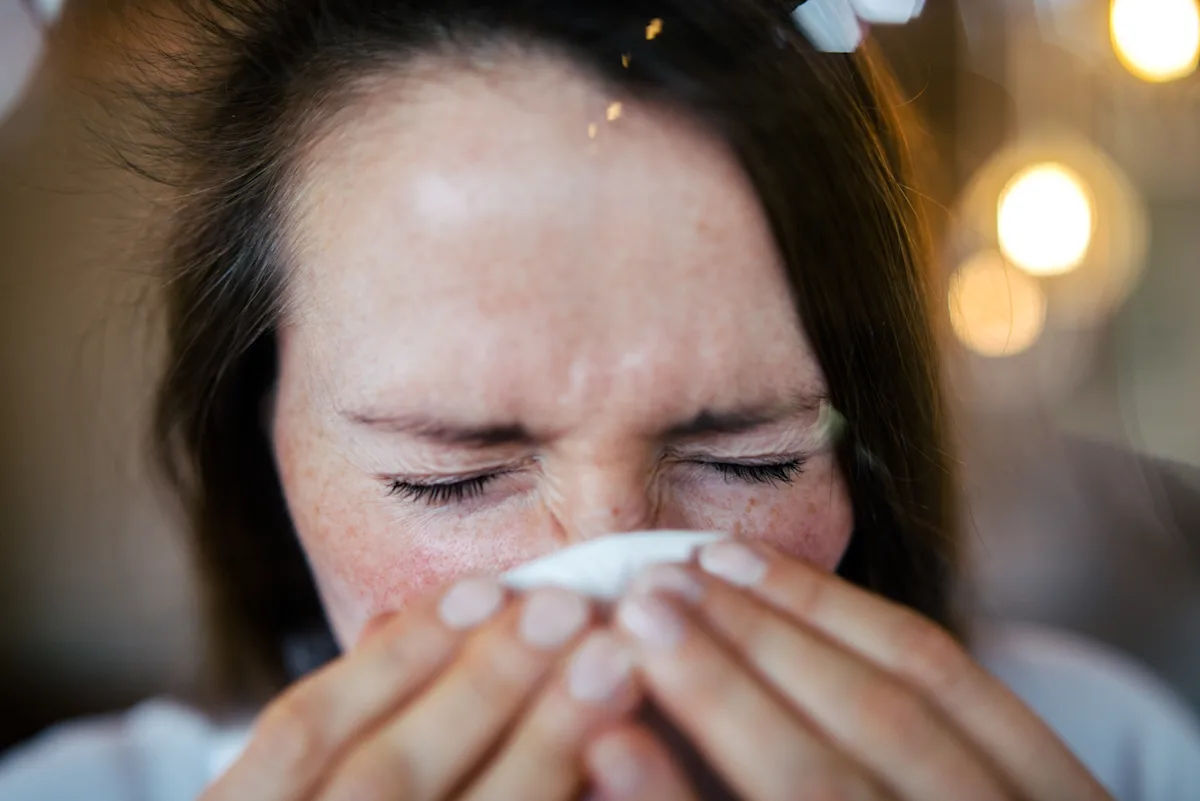
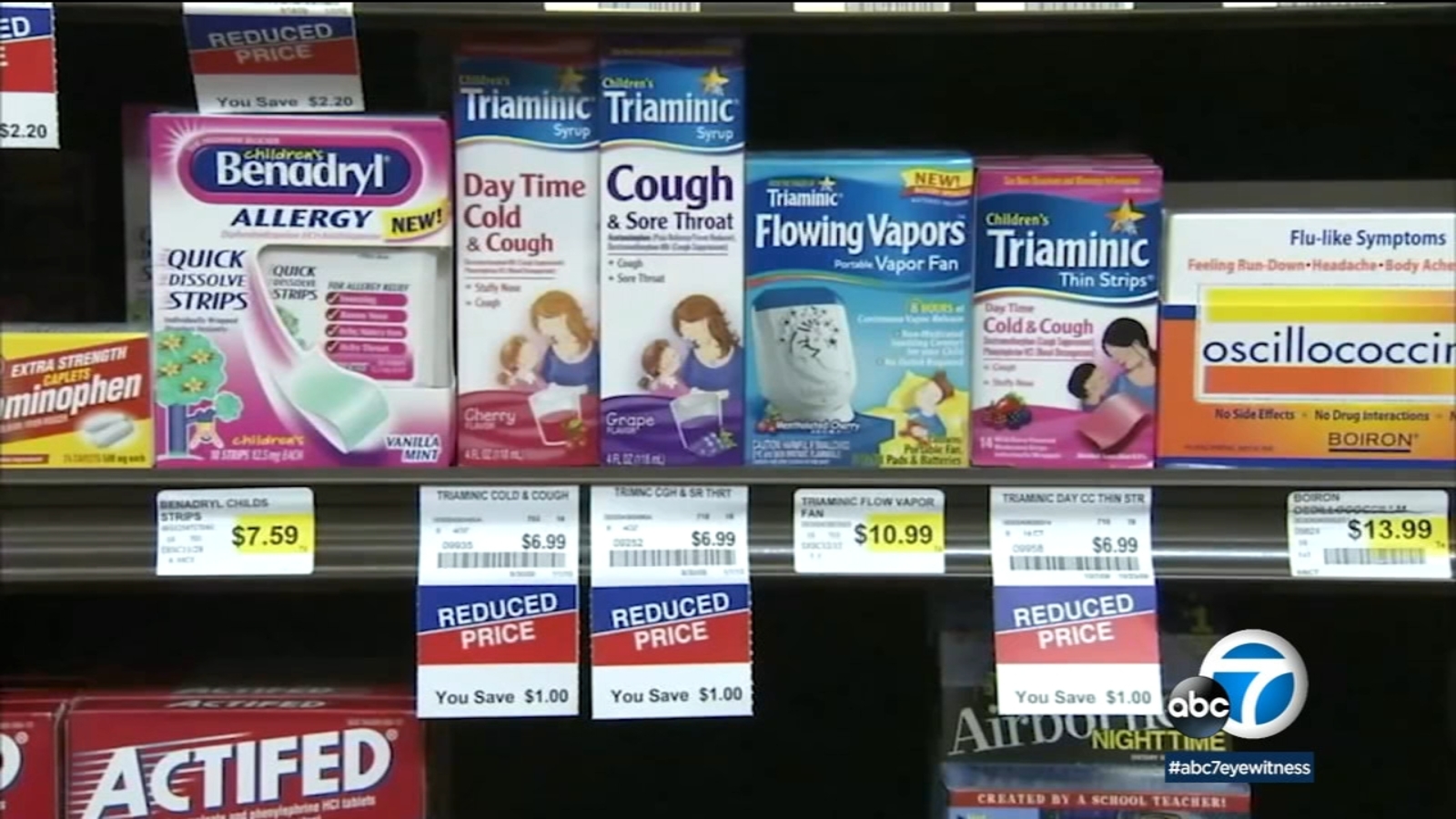
Certain trees in Metro Detroit are releasing high levels of pollen, triggering allergy symptoms for many people. The warmer winter has caused plants to fertilize earlier and release pollen sooner than usual. Experts advise those with spring allergies to start their medications early, avoid opening windows, change clothes and shower after spending time outside, and consider visiting an allergist if symptoms persist.
Spring allergy seasons are starting about 20 days earlier than in the past, with pollen concentrations rising about 20 percent nationwide since 1990, attributed to warmer temperatures, higher carbon dioxide concentrations, and increased precipitation. This shift can have significant health consequences, leading to higher prevalence of allergic rhinitis and longer periods of pollen production. Experts advise being vigilant for allergy symptoms and having medications on hand to manage the worsening allergy season.
Delayed spring warmth has led to an explosion of pollen into the atmosphere, causing an increase in seasonal allergies. Research shows that the amount of pollen in the atmosphere, including "high pollen days" has been increasing for decades, likely due to climate change and longer growing seasons. Trees emit roughly four to eight times the amount of pollen that comes from grasses and weeds, making spring the worst season for allergies. With our fall trending much warmer over the last 20 years, pollen levels have often been holding relatively high all the way into early October, before drastically falling after that.
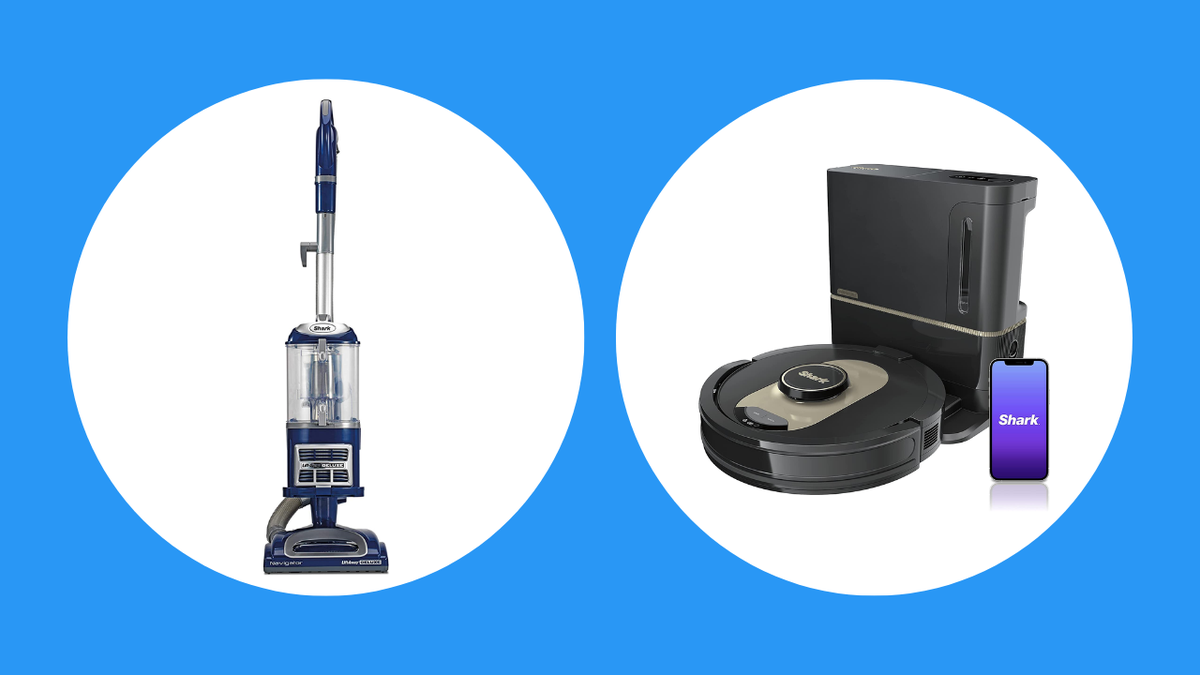
Experts recommend vacuuming once or twice a week to tackle seasonal allergies, and having a vacuum cleaner with a HEPA filter is essential. Here are five vacuum cleaners currently on sale that can help keep seasonal allergies at bay: Shark NV360 Lift-Away Deluxe Upright Vacuum, Dyson V11 Torque Cordless Vacuum Cleaner, Hoover WindTunnel 3 Max Performance Pet Upright Vacuum Cleaner, Shark Robot Vacuum, and Eureka Canister Vacuum Cleaner. All of these vacuum cleaners come with a HEPA filter to trap dust and allergens, making them a great addition to your cleaning arsenal.
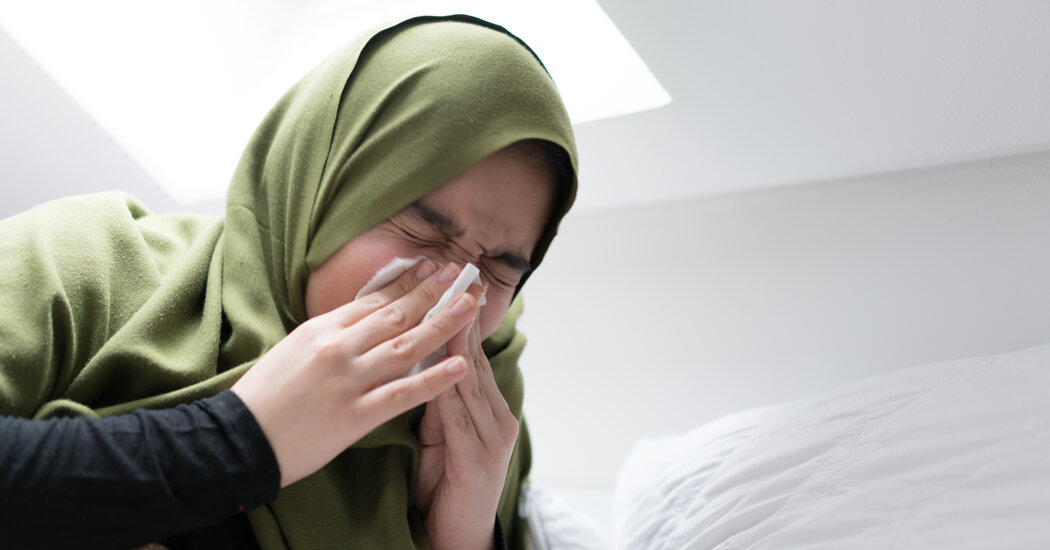
Distinguishing between spring allergies and COVID-19 can be difficult as the symptoms can be similar. However, there are some clues to help differentiate between the two, including the presence of fever, muscle aches, chills, and gastrointestinal symptoms, which are more likely to be caused by COVID-19. Itchy, watery eyes, a runny nose, and sneezing are more likely to indicate allergies. The time of year and duration of symptoms can also provide clues. It's important to know which one you have, as both can lead to long-term complications if left untreated.
Experts warn that Southern California will experience one of the worst spring allergy seasons due to the unusually high amount of rain that has broken up pollen. To avoid symptoms, allergist-immunologist Dr. Salima Thobani advises people to start using nasal steroid spray a couple of weeks before the season starts, take over-the-counter antihistamines, wear a wide-brimmed hat and sunglasses while hiking, and stay on top of the pollen forecast. Thobani also recommends using masks to keep allergens from getting to your nose and taking a shower after being exposed to pollen.