Tag

Spiral Galaxy

All articles tagged with #spiral galaxy

science1 year ago

Hubble's Stunning Edge-On Spiral Galaxy Image

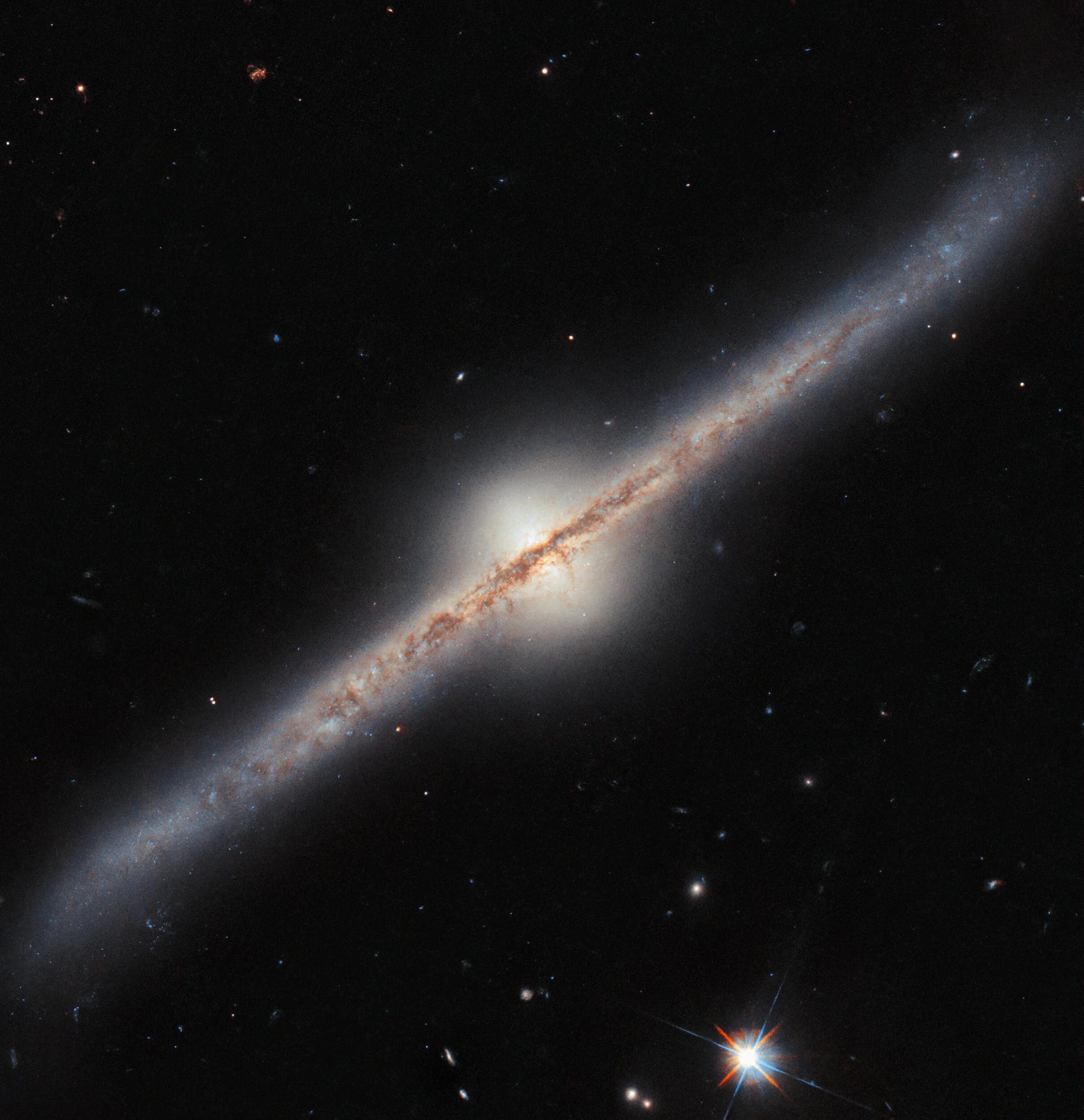
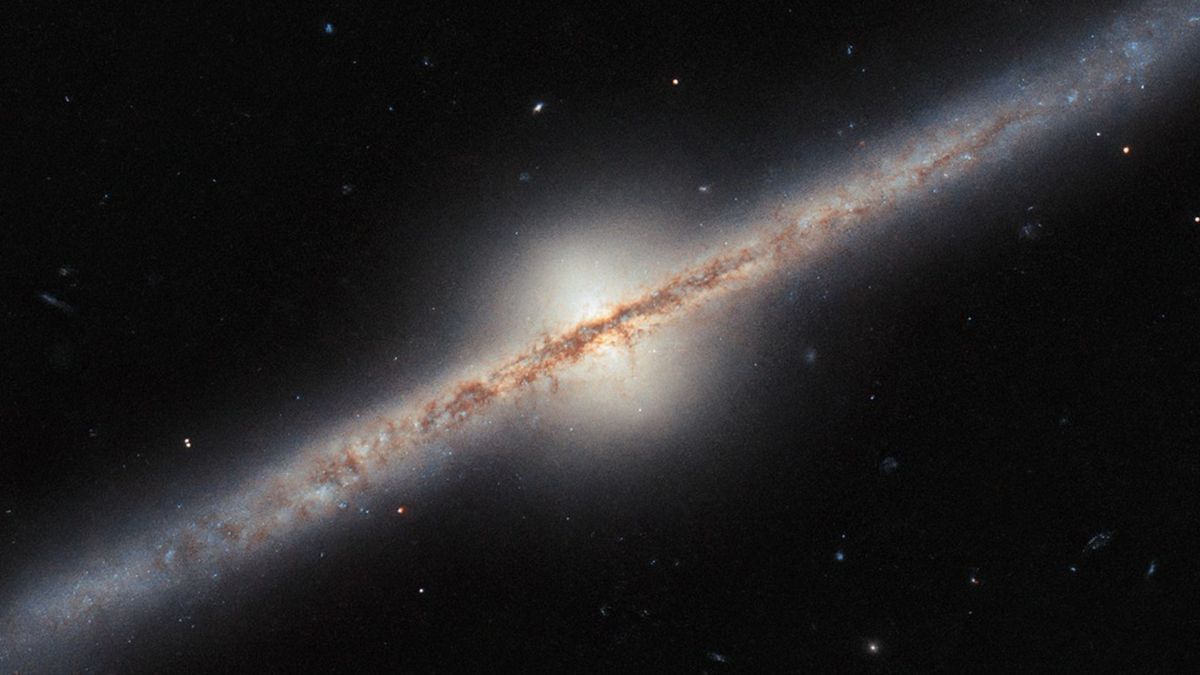
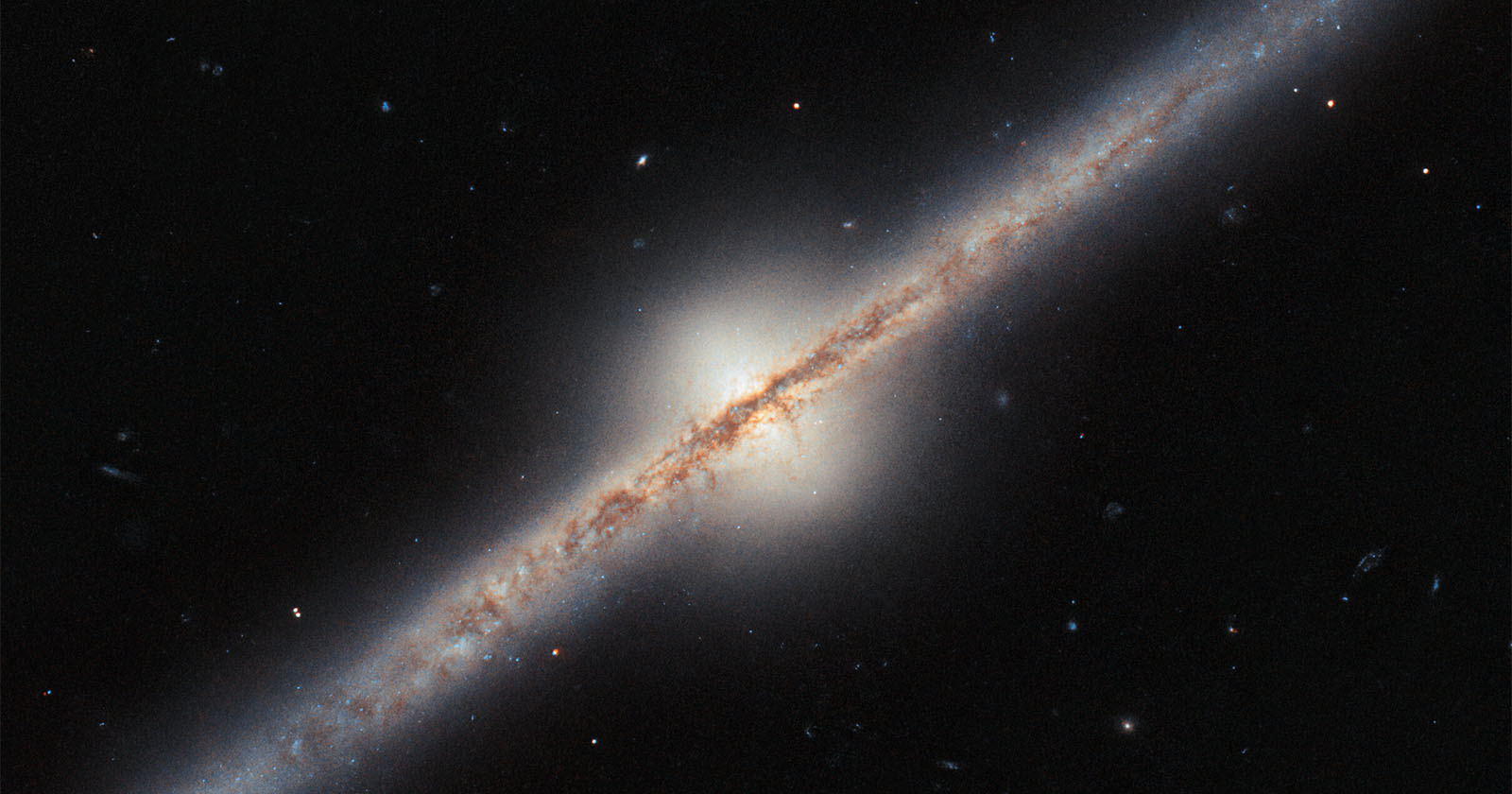
The Hubble Space Telescope captured an edge-on view of the spiral galaxy UGC 10043, located 150 million light-years away in the constellation Serpens. This perspective highlights the galaxy's disk as a sharp line with dust lanes obscuring its glow, while active star-forming regions and a prominent central bulge are visible. The bulge's size and the disk's warp may result from material siphoned from a nearby dwarf galaxy. The image is a composite of data collected 23 years apart, showcasing Hubble's long-term contributions to astronomy.

science1 year ago

Hubble's Stunning Image of Spiral Galaxy NGC 5643 Unveiled

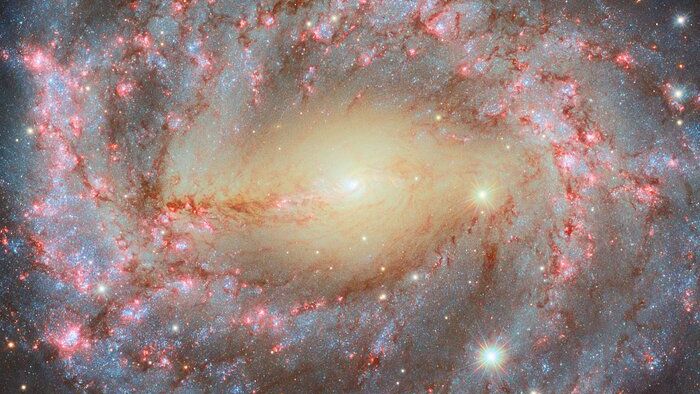
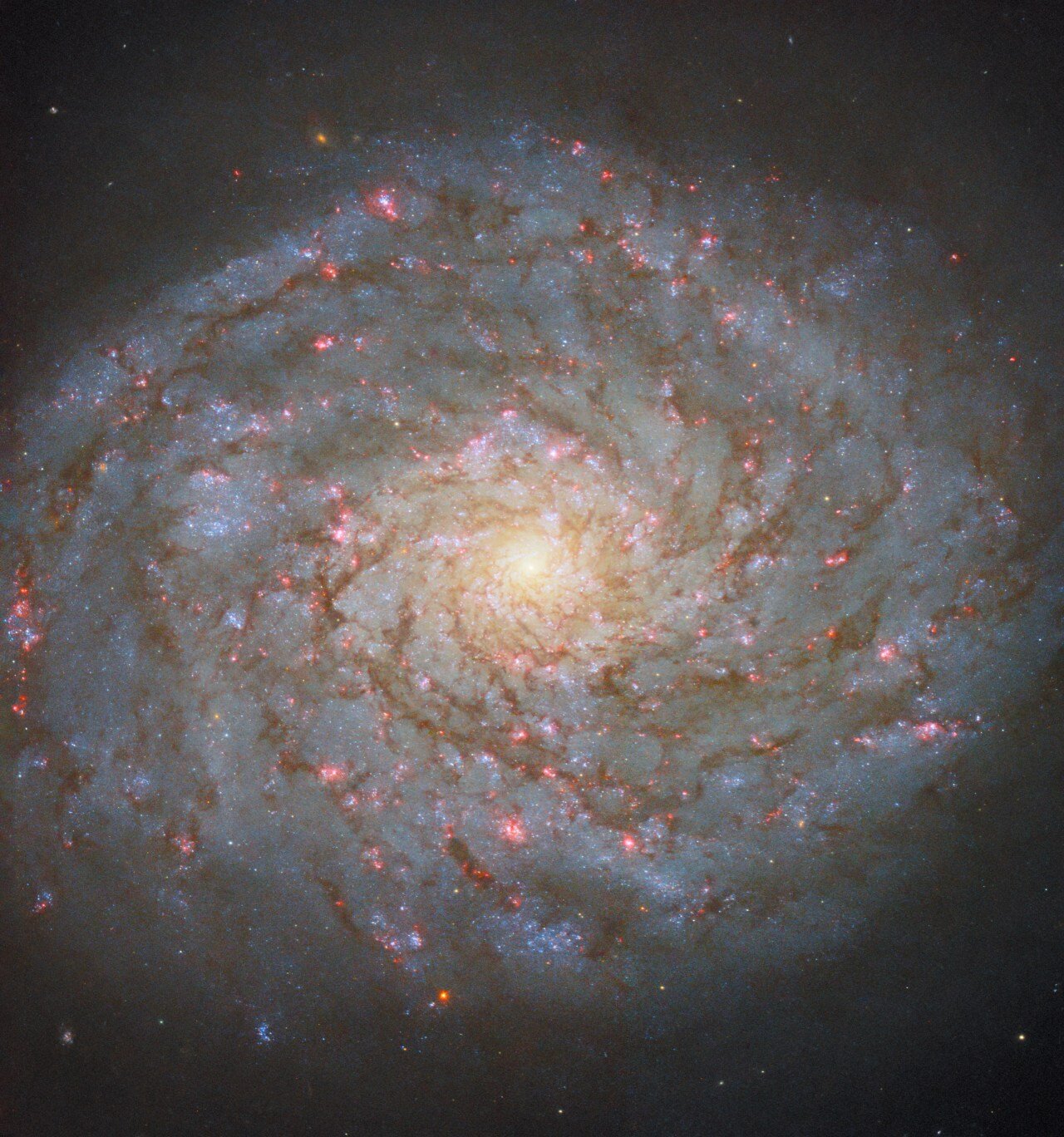
The Hubble Space Telescope has captured a stunning image of the grand design spiral galaxy NGC 5643, located 40 million light-years away in the constellation Lupus. This galaxy features prominent spiral arms and a bright active galactic nucleus powered by a supermassive black hole. Additionally, an even brighter X-ray source, NGC 5643 X-1, is believed to be a smaller black hole on the galaxy's outskirts, emitting intense radiation as it pulls material from a companion star.

space1 year ago

Hubble's Stunning Galaxy Portraits: A Cosmic Journey

The Hubble Space Telescope has been observing the spiral galaxy UGC 10043, located 150 million light-years away, for over 23 years. Initially captured in 2000, Hubble revisited the galaxy in 2023, combining data from both years to create a detailed image. This long-term observation allows astronomers to study the galaxy's evolution, revealing features like a large bulge possibly caused by interactions with nearby dwarf galaxies. Hubble's ability to capture images across different wavelengths provides unique insights into the galaxy's structure and star formation.

science1 year ago

Hubble Reveals UGC 10043's Enigmatic Edge-On Spiral

The Hubble Space Telescope has captured a unique edge-on image of the spiral galaxy UGC 10043, located 150 million light-years away in the constellation Serpens. This perspective reveals the galaxy's disk as a sharp line with prominent dust lanes and a visible central bulge. The unusual view is attributed to the galaxy's large bulging disk, possibly due to material siphoning from a nearby dwarf galaxy. The image is a composite of frames taken 23 years apart, showcasing Hubble's long-term data collection capabilities.

science1 year ago

Unveiling a Giant Spiral Galaxy with JWST and ALMA

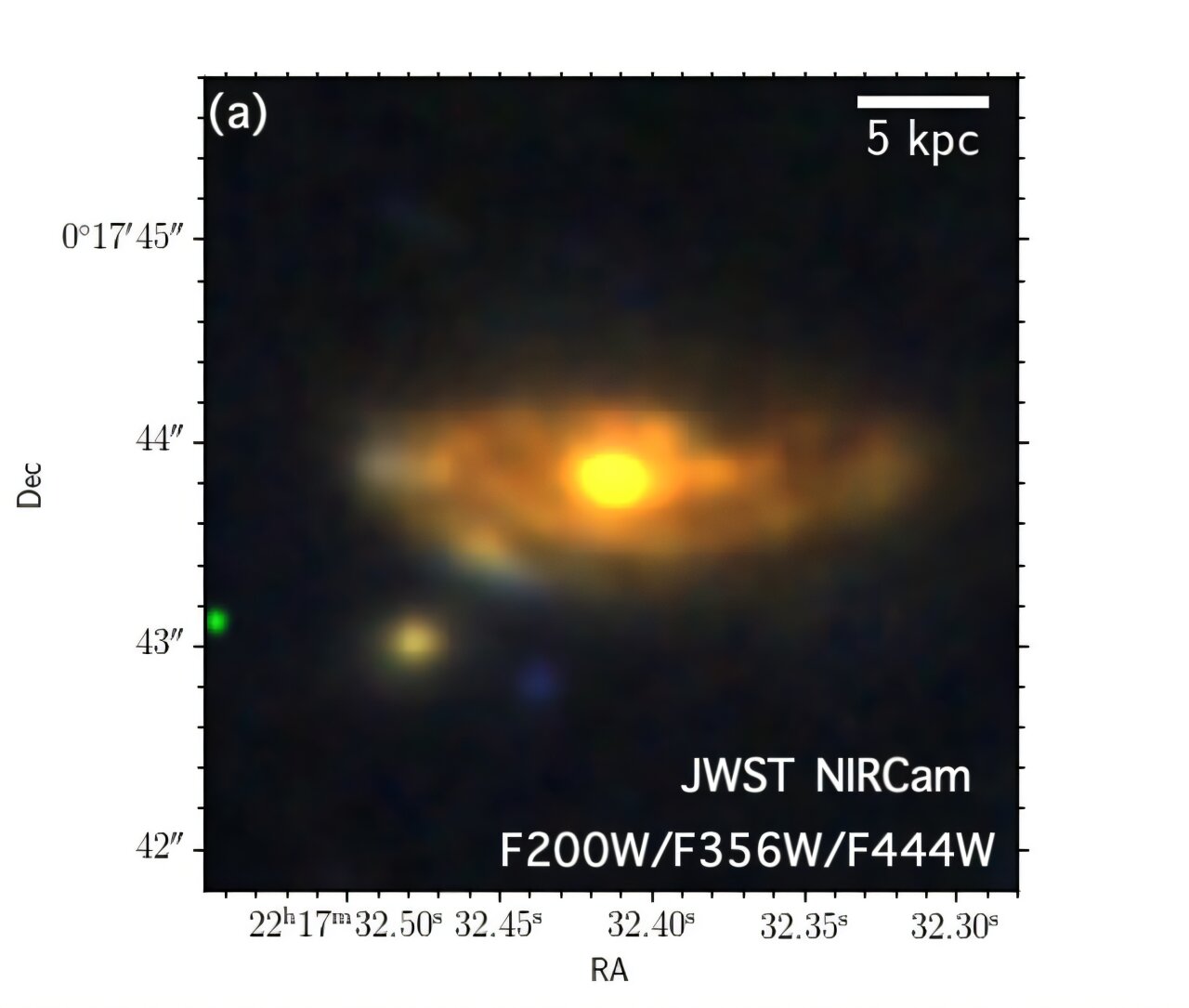
Astronomers have used the James Webb Space Telescope (JWST) and the Atacama Large Millimeter/submillimeter Array (ALMA) to study the giant spiral galaxy ADF22.A1, located in the SSA22 proto-cluster at a redshift of 3.09. The observations revealed a spiral-like stellar structure and a bright, compact dusty core, indicating active star formation and growth of a proto-bulge. The galaxy's rotation velocity was measured at about 530 km/s, suggesting rapid disk spin-up possibly due to cold accretion and mergers. These findings provide new insights into the evolution of massive galaxies and supermassive black holes.

astronomy1 year ago

Hubble Captures Stunning Spiral Galaxy NGC 4731

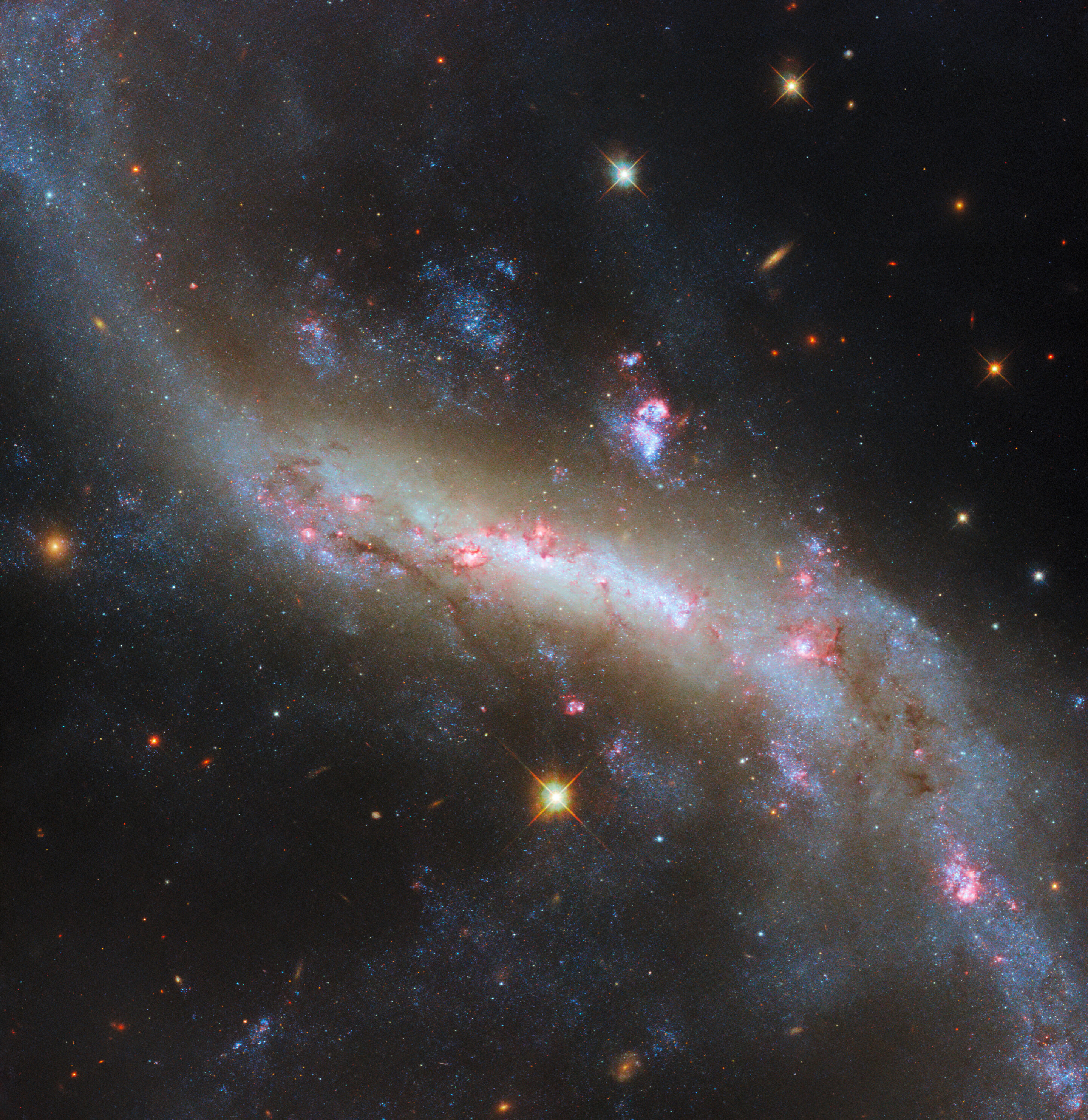
The Hubble Space Telescope captured a detailed image of the spiral galaxy NGC 4731 in the Virgo constellation, showcasing its colorful gas clouds, dust bands, star-forming regions, and prominent bar structure. This galaxy, located 43 million light-years from Earth, is part of a study on the flow of matter in galaxies, with its elongated arms likely influenced by gravitational interactions within the Virgo cluster.

space1 year ago

"Exploring the Infrared Skeleton: JWST's Breathtaking Images of Galaxies"

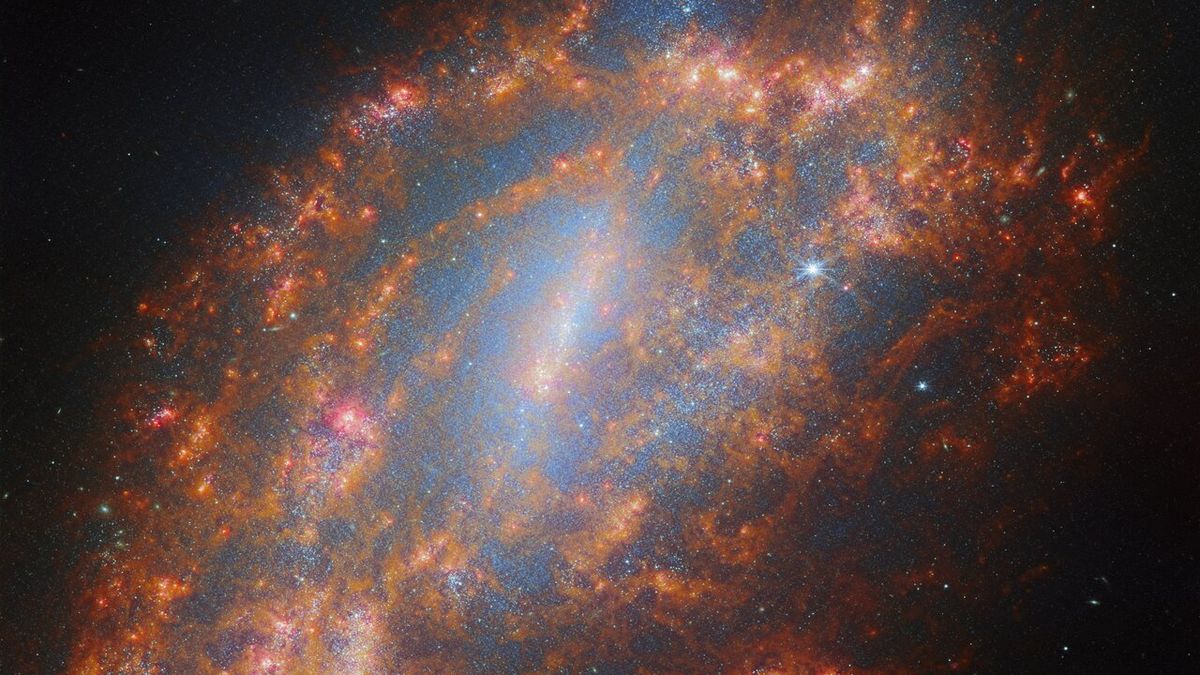
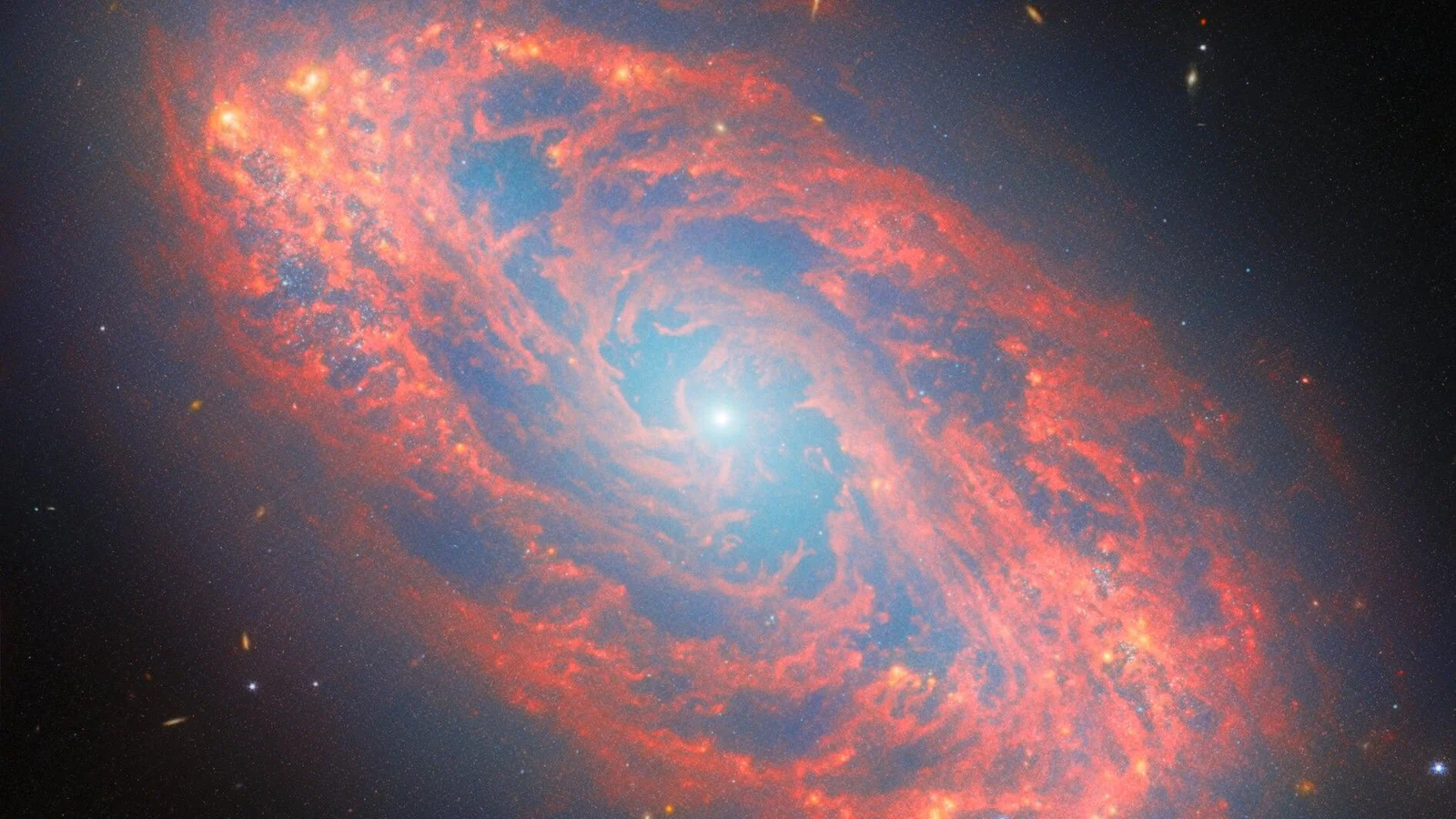
The James Webb Space Telescope's infrared vision has provided a new view of the barred spiral galaxy NGC 1559, revealing its dust skeleton and star-forming regions. The telescope's image is part of the PHANGS project, aiming to understand the life cycle of stars and their interaction with galaxies. NGC 1559, located in a remote area, has been the site of four supernovas, aiding in distance calculations and contributing to the study of the universe's expansion. Additionally, the galaxy hosts ultra-luminous X-ray sources, including a suspected compact binary ULX, making it a significant target for astronomical research.

astronomy1 year ago

"Hubble Captures Stunning Spiral Galaxy with Black Hole Heart"

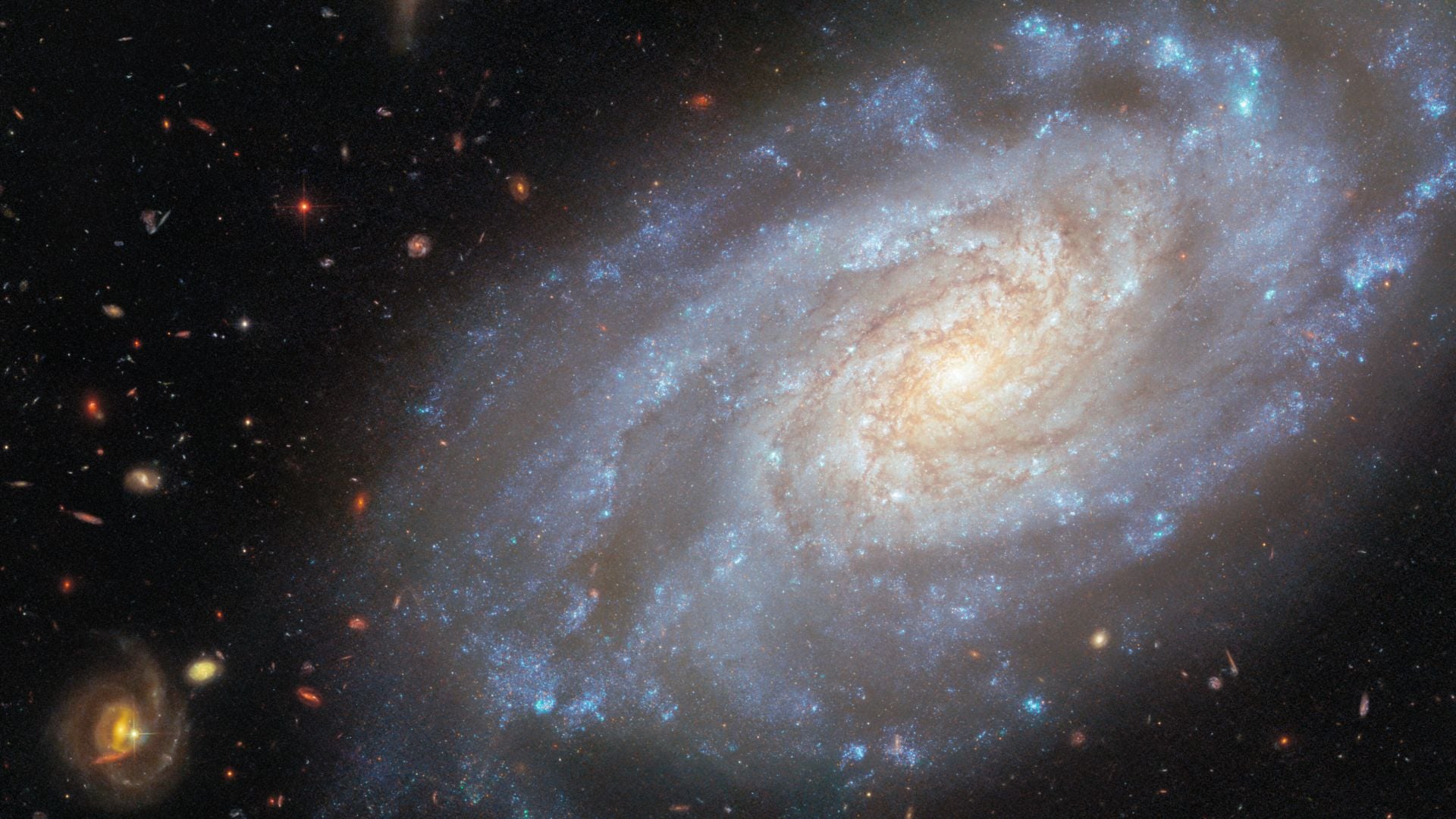
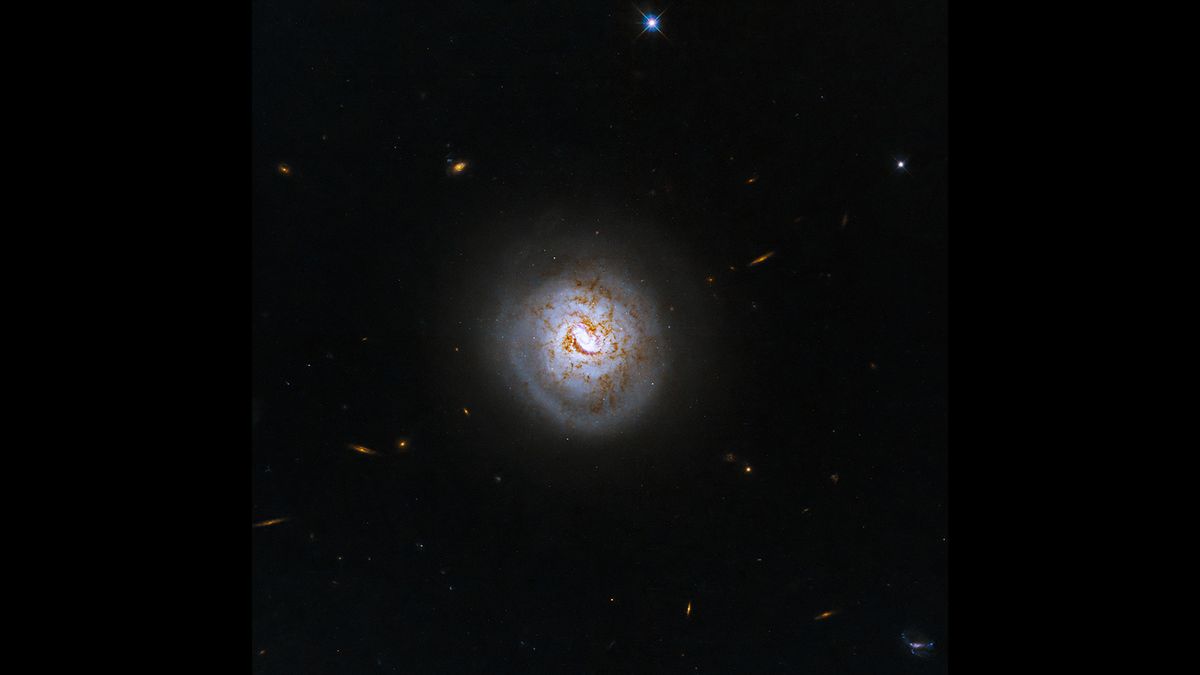
The Hubble Space Telescope captured an image of ESO 420-G013, a rare face-on spiral galaxy with a perfectly round disk resembling a baseball, located 50 million light-years away in the constellation Sculptor. This galaxy is a Seyfert galaxy with an extremely bright, active galactic nucleus powered by a supermassive black hole, visible due to its distinct structure. The image provides insight into the formation of new stars and the behavior of the black hole, and was captured as part of research on luminous infrared galaxies.

astronomy2 years ago

"Captivating Spiral Galaxy Photo Unveils Supernova Secrets"

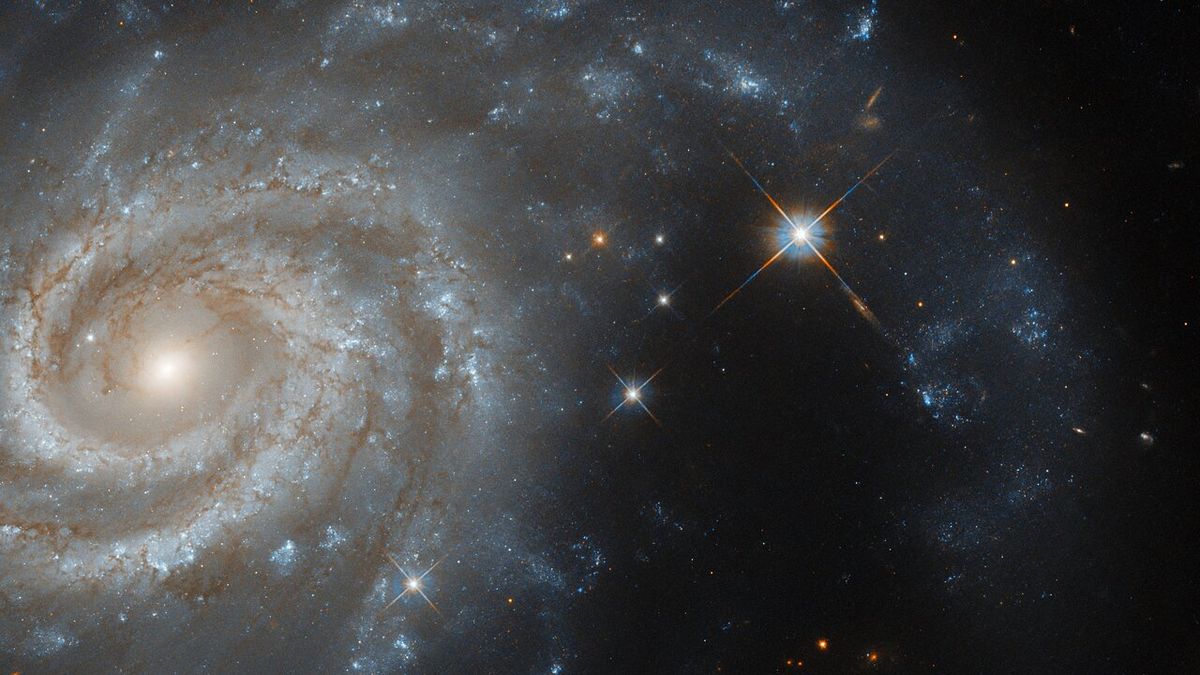
The Hubble Space Telescope has captured a stunning close-up image of the spiral galaxy IC 438, located 130 million light-years away in the constellation Lepus. The photo, taken in 2021, was intended to study the aftermath of a supernova explosion that occurred in 2017. The image showcases the galaxy's core, tightly curled inner spiral arms, and a bright star within one of the arms. This remarkable display of cosmic beauty serves as a reminder of the captivating and mysterious nature of our universe, offering a glimpse into the great unknown.

astronomy2 years ago

"Record-Breaking Discovery: Oldest Spiral Galaxy Rewrites Astronomical History"

Astronomers using the Atacama Large Millimetre/submillimetre Array (ALMA) have observed the universe's oldest known spiral galaxy, BRI 1335-0417, and discovered unique pond-like ripples in its gaseous disk, as well as the presence of a central bar. These findings challenge previous assumptions about galaxy evolution and provide significant insights into early galaxy formation and the dynamics of star and gas interactions.

astronomy2 years ago

Hubble Telescope's Stunning Capture of a Galaxy's 'Forbidden' Light

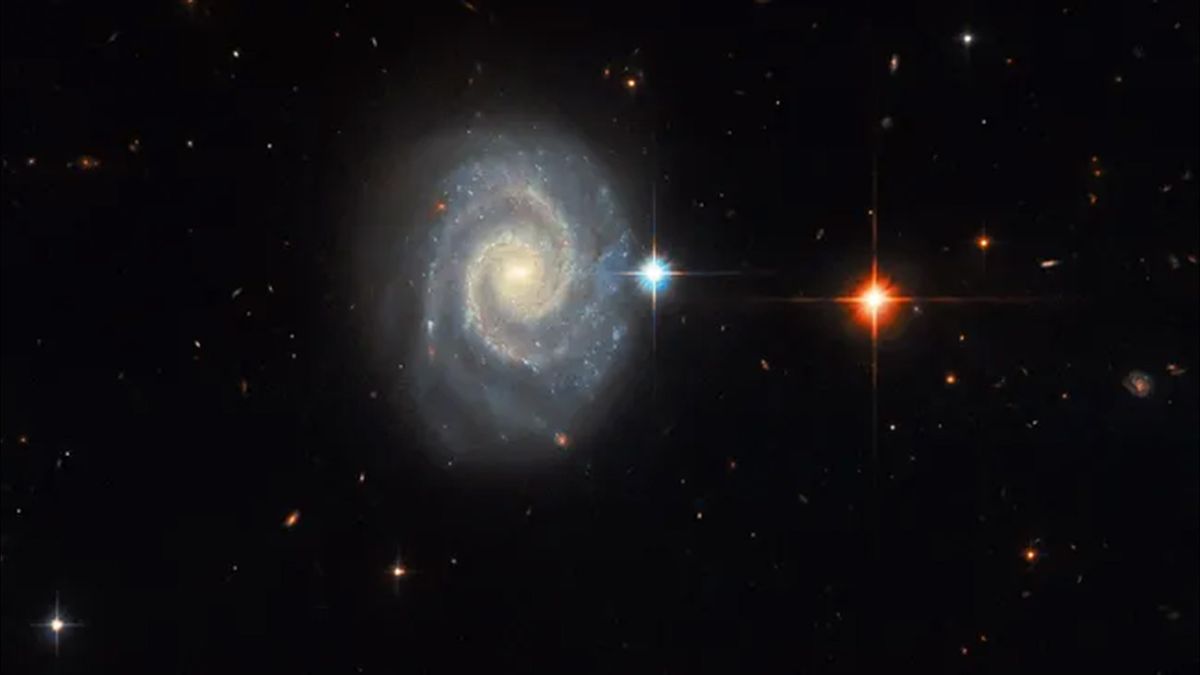
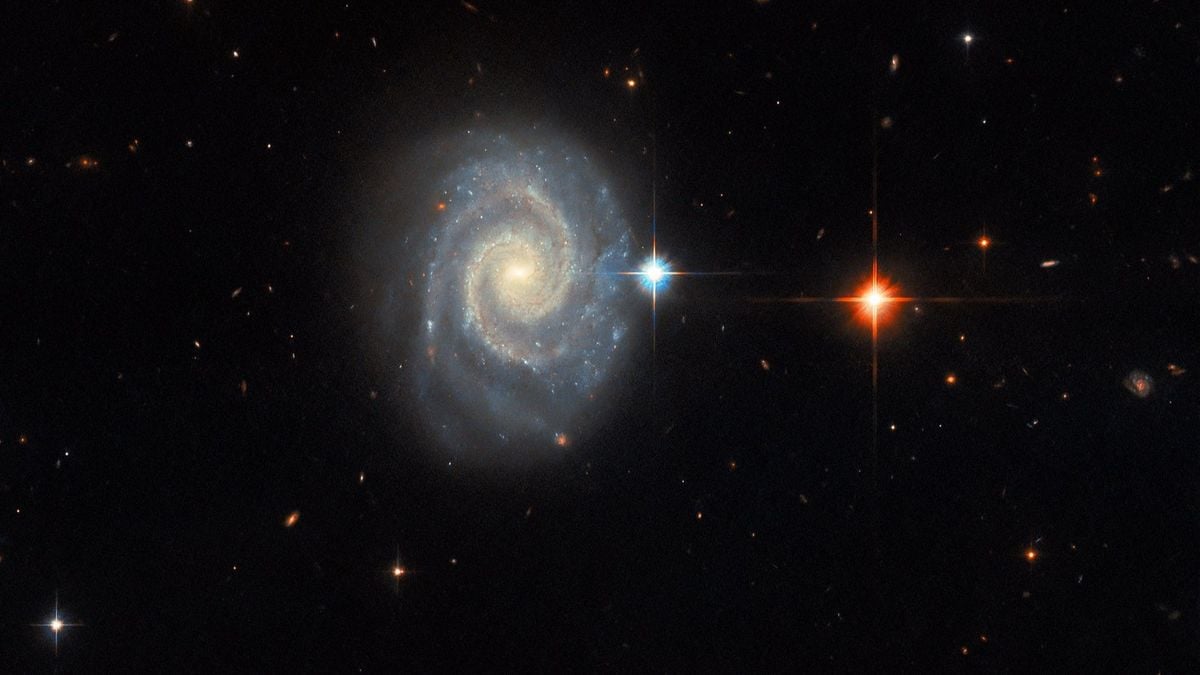
The Hubble Space Telescope has captured a stunning image of the spiral galaxy MCG-01-24-014, located 275 million light-years away from Earth. The galaxy, seen face-on, exhibits two well-defined spiral arms and an active galactic nucleus. MCG-01-24-014 is classified as a Type-2 Seyfert galaxy, emitting "forbidden" light that defies the rules of quantum physics. The image showcases the galaxy's bright light, with two large stars in the foreground and distant galaxies in the background.

space2 years ago

Hubble Telescope's Stunning Image Reveals "Forbidden" Light from Spiral Galaxy

The Hubble Space Telescope has captured a stunning image of the spiral galaxy MCG-01-24-014, located 275 million light-years from Earth. The galaxy, seen face-on, exhibits two well-defined spiral arms and an active galactic nucleus. MCG-01-24-014 is classified as a Type-2 Seyfert galaxy, known for its bright core. The galaxy emits "forbidden" light, which is observed in space but does not occur under normal conditions on Earth due to the rules of quantum physics. The Hubble image showcases the galaxy's radiant light, with additional distant galaxies scattered across the backdrop of space.

astronomy2 years ago

Hubble Telescope Reveals Mesmerizing 'Forbidden' Light from a Galaxy

The Hubble Space Telescope has captured a stunning image of a distant spiral galaxy, MCG-01-24-014, showcasing its "forbidden" light. This Type-2 Seyfert galaxy exhibits two well-defined spiral arms and an energetic glowing core known as an active galactic nucleus (AGN). Seyfert galaxies emit spectral lines associated with "forbidden" emissions, which defy certain rules of quantum physics. The Hubble image reveals the galaxy's bright light, with two large stars in the foreground and other distant galaxies in the background.