Tim from Grand Illusions demonstrates how overlapping dot patterns on paper and acetate, when slightly rotated, create mesmerizing moiré patterns that resemble cosmic spiral galaxies, showcasing a simple yet profound optical illusion.
Stunning space images from the first two months of 2024 include spiral galaxies captured by NASA's James Webb Space Telescope, volcanic eruptions on Jupiter's moon Io, a Martian eclipse observed by NASA's Perseverance rover, samples collected from asteroid Bennu, and the historic Odysseus lunar mission, marking a new era of U.S. moon exploration.
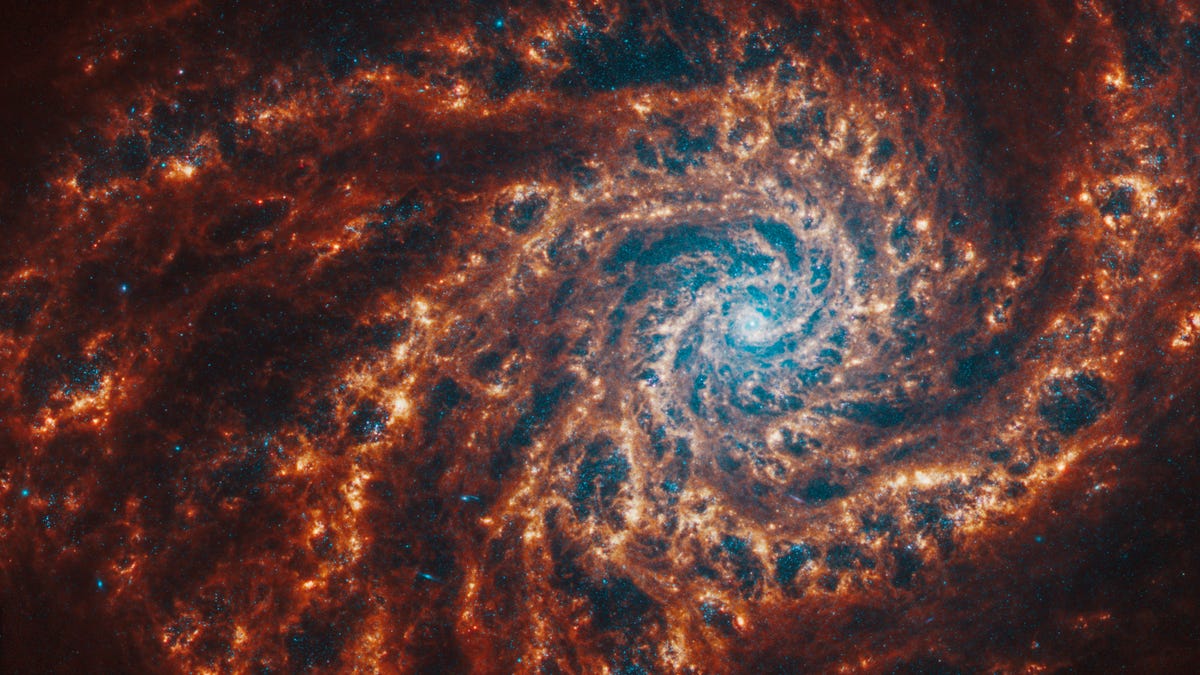
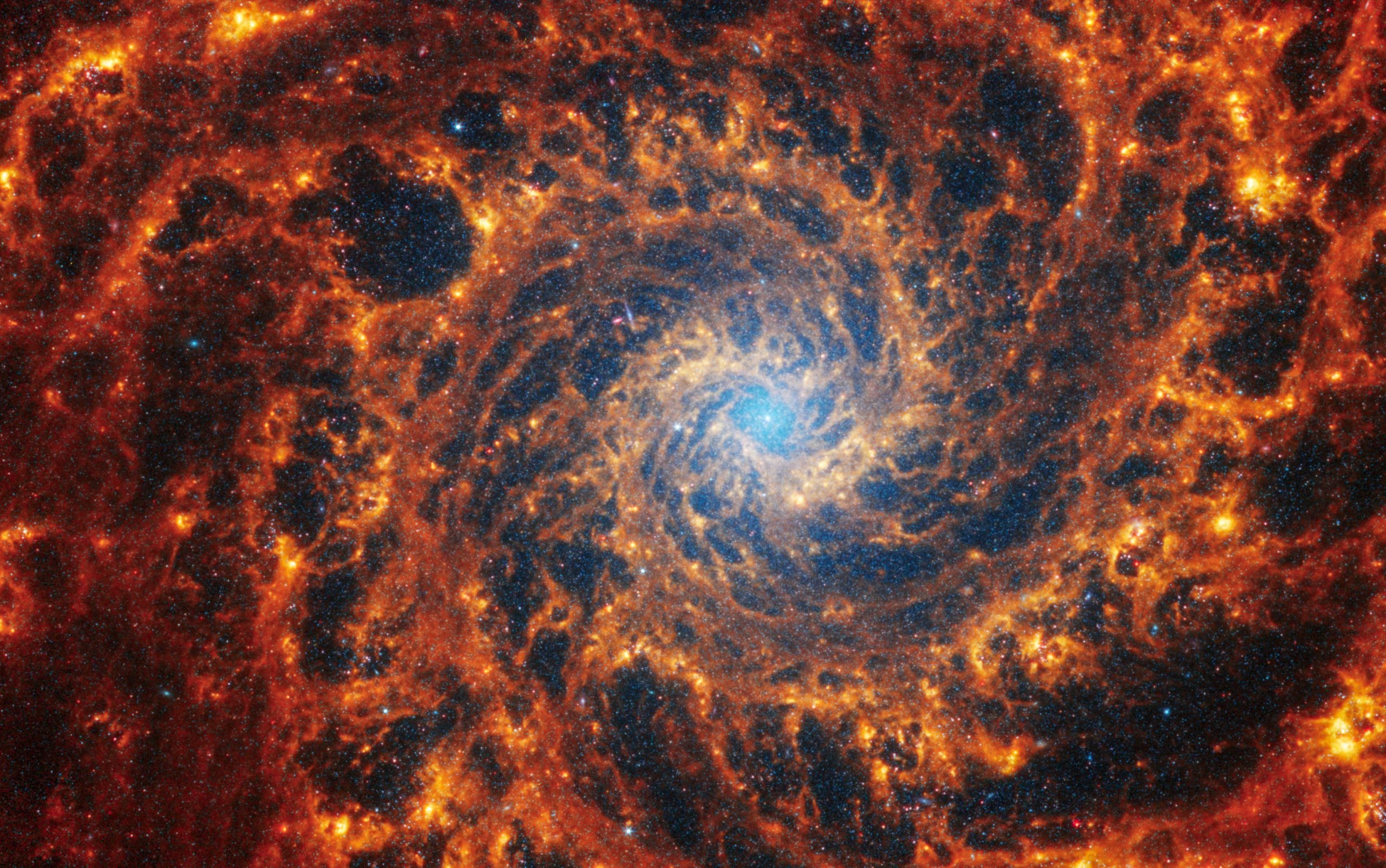
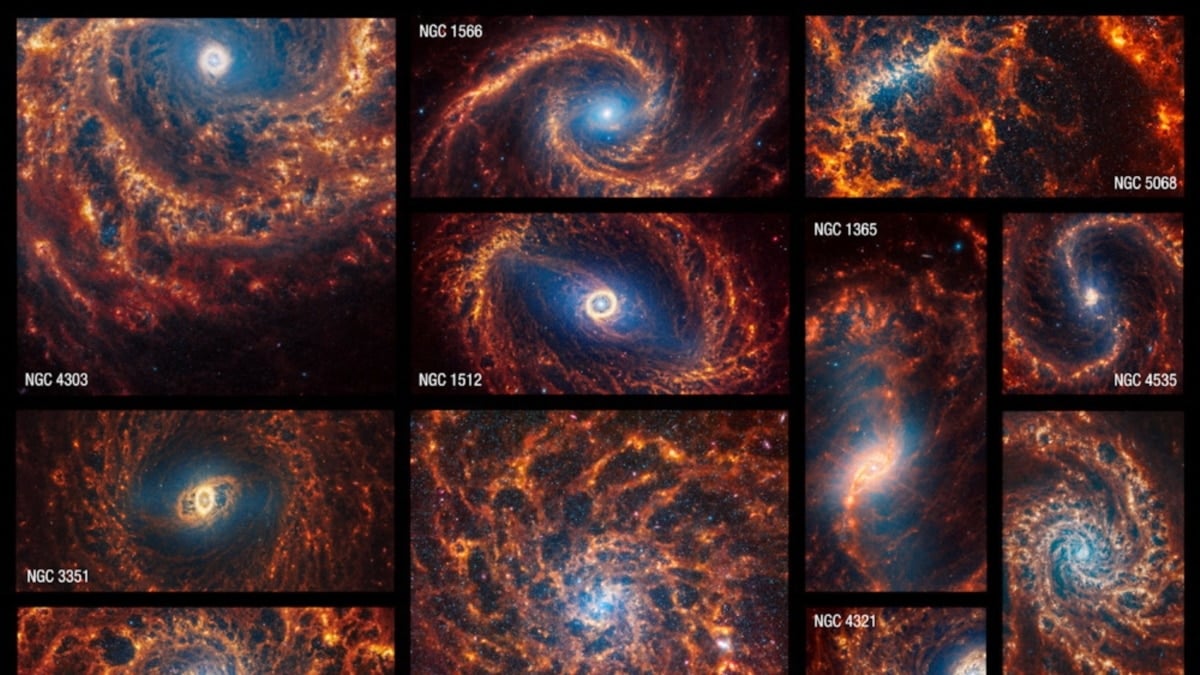
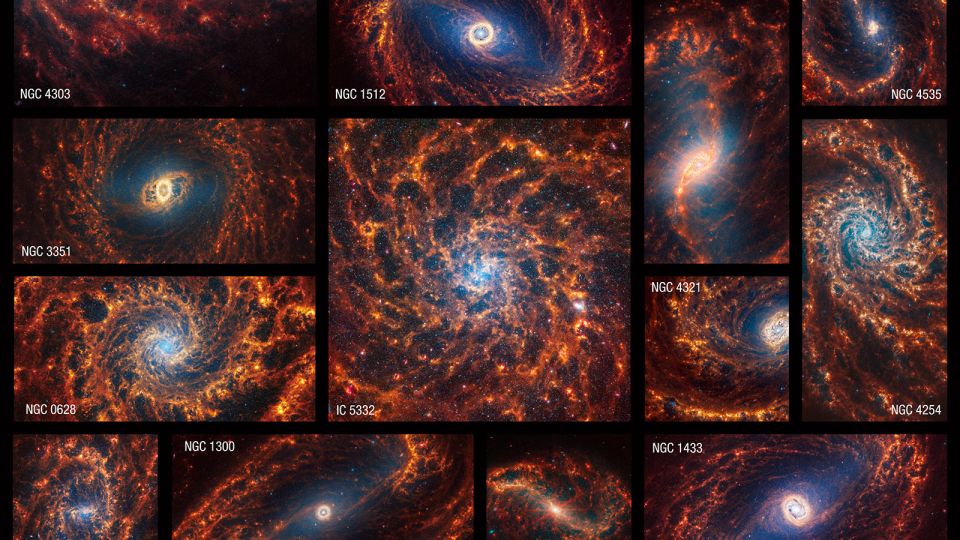
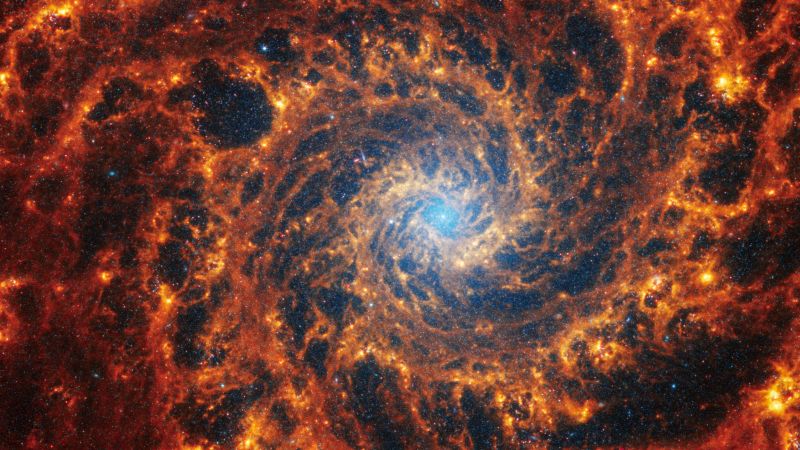
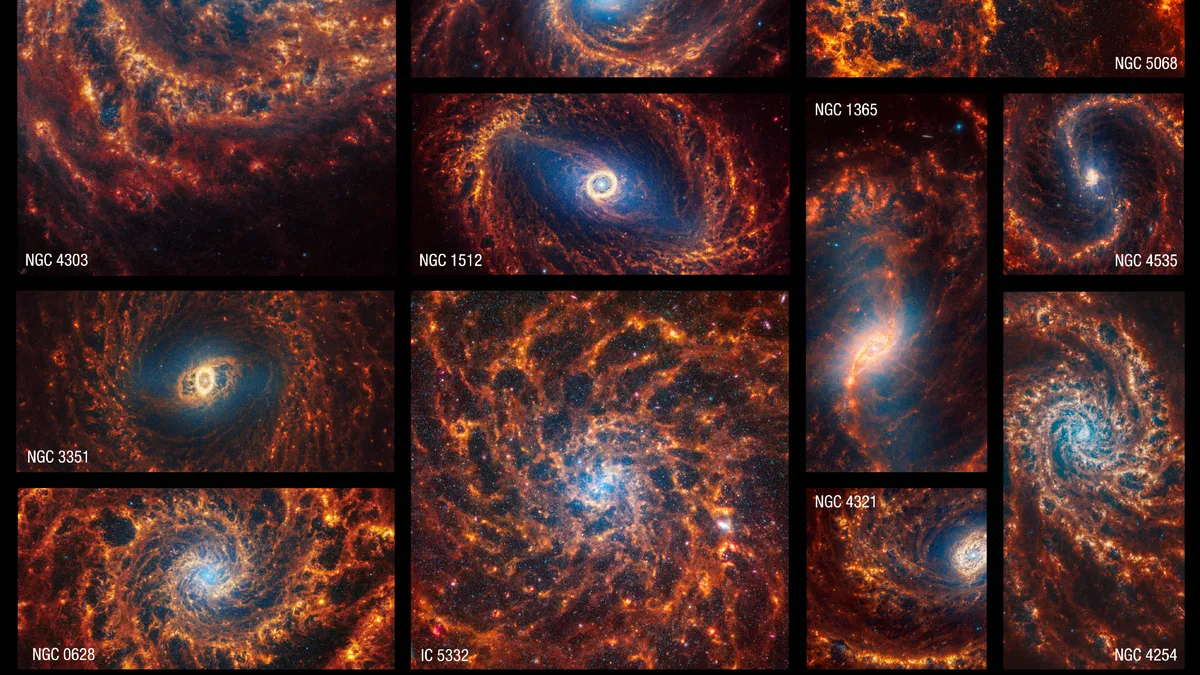
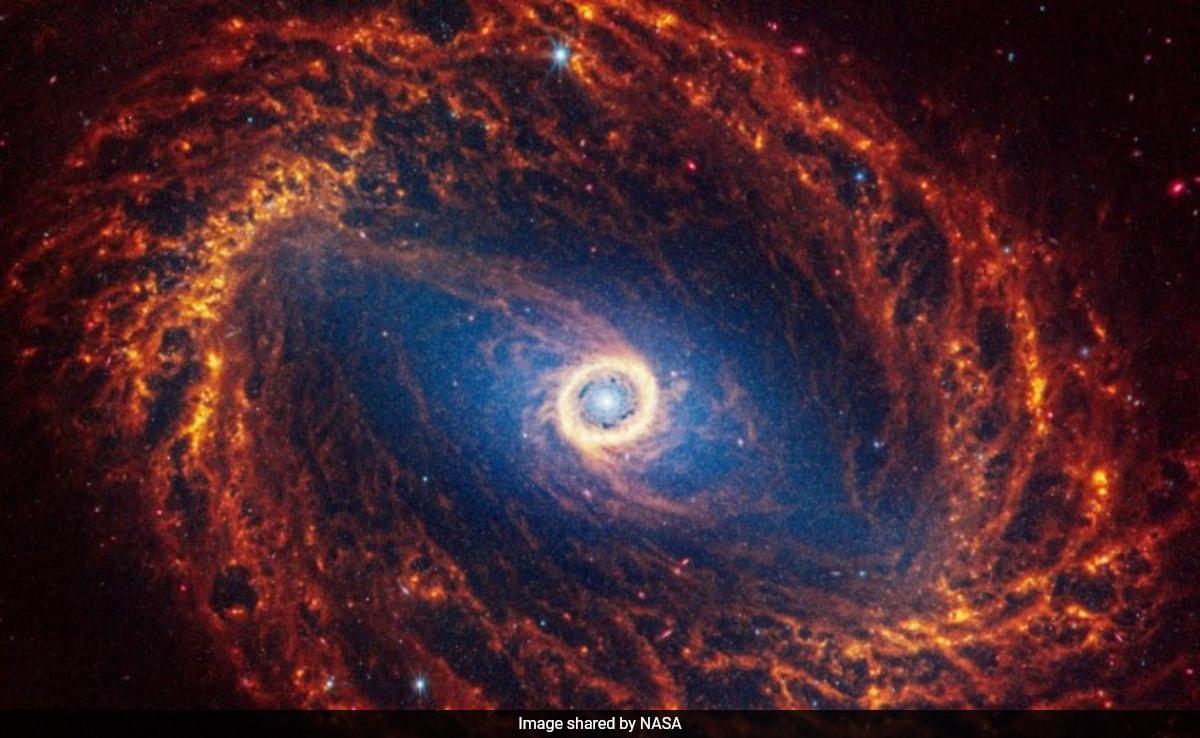
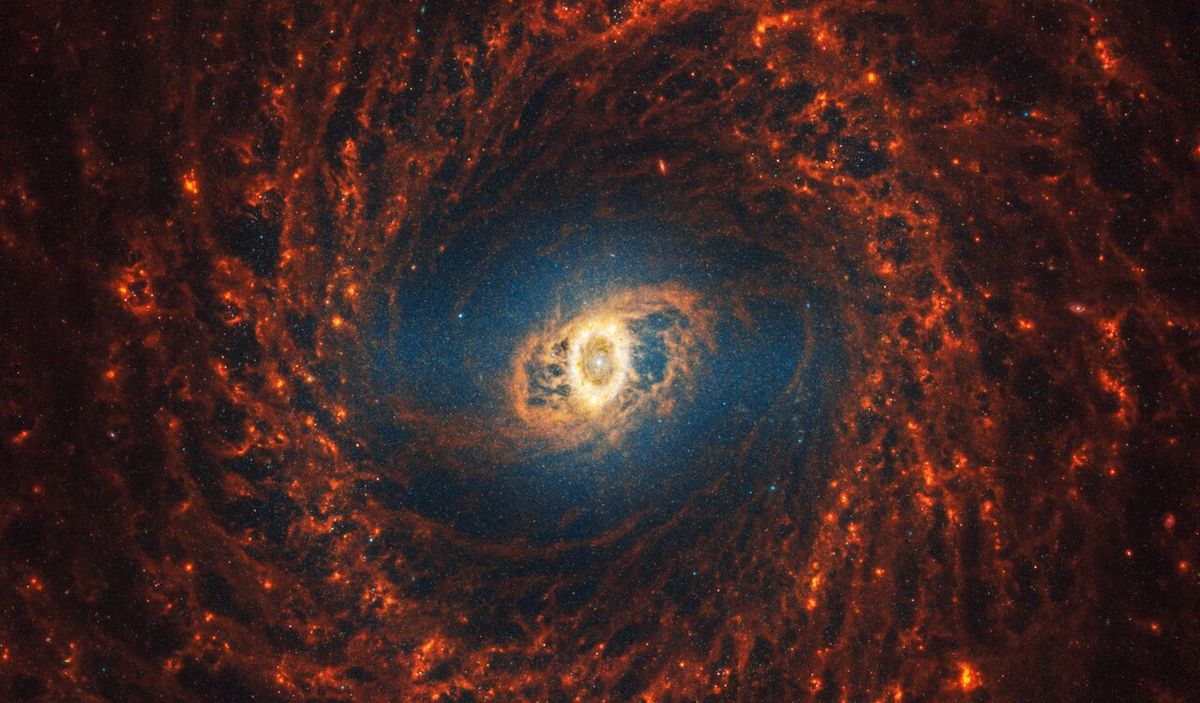
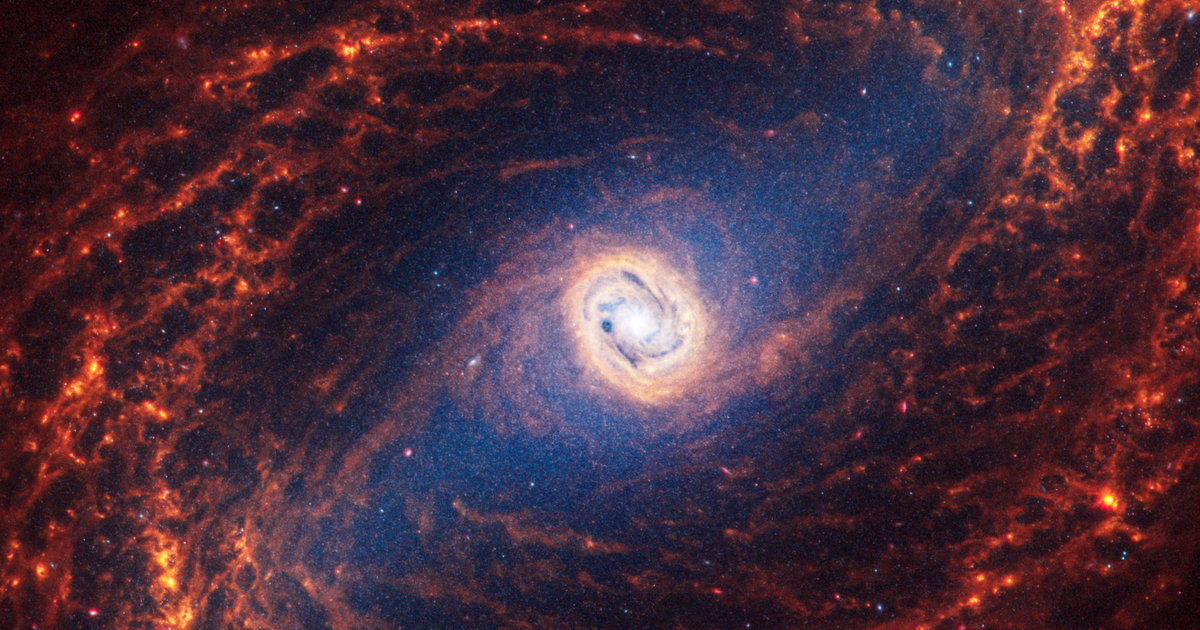
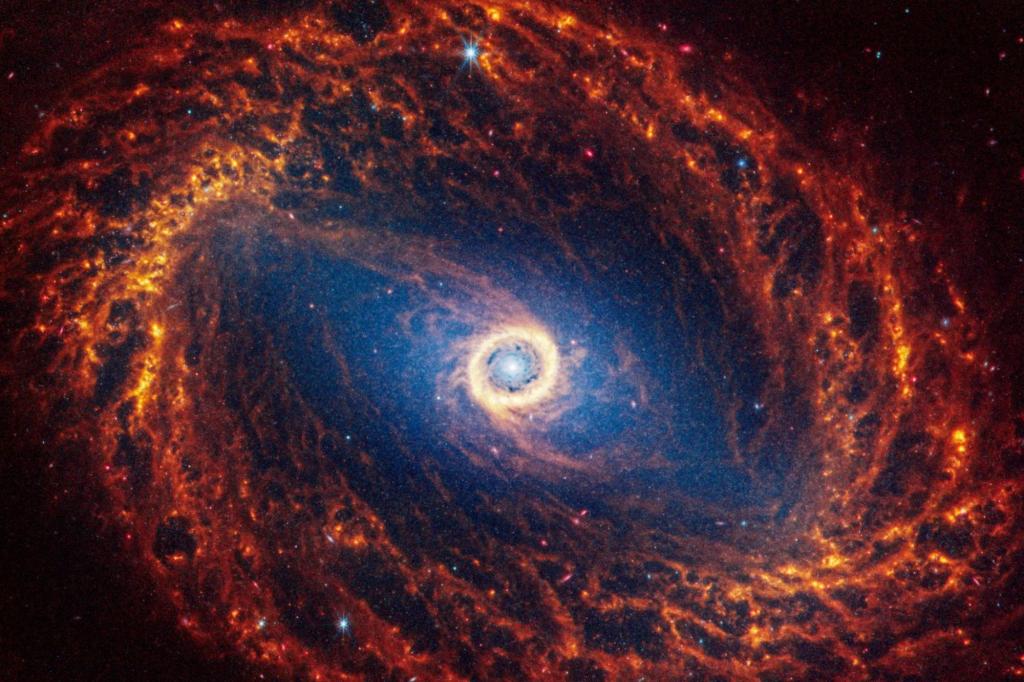
The James Webb Space Telescope has captured stunning near- and mid-infrared images of 19 nearby face-on spiral galaxies, revealing intricate structures and details never seen before. These images, part of the PHANGS program, show stars, gas, and dust on small scales, providing valuable insights into the star formation cycle and the evolution of spiral galaxies. The telescope's observations have uncovered bubbles, filaments, star clusters, and active supermassive black holes, offering a deeper understanding of how galaxies build, maintain, and shut off star formation. The release of these images and a catalog of roughly 100,000 star clusters will support extensive research and analysis within the scientific community.
The James Webb Space Telescope has captured images of 19 spiral galaxies, providing new insights into star formation, galaxy structure, and evolution. These images, taken mainly in the infrared, reveal details about the earliest phase of star formation and the structure of dust and gas clouds within galaxies. The observations build on those of the Hubble Space Telescope, offering a clearer view through dust to see stars behind and within the enshrouding dust.
The James Webb telescope has released new images of spiral galaxies, stunning astronomers with their unprecedented detail and capturing the attention of the scientific community. These images, taken in infrared vision, reveal millions of stars with a blue hue and gas and dust with a red hue, showcasing large bubble-like figures within the galaxies. The telescope's contributions include the release of a catalogue of about 100,000 star clusters, the largest to date, and the ability to capture galaxies with black holes at their centers. The images have left researchers awestruck, providing new insights into the star formation cycle and offering a deeper understanding of the universe.
The James Webb Space Telescope has captured unprecedented detailed images of 19 spiral galaxies, showcasing millions of stars and intricate structures in near- and mid-infrared light. These observations, part of the PHANGS project, provide insights into star formation and the evolution of galaxies. The images reveal clusters of old stars, supermassive black holes, and glowing dust surrounding still-forming stars. Astronomers are excited about the opportunity to study the vast number of stars in these galaxies and gain a better understanding of their life cycles.
The James Webb Space Telescope has captured unprecedented detailed portraits of 19 spiral galaxies, revealing millions of stars and intricate structures using its ability to observe in different wavelengths of infrared light. These observations, part of the PHANGS project, provide insights into star formation and the evolution of spiral galaxies, shedding light on the distribution of gas and dust, the presence of supermassive black holes, and the life cycles of stars. Webb's new images are described as extraordinary and mind-blowing by astronomers, offering a unique perspective on the galaxies and their stellar contents.
NASA's James Webb Space Telescope has unveiled 19 stunning images of spiral galaxies, showcasing millions of stars and evidence of supermassive black holes. The high-resolution images captured in near- and mid-infrared light reveal intricate structures and offer new insights into star formation within galaxies. Astronomers hope to gain a better understanding of the evolution of spiral galaxies through the study of these images. Since its launch in 2021, the James Webb Space Telescope has facilitated numerous cosmic discoveries, including insights into exoplanets, black holes, and ancient galaxies.
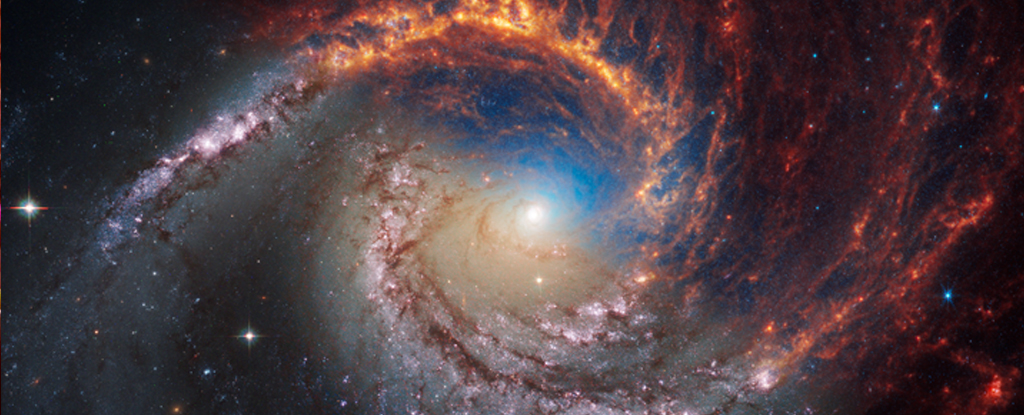
The James Webb Space Telescope (JWST) has captured stunning infrared images of 19 spiral galaxies as part of the Physics at High Angular resolution in Nearby GalaxieS (PHANGS) program, revealing intricate details of galactic arms, cores, and star formation. These high-resolution images provide new insights into the diversity and evolution of spiral galaxies, showcasing features such as diffraction spikes indicating active supermassive black holes, young star clusters, and gas and dust emissions. The JWST's infrared capabilities offer a different perspective compared to the Hubble Space Telescope, shedding light on previously unseen details and contributing to a deeper understanding of galactic structure and evolution.
NASA's James Webb Telescope has captured stunning images of 19 spiral galaxies near the Milky Way, revealing the intricate details of star creation and the structure of these galaxies. The images, taken as part of the PHANGS project, show bright orange dust lanes and young stars developing within their gas and dust envelopes. These photos provide insight into the cycle of star formation and feedback, demonstrating that galaxies grow from the inside out, with star formation beginning in the center and spreading outward through the spiral arms. The images not only showcase the beauty of the universe but also tell a compelling story about the dynamic process of star formation, making them accessible and captivating for both researchers and the public.
The James Webb Space Telescope has captured stunning images of 19 Milky Way-like spiral galaxies, revealing stars, gas, and dust in unprecedented detail. These images, taken as part of the PHANGS survey, show galaxies at the smallest scales ever observed outside our own galaxy, providing valuable insights into the physics of star formation. The telescope's unique ability to capture infrared light has allowed scientists to visualize dust clouds and objects too faint for normal telescopes to see, offering a "mind-blowing" view of these distant galaxies.
NASA's James Webb Space Telescope has captured stunning images of 19 spiral galaxies, revealing stars, gas, and dust on the smallest scales ever observed beyond the Milky Way. These images, part of the PHANGS program, showcase millions of stars, glowing dust, and developing stars, providing valuable insights into the origin and evolution of these galaxies. The images also display large spherical shells possibly created by exploding stars and supermassive black holes at galaxy cores. Researchers are analyzing these images to gain a deeper understanding of the star formation cycle and the structures within these galaxies.
The James Webb Space Telescope has captured stunning images of 19 spiral galaxies near the Milky Way, providing unprecedented detail of star formations and galactic structure. These images, the result of collaboration among over 150 astronomers, reveal intricate features such as bubbles and filaments, shedding light on the star formation cycle. The telescope's Near-Infrared Camera and Mid-Infrared Instrument unveiled about 100,000 star clusters and millions of individual stars in galaxies located between 15 to 60 million light years from Earth, offering a deeper understanding of the structure of dust and gas clouds shaping stars and planets.
NASA's James Webb Space Telescope has captured highly detailed images of 19 nearby spiral galaxies as part of the PHANGS program, revealing stunning structures and providing new insights into star formation. The images, taken in near- and mid-infrared light, show millions of stars, glowing dust, star clusters, and large spherical shells in the galaxies. These observations shed light on the distribution of gas and dust, the life cycles of stars, and the presence of active supermassive black holes in galaxy cores. The release of these images and a catalog of roughly 100,000 star clusters will enable extensive research and analysis by the scientific community.
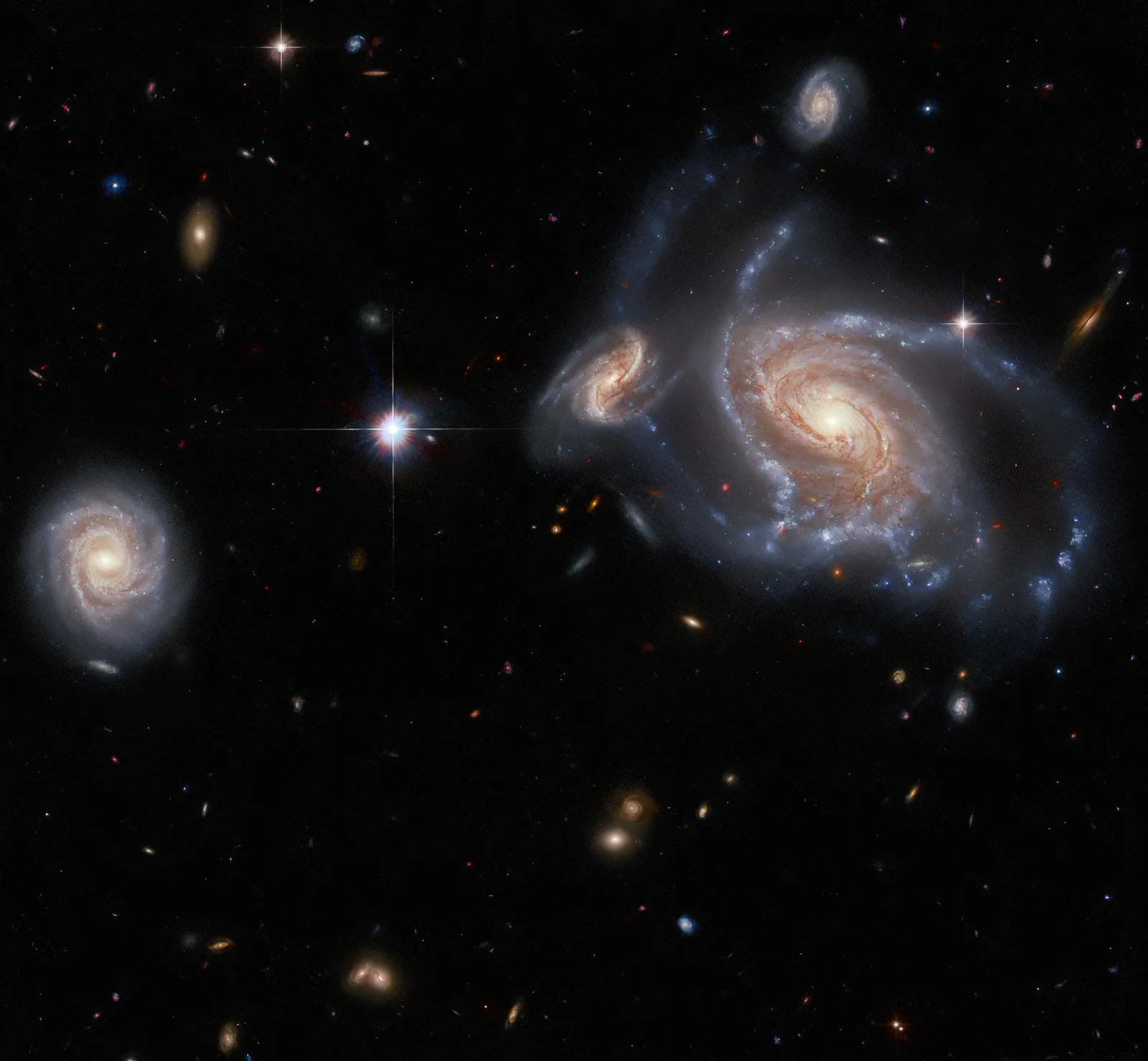
The Hubble Space Telescope captured an image showing a complex swirl of overlapping spiral galaxies, including the elegant barred spiral galaxy NGC 1356 and smaller galaxies LEDA 467699, LEDA 95415, and IC 1947. Although it appears that the galaxies are clustered close together, they are actually located at different distances from Earth, with the two LEDA galaxies millions of light-years apart and IC 1947 relatively closer to NGC 1356. Hubble's image showcases the richness of spiral galaxies and highlights the challenge of distinguishing between overlapping galaxies and those actually interacting with each other. Additionally, a combined image from the Hubble and James Webb Space Telescopes reveals a colorful view of a galaxy cluster, while the Siena Galaxy Atlas now catalogs almost 400,000 nearby galaxies.