Tag

Spiral Arms

All articles tagged with #spiral arms

astronomy2 years ago

Unveiling the Turbulent History of the Milky Way through its Stars

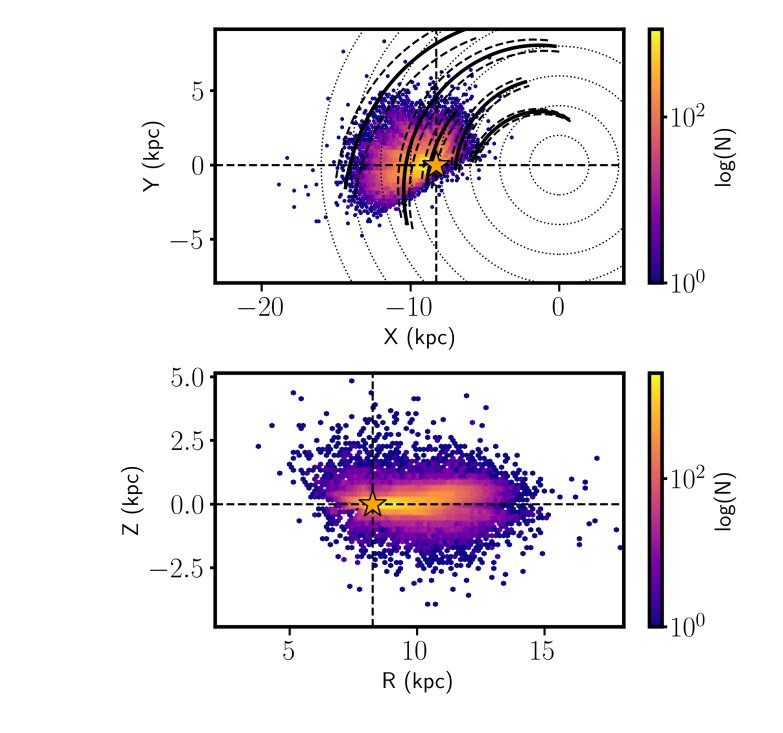
Astronomers are using individual stars to map the structures and history of the Milky Way. The first major effort to study the galaxy's formation began in the 1960s, but new data from the Gaia satellite has revealed surprising findings. The Milky Way's bulge is peanut-shaped and part of a larger bar, the galaxy itself is warped, and the thick disk is flared. The number of spiral arms and the overall structure of the galaxy are still being debated. This new understanding challenges the traditional view of the Milky Way as a simple and well-ordered galaxy.

astronomy2 years ago

"Unveiling the Violent Past of Milky Way's Stars"

Astronomers are reimagining the formation and growth of the Milky Way by studying its uneven shape and ability to form planets. Using data from the Gaia satellite, astronomers have discovered that the Milky Way is not as neat and calm as previously thought. The galaxy's bulge is peanut-shaped and part of a larger bar, while the galaxy itself is warped. The thick disk is flared and may have formed before the halo. Astronomers are uncertain about the number of spiral arms the galaxy has. The Milky Way's spiral arms, including the Perseus and Norma arms, are more similar to other distant galaxies than previously believed.

astronomy2 years ago

"Unveiling the Stellar Feast: Exploring Young δ Scuti Stars with MESA and GYRE"

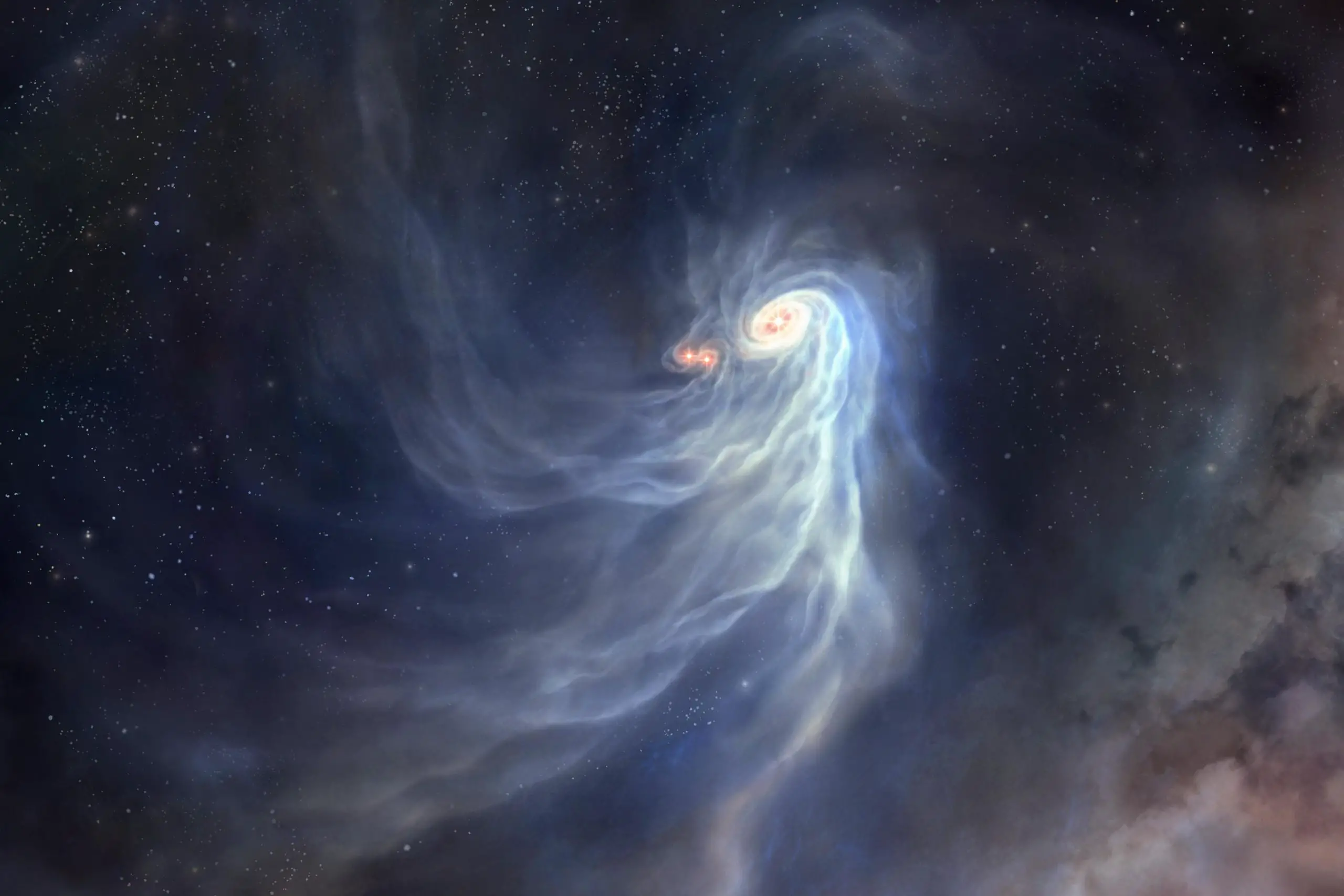
Astronomers have made a significant discovery in understanding the formation of stars and planets by observing three large spiral arms distributing materials to early-stage stars in a developing triple stellar system. The spiral arms act as "streamers," supplying gas to the young stars, which grow by absorbing it. This finding provides valuable insights into the origins of streamers and sheds light on the complexities of multiple stellar systems. The researchers used radio telescopes and computer simulations to support their observations and hope to determine if their findings are an anomaly or a common process in star formation.

science-and-astronomy2 years ago

"James Webb Telescope's Mesmerizing View of the Whirlpool Galaxy"

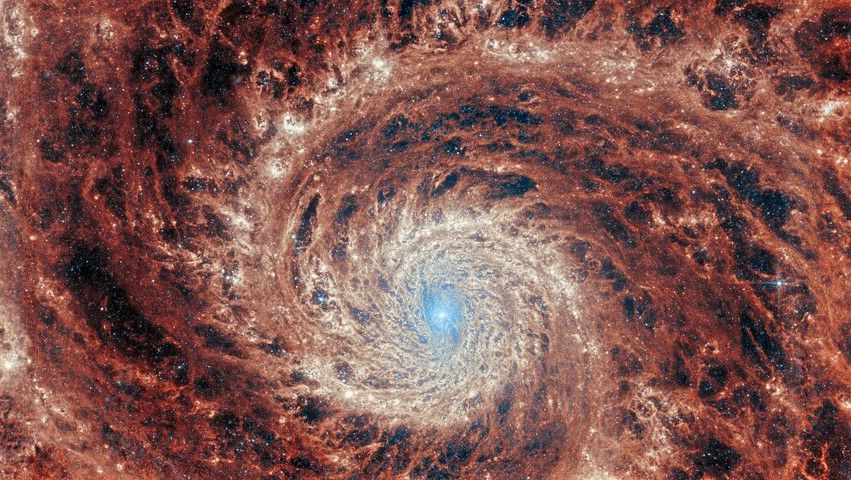
The James Webb Space Telescope has captured a stunning image of the Whirlpool galaxy, also known as M51 or NGC 5194, located 27 million light-years away from Earth. The image reveals the intricate spiral arms of the galaxy, which are believed to be influenced by its nearby dwarf galaxy companion, NGC 5195. The telescope used its infrared instruments to capture the image, showcasing warm filamentary dust and ionized gas in vibrant colors. The composite image combines data from the Near-Infrared Camera and the Mid-Infrared Instrument, providing a detailed view of the galactic structure. This observation is part of a series aimed at studying the interplay between stellar feedback and star formation in extragalactic environments.

astronomy2 years ago

Unraveling the Enigma: Astronomers Uncover Planet Behind Spiral Arms

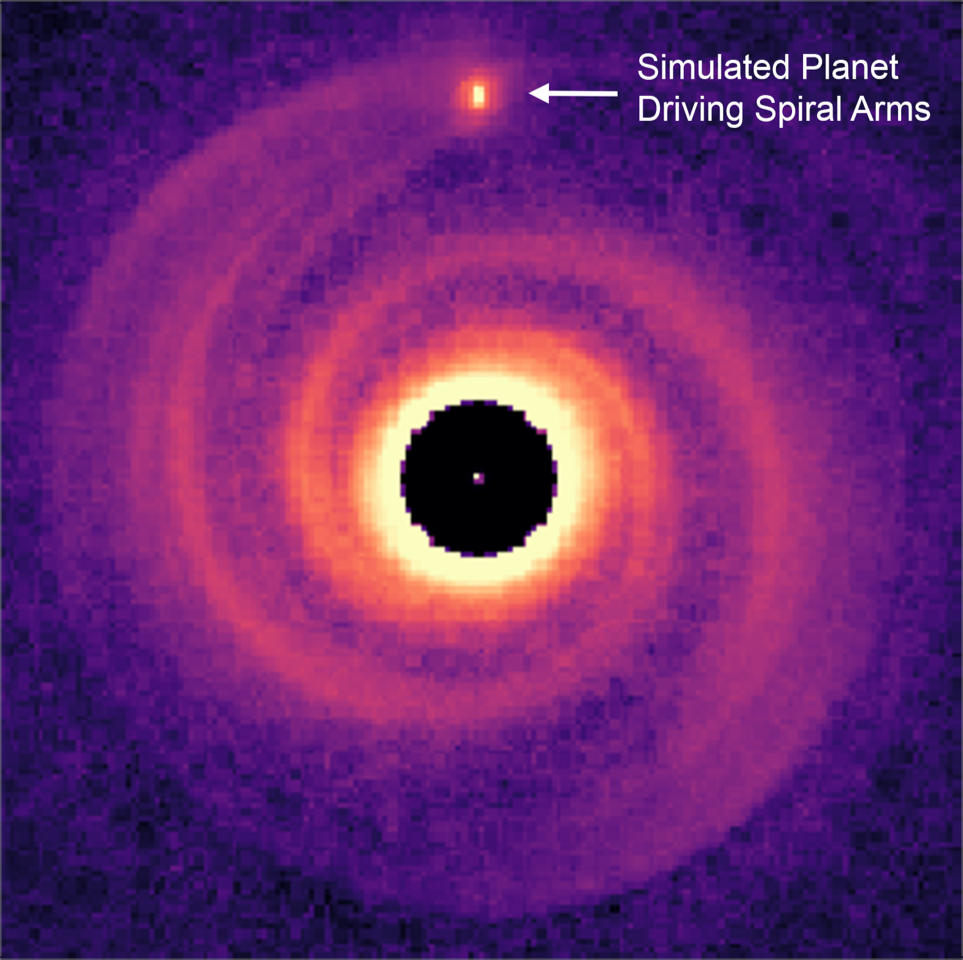
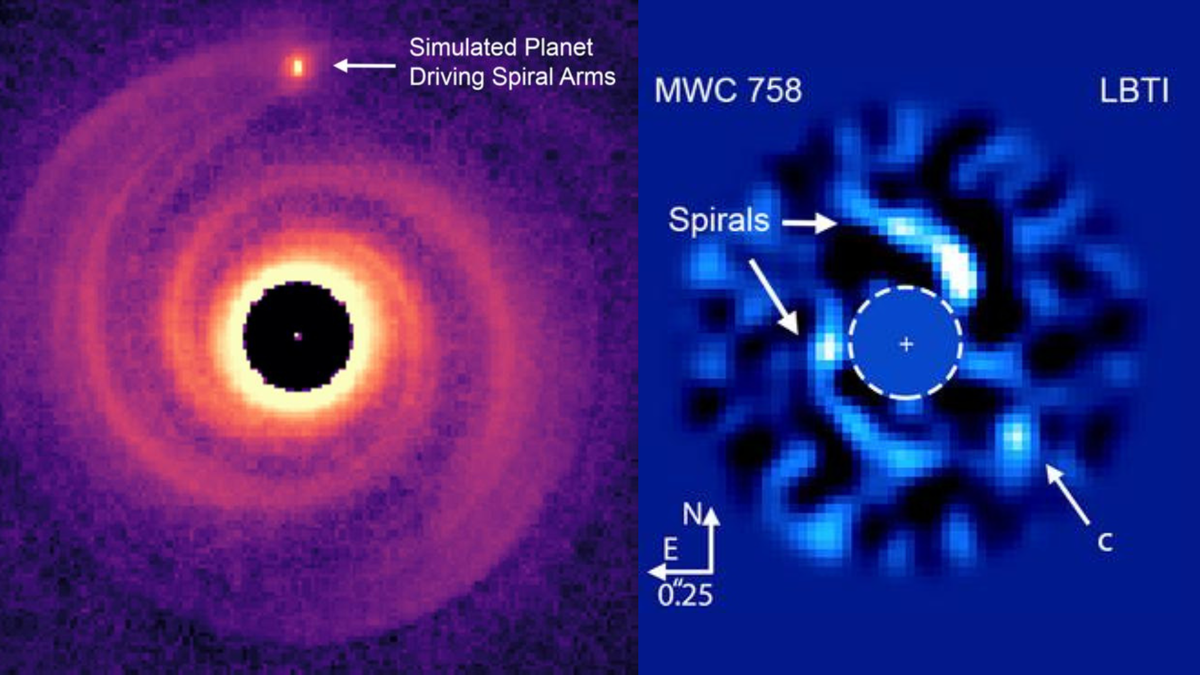
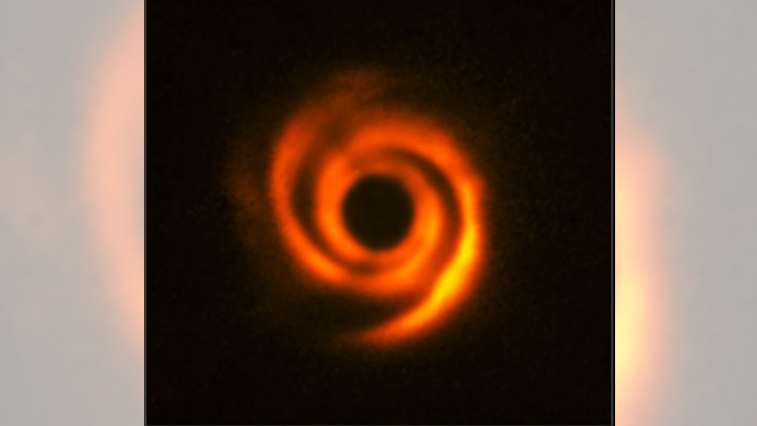
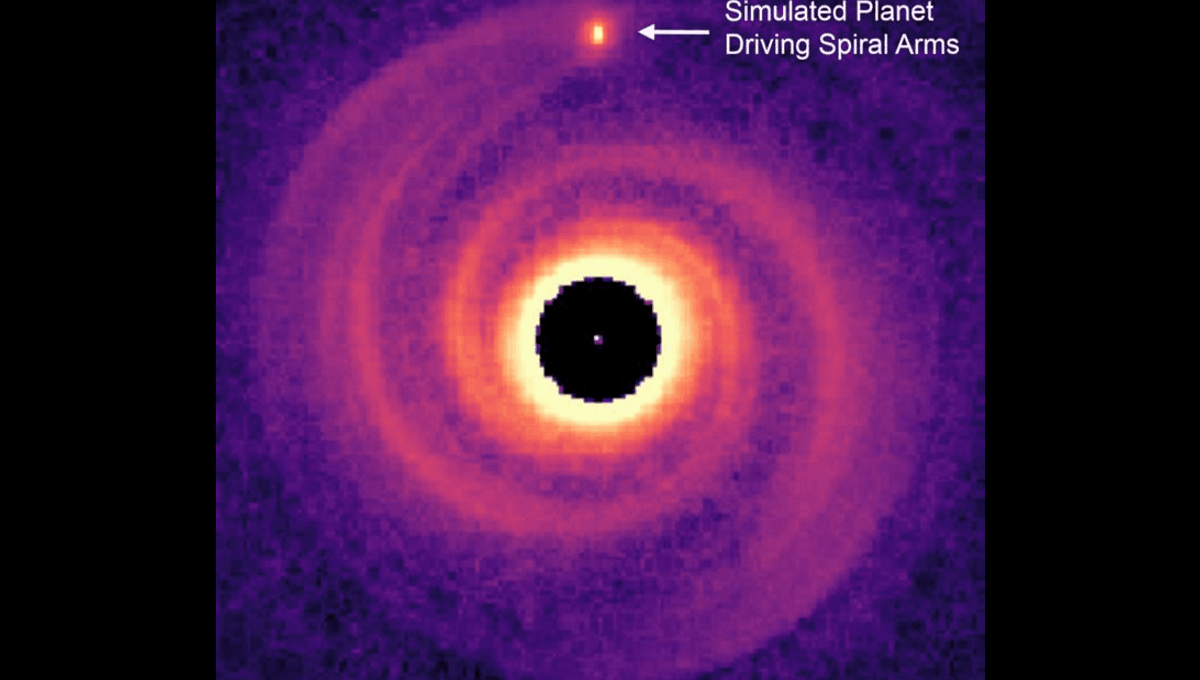
Astronomers from the University of Arizona have discovered a giant exoplanet, MWC 758c, that is believed to be responsible for the spiral arms observed in its infant planetary system. This finding provides evidence that giant planets can generate spiral arms in protoplanetary disks. The planet's red color, making it difficult to detect, suggests it may be enshrouded by dust or colder than expected. The researchers plan to use the James Webb Space Telescope in 2024 to further study the planet and determine its characteristics. This discovery could help refine planet formation models and improve exoplanet detection strategies.

astronomy2 years ago

Mapping the Spiral Arms of the Milky Way through Chemical Analysis

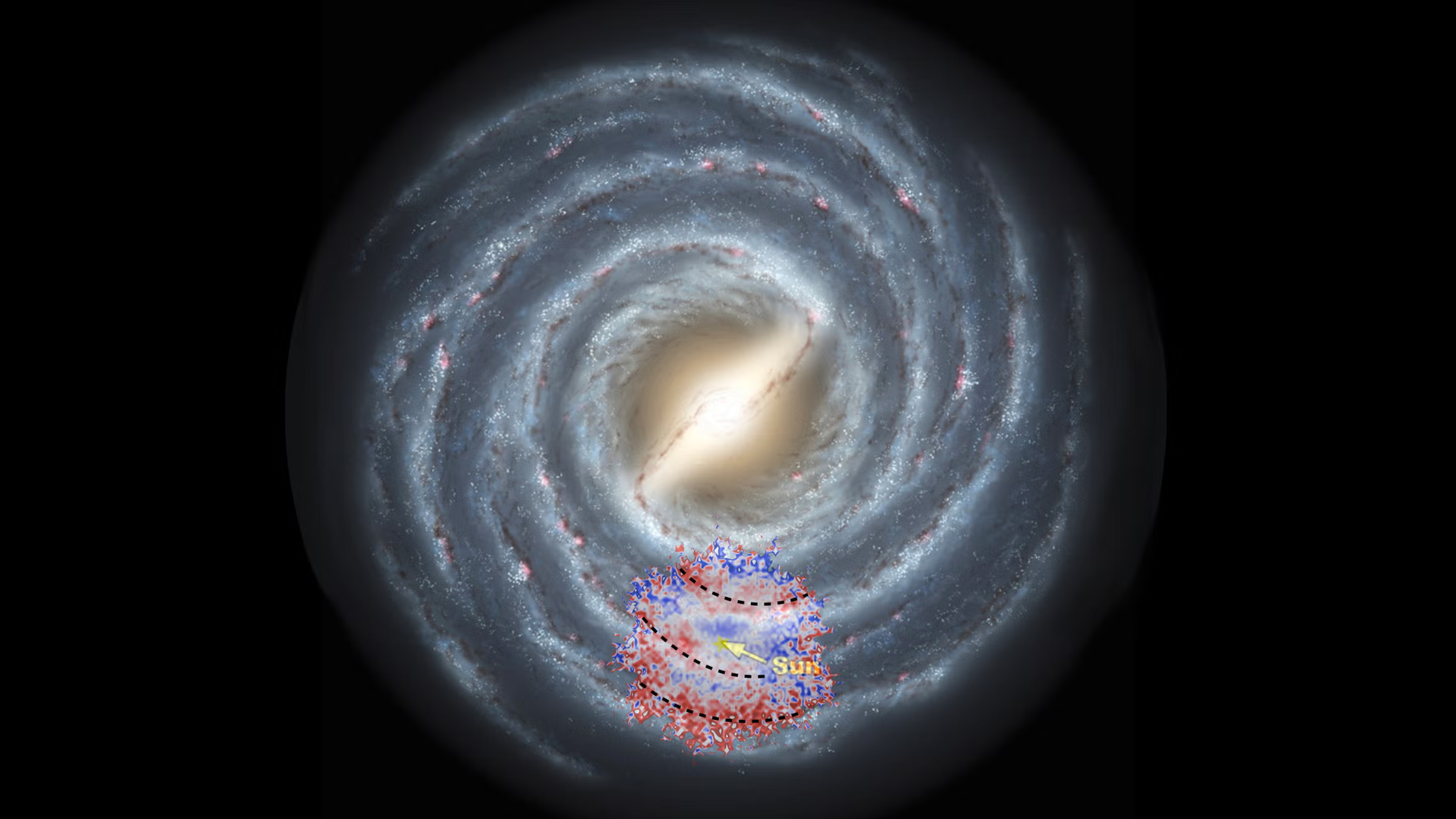
Astronomer Keith Hawkins has used chemical cartography to identify previously undetected regions of the Milky Way's spiral arms. Chemical maps, which show the distribution of elements in the galaxy, allow astronomers to locate celestial objects based on their chemical composition. By mapping the metallicity (ratio of metals to hydrogen) in the Milky Way, Hawkins found that areas with higher metallicity aligned with the spiral arms, confirming their existence. This technique has the potential to transform our understanding of the galaxy's structure and formation. The Gaia space telescope, along with other powerful telescopes, is revolutionizing the study of the Milky Way by providing precise and comprehensive data on its chemical composition.

science-and-astronomy2 years ago

Exoplanet's Spiral Arms: A Cosmic Sculptor's Masterpiece

Astronomers have discovered a giant exoplanet, MWC 758c, that is responsible for shaping the spiral arms in the protoplanetary disk around its parent star. This red-hued exoplanet, located around 500 light-years from Earth, is estimated to be just a few million years old. The discovery provides evidence that giant planets can form early on and gravitationally alter their environment for the formation of smaller planets. The researchers plan to use the James Webb Space Telescope in 2024 to further study this system and apply their findings to other stellar systems.

astronomy2 years ago

Mapping the Milky Way's Spiral Arms through Chemical Analysis

Astronomer Keith Hawkins has used chemical cartography to identify previously undetected regions of the Milky Way's spiral arms. Chemical maps, which show the distribution of elements throughout the galaxy, allow astronomers to locate celestial objects based on their chemical composition. By analyzing the metallicity (ratio of metals to hydrogen) of stars, Hawkins created a map that revealed new regions of the spiral arms. This pioneering technique, made possible by powerful telescopes like the Gaia space telescope, has the potential to transform our understanding of the Milky Way's structure and formation.

astronomy2 years ago

Unraveling the Mystery of a Star's Tentacle-Like Arms

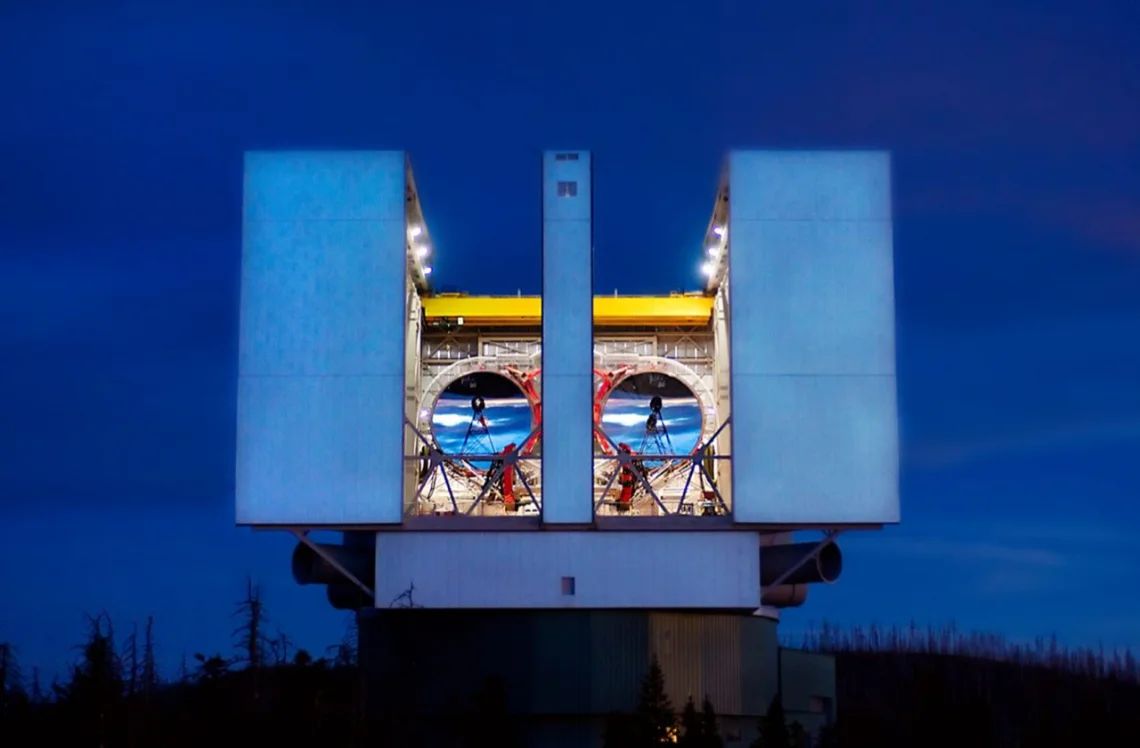
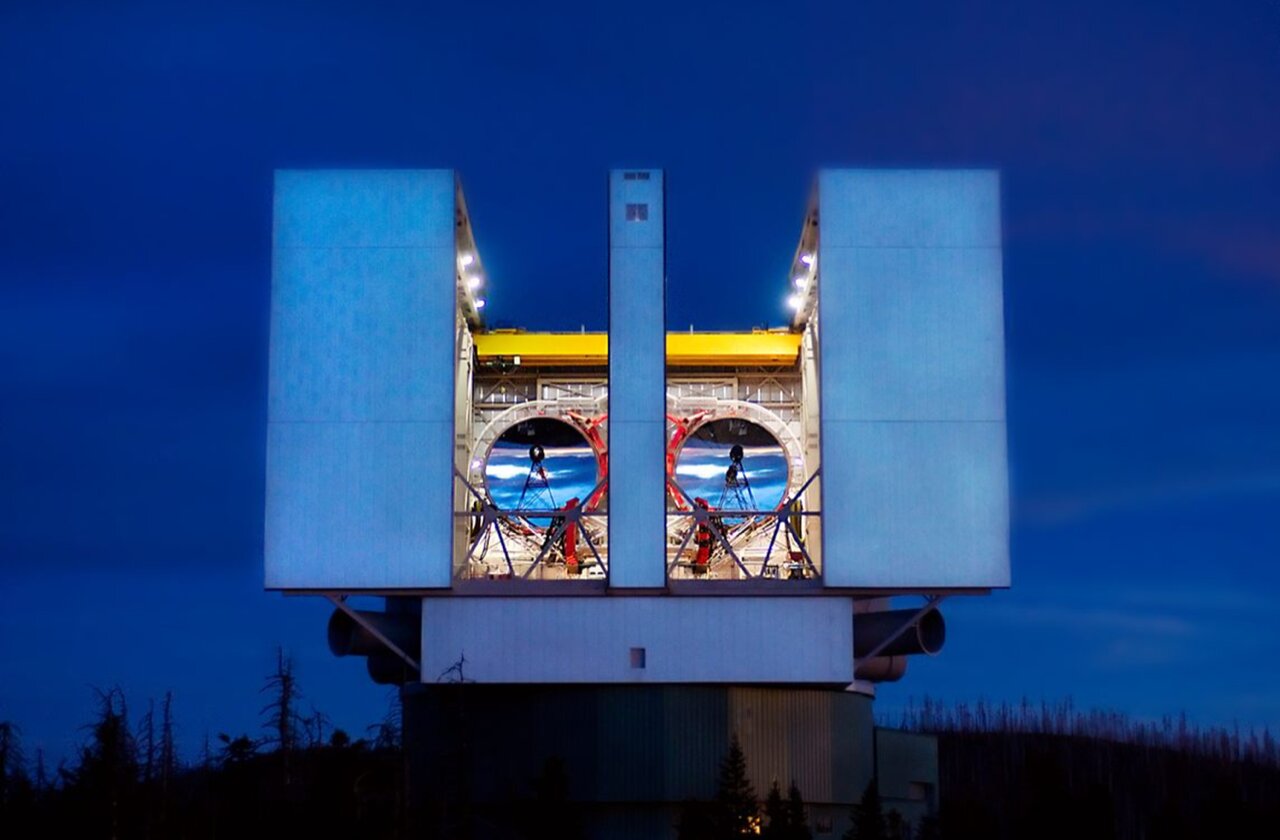
Astronomers have discovered a gas giant exoplanet within the spiral arms of a young star, providing evidence that these arms are caused by giant planets. The star, surrounded by a protoplanetary disk, is still in the process of forming and the gravity of the exoplanet, named MWC 758c, is drawing debris from the disk into the arms. This observation supports the theory that giant planets form early on and play a role in the formation of planetary systems. The discovery was made using the Large Binocular Telescope Interferometer (LBTI), which scans longer, redder wavelengths in the infrared range.

astronomy2 years ago

Mysterious Star System Reveals Spiral Arms and Hidden Planet

A new study published in Nature Astronomy suggests that giant planets may be responsible for the formation of spiral arms in star systems. The researchers used a computer simulation to model how the gas giant exoplanet MWC 758c could have sculpted the protoplanetary disk in which it resides, stretching the surrounding gas into long arms. The redness of MWC 758c made it difficult to detect, but the team used a red-sensitive telescope to confirm its existence. The findings could help in the search for hidden planets in other stellar systems, with further observations planned using the James Webb Space Telescope.

astronomy2 years ago

Mysterious Star System Conceals Hidden Planet in Galaxy-like Arms

A new study published in Nature Astronomy suggests that a giant planet, MWC 758c, may be responsible for the spiral arms observed in a distant star system. The gas giant's gravitational pull is believed to have stretched the surrounding gas in the protoplanetary disk, creating the spiral arms. The planet's redness made it difficult to detect, but the researchers used a red-sensitive telescope to confirm its existence. The findings could help in identifying hidden planets in other stellar systems.

space2 years ago

Exoplanet Forms Spiral Arms Around Young Star in Astronomical Discovery

Astronomers have used the Large Binocular Telescope in Arizona to observe a giant exoplanet named MWC 758c, which appears to be creating spiral arms around its host star. This discovery provides evidence that these structures can be formed by recently formed exoplanets. The researchers plan to use the James Webb Space Telescope to further study the system and learn more about the formation of planetary systems.

astronomy2 years ago

"Red Planet's Discovery Unveils Secrets of Spiral Arms in Emerging Star System"

A giant planet, MWC 758c, twice the mass of Jupiter, has been discovered within the protoplanetary disk of a very young star system, explaining the presence of swirling spiral arms. The planet's redness raises questions about its temperature and the possibility of it being enshrouded by dust. If the planet is cold, it would challenge current understanding of planet formation, while if it is surrounded by dust, it could contribute to the formation of moons. Further observations using the Large Binocular Telescope Interferometer and the James Webb Space Telescope are planned to investigate these mysteries.

astronomy2 years ago

"Surprising Discovery: Massive Exoplanet Discovered in Plain Sight"

Astronomers have discovered a massive exoplanet, MWC 758c, which they believe is responsible for creating spiral "arm" patterns in protoplanetary disks near the center of the Milky Way. These patterns are thought to be the birthplace of planetary systems, and scientists now have direct evidence that interactions with nascent planets can cause these spiraling patterns.

astronomy2 years ago

Elusive Planet Unveiled as Architect of Spiral Arms

Astronomers have discovered a giant exoplanet, MWC 758c, that is responsible for generating spiral arms in its infant planetary system. This finding provides solid evidence that spiral arms in protoplanetary disks are caused by giant planets. The planet's star is located about 500 light-years away from Earth and is only a few million years old. The researchers were able to detect the planet using the Large Binocular Telescope Interferometer (LBTI), which can observe longer wavelengths in the mid-infrared range. The planet's unexpected red color made it invisible to other telescopes. Further observations with the James Webb Space Telescope (JWST) will help determine whether the planet is colder than expected or enshrouded by dust. This discovery opens up new possibilities for detecting hidden planets and revising planet formation models.