Tag

Spike Protein

All articles tagged with #spike protein

health1 year ago

Spike Protein's Role in Long COVID Brain Effects Uncovered

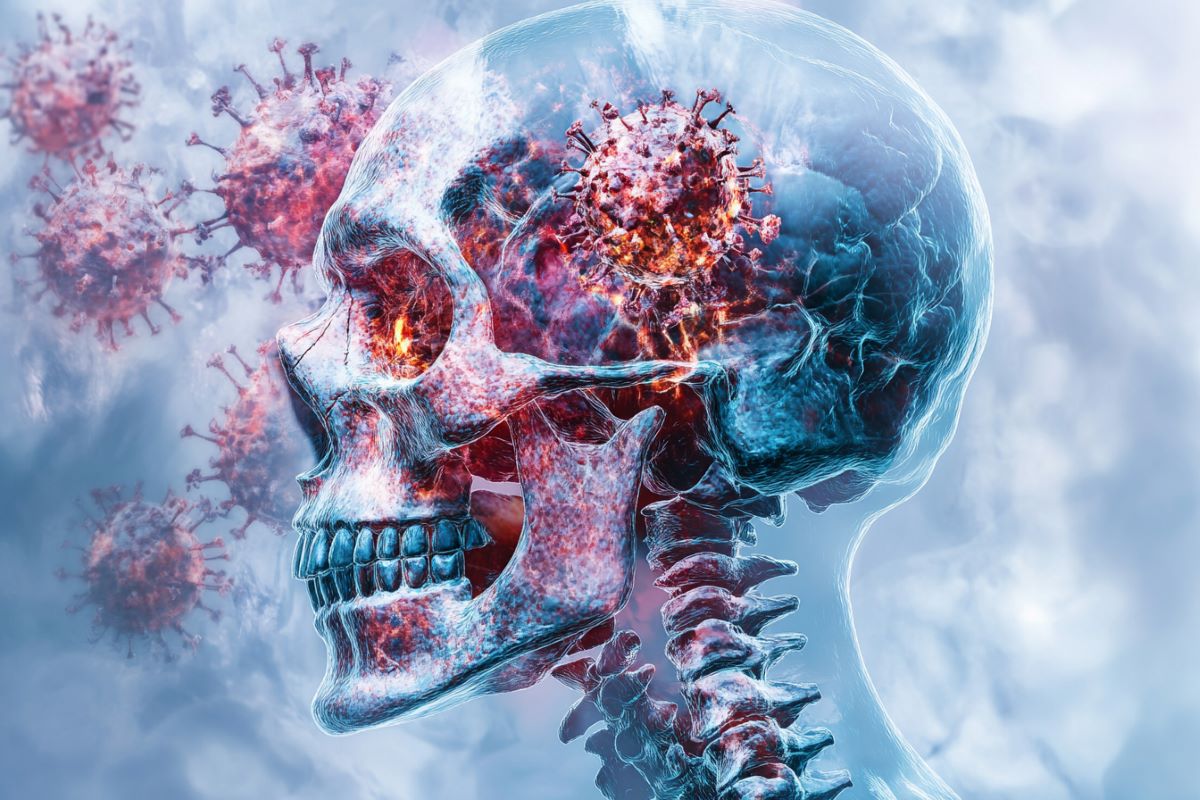
A study by Helmholtz Munich and LMU reveals that the SARS-CoV-2 spike protein can persist in brain-protective tissues and skull bone marrow for years, potentially causing long COVID's neurological symptoms. The research shows that mRNA vaccines reduce spike protein accumulation by 50%, but residual proteins may still pose risks, highlighting the need for new therapies and diagnostic tools. The findings suggest that persistent spike protein could lead to chronic brain inflammation and increased risks of neurodegenerative diseases, emphasizing the importance of addressing long-term COVID-19 effects on brain health.
health1 year ago

"Nanoparticles' Multi-Variant COVID Attack: Targeting Spike Protein Twist"

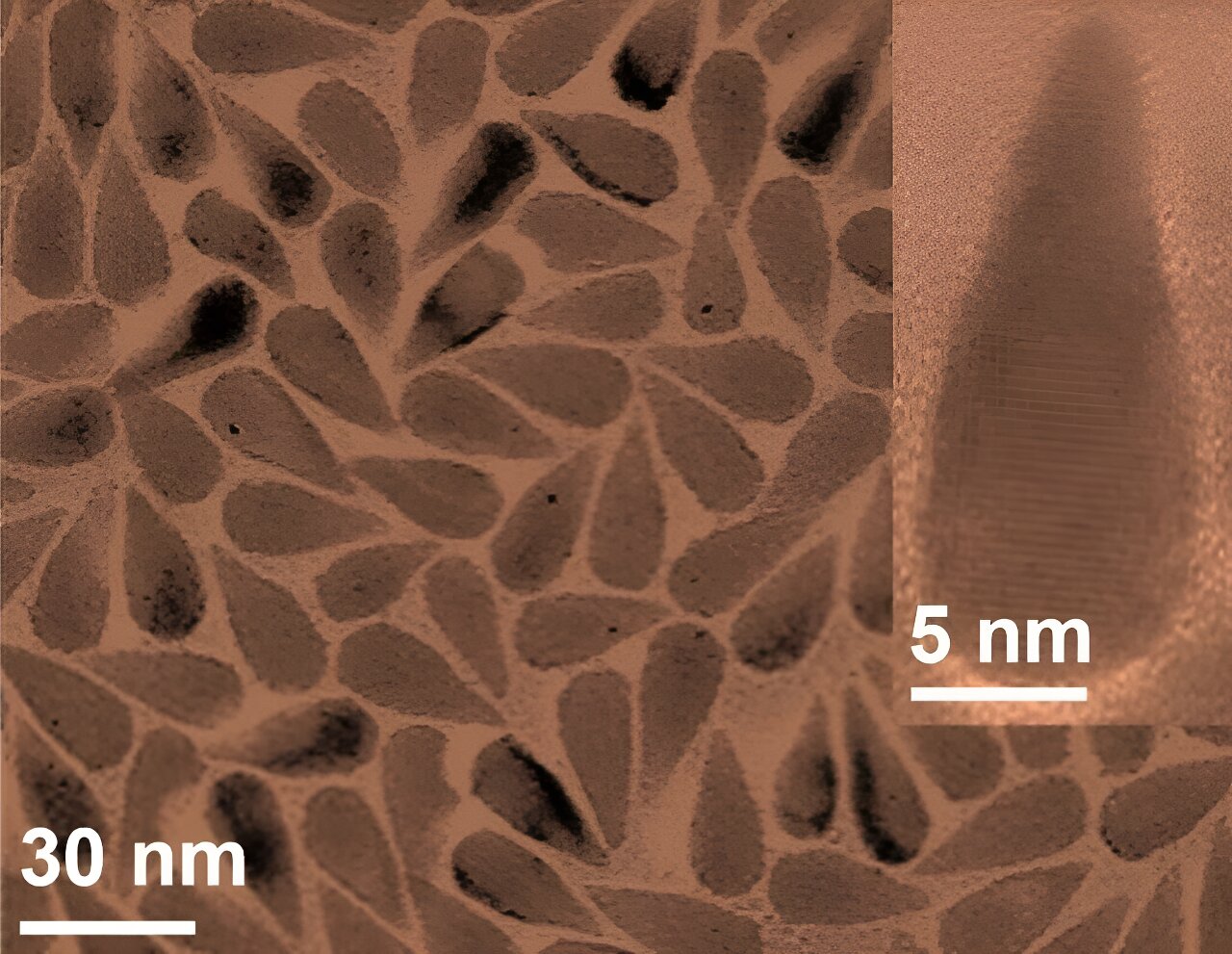
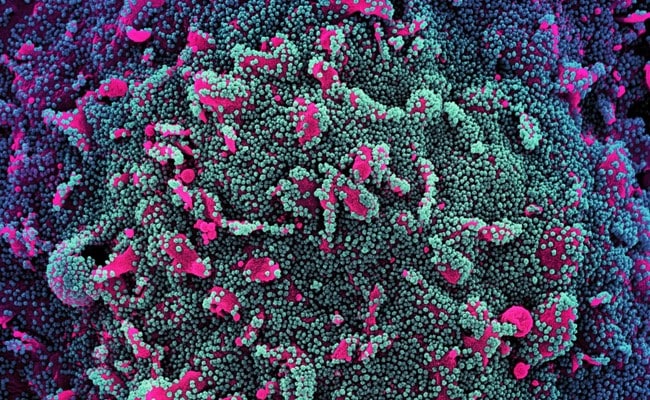
Teardrop-shaped nanoparticles have been designed to inactivate multiple strains of the SARS-CoV-2 virus, potentially complementing existing COVID-19 treatments. These particles target the twist in the spike protein, making it unable to enter cells. The nanoparticles have shown promise in clearing 95% of viruses from the lungs of infected mice and could be beneficial for vulnerable individuals during outbreaks. Further research is needed to understand their potential side effects and expulsion from the human body.

health2 years ago

Rapid Spread of JN.1 Covid Variant Raises Concerns

The JN.1 variant of COVID-19, which is believed to be more infectious, has been detected in Kerala, India. The variant, also known as BA.2.86 or Pirola, has caused a surge in infections worldwide. However, health authorities have stated that there is no need to panic, but vigilance is crucial. Symptoms of the variant include fever, runny nose, sore throat, headache, and mild gastrointestinal problems. Vaccinations targeting the spike protein of the virus should still be effective against this variant. Individuals are advised to wear masks, undergo testing if they experience viral infection symptoms, and isolate themselves if necessary.

science-and-technology2 years ago

Unraveling the Mechanisms Behind Covid's Increased Infectiousness

Scientists at EPFL have discovered that SARS-CoV-2 manipulates a cellular enzyme called ZDHHC20 to increase its infectivity. The virus triggers a change in the transcription of the gene responsible for this enzyme, resulting in an enzyme with increased lipid-adding activity on the spike protein. This enhances the virus's ability to invade cells and infect the host. The study suggests that SARS-CoV-2 hijacks a pre-existing cell damage response pathway to generate more infectious viruses, providing insights for potential treatments and indicating that other viruses may use similar strategies.

health2 years ago

The Concerning Rise of Covid Variant JN.1: What You Should Know

The JN.1 variant, a descendant of the BA.2.86 variant, is causing concern among scientists due to its potential for increased infectivity and vaccine evasion. Detected in the United States and 11 other countries, this variant is contributing to a surge in COVID-19 infections globally. However, the CDC reassures that JN.1 and BA.2.86 are rare and make up less than 0.1% of SARS-CoV-2 viruses. The spike protein, which is targeted by vaccines, has a single change in JN.1 compared to BA.2.86. The CDC believes that updated vaccines will likely provide protection against both variants, and treatments and testing should remain effective. Monitoring for the impact of new variants on vaccines, tests, and treatments continues, with prompt public alerts if any concerning developments arise.

health2 years ago

Understanding JN.1: The New COVID Variant Demystified

JN.1 is a new COVID-19 variant that has been detected in several countries, including the U.S. It is a descendant of the BA.2.86 variant and has an additional mutation on its spike protein. While there is no data suggesting that JN.1 causes different symptoms than previous variants, there are concerns about its potential for increased transmissibility. Currently, JN.1 makes up less than 0.1% of COVID-19 viruses, but it is gaining steam in other countries. The effectiveness of the COVID-19 vaccine against JN.1 is still uncertain, but the updated vaccine is expected to provide protection against severe disease. To protect against JN.1 and other variants, it is recommended to get vaccinated, consider wearing masks in public indoor spaces, and seek antiviral medication if infected.

health2 years ago

JN.1: Unraveling the Latest COVID Variant

JN.1 is a new COVID-19 variant that has been detected in several countries, including the U.S. It is a descendant of the BA.2.86 variant and has an additional mutation on its spike protein. While there is no data suggesting that JN.1 causes different symptoms than previous variants, there are concerns about its transmissibility. Currently, JN.1 makes up less than 0.1% of COVID-19 viruses, but it is gaining steam in other countries. The effectiveness of the COVID-19 vaccine against JN.1 is still uncertain, but the updated vaccine is expected to provide protection. To protect against JN.1 and other variants, it is recommended to get vaccinated, consider wearing masks in public indoor spaces, and seek antiviral medication if infected.

health2 years ago

SARS-CoV-2 BA.2.86 spike: Antigenicity, receptor affinity, and global spread

A new subvariant of the SARS-CoV-2 virus, BA.2.86, has emerged with 34 additional mutations in its spike protein. However, it is not more resistant to human sera compared to the currently dominant variants, indicating that it may not have a growth advantage. Sera from patients who had breakthrough infections with the XBB variant exhibited robust neutralizing activity against all tested viruses, suggesting that upcoming XBB monovalent vaccines could provide added protection. The BA.2.86 spike showed greater resistance to certain monoclonal antibodies but was more sensitive to others. Additionally, it had a remarkably high receptor affinity. The global spread of this new variant is concerning, and further surveillance is needed to determine its trajectory.

science-and-technology2 years ago

Unraveling COVID-19: Exploring the Significance of SARS-CoV-2 Fusion Peptide

The fusion peptide on the SARS-CoV-2 spike protein plays a crucial role in COVID-19 infection, according to a study by researchers at the University of Missouri. The fusion peptide facilitates the bond between the virus and human host cells, leading to infection transmission. The study aimed to understand the insertion mechanisms of the fusion peptide and its impact on the host cell membrane. Researchers found that the fusion peptide is highly conserved across different viral strains and can effectively enter human cells via the endocytic pathway. The findings could aid in the development of COVID-19 vaccines by identifying targets for vaccine development and potential strategies for delivering therapeutics through cell membranes.

health2 years ago

COVID-19 Vaccination and Mutated Variant: Scientists Concerned about Leaky Protection

Scientists are closely monitoring a highly mutated coronavirus variant called BA.2.86, which has been detected in several countries. The variant carries numerous changes to its spike protein, making it different from other circulating variants. While it is still rare, its emergence is reminiscent of the early days of the Omicron variant. Researchers are investigating the variant's potential to evade neutralizing antibodies triggered by previous infections and vaccines. Although it is too early to determine its impact, scientists believe that widespread immunity and booster vaccines will likely prevent BA.2.86 from causing the same level of disruption as Omicron. Further research is needed to understand the variant's prevalence and public health impact.

health2 years ago

Unprecedented Mutation: Scientists Uncover the Most Mutated Covid Variant

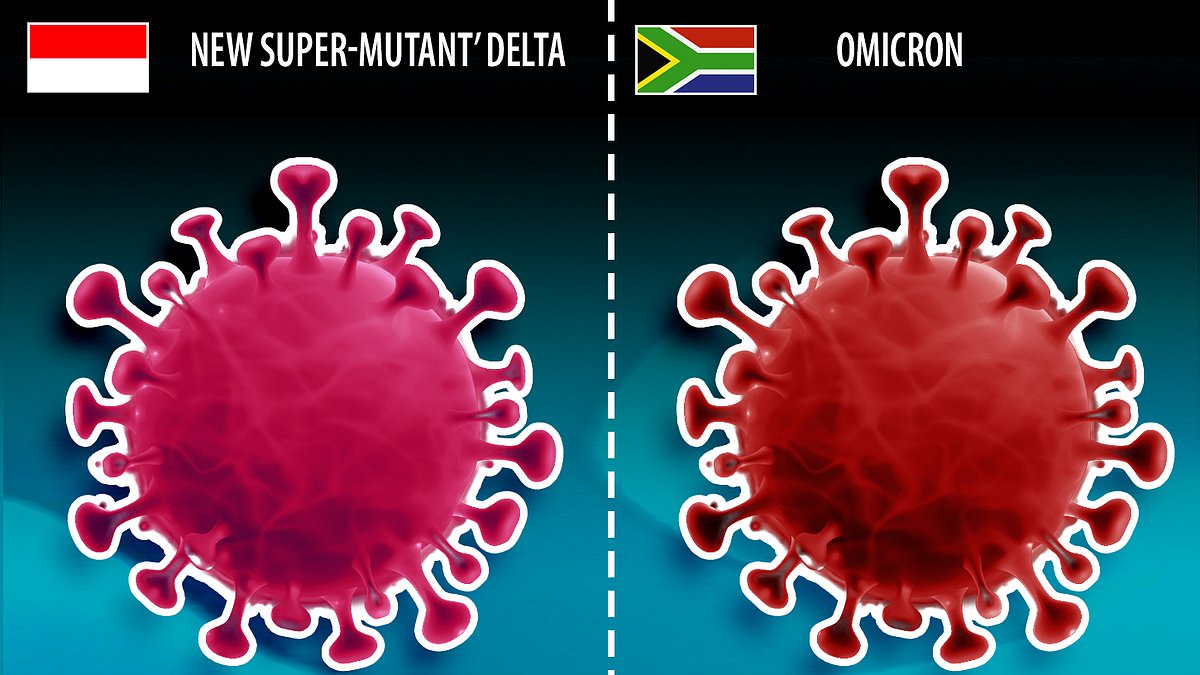
Scientists have identified a highly mutated version of the Delta variant of Covid-19 in Indonesia, with 113 unique mutations, including 37 affecting the spike protein. This variant, believed to have originated from a case of chronic infection, has raised concerns about its potential to evade natural immunity and vaccine protection. However, experts emphasize that there is currently no evidence to suggest that this variant will become dominant or require lockdown measures. The discovery highlights the importance of ongoing genetic surveillance to detect emerging variants and assess their potential threat.

science2 years ago

Advancements in SARS-CoV-2 Treatment and Testing Strategies.

Researchers have used cryo-electron microscopy to determine the structure of the postfusion spike protein of SARS-CoV-2 in a lipid bilayer, providing insight into the functionally critical membrane-interacting segments of the protein. The fusion peptide forms a hairpin-like wedge that spans almost the entire lipid bilayer, while the transmembrane segment wraps around the fusion peptide at the last stage of membrane fusion. These findings may guide the development of intervention strategies against the virus.

health2 years ago

COVID Brain Study Finds No Link to Vaccines or Excess Deaths

A pre-print study conducted by German researchers and not yet peer-reviewed, looked into the presence of the COVID-19 virus’ spike protein in the brain following infection. The paper did not explore vaccine side effects, a co-author confirmed. Claims linking the paper to vaccine side effects are a distortion. The study reveals the accumulation of the spike protein in the skull marrow, brain meninges, and brain parenchyma, which can contribute to changes in the brain and may explain the neurological symptoms associated with COVID-19.

health2 years ago

New Antibody Targets Omicron and Other COVID-19 Variants.

Researchers have identified an antibody, S728-1157, that appears to block infection by all dominant variants of the virus that causes COVID-19, including Omicron. The discovery could lead to more potent vaccines and new antibody-based treatments. The team found that the next generation of vaccines should try to stabilize the spike protein in a more open position to produce more broadly effective antibodies like S728-1157.

health2 years ago

Post-COVID-19 Memory Loss Linked to Spike Protein.

The spike protein responsible for COVID-19's entry into cells could be responsible for post-COVID memory loss, according to a study by researchers from the Federal University of Rio de Janeiro and UniRio. The study suggests that the TLR4 receptor is a potential therapeutic target for the symptoms. The study involved experiments with mice, where the researchers infused the Spike protein from SARS-CoV-2 into the brains of the animals. The results showed that the infusion induced delayed memory impairment, similar to post-COVID-19 syndrome in humans.