Tag

Spacecraft Design

All articles tagged with #spacecraft design

science-and-technology5 months ago

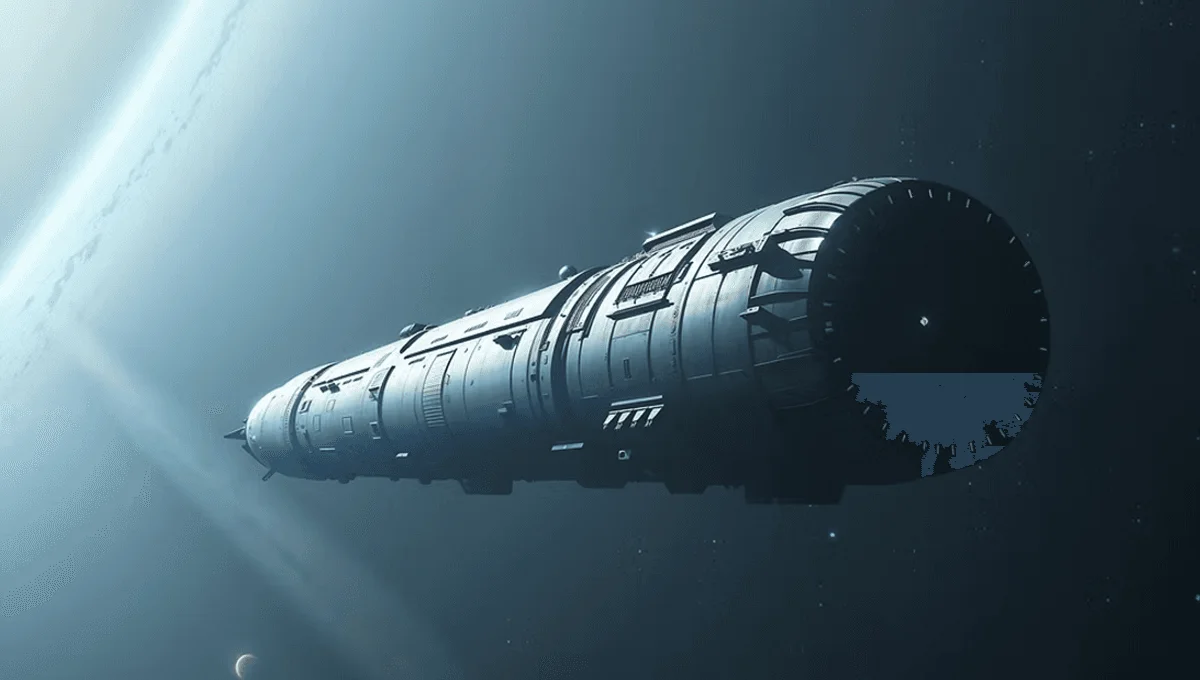
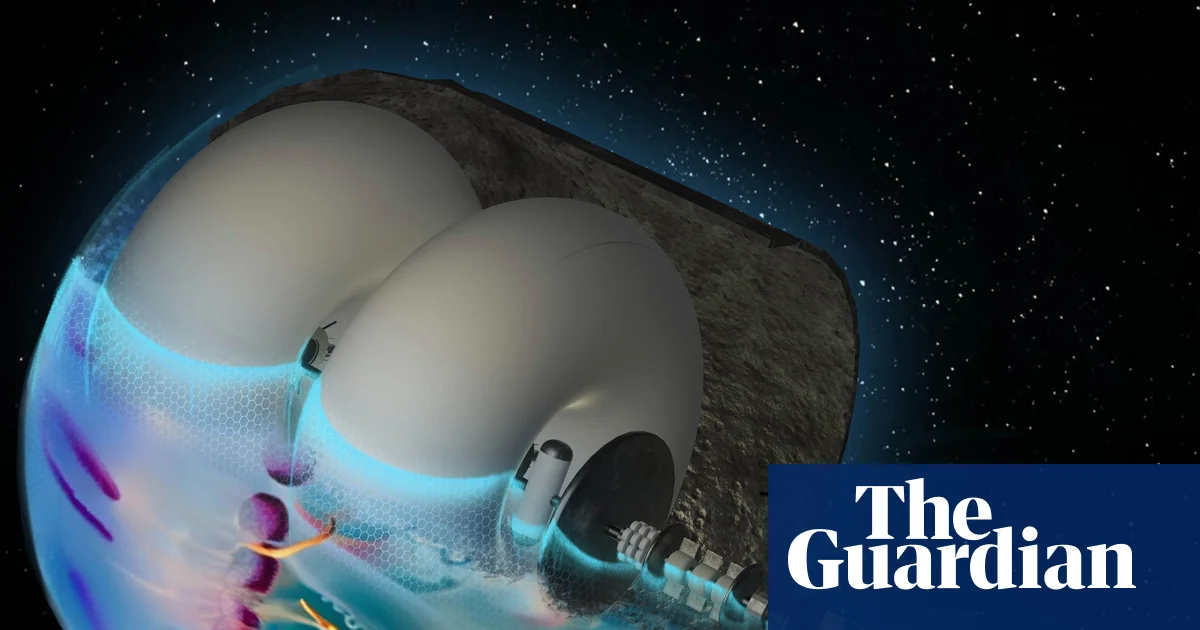
Innovative Spaceship Designs Paving the Way for Interstellar Travel

Experts have proposed innovative designs for interstellar generation ships, including jellyfish-shaped crafts and 3D-printed habitats, to support multi-generational space travel, emphasizing sustainability, psychological resilience, and evolving social structures, with the Chrysalis design winning for its detailed plan to enable crew survival and flourishing over centuries.

spacescience1 year ago

"NASA Halts Space Fire Experiment"

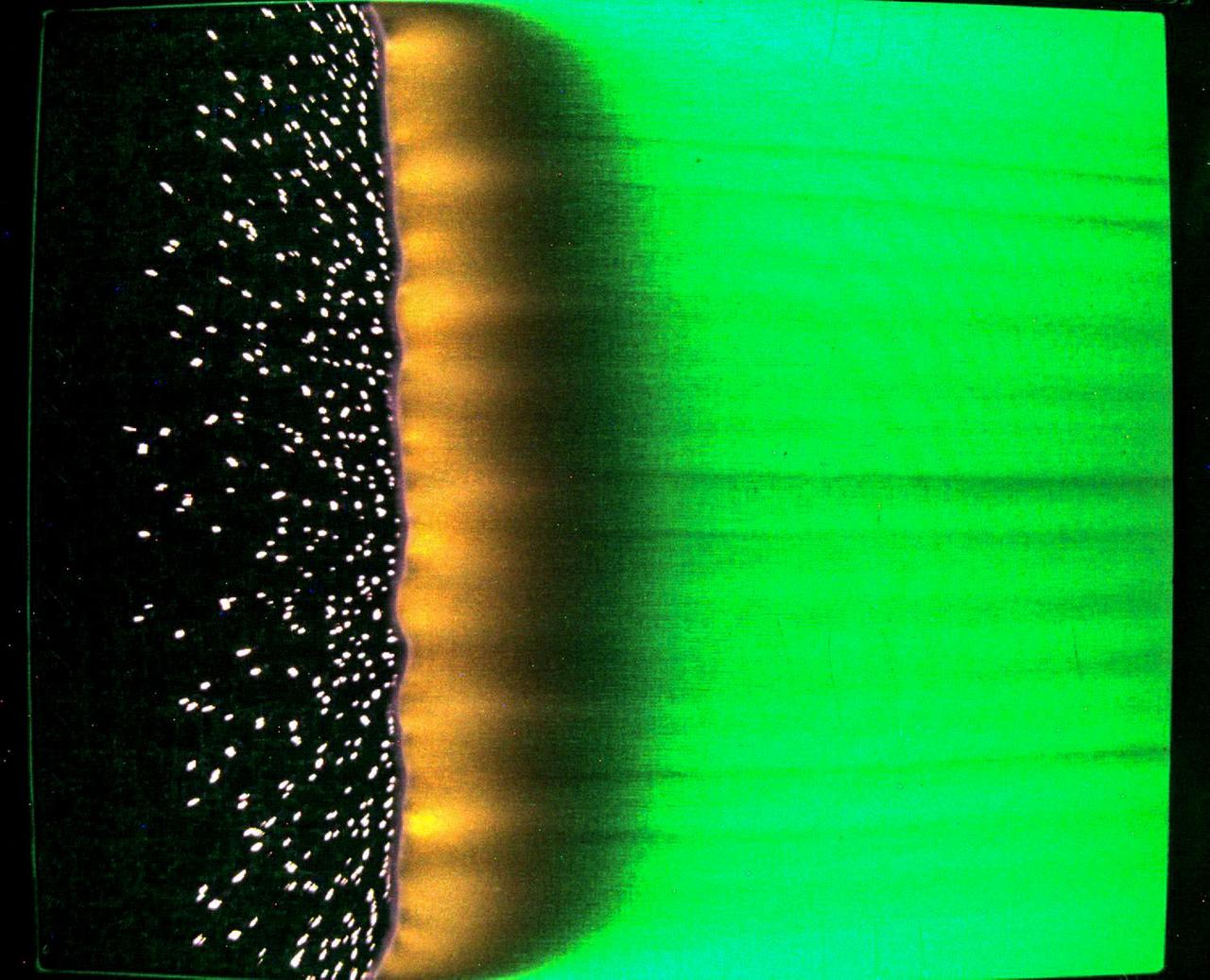
NASA concludes its Spacecraft Fire Safety Experiment (Saffire) with the final test onboard a Northrop Grumman Cygnus spacecraft after it departed from the International Space Station (ISS). The purpose of Saffire was to study large-scale flame growth and material flammability in an ISS-like environment, providing critical data for spacecraft design and astronaut safety. The experiments, including the recent Saffire-VI, have yielded valuable insights into fire behavior in microgravity, with the aim of informing future spacecraft and missions.

spacescience1 year ago

"NASA's Long-Running Spacecraft Fire Experiment Ends in Flameout"

NASA concludes its eight-year Spacecraft Fire Safety Experiment (Saffire) with the final mission, Saffire-VI, which took place on the International Space Station and ended with the safe re-entry of the Northrop Grumman Cygnus spacecraft. The experiments provided valuable insights into fire behavior in space, with researchers gathering data to enhance mission safety and inform future spacecraft and spacesuit designs. Despite the conclusion of the Saffire experiments, NASA has gained crucial knowledge that will aid in designing safer spacecraft for upcoming ambitious missions.

science-and-exploration2 years ago

Ariel's Journey: From Concept to Reality

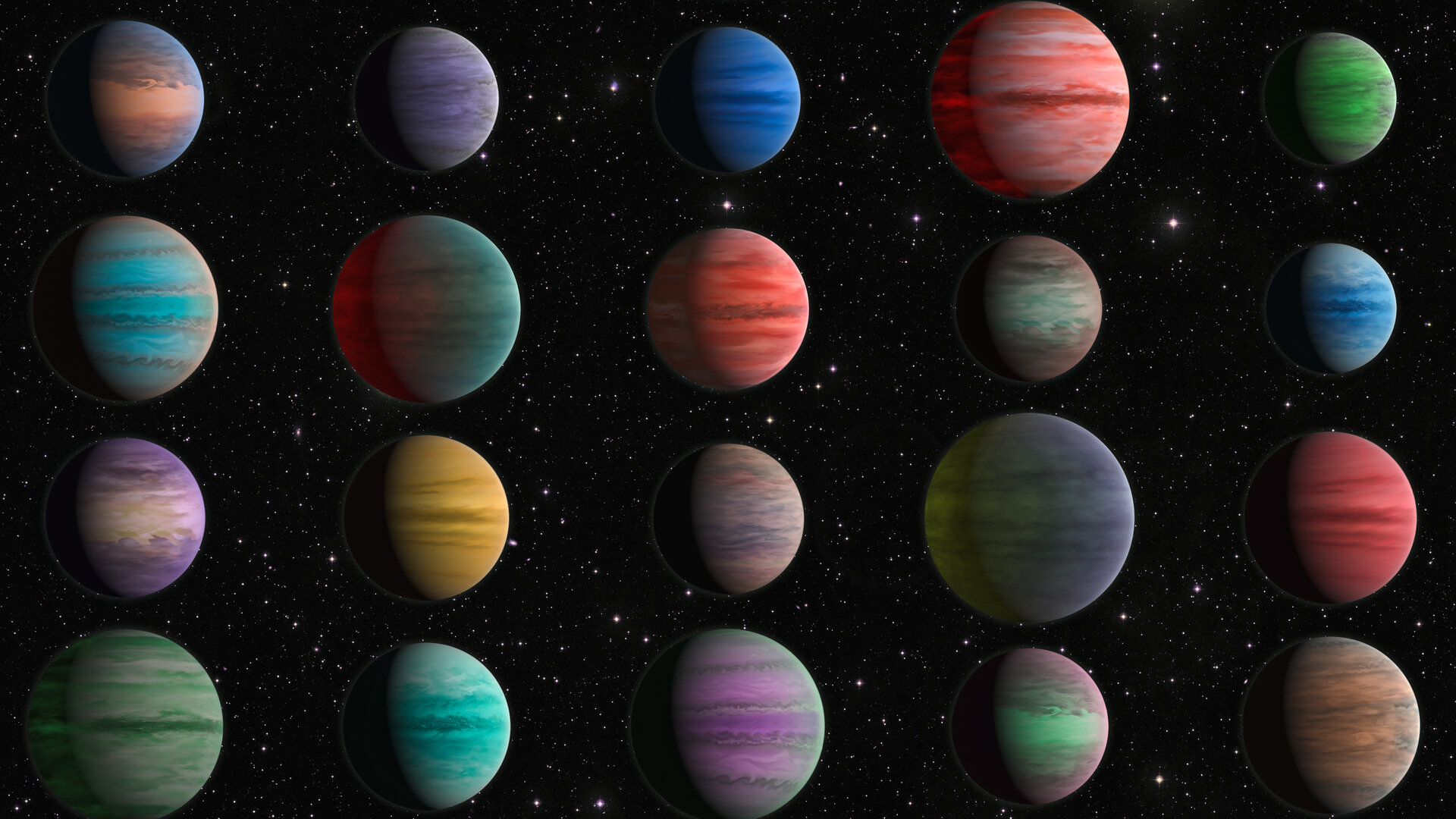
ESA's exoplanet mission, Ariel, has successfully completed the spacecraft preliminary design phase and is now moving into the construction phase. The mission's scientific payload, including a cryogenic telescope and two instruments, has already passed a crucial review. Airbus Defence and Space Toulouse will now begin manufacturing the first spacecraft prototypes. Ariel's structural model and avionics verification model will undergo testing before the actual flight model is built. The mission aims to observe up to 1000 exoplanets and study their atmospheres, including detecting signs of water vapor, carbon dioxide, and methane.

space-technology2 years ago

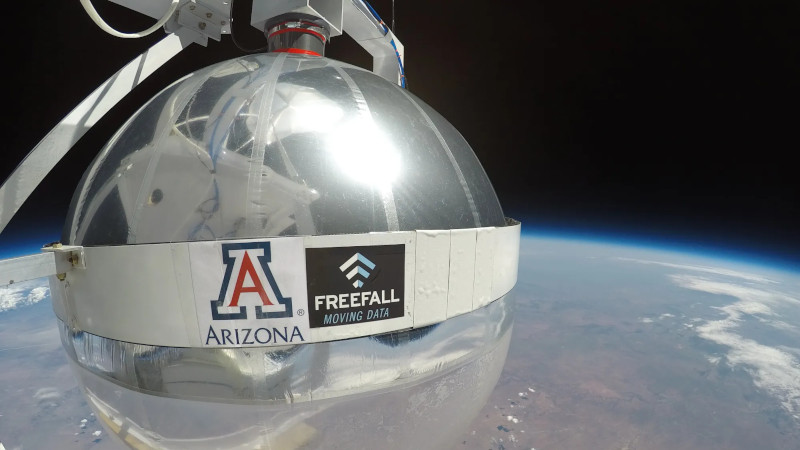
Inflatable Antennas: The Future of Low-Mass Space Communication

An engineering academic working for NASA has developed a new method for creating parabolic antennas for spacecraft by forming the parabolic reflector on the inside of an inflatable structure. This innovative approach allows for the construction of relatively large and lightweight antennas in space. While the article does not provide specific details on how the problem of spherical aberration will be addressed, potential solutions could involve designing the balloon with carefully shaped panels or using a feedhorn to correct for the effect of a spherical reflector.

space-exploration2 years ago

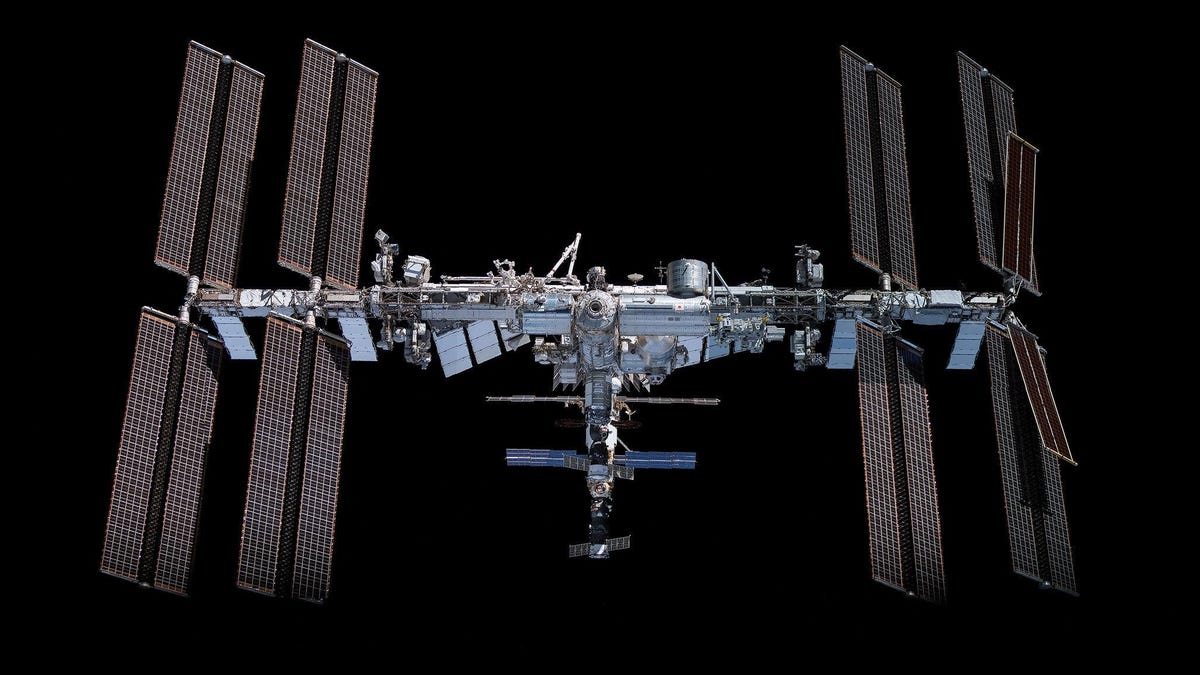
NASA Collaborates with Private Partners to Develop Deorbit Spacecraft for ISS Retirement

NASA has issued a request for proposals to private space companies in the US to design a spacecraft capable of safely deorbiting the International Space Station (ISS) by 2030. The spacecraft should be able to function on its first flight, possess redundancy and anomaly recovery capabilities, and serve as a "space tug" to lower the ISS's orbit for reentry into Earth's atmosphere. Previously, NASA had considered using Russia's Progress cargo spacecraft for deorbiting, but is now seeking a US capability for redundancy and improved targeting. The development, testing, and certification of the US Deorbit Vehicle will take several years. After the retirement of the ISS, NASA plans to maintain a presence in low Earth orbit through a commercial model.

space-technology2 years ago

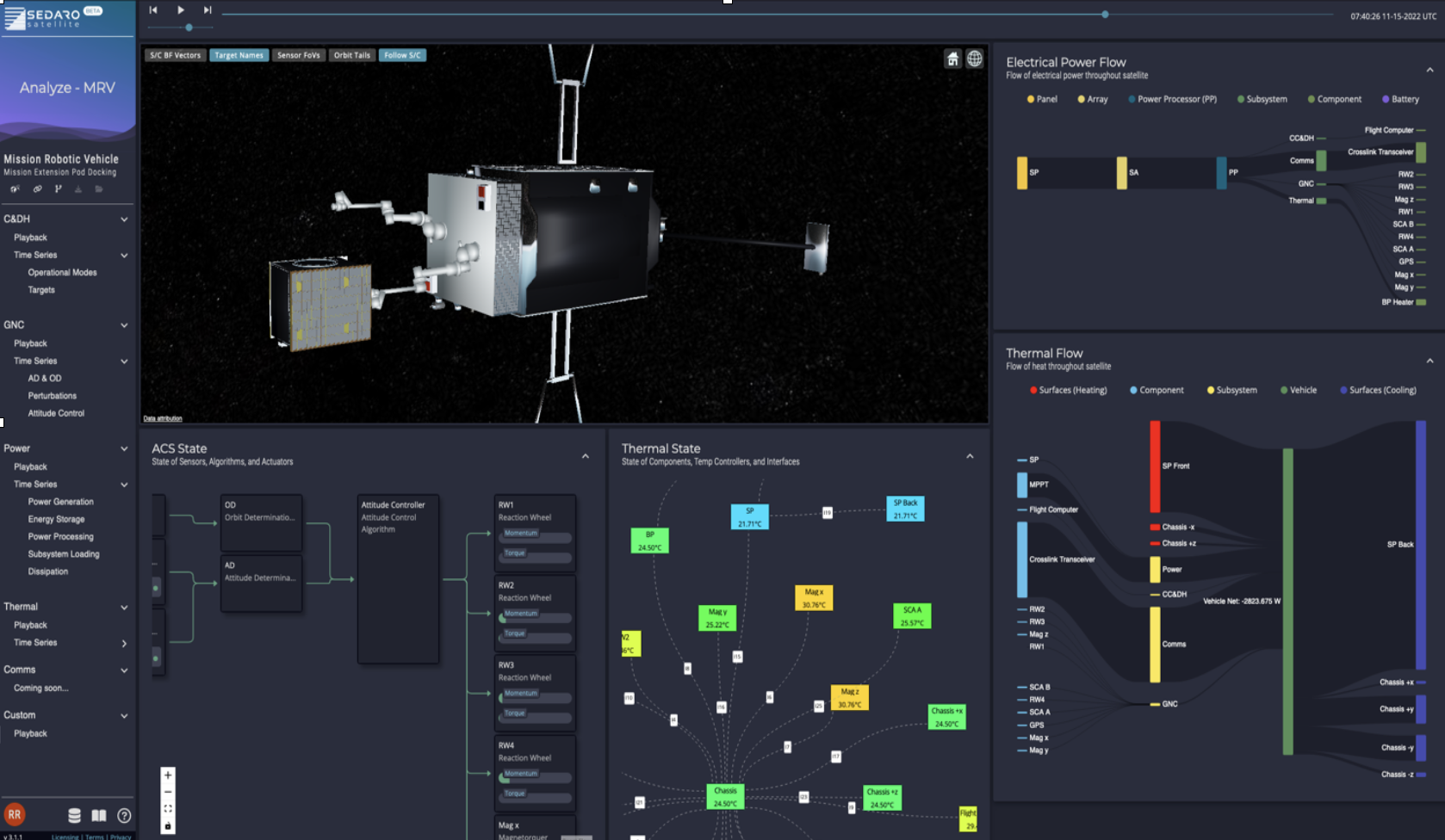
"Sedaro Secures Space Force Contract for Advanced Spacecraft Digital Twins"

Sedaro, a digital engineering software startup, has been awarded a $1.5 million contract by the Space Force to demonstrate the use of digital twins in spacecraft design. The project aims to model in-space servicing, assembly, and manufacturing (ISAM) scenarios using Sedaro's cloud-based platform. Sedaro will collaborate with Space Dynamics Laboratory and Draper Labs to inform the design of new features for ISAM technology. The goal is to develop digital twin software that accelerates and improves ISAM technology development and deployment, reducing the need for physical prototyping and testing.

spaceflight2 years ago

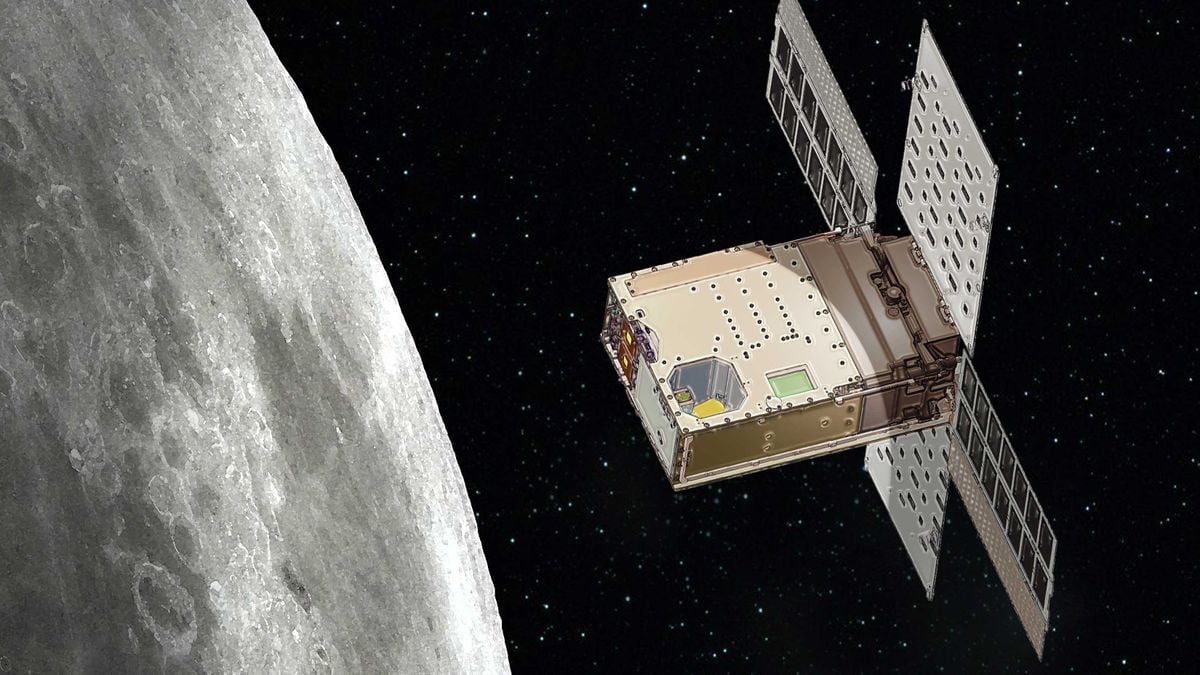
NASA's Lunar Flashlight probe faces critical one-month deadline.

NASA's Lunar Flashlight cubesat, launched in December 2022 to seek lunar ice, is experiencing thruster glitches on its mission to test a new "green" propellant. NASA officials downgraded its mission from orbiting to lunar flybys weeks ago, but the amended mission remains uncertain. The operations team has until the end of April to generate the required thrust to preserve the opportunity to allow for monthly flybys of the lunar south pole. NASA said it will learn lessons from the experience that will help with future spacecraft design.