Tag

Space Observatories

All articles tagged with #space observatories

science2 months ago

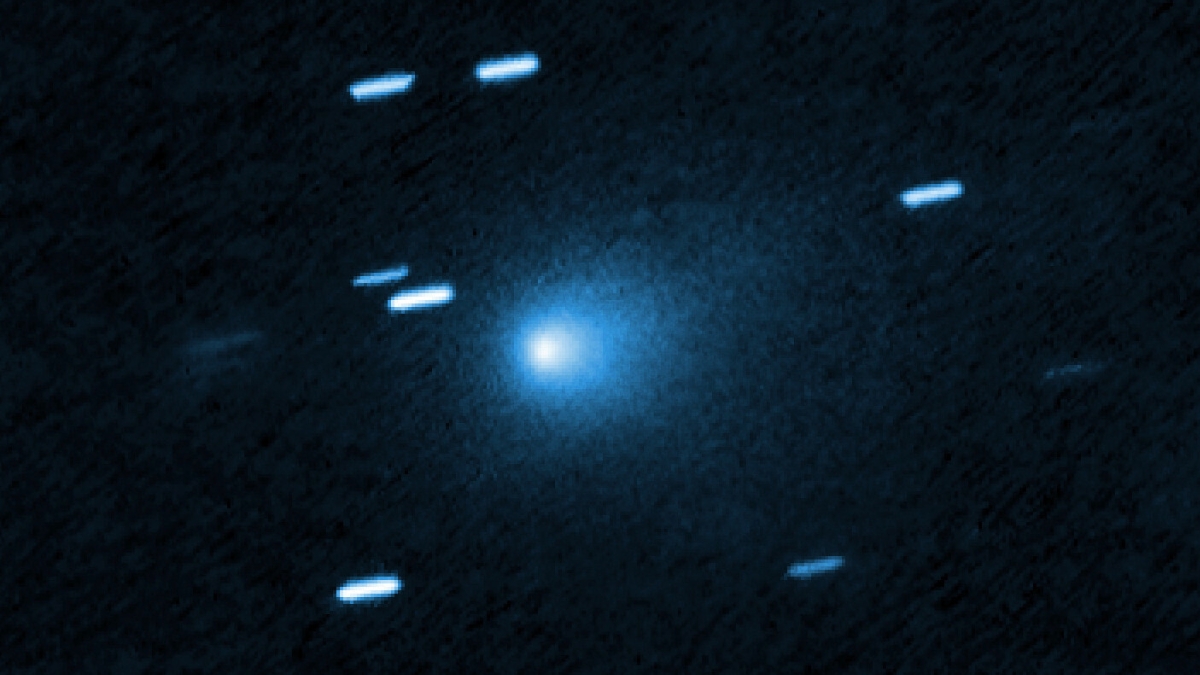
Interstellar Comet 3I/ATLAS Surprises Scientists with Brightening and Unusual Motion

Comet 3I/ATLAS, a rare interstellar visitor, has been unexpectedly brightening rapidly and displaying a blue hue due to gas emissions, with observations from space-based solar satellites revealing its active shedding of material as it approaches the Sun. Its unusual behavior raises questions about its composition and history, and it will soon be visible to ground-based telescopes.

science2 months ago

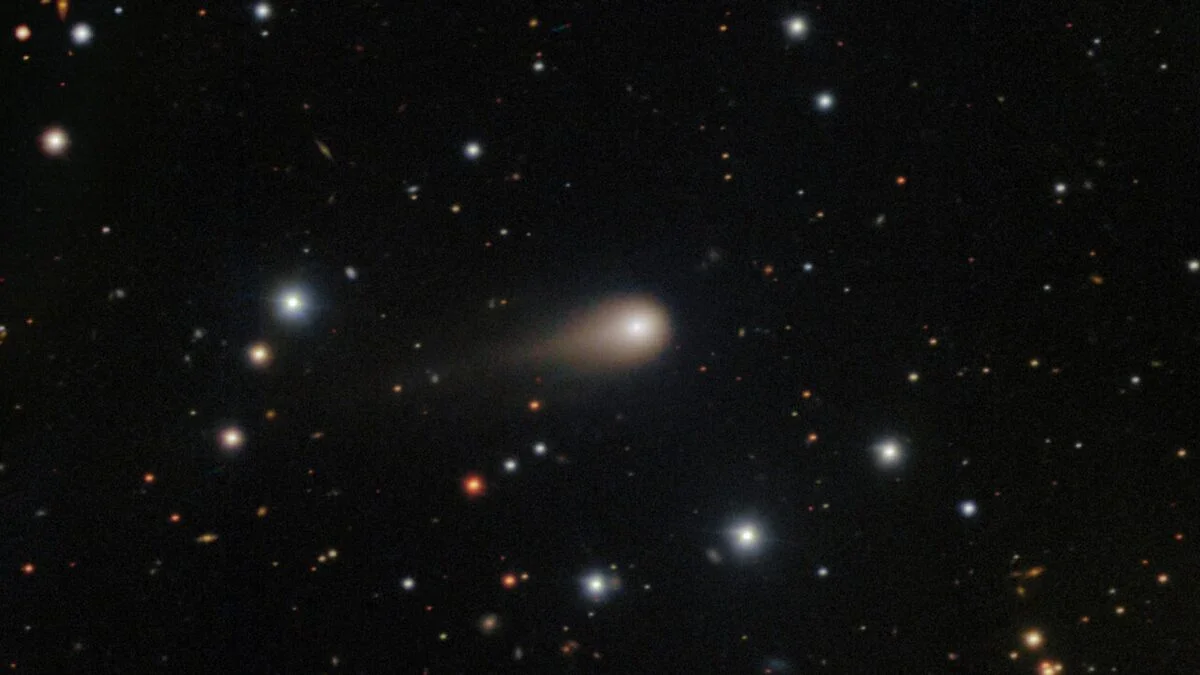
Interstellar Comet 3I/ATLAS Surprises Scientists with Brightening and Unusual Motion

Interstellar comet 3I/ATLAS reached perihelion, brightening significantly and revealing unique properties such as a high carbon dioxide to water ratio, providing rare insights into other solar systems. Observations suggest it brightened rapidly due to unusual nucleus characteristics, and it will be visible again in late 2023 as it moves away from the Sun, with potential further study from spacecraft.

space-science1 year ago

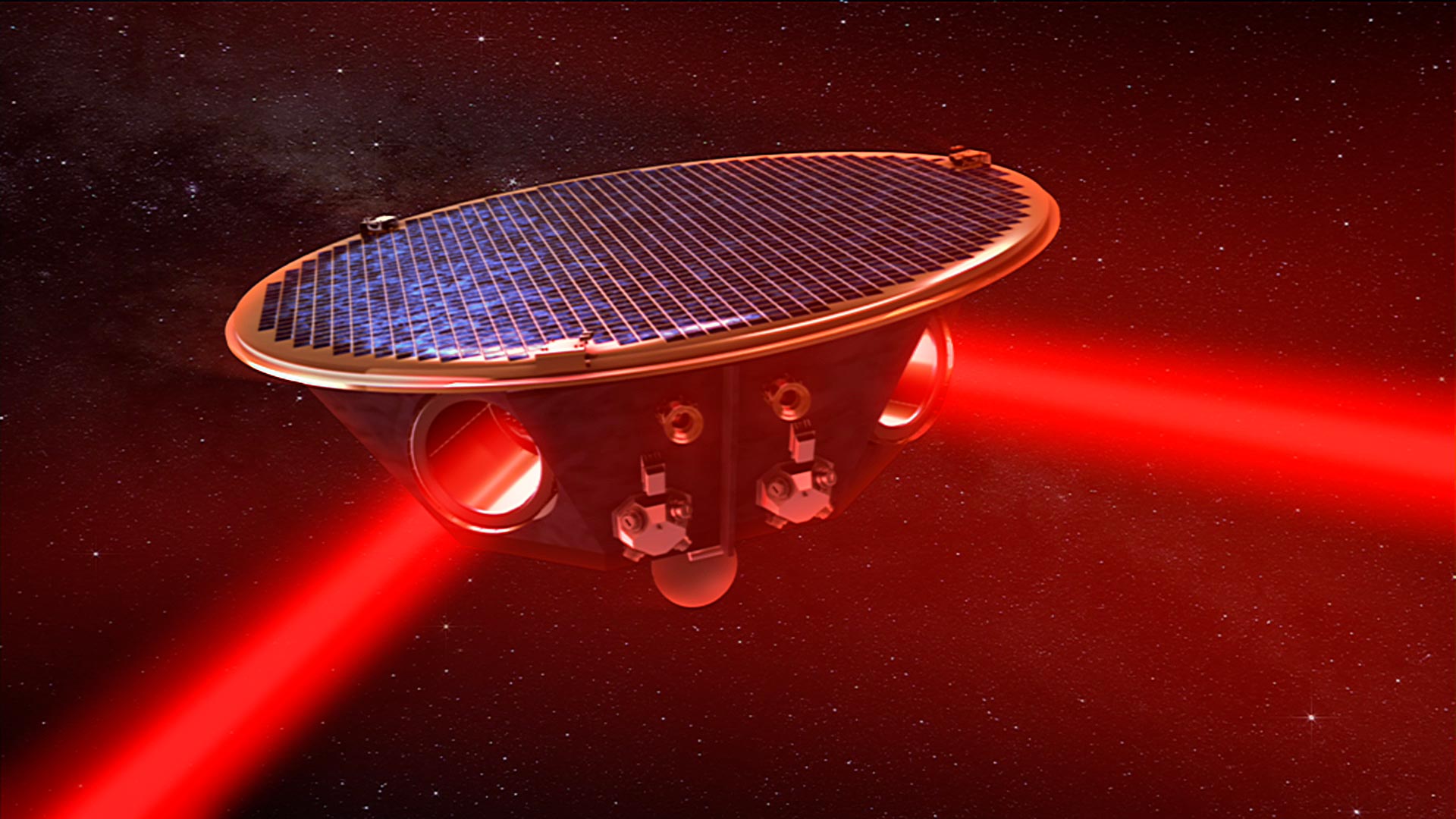
"Revolutionizing Cosmic Exploration: The Future of Space-Based Gravitational Wave Research"

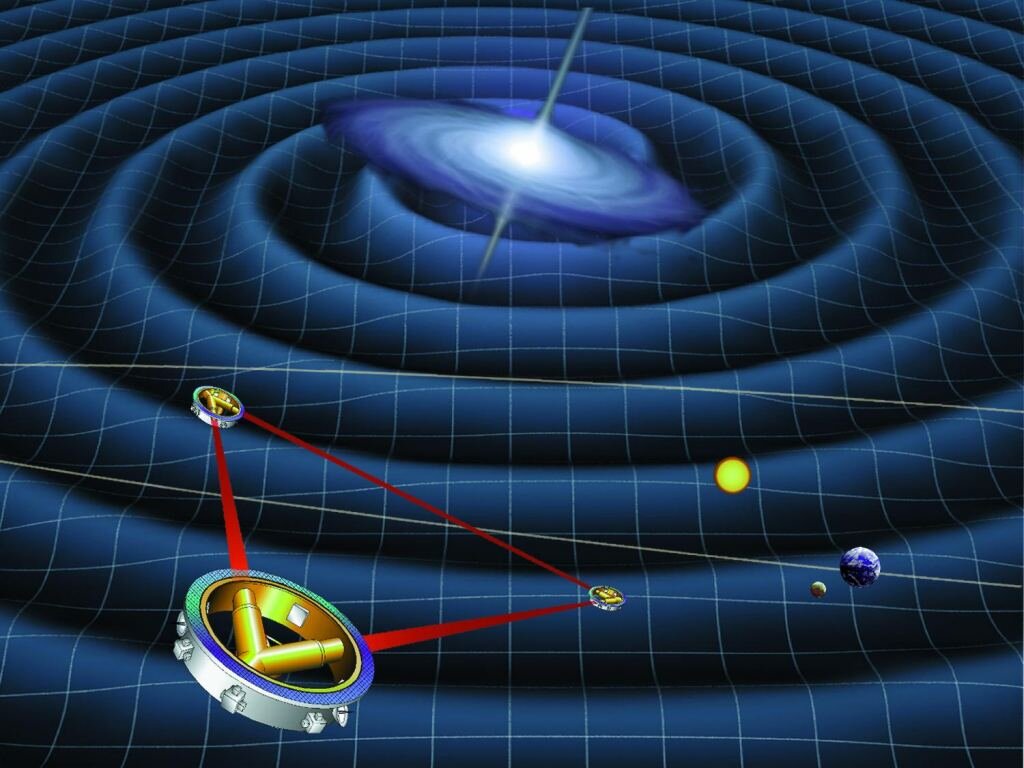
The LISA (Laser Interferometer Space Antenna) mission, a collaboration between ESA and NASA, aims to detect gravitational waves from space, offering new insights into the cosmos through advanced technology and international cooperation. LISA will enable observations of gravitational waves produced by merging supermassive black holes and will consist of three spacecraft flying in a vast triangular formation that follows Earth in its orbit around the Sun. The mission, scheduled for launch in the mid-2030s, will provide a panoramic view of gravitational wave sources, offering a unique contribution to astronomy and unveiling previously inaccessible aspects of the universe.

space2 years ago

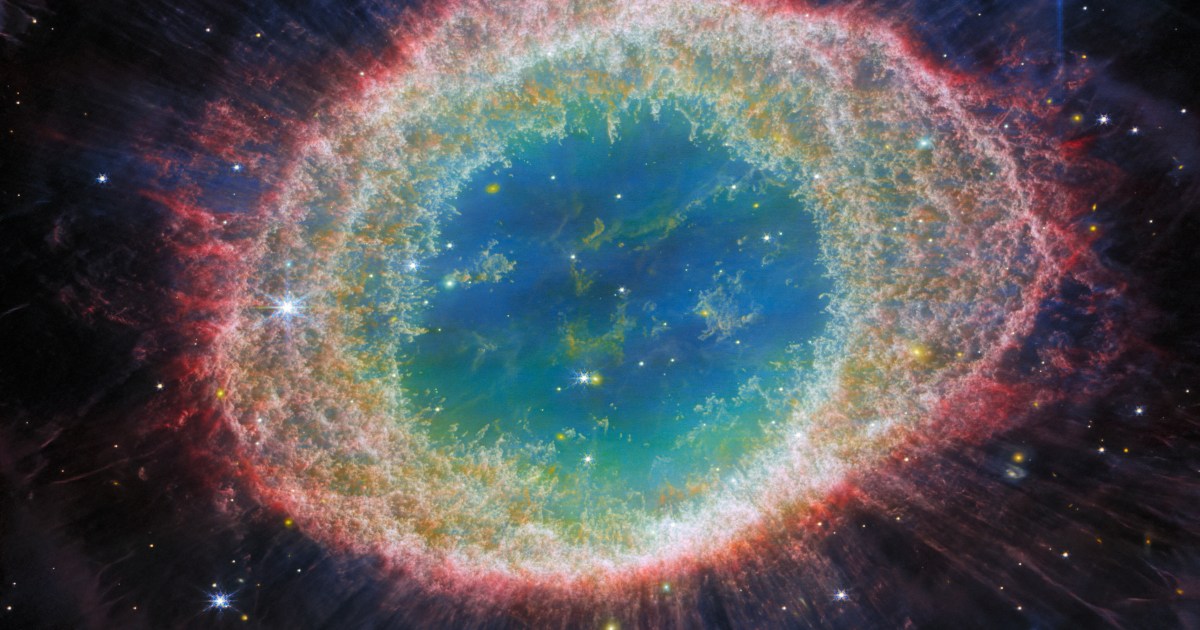
"Unveiling the Spectacular JWST Images and Scientific Discoveries of 2023"

The James Webb Space Telescope (JWST) has provided stunning images and made significant scientific discoveries in its first year of full-time operations. Highlights include the discovery of a distant galaxy with a black hole of 10-100 million solar masses, the observation of the Crab Nebula revealing details of dust, accelerated electrons, and winds, the deepest-ever view of the universe with the JADES survey, and the detection of the most distant gravitational lens and red supergiant star. Other notable findings include the identification of a potential solution to the "Hubble tension" and the revelation of the structure of the Fomalhaut stellar system. These images and discoveries represent just a fraction of what JWST has to offer in the coming years.

astronomy2 years ago

Harnessing Gravitational Waves: Exploring Cosmic Communication with Twisted Lasers

Astronomers have used simulated data to create an image of the sky as it would appear through gravitational waves, providing insights into the need for space observatories to detect ultra-compact binary systems. Ground-based observatories have already detected about a hundred events representing the mergers of stellar-mass black holes and neutron stars, but space-based observatories like LISA are expected to uncover thousands of these systems, revolutionizing our understanding of the universe. The simulated image showcases the potential of future space-based gravitational wave observatories and their ability to detect and study ultra-compact binaries.

astronomy2 years ago

"Unveiling the Cosmic Dance: Visualizing Our Galaxy through Gravitational Waves"

Astronomers have created a visualization of our galaxy as it might appear to a space-based gravitational wave observatory using simulated data. The visualization shows bright spots indicating stronger gravitational wave signals, with brighter spots representing higher frequencies. The data used includes mergers of stellar-mass black holes, neutron stars, and neutron star-black hole mergers. While no space-based gravitational wave observatory currently exists, the planned Laser Interferometer Space Antenna (LISA) is expected to launch in 2037 and will be capable of detecting gravitational waves at frequencies too low for ground-based detectors.

astronomy2 years ago

"Boosting LISA's Power: A 100x Improvement in Gravitational-Wave Observations"

The Laser Interferometer Space Antenna (LISA) is set to revolutionize gravitational-wave (GW) astronomy, but researchers from the European Space Agency (ESA) and the University of Glasgow have proposed a new concept that could improve GW sensitivity by two orders of magnitude. Known as LISAmax, this observatory could detect GWs at even lower frequencies than LISA by increasing the laser arms of the detector, making it sensitive to GWs in the micro-Hertz band and opening a new window for GW astronomy. The scientific community is investigating this concept, which could have drastic implications for the future of GW astronomy.

astronomy2 years ago

"Boosting LISA's Power: A 100-Fold Increase in Gravitational-Wave Observations"

The European Space Agency (ESA) is considering a new concept that would build on the Laser Interferometer Space Antenna (LISA) known as LISAmax, which could potentially improve gravitational wave (GW) sensitivity by two orders of magnitude. LISAmax would detect GWs at even lower frequencies than LISA by increasing the laser arms of the detector. This makes LISAmax sensitive to GWs in the micro-Hertz band and opens a new window for GW astronomy. The scientific community is investigating this concept, which could have drastic implications for the future of GW astronomy.