Tag

Solar Geoengineering

All articles tagged with #solar geoengineering

Safe Methods to Reflect Sunlight and Protect Earth

Originally Published 5 days ago — by The Guardian

Featured image for Safe Methods to Reflect Sunlight and Protect Earth
Source: The Guardian

The article discusses the potential of stratospheric aerosol injection (SAI) as a climate intervention to reflect sunlight and reduce global warming, emphasizing the importance of careful, phased research to understand its safety and effectiveness before any deployment, and advocating for open scientific investigation to inform responsible decision-making.


Scientists Warn Against Risky and Impractical Sun-Reducing Climate Fixes

Originally Published 2 months ago — by ScienceAlert

Featured image for Scientists Warn Against Risky and Impractical Sun-Reducing Climate Fixes
Source: ScienceAlert

Scientists warn that 'dimming the sun' through stratospheric aerosol injections is unsafe, impractical, and carries unpredictable risks due to logistical, material, and geopolitical challenges, making it an unreliable climate change mitigation strategy.

Researchers Secretly Prepare to Dim Sunlight in Major Test

Originally Published 5 months ago — by Politico

Featured image for Researchers Secretly Prepare to Dim Sunlight in Major Test
Source: Politico

Researchers in California planned a large-scale solar geoengineering test to dim sunlight without public notification, raising concerns about transparency and community engagement, especially after a smaller experiment was abruptly halted due to local backlash and lack of communication with authorities.

Researchers Plan Secret Sunlight Dimming Test to Prevent Public Alarm

Originally Published 5 months ago — by Yahoo Home

Featured image for Researchers Plan Secret Sunlight Dimming Test to Prevent Public Alarm
Source: Yahoo Home

Researchers in California planned a large-scale, secretive experiment to test solar geoengineering techniques like cloud brightening to potentially dim sunlight and combat climate change, but faced public backlash and regulatory hurdles after initial small-scale tests were conducted without community engagement or transparency.

EU Scientists Call for Ban on Solar Geoengineering

Originally Published 1 year ago — by Slashdot

Featured image for EU Scientists Call for Ban on Solar Geoengineering
Source: Slashdot

Scientific advisers to the European Commission have recommended a moratorium on solar geoengineering efforts across the EU, citing insufficient evidence and potential risks. These technologies, which aim to cool the Earth by reflecting sunlight, have faced criticism despite their potential to combat climate change. The European Commission's advisory groups have expressed concerns over the high levels of uncertainty and possible harmful effects, advocating against large-scale experimentation and deployment.

"Unveiling the Potential of Clouds in Mitigating Global Warming through Solar Geoengineering"

Originally Published 1 year ago — by The New York Times

Featured image for "Unveiling the Potential of Clouds in Mitigating Global Warming through Solar Geoengineering"
Source: The New York Times

Scientists conducted the first outdoor test in the United States of technology designed to brighten clouds and reflect some of the sun's rays back into space as a way to temporarily cool the overheating planet. The goal is to hold global warming to a relatively safe level, but as carbon dioxide emissions continue to rise, the idea of deliberately intervening in climate systems is becoming more realistic. If successful, the next stage would involve attempting to change the composition of clouds above the Earth's oceans.

"Cloud Dissipation and Eclipse Forecast for 2024 Solar Eclipse Viewing"

Originally Published 1 year ago — by CNN

Featured image for "Cloud Dissipation and Eclipse Forecast for 2024 Solar Eclipse Viewing"
Source: CNN

During a solar eclipse, shallow cumulus clouds dissipate due to the moon's shadow blocking sunlight, preventing warm air from rising and forming clouds, with implications for solar geoengineering. The phenomenon was studied using satellite data during eclipses over Africa, revealing the clouds' high sensitivity to eclipse-induced cooling. This has implications for understanding cloud behavior and climate impact, as well as potential consequences for solar geoengineering techniques.

"UN Stalls Sun-Blocking Climate Change Tech Over Safety Concerns"

Originally Published 1 year ago — by The Verge

Featured image for "UN Stalls Sun-Blocking Climate Change Tech Over Safety Concerns"
Source: The Verge

The United Nations Environment Assembly failed to reach an agreement on solar geoengineering, leaving a de facto moratorium in place. The debate centers around the potential risks and uncertainties of launching particles into the sky to reflect sunlight and cool the planet. While some advocate for research into unconventional methods to combat climate change, others warn of unforeseen consequences and the need to address the root cause of greenhouse gas emissions. With no international rules to stop rogue experiments, the debate continues on whether to establish an expert panel to study the risks and opportunities of solar geoengineering.

EU Takes Action Against Climate Geoengineering and Calls for Global Cooperation

Originally Published 2 years ago — by The Verge

Featured image for EU Takes Action Against Climate Geoengineering and Calls for Global Cooperation
Source: The Verge

The European Union is calling for international talks on how to govern geoengineering, a deliberate alteration of the Earth's atmosphere, as part of its plans to address security risks posed by climate change. Geoengineering technologies, such as solar geoengineering, aim to cool the planet by manipulating its ability to reflect sunlight. However, the risks and unintended consequences of these technologies are poorly understood, and without proper rules and oversight, they could pose new risks to people, ecosystems, and international relations. The EU is advocating for new international guidelines to prevent rogue actors from conducting unregulated experiments that could have global implications.

Exploring Solar Geoengineering's Potential to Combat Climate Change.

Originally Published 2 years ago — by Vox.com

Featured image for Exploring Solar Geoengineering's Potential to Combat Climate Change.
Source: Vox.com

Solar geoengineering, a technology that reflects sunlight to cool the planet, is being considered as a way to adapt to the current climate change crisis. However, it would require massive intervention in the planet's climate and has both pros and cons. The technology mimics the effect of volcanic eruptions that cover the stratosphere with ash, reflecting sunlight and cooling the planet.

Billionaire Interest in Solar Geoengineering Divides Climate Scientists

Originally Published 2 years ago — by CNBC

Featured image for Billionaire Interest in Solar Geoengineering Divides Climate Scientists
Source: CNBC

Billionaires including Bill Gates, George Soros, and Facebook co-founder Dustin Moskovitz have expressed interest in "solar geoengineering," a controversial idea that involves cooling the Earth by reflecting sunlight back into space. While there are growing calls to accelerate research into solar radiation management (SRM), hundreds of climate scientists are firmly against it, warning that the increasing normalization of SRM technologies as a possible climate fix could have dangerous and unexpected consequences. The United Nations Environment Program has confirmed that SRM is not yet ready for large-scale deployment and highlighted that there is no substitute for an urgent and massive reduction in greenhouse gas emissions, "which must remain the global priority."

David Keith to lead Climate Systems Engineering at University of Chicago.

Originally Published 2 years ago — by UChicago News

Featured image for David Keith to lead Climate Systems Engineering at University of Chicago.
Source: UChicago News

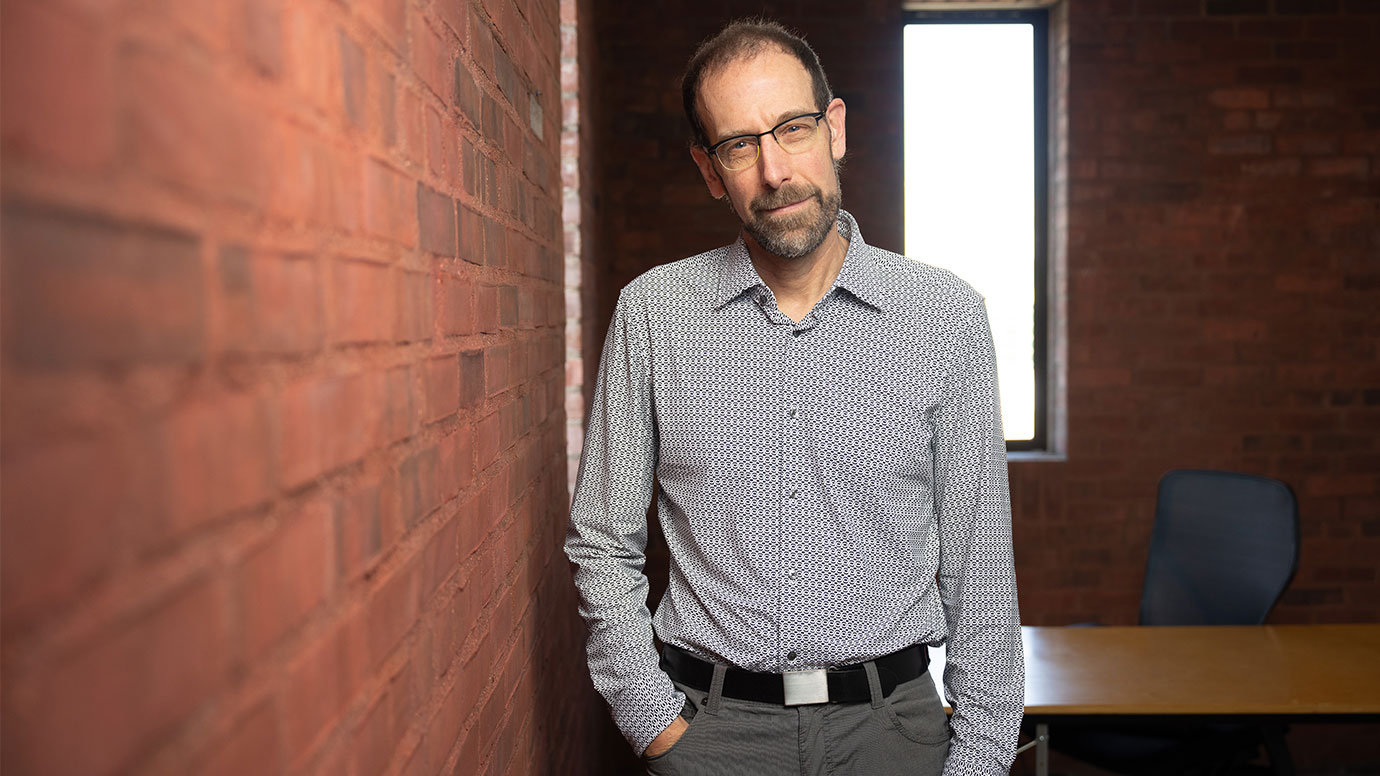
David Keith, a renowned scientist, has joined the University of Chicago to lead a new Climate Systems Engineering initiative, which will explore multiple strategies to reflect sunlight away from Earth, remove carbon from the atmosphere, and protect glaciers. The initiative will require novel materials, high-powered computing, and trailblazing chemical and engineering strategies. Keith plans to partner with researchers at Argonne National Laboratory and supercomputing facilities. The aim of the initiative is to support new faculty with diverse expertise as well as current scholars at UChicago and beyond who are working to understand the interwoven technical and social challenges posed by solar geoengineering and carbon removal.

Mexico Bans Solar Geoengineering After Weather Balloon Incident

Originally Published 2 years ago — by Reuters.com

Featured image for Mexico Bans Solar Geoengineering After Weather Balloon Incident
Source: Reuters.com

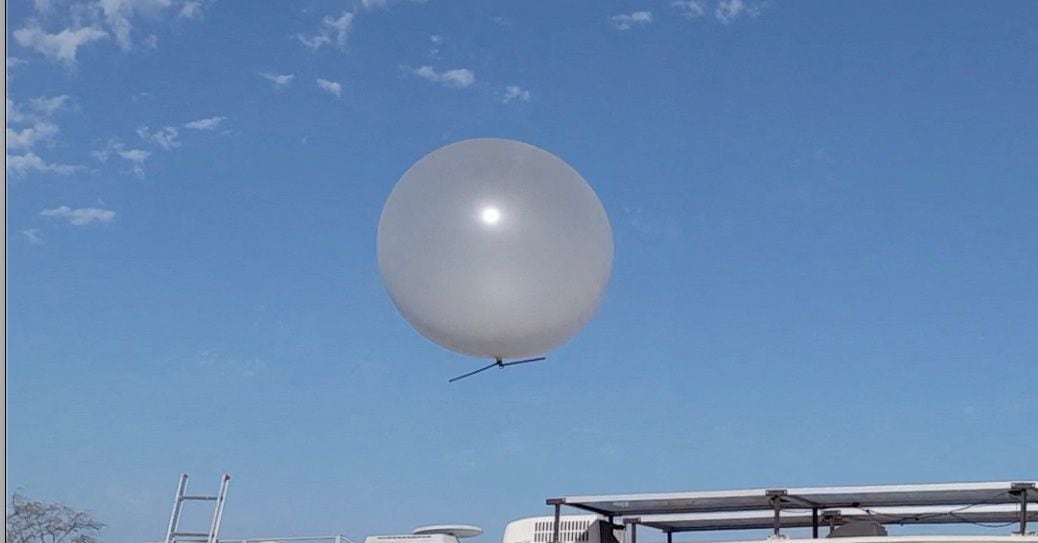
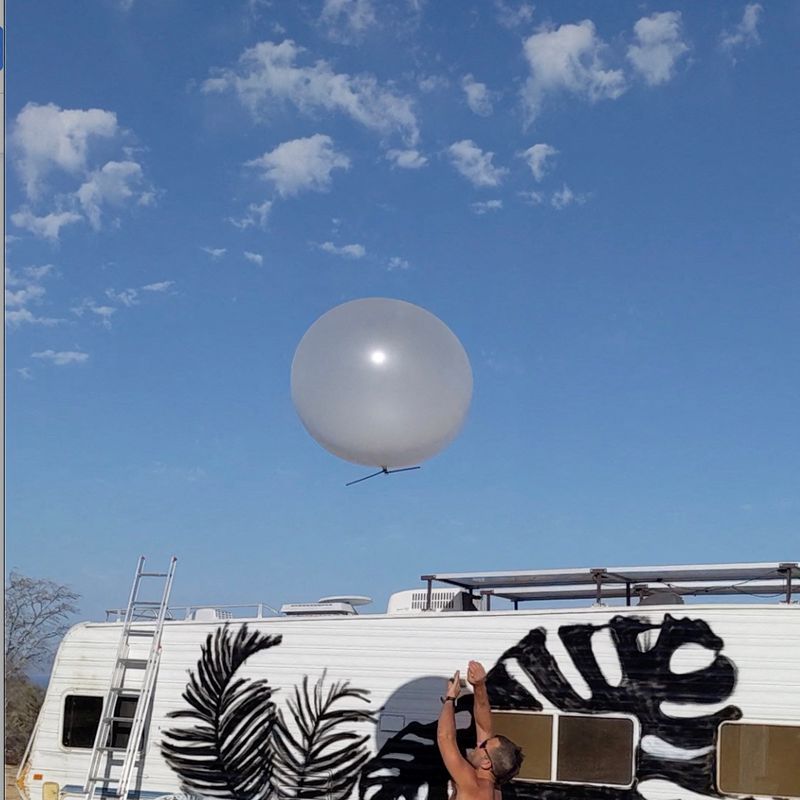
Mexico is drafting new regulations to prohibit solar geoengineering within its national territory and plans to rally other countries to ban the climate strategy. The move comes after a US startup called Make Sunsets released two weather balloons containing sulfur dioxide into the air in Mexico's Baja California, violating the country's national sovereignty. The incident has set off a series of responses that could set the rules for future study of geoengineering, especially by private companies, in Mexico and around the world. While some scientists and policy makers are urging further study of solar geoengineering, others remain opposed, arguing that large-scale interventions in the atmosphere risk triggering extreme and unpredictable weather changes.

Mexico Bans Solar Geoengineering After Weather Balloon Incident

Originally Published 2 years ago — by Yahoo News

Featured image for Mexico Bans Solar Geoengineering After Weather Balloon Incident
Source: Yahoo News

Mexico is drafting new regulations to prohibit solar geoengineering within its borders and plans to rally other countries to ban the climate strategy. The move comes after a US startup called Make Sunsets released two weather balloons containing sulfur dioxide into the air in Mexico's Baja California, violating the country's national sovereignty. While some scientists and policy makers are urging further study of solar geoengineering, others remain opposed, arguing that large-scale interventions in the atmosphere risk triggering extreme and unpredictable weather changes.