China has initiated a trade dispute with India at the WTO over tariffs and measures on solar cells, modules, and IT goods, citing discriminatory practices and domestic input requirements, shortly after India imposed anti-dumping duties on Chinese steel imports.
Researchers at University College London have developed high-efficiency perovskite solar cells capable of harvesting indoor light to power small devices, potentially eliminating the need for batteries in many electronics. These cells boast a record conversion rate of 37.6% and are produced using simple, printable methods from abundant materials, paving the way for more sustainable and cost-effective energy solutions.
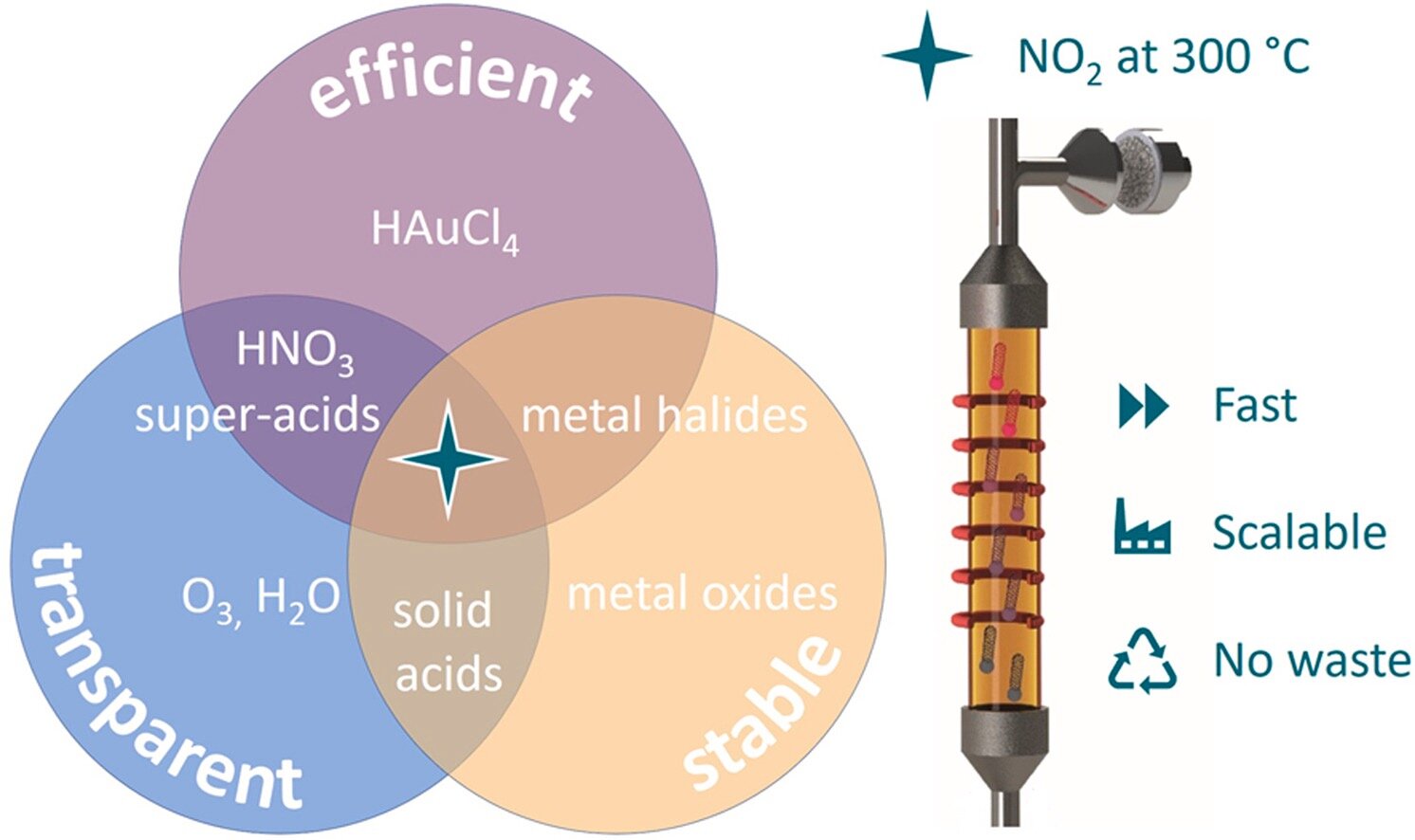
Skoltech scientists have discovered that treating carbon nanotube films with nitrogen dioxide at 300 degrees Celsius significantly enhances their electrical conductivity, transparency, and stability. This fast, scalable, and wasteless technique could improve the performance of solar panels, touchscreens, and other devices, offering a superior alternative to current doping agents.
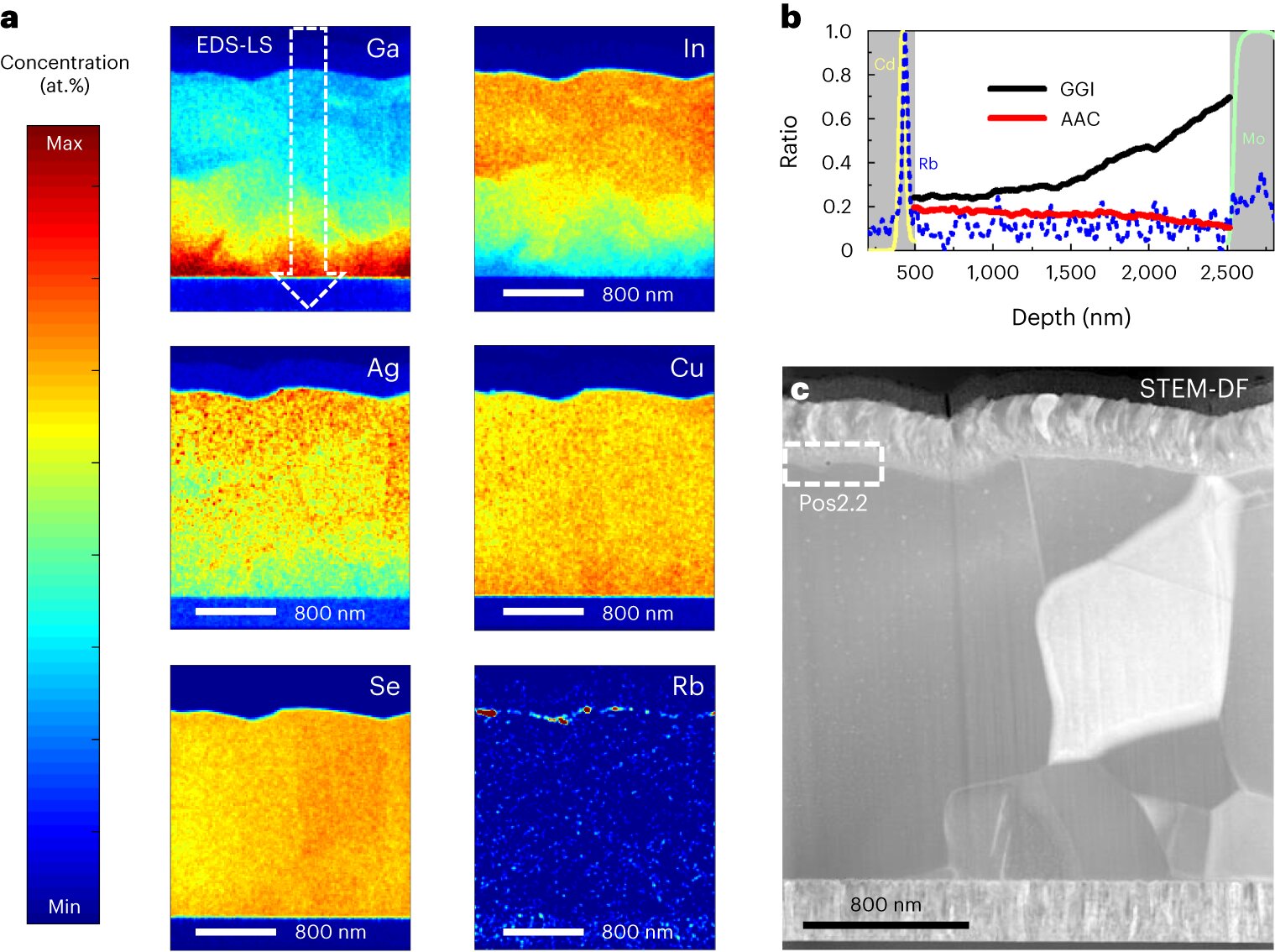
Researchers at Uppsala University and First Solar European Technology Center AB in Sweden have achieved a record efficiency of 23.64% in chalcopyrite-based solar cells by employing high-concentration silver alloying and steep back-contact gallium grading. Their work builds on decades of international research and combines four different approaches to improve performance, resulting in reduced defects, increased doping density, and a high external radiative efficiency of 1.6%. The findings introduce a promising production process for higher efficiencies in chalcopyrite-based solar cells, with potential for large-scale deployment and further advancements.
Researchers have demonstrated the use of long alkyl-amine ligands to create near-phase pure two-dimensional (2D) perovskites at the top and bottom interfaces of three-dimensional (3D) perovskite photo-absorbers, effectively resolving issues related to charge recombination, ion migration, and electric-field inhomogeneities in perovskite solar cells (PSCs). This approach resulted in inverted PSCs with double-side 2D/3D heterojunctions achieving a power conversion efficiency (PCE) of 25.6% and retaining 95% of their initial PCE after 1000 hours of 1-sun illumination at 85 degrees Celsius in air.
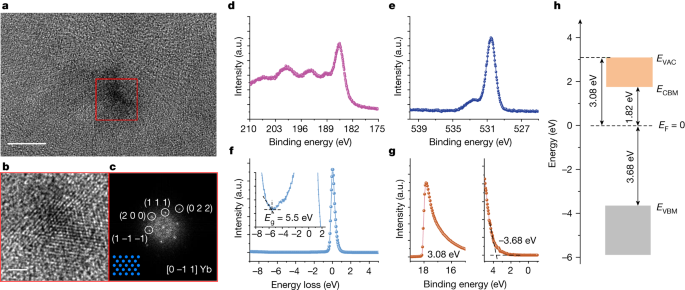
Researchers have developed a multifunctional ytterbium oxide buffer layer for perovskite solar cells, which enhances their stability and efficiency. The buffer layer effectively passivates defects, reduces non-radiative recombination, and minimizes lead leakage, addressing key challenges in perovskite solar cell technology. This advancement holds promise for the commercialization of perovskite solar cells and contributes to the ongoing efforts to improve their long-term stability and performance.
Researchers at the U.S. Department of Energy's Princeton Plasma Physics Laboratory (PPPL) have developed a new theoretical model explaining how black silicon, a crucial material used in solar cells and other applications, is created by etching the surface of regular silicon with fluorine gas to produce tiny nanoscale pits that trap more light. The new model reveals how fluorine gas breaks certain bonds in the silicon based on their orientation, creating a rough surface ideal for light absorption. This research represents an early success in PPPL's foray into quantum chemistry and fills a gap in publicly available research on the production of black silicon.
Researchers at University College London (UCL) have developed one-atom-thick ribbons composed of phosphorus alloyed with arsenic, which have the potential to significantly enhance the efficiency of batteries, supercapacitors, and solar cells. These nanoribbons conduct electricity more effectively and offer potential applications in quantum computing and energy storage, promising scalable and cost-effective production. The addition of arsenic improves the conductivity of the nanoribbons, eliminating the need for a conductive material like carbon in batteries and enhancing the flow of charge in solar cells. The nanoribbons also exhibit high "hole mobility," allowing for more efficient electrical current flow. The production process allows for large-scale production at low cost, making them suitable for various applications.
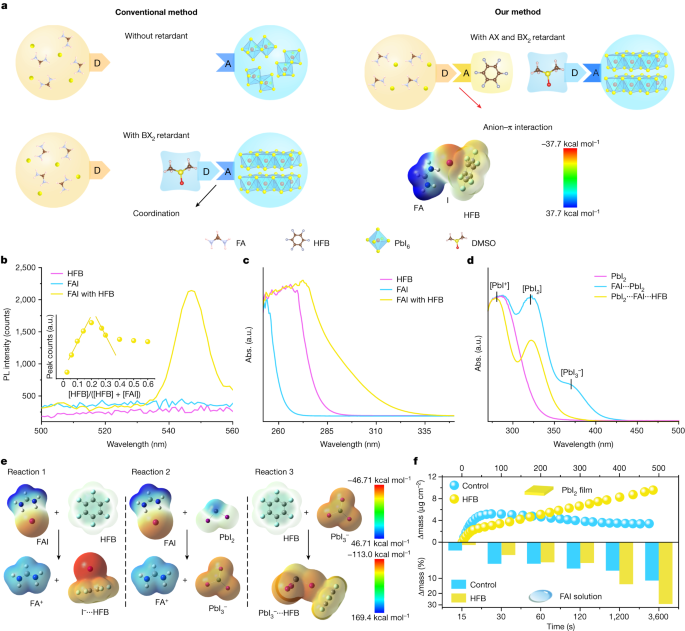
Researchers have discovered that anion-π interactions can suppress phase impurities in formamidinium lead iodide (FAPbI3) perovskite solar cells, improving their stability. By incorporating anion-π interactions into the perovskite structure, the researchers were able to inhibit the formation of local nanoscale phase impurities, which are known to degrade the performance of perovskite solar cells. This finding provides a new approach for enhancing the stability and efficiency of perovskite solar cells.
Scientists are studying a molecule called azulene, which violates the rules of photochemistry, in the hopes of creating more efficient solar cells that can convert sunlight into usable electricity. Azulene's unique behavior challenges a fundamental concept known as Kasha's rule, and understanding it could lead to a breakthrough in the search for limitless energy. While the exact form of limitless energy is still unclear, this discovery provides a promising starting point.
Researchers from Princeton University and the King Abdullah University of Science and Technology (KAUST) have developed a tandem solar cell that combines silicon and perovskite technologies to improve overall efficiency and stability. By connecting the two technologies, the silicon cell protects the more fragile perovskite cell from voltage-induced breakdown, allowing the tandem solar cell to withstand partial shading conditions that would typically degrade perovskite-only modules. The findings suggest that perovskites may have the most potential when used in conjunction with silicon solar cells, which already have a mature manufacturing process. Tandem solar cells could enhance the commercialization prospects of perovskites and continue the evolution of solar research beyond the limits of silicon solar cells' efficiency.
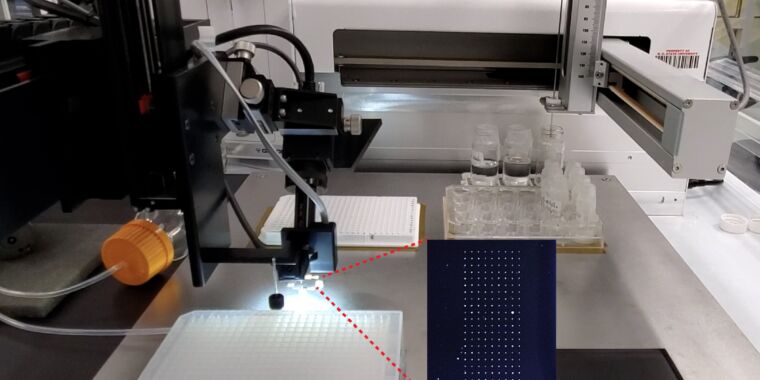
Researchers at North Carolina State University have developed a robot called RoboMapper to accelerate the search for ideal perovskite materials for tandem solar cells. The robot combines base chemicals into hundreds of inks that can potentially form perovskites and applies them onto a single substrate. By testing hundreds of samples simultaneously, the researchers were able to identify an "ideal" perovskite mixture with the desired properties for use in tandem solar cells. The RoboMapper workflow speeds up the synthesis and characterization of materials by a factor of 14 compared to manual exploration and by a factor of nine compared to other automated methods. This approach can be applied to other material searches and has the potential to save time and energy in testing new materials.
The U.S. Department of Commerce has issued final determinations in the circumvention inquiries of solar cells and modules from China. It found that certain Chinese producers are shipping their solar products through Cambodia, Malaysia, Thailand, and/or Vietnam for minor processing to avoid paying antidumping and countervailing duties. Five companies were found to be circumventing, while three were not. The final decisions will not have an immediate impact on the border, and duties will not be collected on solar module and cell imports from these four countries until June 2024. The findings underscore the importance of enforcing trade law and holding China accountable for its trade distorting actions.
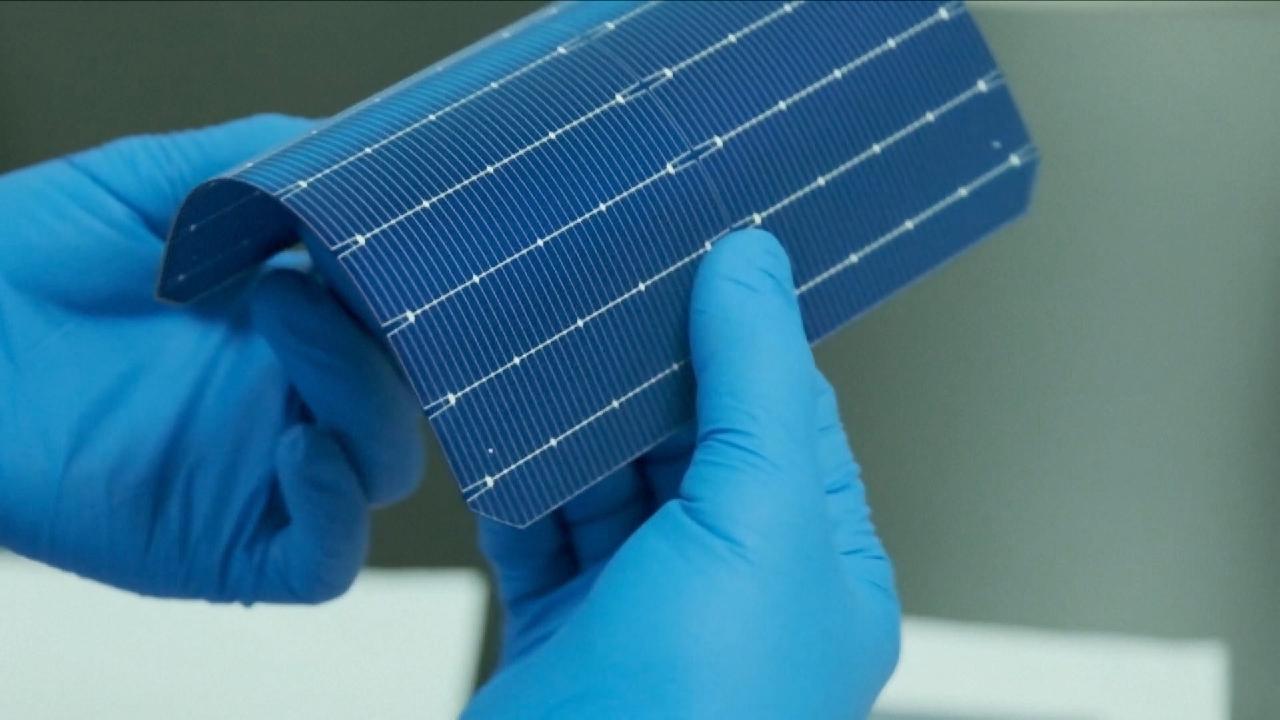
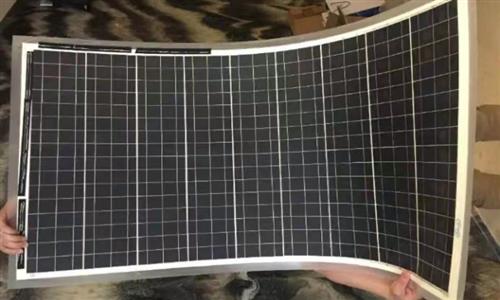
Chinese researchers from the Shanghai Institute of Microsystem and Information Technology have developed a unique technology that allows the edges of textured crystalline silicon (c-Si) solar cells to be tailored, enabling them to be bent and folded without damage. The newly developed c-Si solar cells can be manufactured to be only between 50 and 60 micrometers thin and possess a bending radius of approximately 8 millimeters. The researchers hope that with the newfound flexibility and thinness of these solar cells, they can be incorporated into various areas such as construction, backpacks, tents, automobiles, sailing boats and even airplanes.
Chinese researchers at the Shanghai Institute of Microsystem and Information Technology have developed a technology to tailor the edges of textured crystalline silicon (c-Si) solar cells, making them highly flexible and paper-thin. The c-Si solar cells can be bent and folded like thin paper, allowing for broader application and use. The breakthrough provides a technical route for the development of lightweight and flexible c-Si solar cells, which can be used in construction, backpacks, tents, automobiles, sailing boats, and even planes.