Scientists accidentally created gold hydride under extreme pressure and temperature conditions, challenging gold's reputation as an inert metal and providing new insights into dense hydrogen behavior relevant to planetary interiors and fusion research.

Chinese scientists have successfully recreated the rare hexagonal meteorite diamond in a laboratory, providing definitive proof of its existence and overcoming decades of scientific debate.
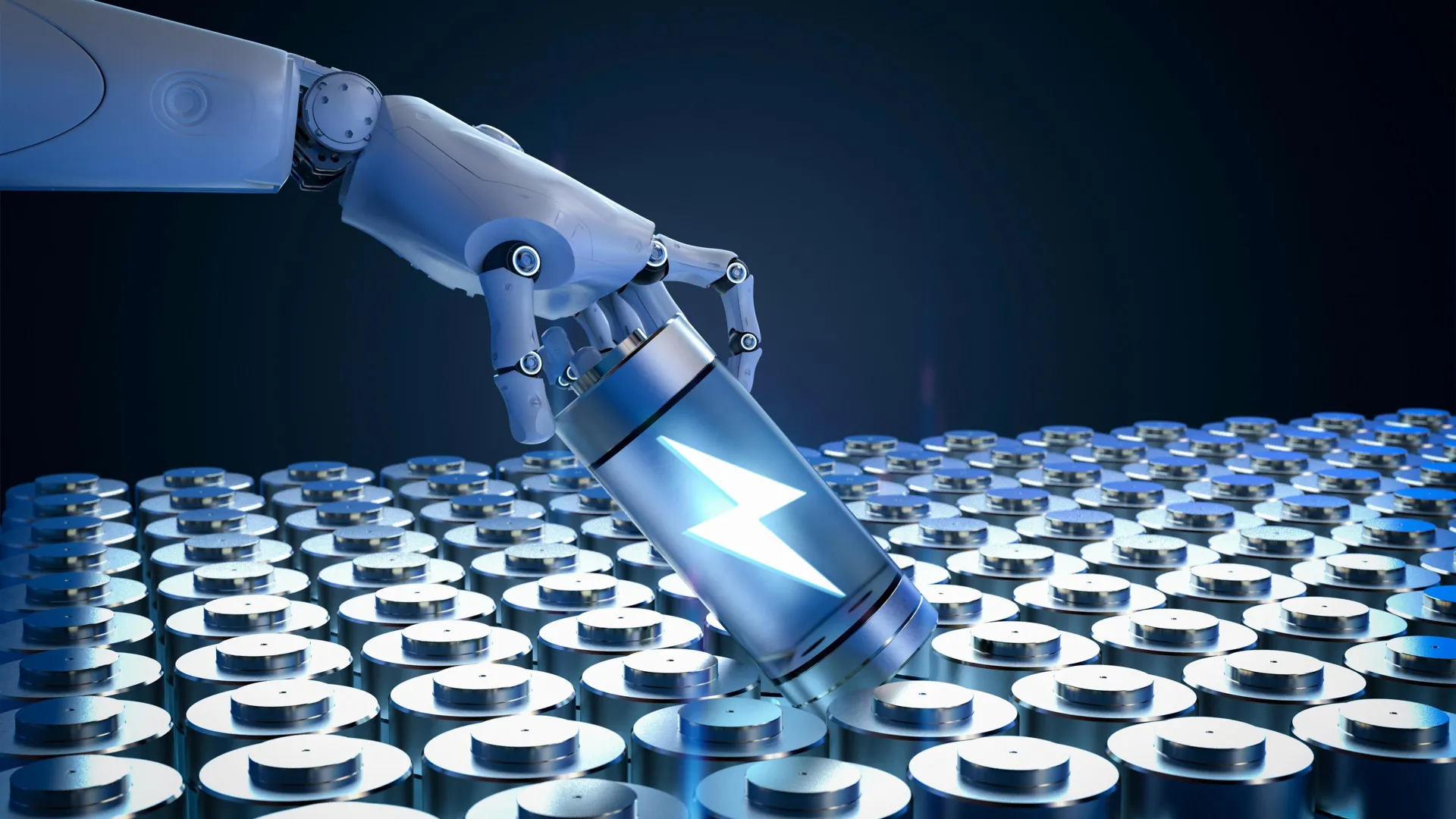
Researchers at NJIT used generative AI to discover five new porous materials that could enable more efficient, sustainable multivalent-ion batteries using abundant elements like magnesium and zinc, offering a promising alternative to lithium-ion technology and accelerating advanced materials research.
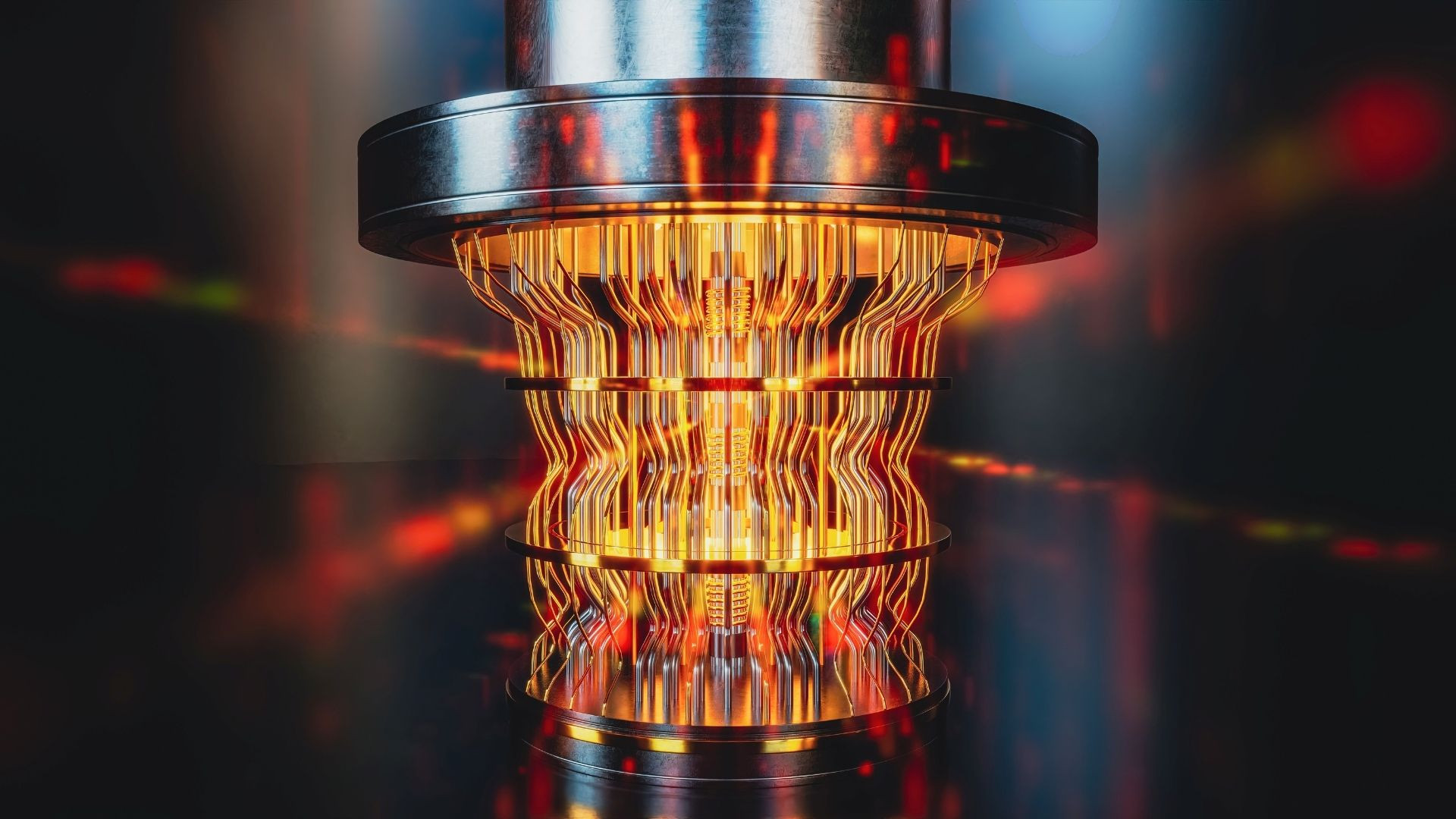
A team of Chinese scientists has discovered a novel material with the potential to revolutionize quantum computing, addressing China's heavy reliance on helium imports, particularly helium-3, used in extreme conditions. As tensions between the US and China escalate, the risk of restricted access to dilution refrigerators required for ultra-cold environments adds complexity to the tech rivalry, further highlighting China's dependence on helium imports.
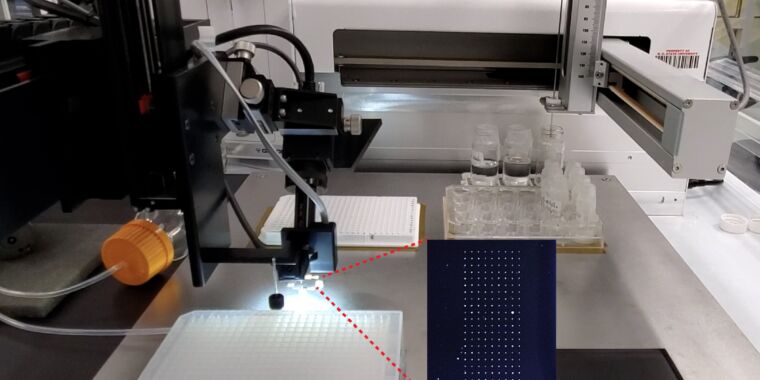
Researchers at North Carolina State University have developed a robot called RoboMapper to accelerate the search for ideal perovskite materials for tandem solar cells. The robot combines base chemicals into hundreds of inks that can potentially form perovskites and applies them onto a single substrate. By testing hundreds of samples simultaneously, the researchers were able to identify an "ideal" perovskite mixture with the desired properties for use in tandem solar cells. The RoboMapper workflow speeds up the synthesis and characterization of materials by a factor of 14 compared to manual exploration and by a factor of nine compared to other automated methods. This approach can be applied to other material searches and has the potential to save time and energy in testing new materials.