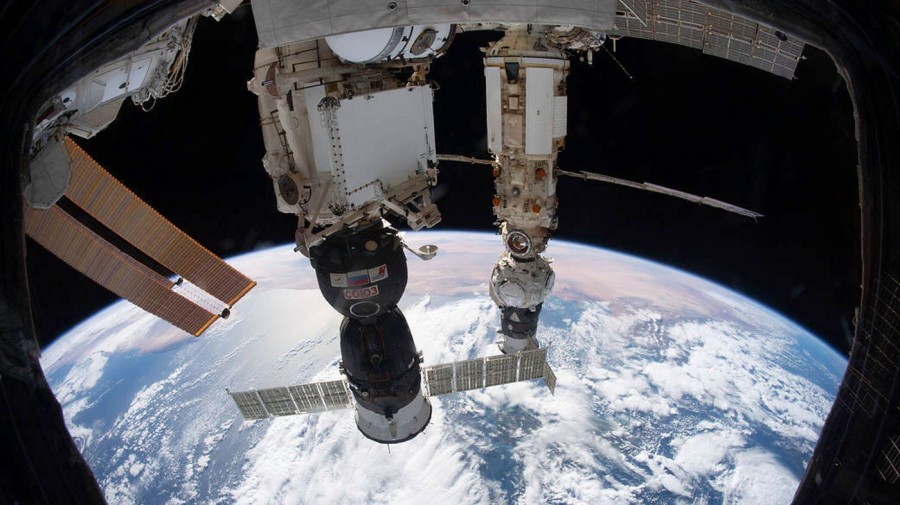
NASA will conduct two spacewalks outside the International Space Station in January to install solar arrays and perform maintenance tasks, with a preview briefing scheduled for January 6 and the spacewalks occurring on January 8 and 15, supporting station upgrades and research.
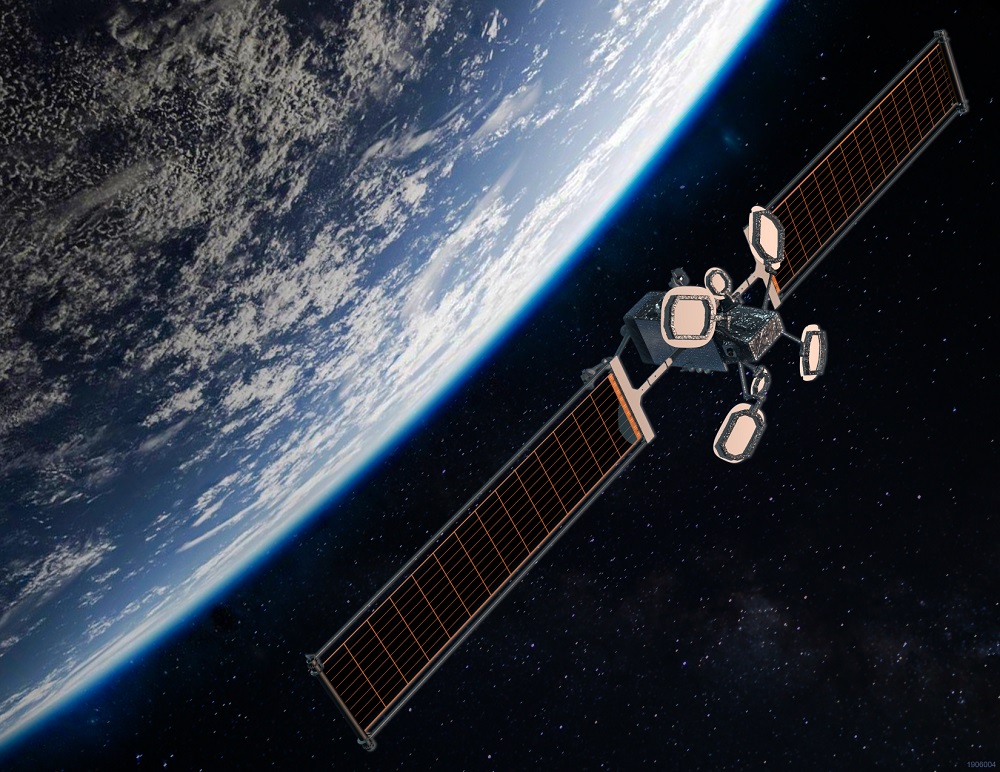
Redwire's Roll-Out Solar Array (ROSA) technology successfully deployed two 10-meter-long solar array wings for Ovzon 3, a 1,500-kilogram broadband satellite, providing it with a combined 10 kilowatts of power for its journey to geostationary orbit. The successful deployment is a significant milestone for Swedish satcom service provider Ovzon, which aims to provide mobile connectivity to government customers, including the U.S. Department of Defense, upon entering service in mid-2024.
NASA astronauts Woody Hoburg and Steve Bowen completed their second spacewalk in six days to install and deploy another roll-out solar array to augment the power system on the International Space Station. The new ISS Roll-Out Solar Arrays (iROSA) were delivered to the space station by a SpaceX Cargo Dragon supply spacecraft. The solar arrays are designed to partially cover the space station’s original solar panels, which have degraded over time, and come with improved efficiency to boost the station’s power output back above original levels. NASA is planning to order a final pair of roll-out solar arrays to complete the space station’s electrical upgrade.
Two upgraded roll-out solar arrays will be launched to the International Space Station (ISS) on SpaceX's 28th resupply mission. The new ISS Roll-Out Solar Arrays (iROSA) will be installed by astronauts Steve Bowen and Woody Hoburg during two spacewalks later this month. The iROSA units are part of a mid-life upgrade of the ISS's power supply, with the new arrays set to partially cover the older solar panels. The ISS's power system will be capable of generating 215 kilowatts of electricity with the installation of the new arrays.
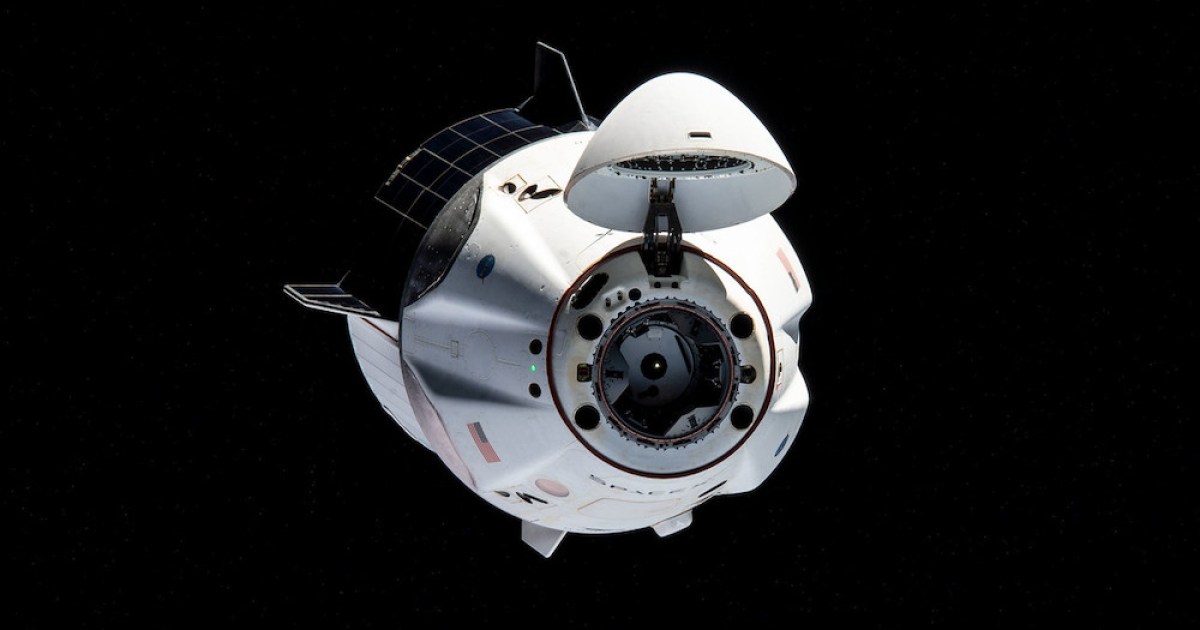
Four crewmembers at the International Space Station (ISS) moved SpaceX's Crew Dragon Endeavour to a different port to make way for a cargo ship arriving in June. The incoming cargo ship will be bringing with it a couple of rollout solar arrays, which will be extracted from the ship using the robotic Canadarm2 device, and the position of the freed port offers the best angle of approach for the arm. The arrays will be installed during spacewalks in the summer as part of ongoing work to upgrade the space station's power supply.
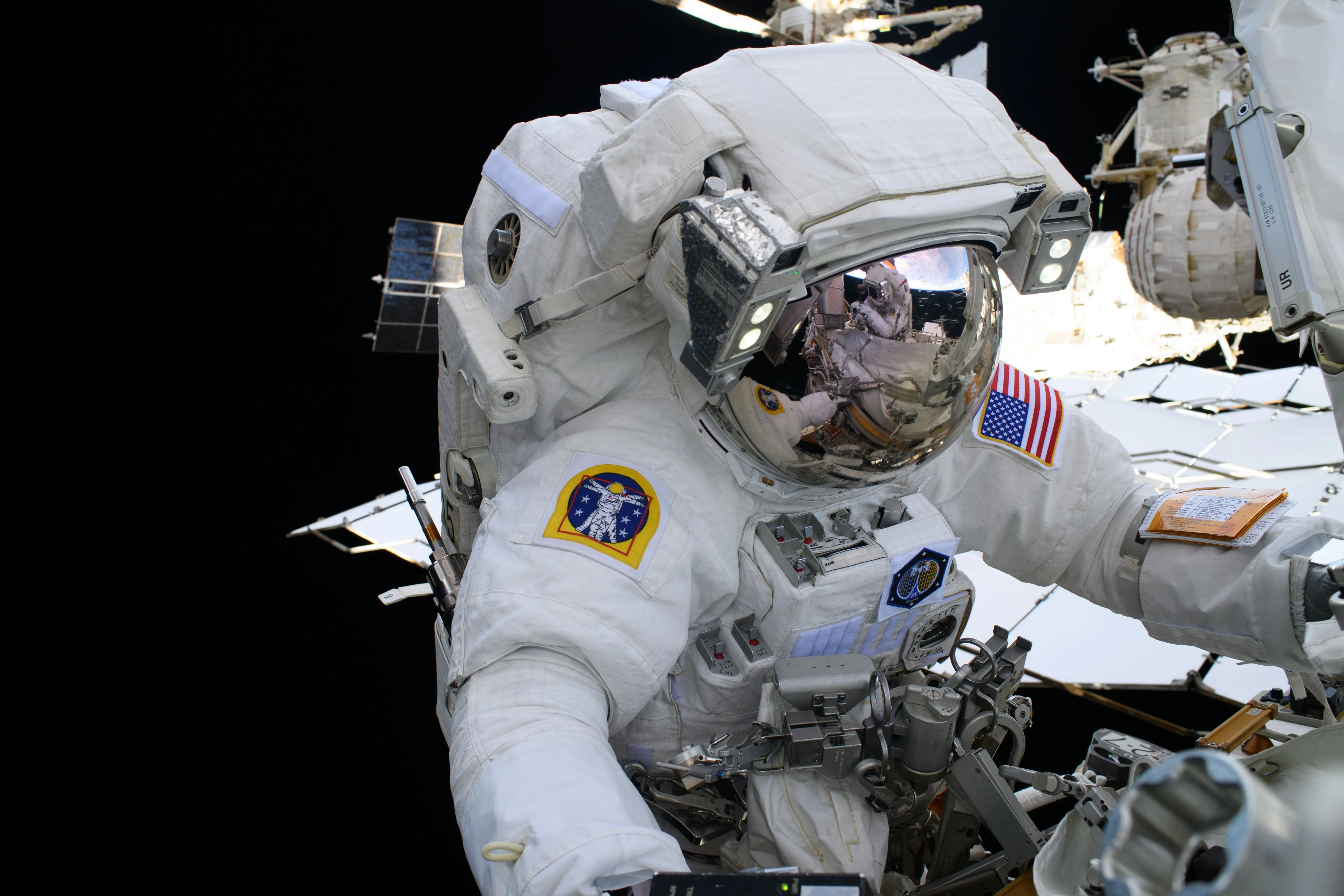
NASA astronaut Steve Bowen and Emirati astronaut Sultan Alneyadi completed a spacewalk outside the International Space Station to prepare the outpost for new solar arrays and retrieve a disabled S-band antenna for eventual return to Earth. Alneyadi became the first Arab astronaut to perform a spacewalk. The tasks for the spacewalk included completing preparations on the space station’s power truss for the arrival of two new roll-out solar arrays on a SpaceX cargo mission in June.
NASA officials will hold a press briefing on Monday to preview the first-ever spacewalk by an Arab astronaut, Sultan Al Neyadi of the United Arab Emirates, scheduled for Friday. The mission, International Space Station U.S. Spacewalk 86, will be led by NASA astronaut Steve Bowen and will last six and a half hours. The spacewalk is part of a project to bring online a new generation of solar arrays to supply the station with power.
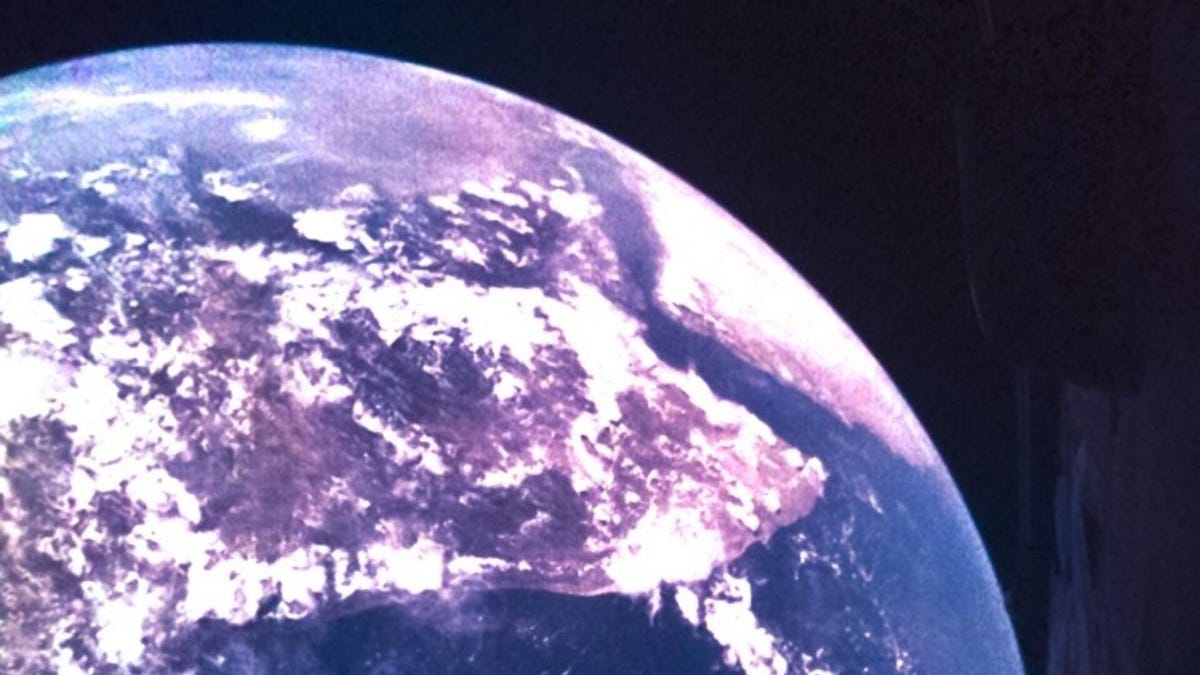
The European Space Agency's JUICE spacecraft, which is on an eight-year mission to study Jupiter's icy moons, captured its first images just hours after launching on Friday. The images show the spacecraft's solar array deployment and Earth as a stellar background. JUICE will use the gravity of the Earth-Moon system to propel it on its trajectory through the inner solar system.