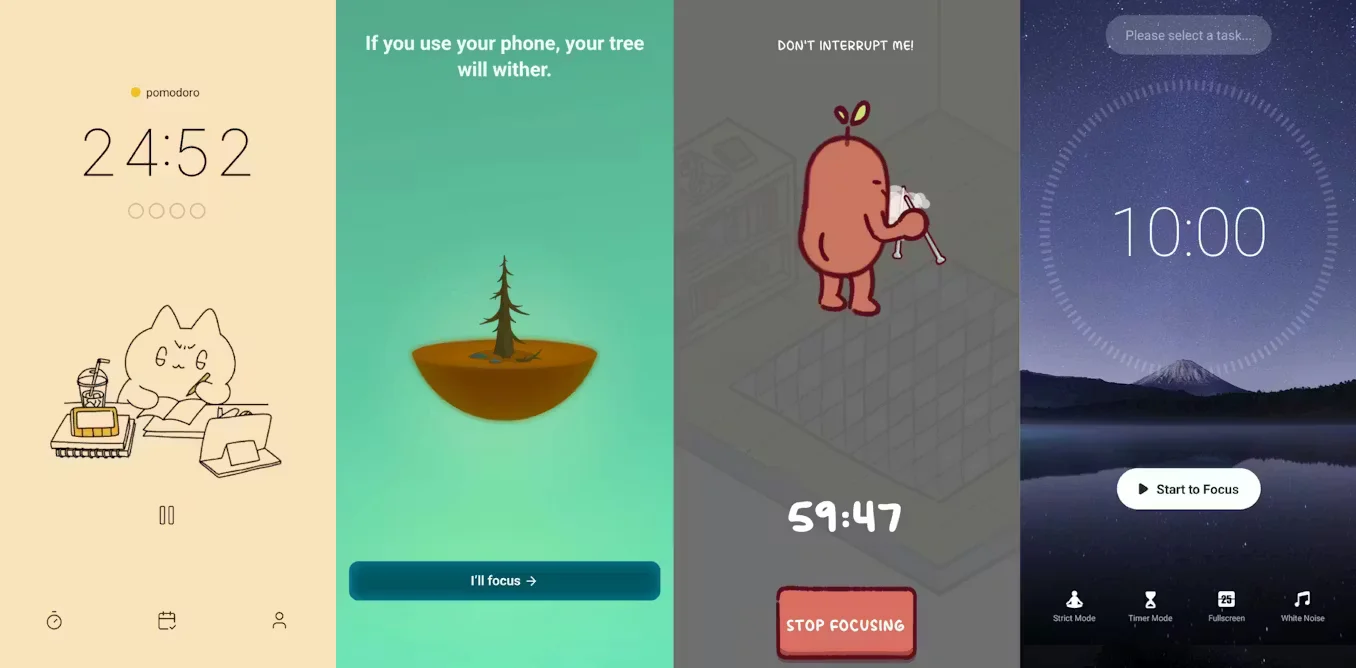
Focus apps, which use gamification and psychological principles to enhance concentration, are popular but lack strong scientific evidence for improving productivity. They may help by providing incentives and promoting commitment, but ultimately, addressing underlying self-regulation issues and mindful habits are key to sustained focus.
An antitech activist shares her journey of living without a smartphone and the challenges of overcoming laptop addiction, emphasizing the importance of reducing overall digital device use for a balanced life.
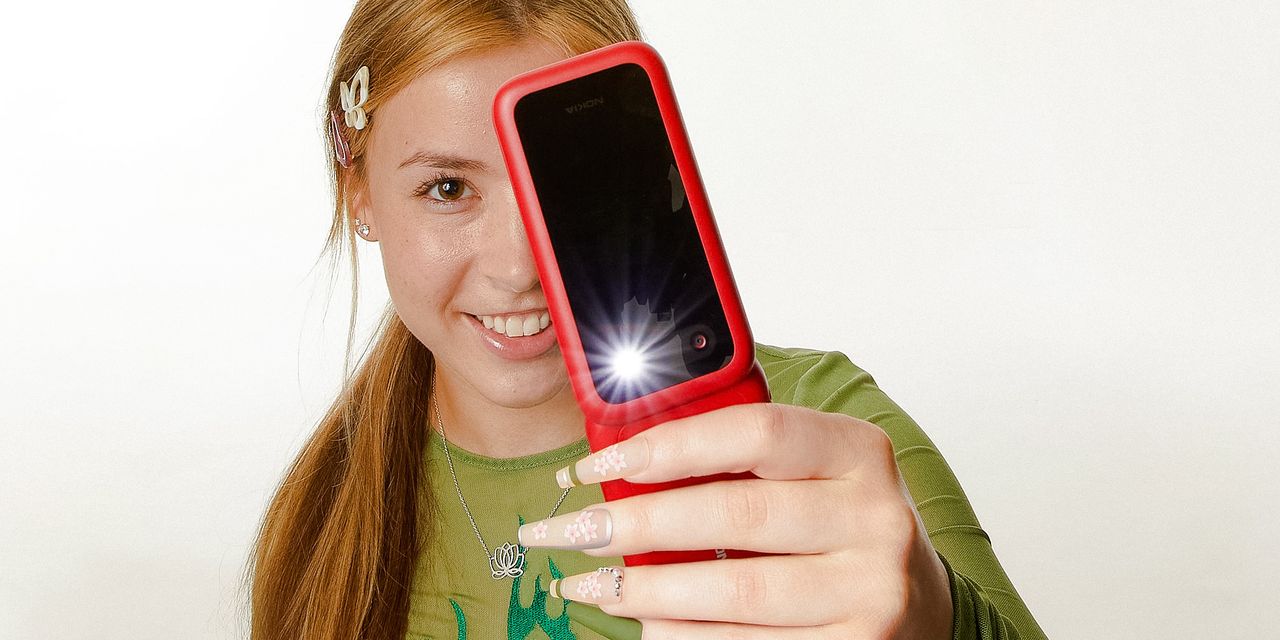
A growing movement among college students is swapping smartphones for flip phones to combat addiction, improve mental health, and foster genuine social interactions, with many experiencing benefits like increased mindfulness, creativity, and better personal connections.
A new study suggests that loneliness contributes to addictive smartphone use among adolescents, with self-esteem and boredom proneness acting as mediators. The need to belong also plays a role, amplifying the effects of boredom proneness and loneliness on addictive smartphone use. The findings highlight the complexity of factors contributing to smartphone addiction and emphasize the importance of social dynamics in understanding this behavior among young people. However, the study's cross-sectional design and reliance on self-reported measures are noted as limitations, and future research is recommended to explore the evolution of addictive smartphone use over time and consider additional motivational and contextual factors.
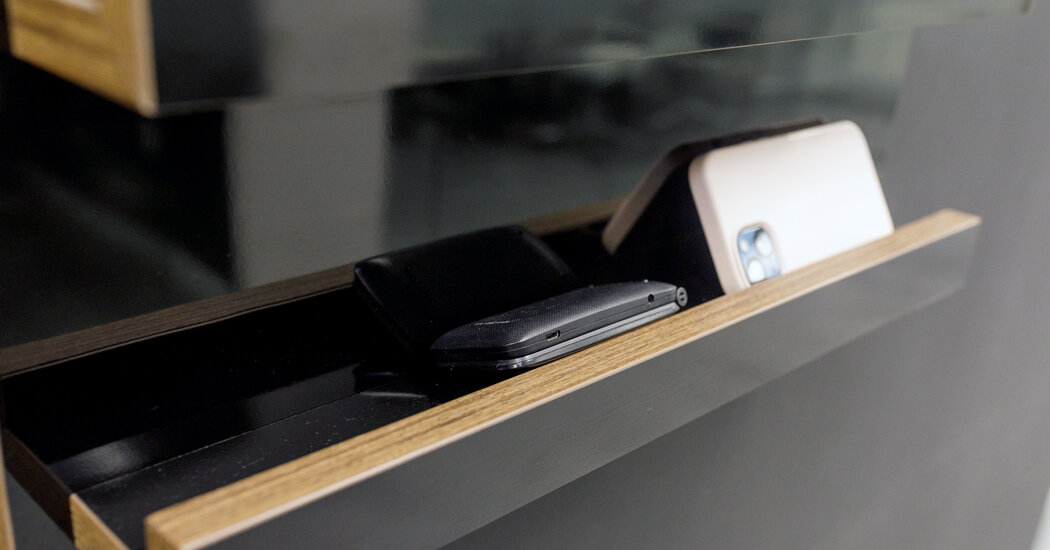
Fabuwood, a kitchen cabinet manufacturer, has implemented a no-phone policy during meetings and provided employees with flip phones as an alternative to smartphones. Employees have reported improved productivity, engagement in meetings, and better mental health. The company's CEO, Joel Epstein, believes that smartphones are detrimental to personal and professional lives and has seen positive results from using a flip phone himself. This move reflects a growing trend of individuals and companies seeking to reduce smartphone dependency for improved well-being and productivity.
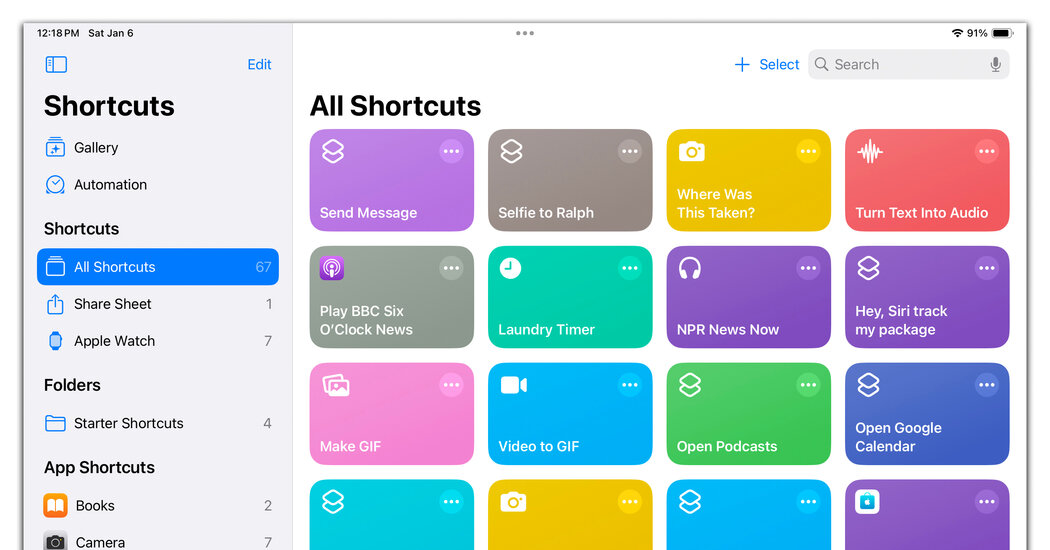
Google's Assistant Routines and Apple's Shortcuts app can help condense multiple actions into one tap or command, reducing screen time while still getting things done. Google's Routines feature offers personalized audio briefings and can be activated by voice or specific events, while Apple's Shortcuts app allows users to string together separate actions into one script and sync across devices. These tools may not cure smartphone addiction, but they can help users spend less time staring at screens and save time in the long run.
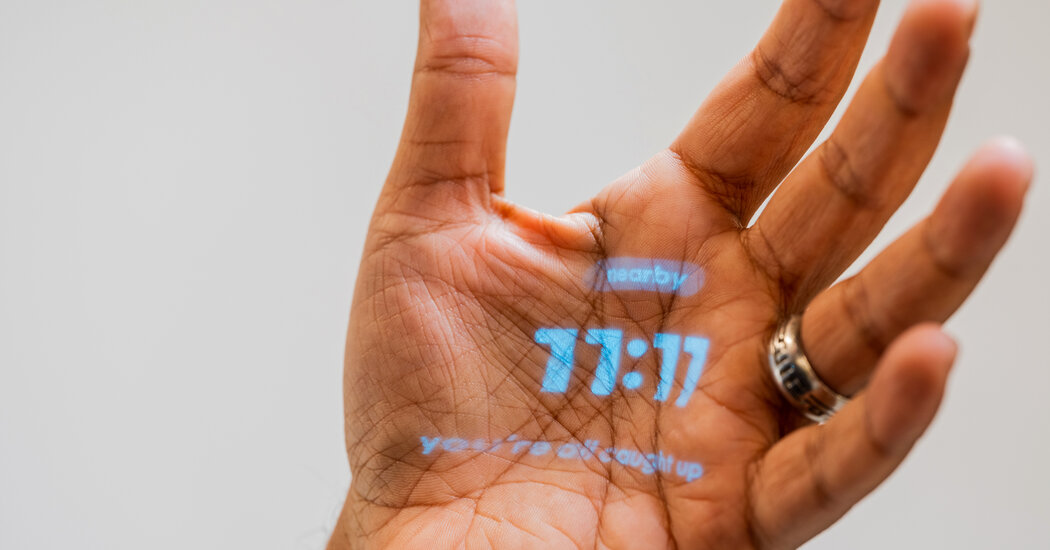
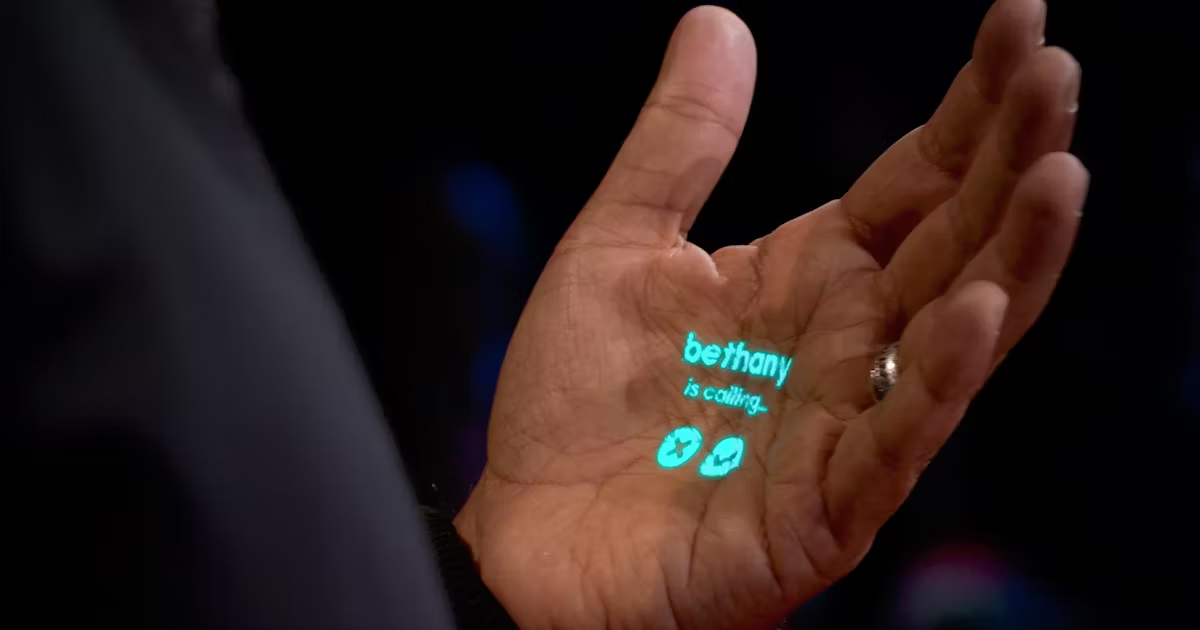
Humane, a start-up founded by former Apple employees, is set to release its new gadget, the Ai Pin, which aims to liberate users from smartphone addiction. The pin, billed as the first artificially intelligent device, can be controlled through voice commands, touchpad taps, or by projecting a laser display onto the palm of the hand. It offers features such as sending messages, making calls, playing music, and translating conversations. The device relies on AI to answer questions and summarize messages. However, there are concerns about its success, as wearable products in the tech industry have a history of failure. Humane plans to sell around 100,000 pins in the first year, priced at $699 with a $24 monthly subscription.
Holistic nutritionist Rebecca Leigh Sejzer shared her "ultimate wellness hack" on TikTok, advising people to put their smartphones on airplane mode for at least the first 30 minutes of their day. She explained that this practice has helped her anxiety, focus, and overall well-being. Sejzer uses this time to meditate, go outside, and journal before starting her day. Many viewers agreed that this simple lifestyle change has had a positive impact on their mental health, while others expressed concerns about potential emergencies. Experts suggest that avoiding morning cellphone use can have a greater impact on mindset and reduce smartphone addiction.
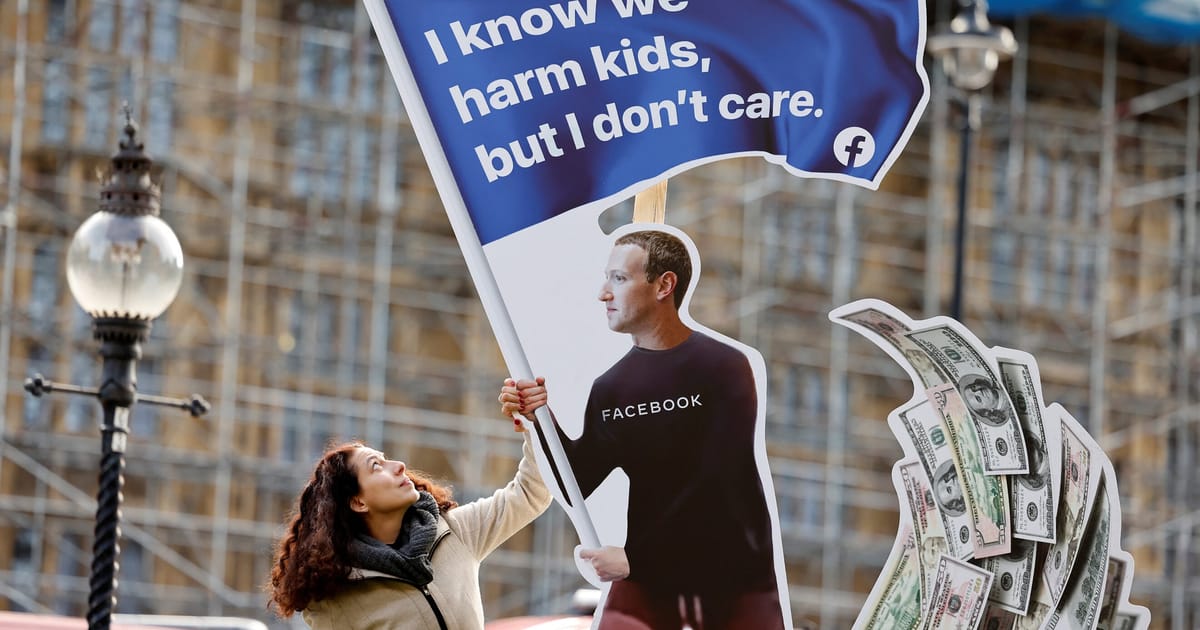
The European Union (EU) is taking steps to address excessive use of social media platforms and potential harm to children's mental health. Under the Digital Services Act (DSA), which comes into effect at the end of August, major online platforms like TikTok, Facebook, and YouTube will be required to prove that they are taking measures to protect children and open their systems to scrutiny by the European Commission. Non-compliance could result in fines of up to six percent of companies' global annual revenue. While the exact link between social media use and teen mental health is debated, concerns include anxiety, depression, body image issues, and poor concentration. The EU's new rules aim to mitigate potential risks and protect minors, but the effectiveness and enforcement of these measures remain uncertain.
Humane, the company behind the futuristic wearable AI projector, will begin taking orders later this year. The device, which aims to curb addiction to smartphones and allow users to be more present, was demoed by ex-Apple designer Imran Chaudhri during a TED Talk. While the company has not announced pricing, it will need to be affordable if it hopes to replace smartphones and smartwatches. The device uses AI to translate languages, read food labels, and provide summaries for emails and notifications.
Gen Zers are turning to flip phones as a way to combat smartphone addiction. Sammy Palazzolo and her friends at the University of Illinois Urbana-Champaign purchased flip phones from Walmart, with Palazzolo opting for a $40 AT&T Cingular Flex. The group felt like "slaves to their phones" and wanted to break the cycle of constant scrolling.