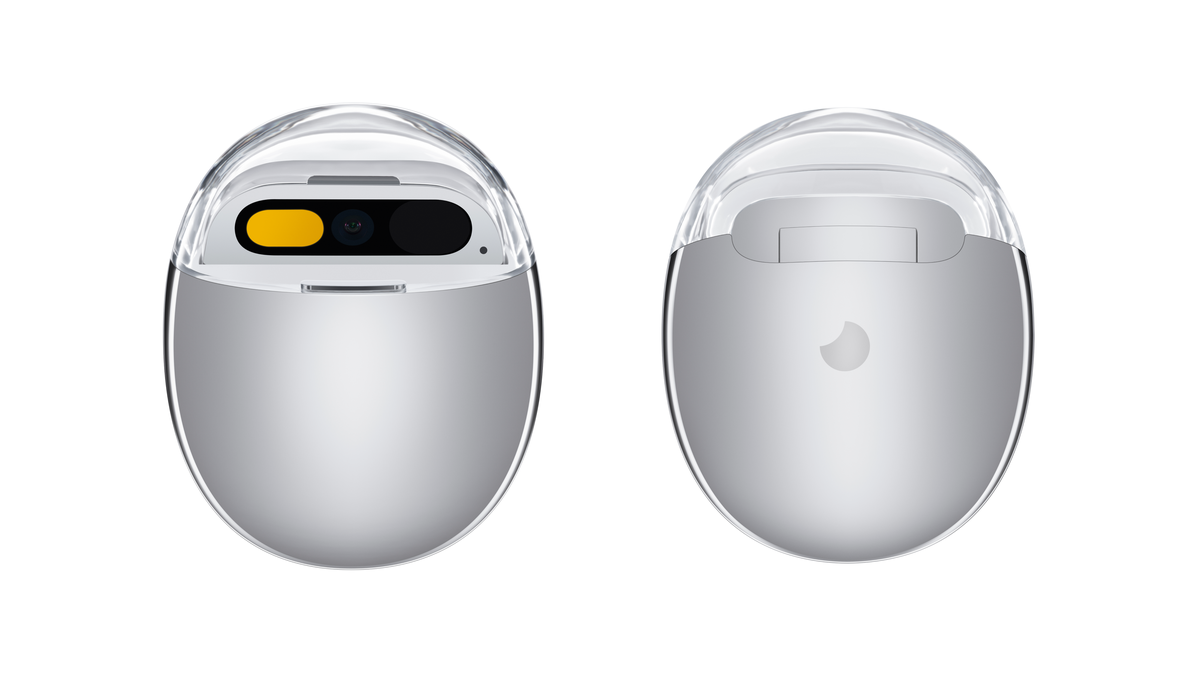
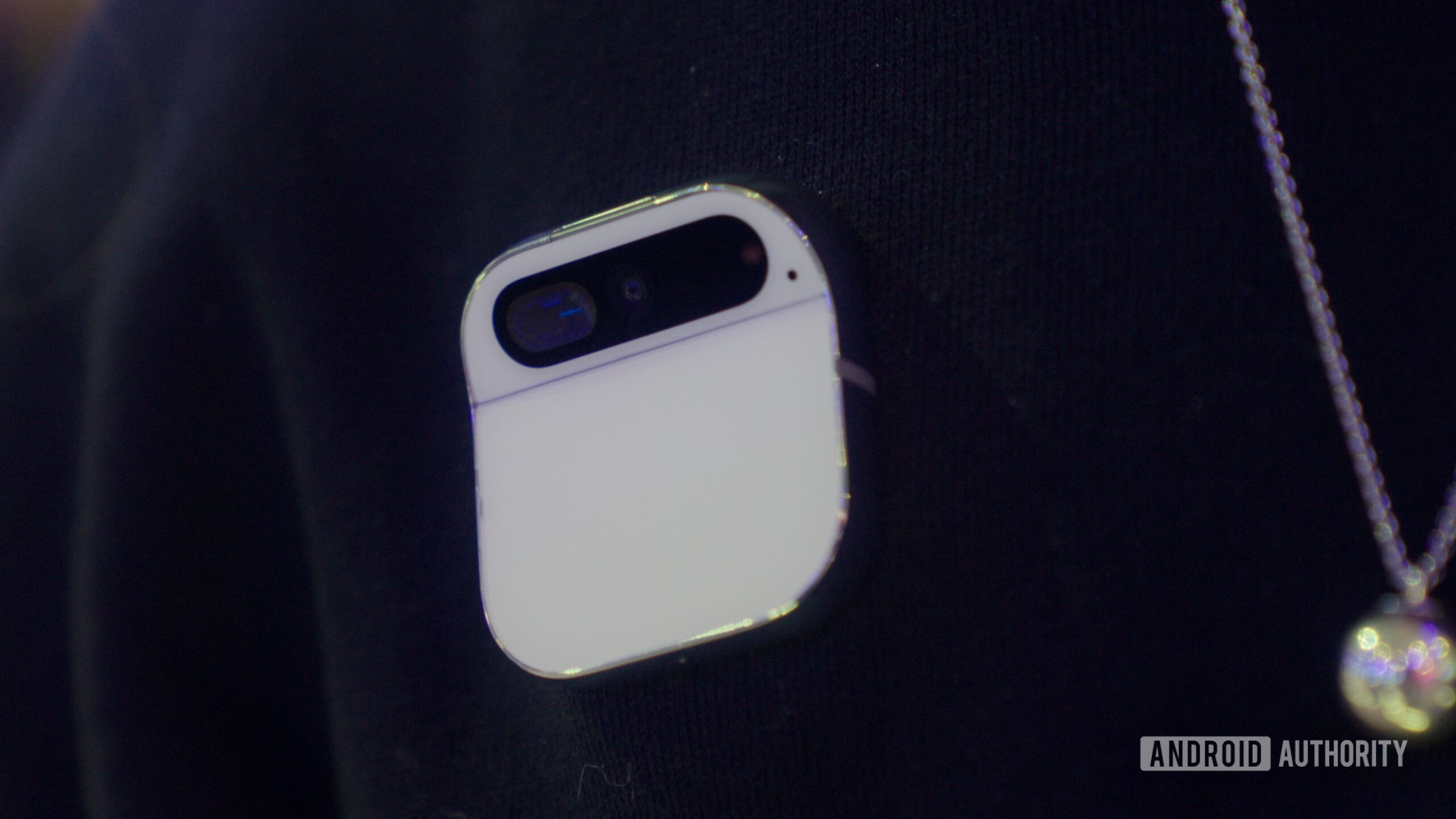
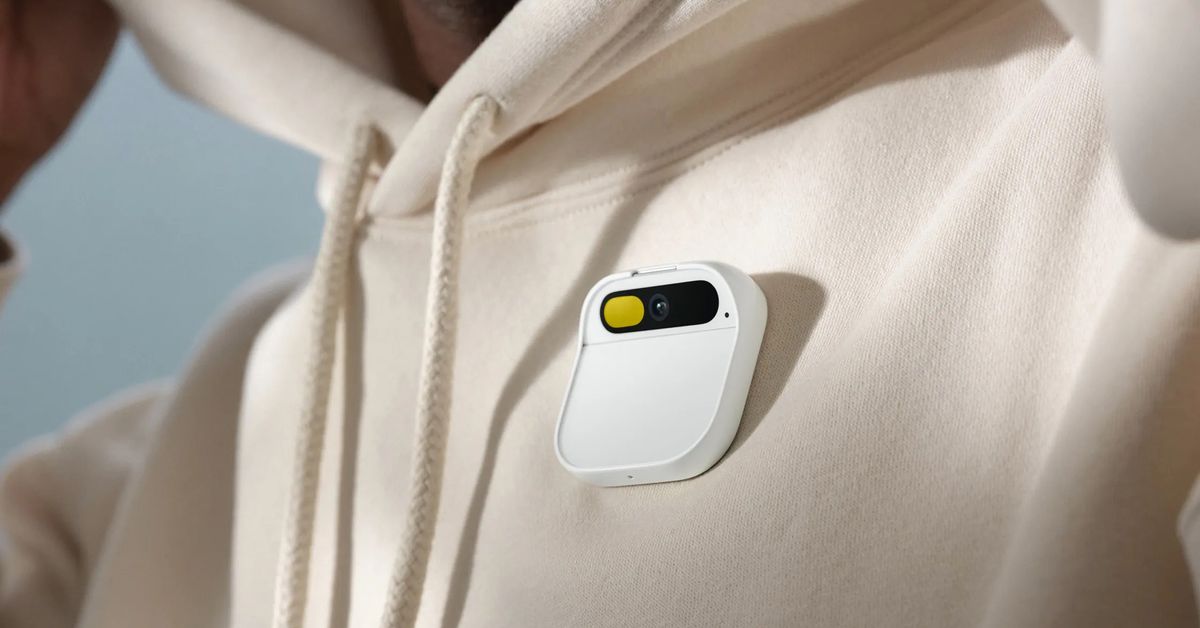
Reports say Apple is developing a compact AI pin with cameras, a speaker, microphones, and wireless charging to run Siri, but critics question its practicality and raise privacy concerns amid a wave of AI wearables from rivals.
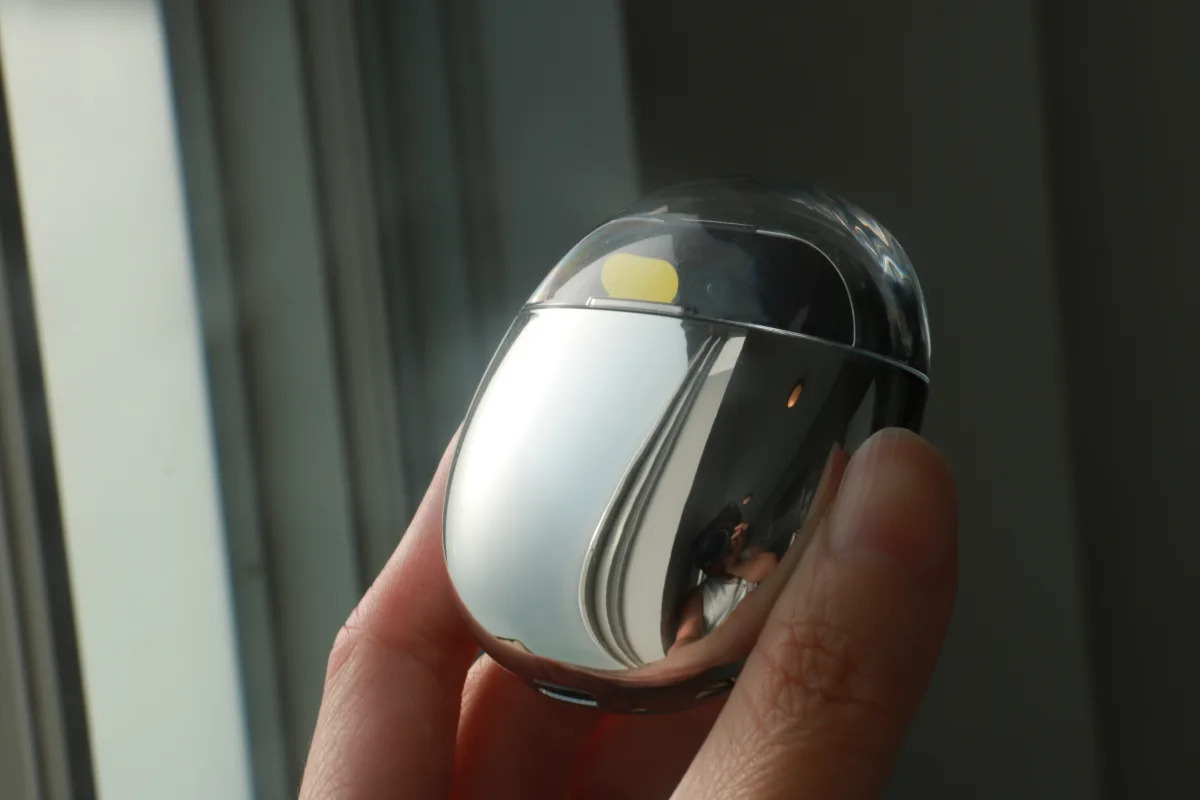
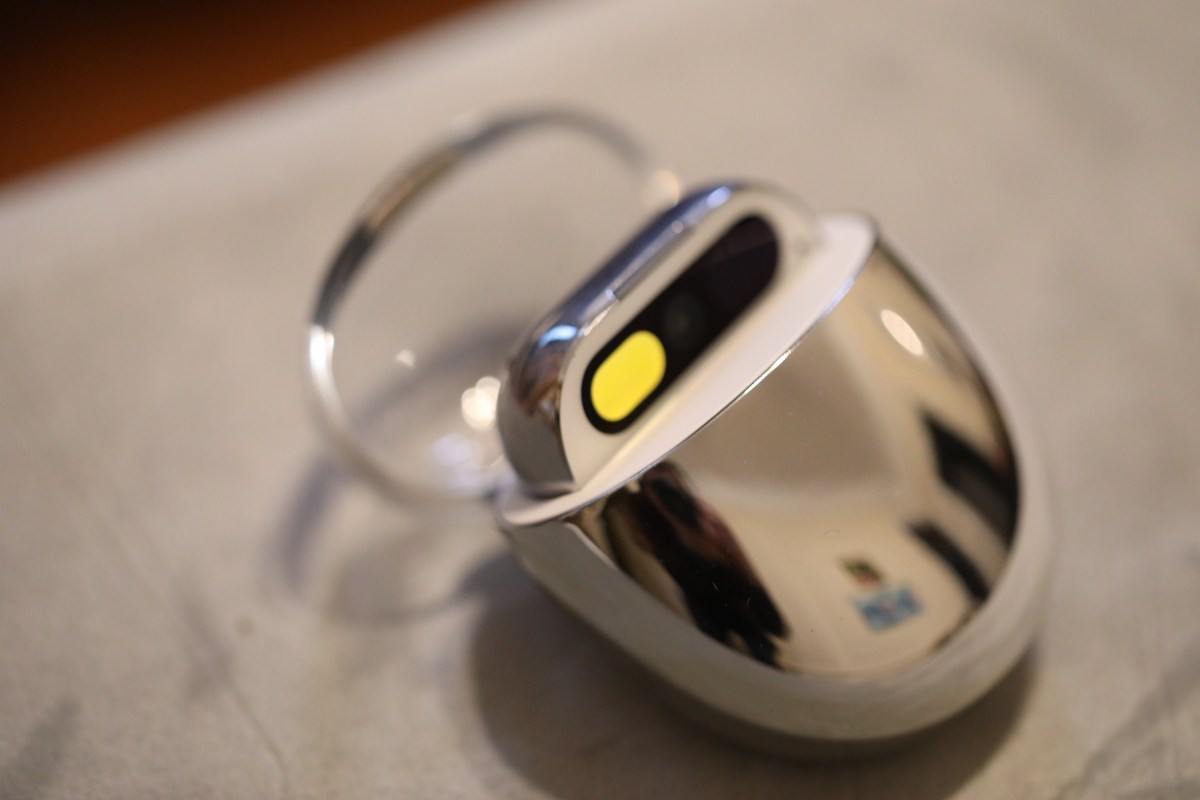
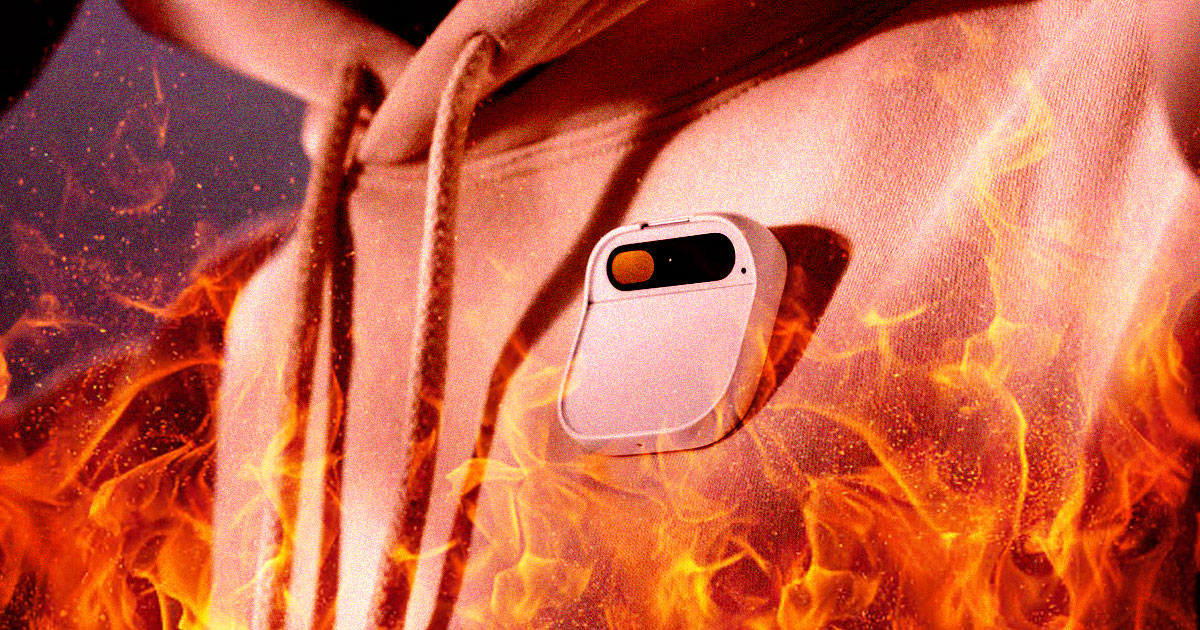
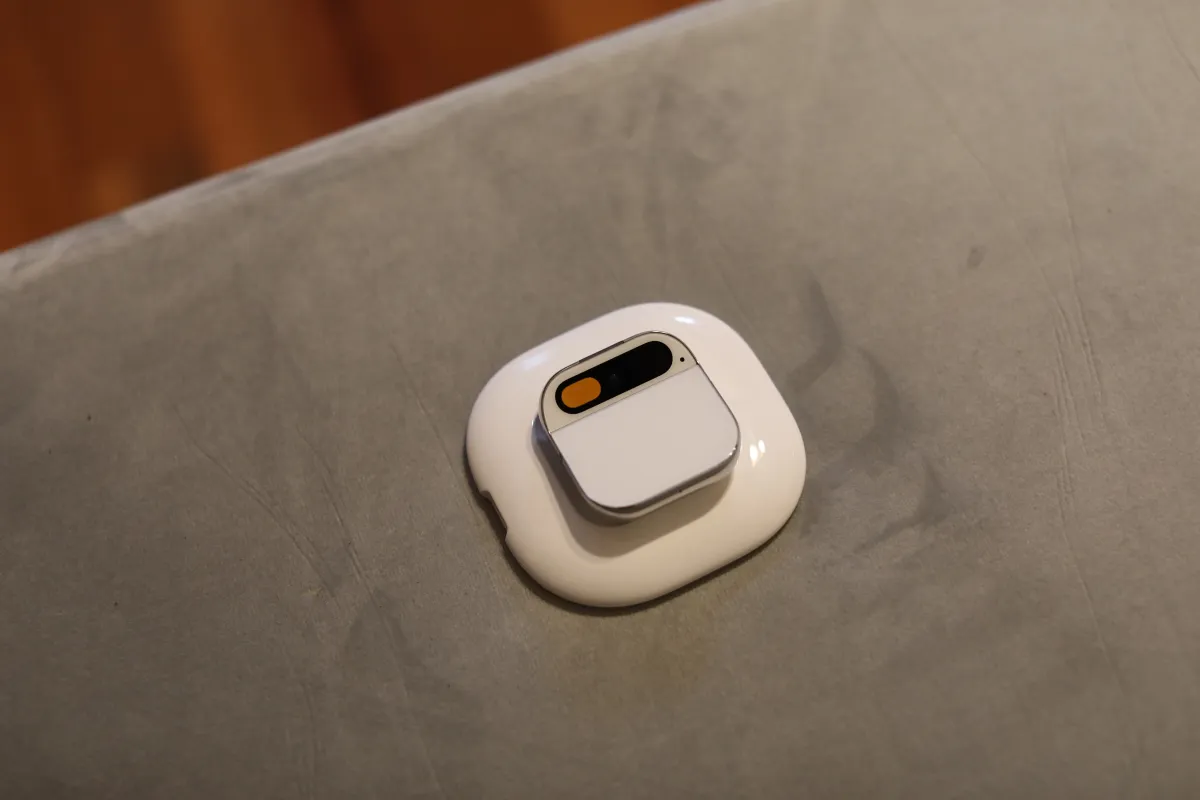
Humane has warned AI Pin owners to stop using its charging case due to a fire safety risk from faulty third-party battery cells. The company is seeking a new battery cell vendor and offering two free months of its subscription service as compensation. The Charge Case is currently out of stock, and the issue complicates Humane's efforts to sell itself for up to $1 billion.
Humane is reportedly in talks to sell itself to HP for over $1 billion following poor reviews of its $699 wearable AI Pin. The company, led by former Apple employees, has faced criticism for the device's performance issues, including overheating and battery life problems. Despite aiming to sell 100,000 units this year, Humane has only received around 10,000 orders. HP, which has a history of acquiring tech companies, is a potential buyer.
Humane has warned users to stop using the charging case for its AI Pin due to a potential fire safety risk linked to battery cells from a third-party vendor. The company is not calling it a recall but is offering two months of its subscription service for free while it investigates the issue and seeks a new battery supplier. Other charging accessories are reportedly safe to use.
Humane has asked customers to stop using its Ai Pin charging case due to potential fire hazards linked to substandard batteries from a supplier. The company is investigating the issue and has disqualified the battery vendor while seeking a new one. Humane is offering two free months of its subscription service as consolation but has not yet announced a full recall or refunds.
Iyo is launching the Iyo One, a generative AI-powered Bluetooth earbud, aiming to succeed where Humane's Ai Pin and Rabbit's R1 failed. Unlike its competitors, Iyo leverages an established product category and offers immediate value as premium headphones. The Iyo One, priced at $599 for Wi-Fi and $699 for cellular, promises advanced features without requiring a subscription fee, though it faces stiff competition from major tech brands and budget options.
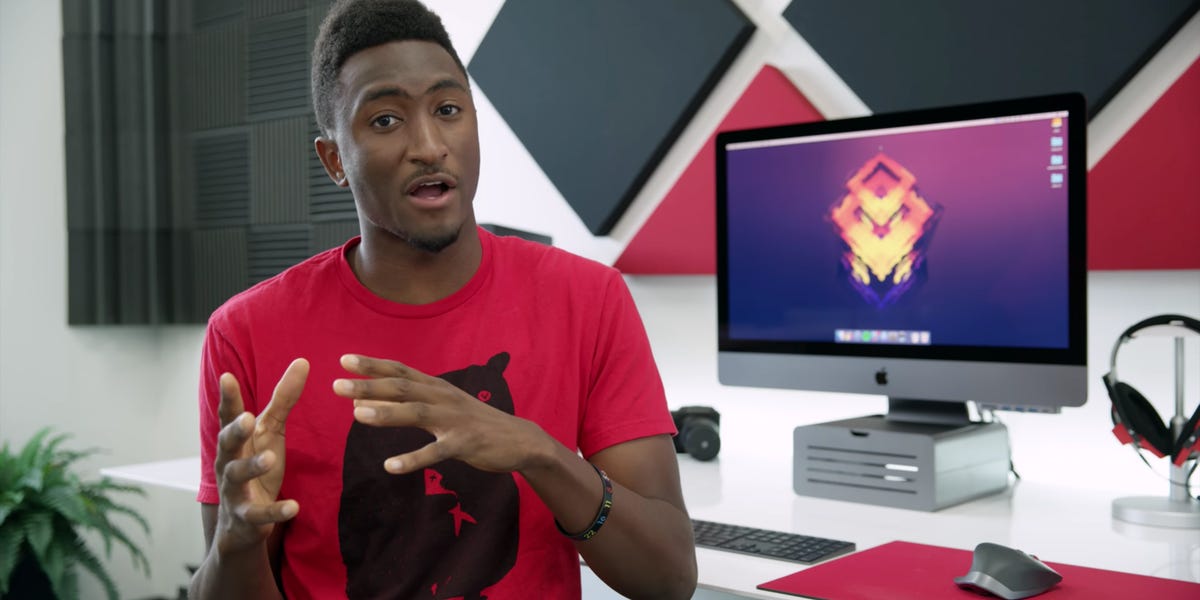
YouTuber Marques Brownlee's scathing review of Humane's new AI Pin sparked controversy, with some criticizing the potential damage to the startup. While a Humane employee took the feedback in stride, others called the review "almost unethical" due to Brownlee's influence. The $700 wearable computer, intended to assist with daily tasks, received praise for its build but was criticized for being slow, returning wrong answers, and having poor battery life and photo/video quality. The review garnered strong reactions, with some expressing concern over its potential impact on Humane's future.
Reviews for Humane's new AI Pin are in, and they reveal significant issues with the device, including slow performance, inability to execute basic commands, inconvenient operation, and a nearly useless outdoor laser display. Reviewers also found problems with translation and noted that the device doesn't sync with a phone, instead using a web dashboard. Despite these issues, Humane promises forthcoming updates to improve the device's usability.
Humane's head engineer, Ken Kocienda, defended the Ai Pin wearable device against scathing reviews, acknowledging that it can be "frustrating sometimes" but criticizing the trend of jumping on the "skepticism bandwagon." The device, designed to reduce smartphone dependence, has received criticism for being "unfinished" and "not that useful," with reviewers questioning its $699 price tag and $24 monthly subscription. While some tech experts remain unconvinced, others argue that the narrative of new products needing to replace existing ones is outdated, and the device's concept and aesthetic have received some positive feedback.
Humane's highly anticipated AI wearable device, the "Pin," has been panned in reviews for its $700 price tag and $24 monthly subscription plan, with critics citing its poor performance, clunky interface, and inability to fulfill basic functions like accurate weather reporting and translation. The device, intended to reduce smartphone usage, has been described as a frustrating and overpriced first-generation product, leading to doubts about the company's future and the potential for improved iterations.
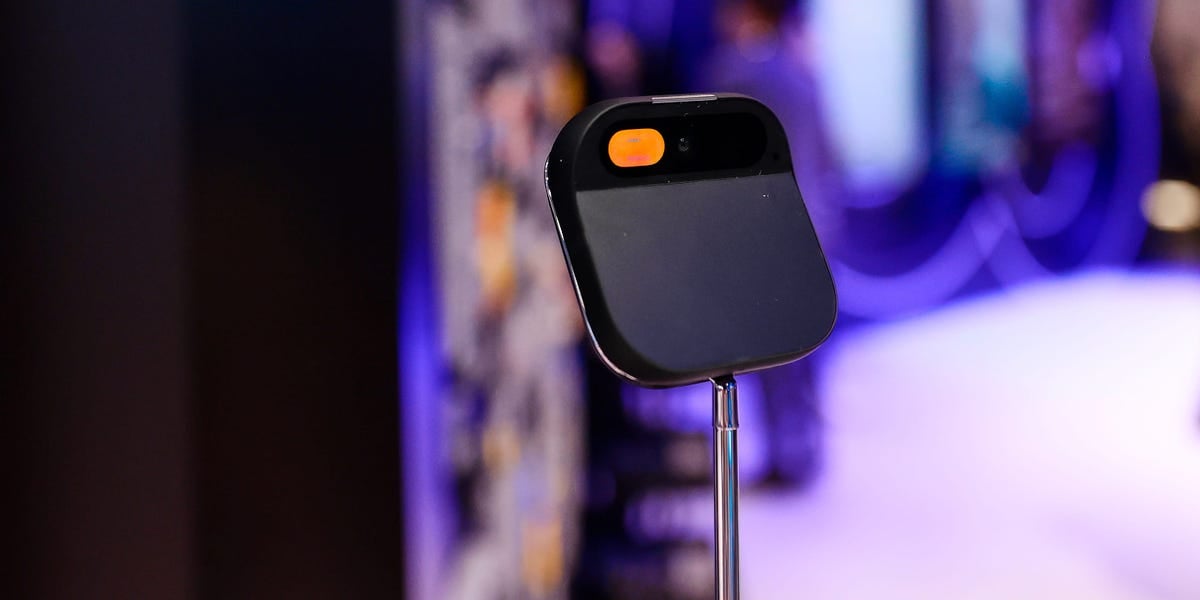
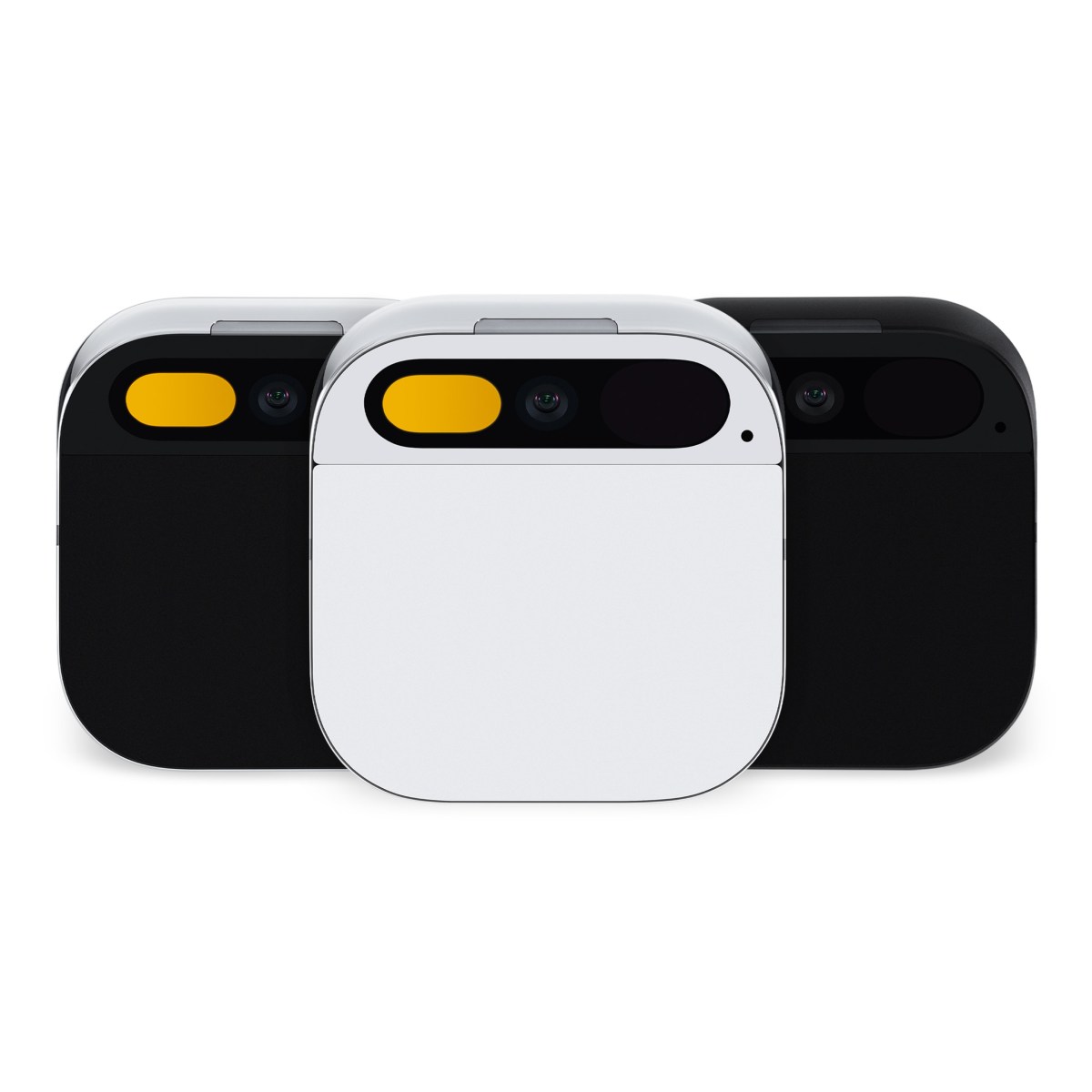
Humane, a Bay Area-based hardware startup, has released its first product, the Ai Pin, priced at $699 with additional accessories and a subscription service. The device aims to provide a voice-based, always-connected experience to help users reduce screen time and harness the power of generative AI platforms. Co-founders Bongiorno and Chaudhri hope to address the side effects of excessive phone usage with their innovative product, which represents a keen attention to detail despite being a first-generation device.
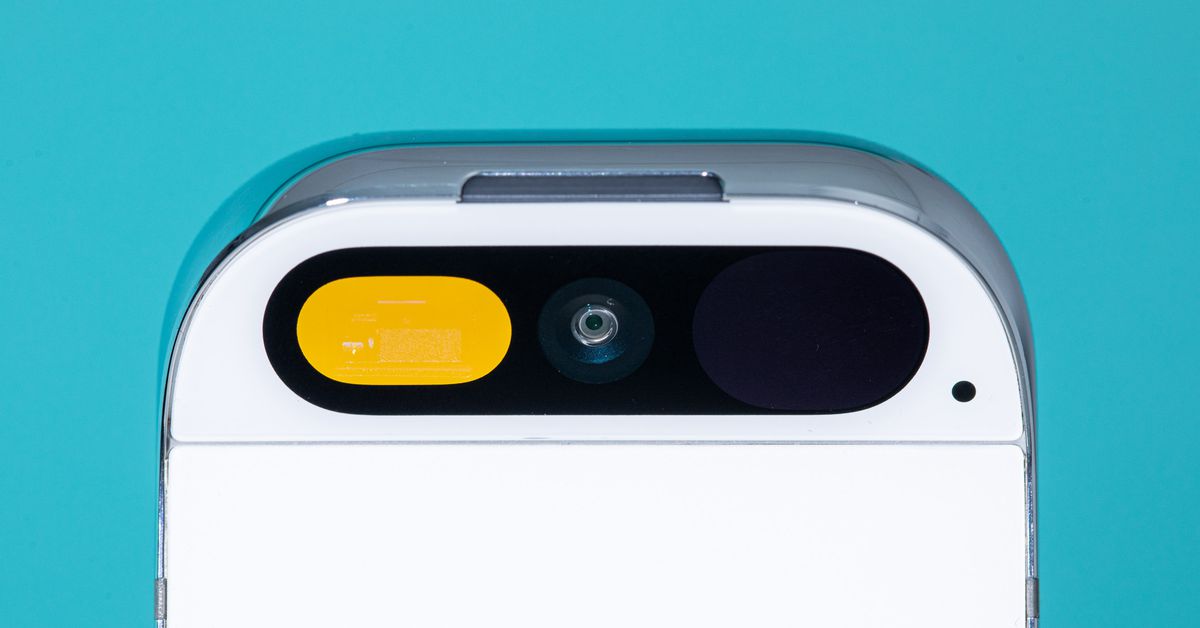
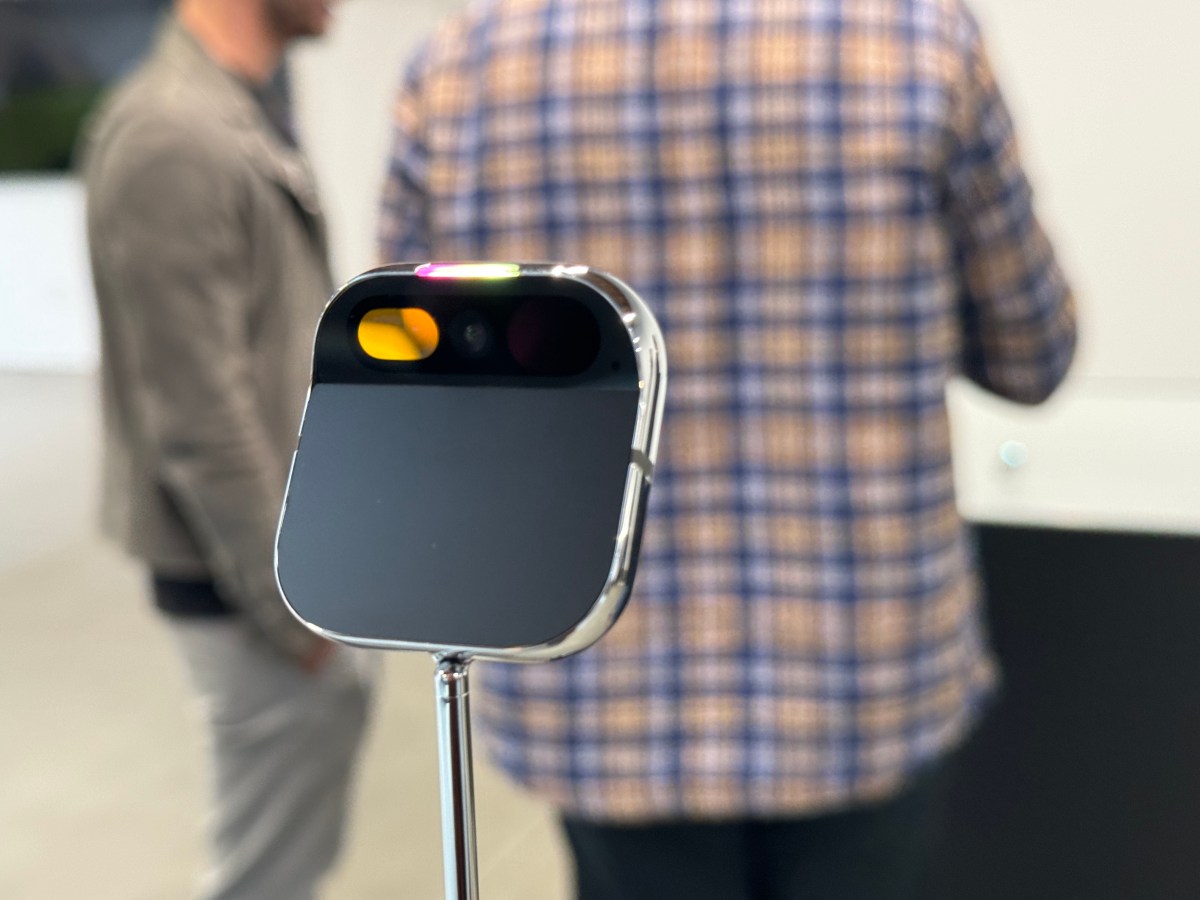
Humane, a startup founded by former Apple executives, is set to launch its first product, the Humane Ai Pin, which aims to offer a human-centered alternative to the smartphone experience. The device, equipped with generative AI and a built-in projector, is designed to provide a hands-free and screen-free interface, reflecting a shift in consumer tech away from traditional smartphones. Despite facing competition and minor setbacks, the company has secured significant funding and is positioning itself for potential future growth, including the possibility of an IPO.
Humane, a San Francisco-based AI startup, has announced its first international market in South Korea through a partnership with SK Telecom, the country's largest mobile provider. The company's wearable device, Ai Pin, features sensors, generative AI, and a mini projector, with a $699 price tag and a $24 monthly subscription for unlimited data and a phone number. The partnership includes licensing Humane's AI-enabled operating system, CosmOS, and collaboration on new subscription offerings for the Korean market. Despite delays in the U.S. launch, the move to expand internationally signals a positive development for Humane.
Humane's highly anticipated Ai Pin has been delayed to mid-April, with the first units set to leave the factory at the end of March. The wearable device, positioned as a step beyond the smartphone form factor, represents a growing trend in consumer hardware leveraging generative AI. The company, which has raised around $230 million, faces pressure to deliver a consumer-ready product, especially after announcing layoffs during CES. Preorders for the Ai Pin are available at $699, with early orders receiving a three-month subscription service for free.
Humane, a five-year-old startup, laid off 4 percent of its employees, numbering 10 people, ahead of the release of its AI-powered pin. The company, which has raised over $200 million from Silicon Valley investors, is preparing to ship its $699 device and has undergone a reorganization, with the founding CTO transitioning to an advisor role. CEO Bethany Bongiorno described the cuts as part of a wider organizational refresh, while sources indicated that they were communicated as layoffs to those impacted.