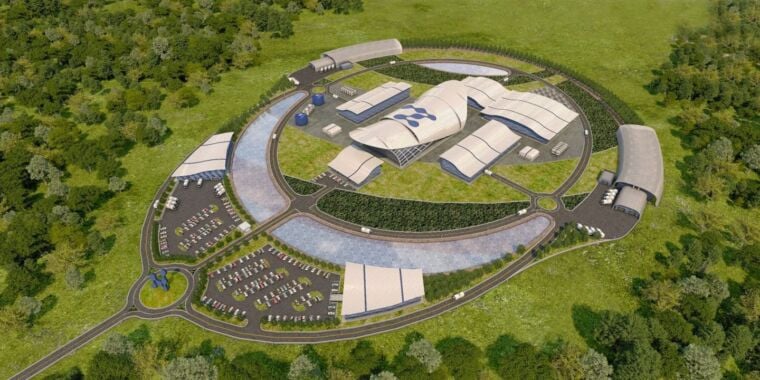
Duke Energy has submitted an early site permit application to the NRC for a potential new nuclear site near Belews Creek in North Carolina, exploring small modular reactor technologies to meet future energy needs while reducing risks and costs, with plans to add 600 MW of nuclear capacity by 2037 if the project proceeds.
Ontario and New York have signed an agreement to collaborate on developing nuclear technologies, including small modular reactors, to meet increasing energy demands, enhance reliability, and promote decarbonization, with a focus on technological innovation, trade, and workforce development.
The U.S. Department of Energy has selected TVA and Holtec to support the deployment of small modular reactors in Tennessee and Michigan, with up to $800 million in funding, aiming to deliver new nuclear capacity by the early 2030s and strengthen domestic supply chains as part of a broader effort to expand America's energy independence and security.
Big tech companies are investing in nuclear energy, particularly small modular reactors, to meet the growing power demands of AI and data centers, despite challenges like public perception, high costs, and waste management. While promising, these technologies are still in early stages and may only address future energy needs years down the line.
The US and UK announced extensive nuclear power agreements, including building small modular reactors and securing uranium supplies, aiming to boost energy security, reduce dependence on Russian nuclear material, and promote a new era of nuclear energy cooperation during President Trump's visit to the UK.
The Biden administration has unveiled a roadmap to triple the US's nuclear energy capacity by 2050, aiming to add 200 gigawatts of new capacity. This plan, which includes deploying small modular reactors and extending the life of existing plants, faces challenges such as high costs, aging infrastructure, and potential policy shifts under a Trump administration. Despite these hurdles, nuclear energy has gained bipartisan support and interest from big tech companies as a carbon-free power source.
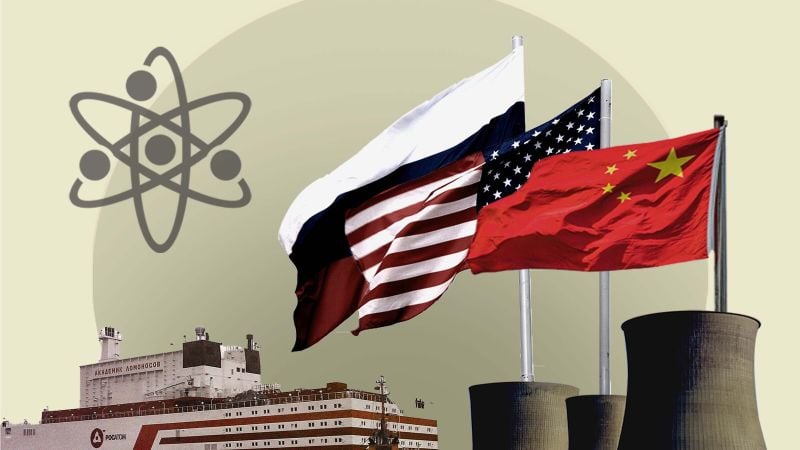
The US is investing heavily in small modular reactors (SMRs) as a potential solution to cut fossil fuels and compete with China and Russia in the nuclear energy market. SMRs are smaller, less costly, and can be built in more places than traditional reactors, making them a promising option for countries seeking to decarbonize their energy systems. However, the US is facing challenges in proving the economic viability of SMRs, as demonstrated by the recent setback of a major SMR project. Despite this, the US is pushing to sell SMR technology to countries around the world, aiming to establish long-term relationships and strengthen its influence in the global energy market.
Governor J.B. Pritzker of Illinois has signed legislation lifting a three-decade moratorium on the development of nuclear reactors in the state. Starting from January 2026, smaller nuclear reactors producing less than 300 megawatts of power will be allowed. The proposal's sponsor, Senator Sue Rezin, argues that nuclear power is crucial for the state's renewable energy portfolio. The law aims to utilize advancements in new nuclear energy technology, particularly small modular reactors. Critics argue that wind and solar power are sufficient to replace fossil fuels, but supporters highlight the need to keep two unprofitable nuclear plants operational to meet energy demands while closing coal-fired power plants by 2045.
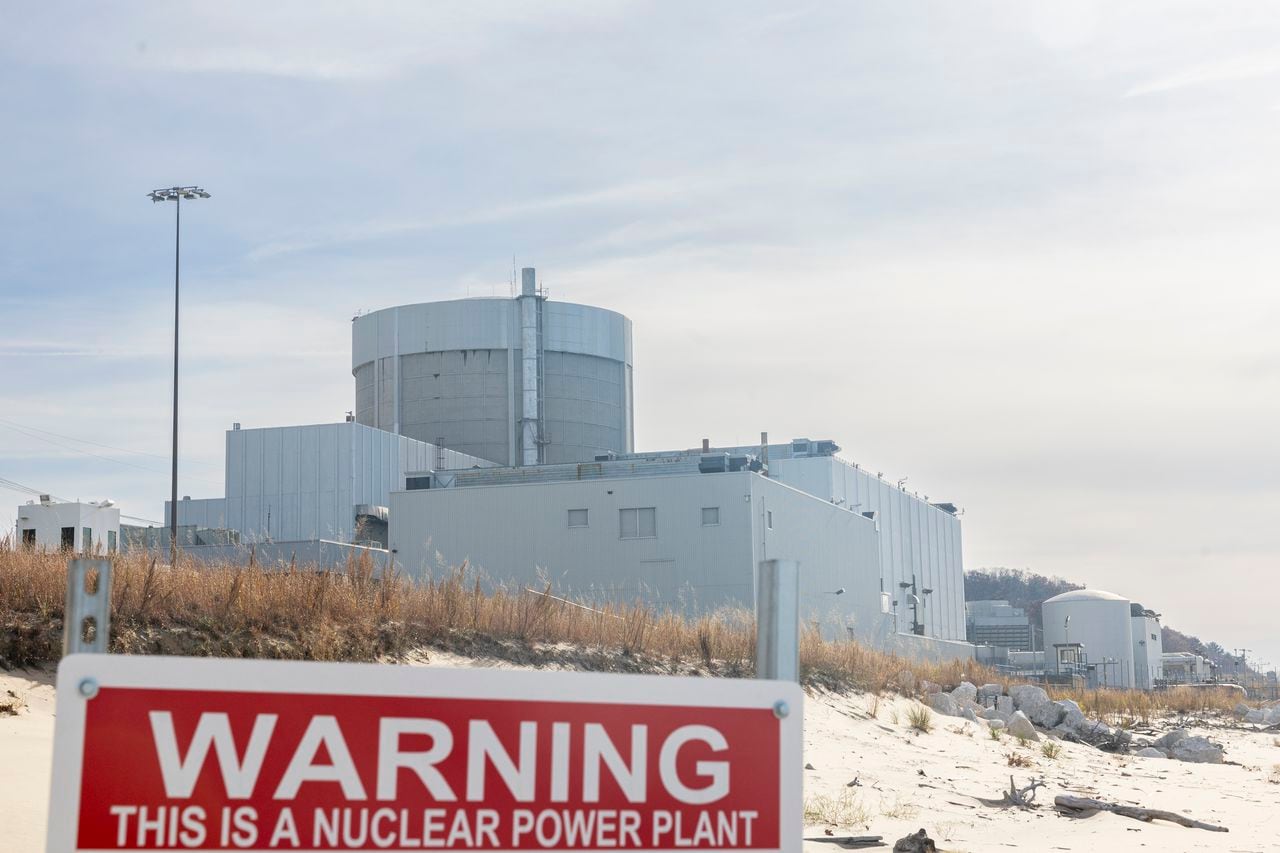
Holtec International plans to seek federal approval to build two 300-megawatt small modular reactors (SMRs) at the closed Palisades Nuclear Power Plant site in Covert Township, Michigan. The company aims to restart the plant in 2025 and file construction plans for the new units in 2026.
The first planned small modular nuclear reactor plant in the US, known as the Carbon Free Power Project, has been canceled. The project, developed by NuScale Power and its primary partner Utah Associated Municipal Power Systems, faced economic challenges as the cost of renewables dropped. The project lacked enough utility partners to continue, leading to its cancellation. This setback raises uncertainty about the future deployment of commercial reactors by NuScale and the overall prospects of nuclear power in the US.
Rolls-Royce has been selected as one of the six companies to advance to the next stage of the UK government's competition for scaled-down nuclear power plants, while Bill Gates' nuclear reactor design company Terrapower has been excluded. The remaining contenders include EDF, GE-Hitachi, Holtec Britain, Nuscale, and Westinghouse Electric. Terrapower may still feature in an upcoming consultation on advanced technology. Small modular reactors are a key part of the UK's plan to revive domestic nuclear energy, with the aim of increasing nuclear generation from 7GW to 24GW by the mid-2030s.
Microsoft is seeking a nuclear technology expert to help integrate small modular nuclear reactors and microreactors to power its data centers for the Microsoft Cloud and AI. The company aims to generate energy through nuclear fission and has previously invested in nuclear innovation companies. Small nuclear reactors are cheaper and quicker to build, making them an attractive option for powering data centers. This move aligns with Microsoft's commitment to pursuing clean energy solutions and reducing carbon dioxide emissions.