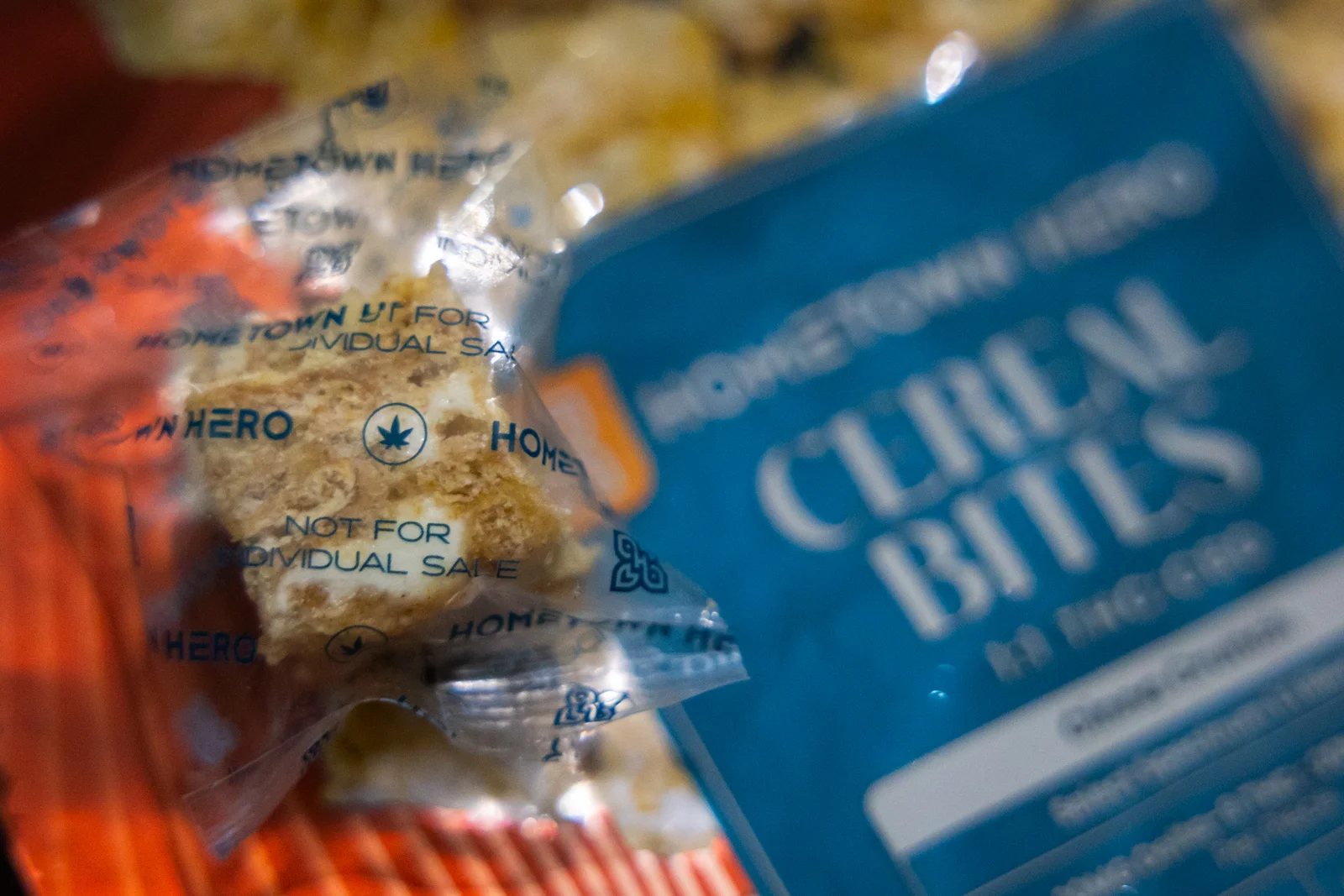
Texas proposes a dramatic increase in licensing fees for hemp retailers, up to 13,000%, aiming to tighten industry oversight but risking the closure of many small businesses and limiting access to natural hemp products, which advocates and veterans argue are vital for health and well-being.
Amid the decline of traditional retail, New Jersey malls like Moorestown are transforming by hosting small businesses, pop-up markets, and experiential events to revitalize community engagement and adapt to changing consumer habits.
Bankruptcies are rising across the US economy, affecting households, small businesses, and large corporations, with the highest levels in 15 years, driven by increased costs, tighter credit, and geopolitical volatility, and occurring across diverse industries in an unusual pattern.
Apple is investing in US manufacturing by providing technical support and training to small manufacturers through its Manufacturing Academy, including developing AI tools to improve quality control, which benefits both the companies and Apple's broader strategic interests in domestic production.
In November, private U.S. employers lost 32,000 jobs, with small businesses experiencing the largest decline of 120,000 jobs, reflecting a broad economic slowdown and challenges from recent policies, according to ADP. The report highlights ongoing employment instability amid economic pressures and delays in official government data due to the shutdown.
US private payrolls declined by 32,000 in November mainly due to small business layoffs, but this may not reflect the overall labor market health, as government data shows low layoffs and the ADP report's reliability is questionable. Import prices remained unchanged in September, with tariffs and currency fluctuations influencing costs. The upcoming official employment report is delayed, and Federal Reserve rate decisions may be influenced by these mixed signals.
In November, U.S. private payrolls unexpectedly declined by 32,000, primarily due to significant job cuts in small businesses, signaling a slowdown in the labor market. Larger firms added jobs, but the overall decrease was the largest since March 2023, raising concerns ahead of the Federal Reserve's upcoming rate decision.
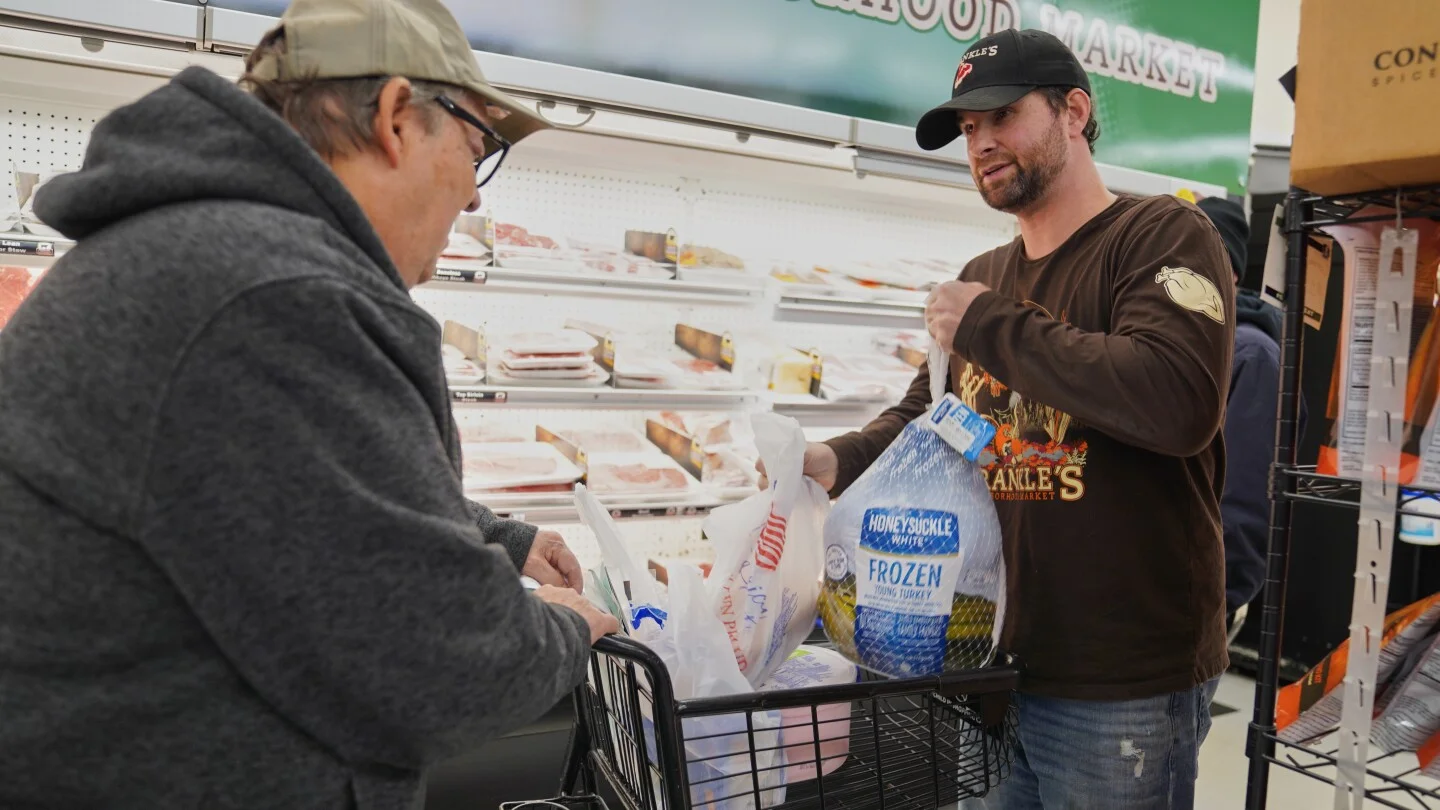
The delay in SNAP benefits due to the US government shutdown has negatively impacted millions of Americans, small grocery stores, and local economies, with stores experiencing reduced sales, layoffs, and increased food insecurity among vulnerable populations. Legislation to reopen the government and restore SNAP funding has passed the Senate but awaits House approval, leaving the situation uncertain.
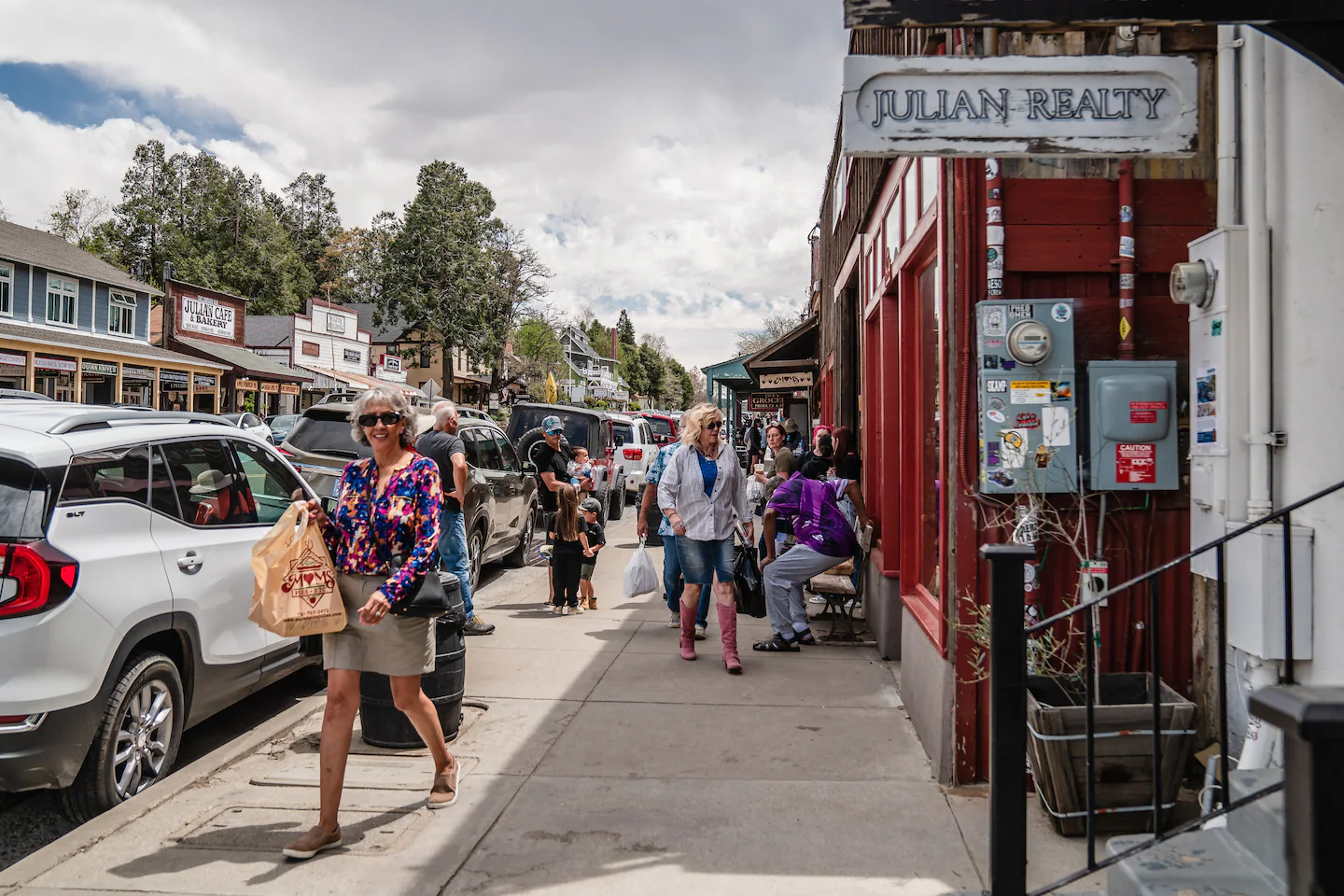
Small businesses in the US are pulling back on hiring and spending due to economic uncertainties, inflation, trade tariffs, and consumer confidence issues, highlighting their vulnerability to broader economic shifts despite their crucial role in employment and local economies.
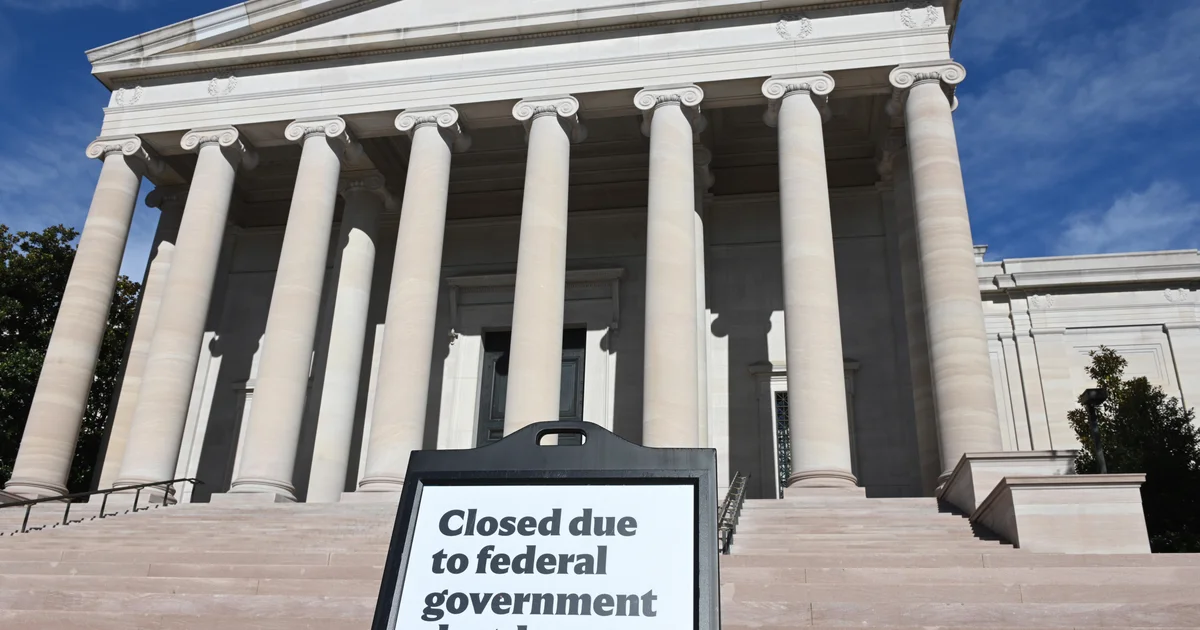
The ongoing U.S. government shutdown is costing the economy billions weekly, affecting federal workers, consumer spending, small businesses, federal contractors, and the travel industry, with an estimated total loss ranging from $7 billion to $16 billion per week and a potential permanent economic loss of up to $14 billion.
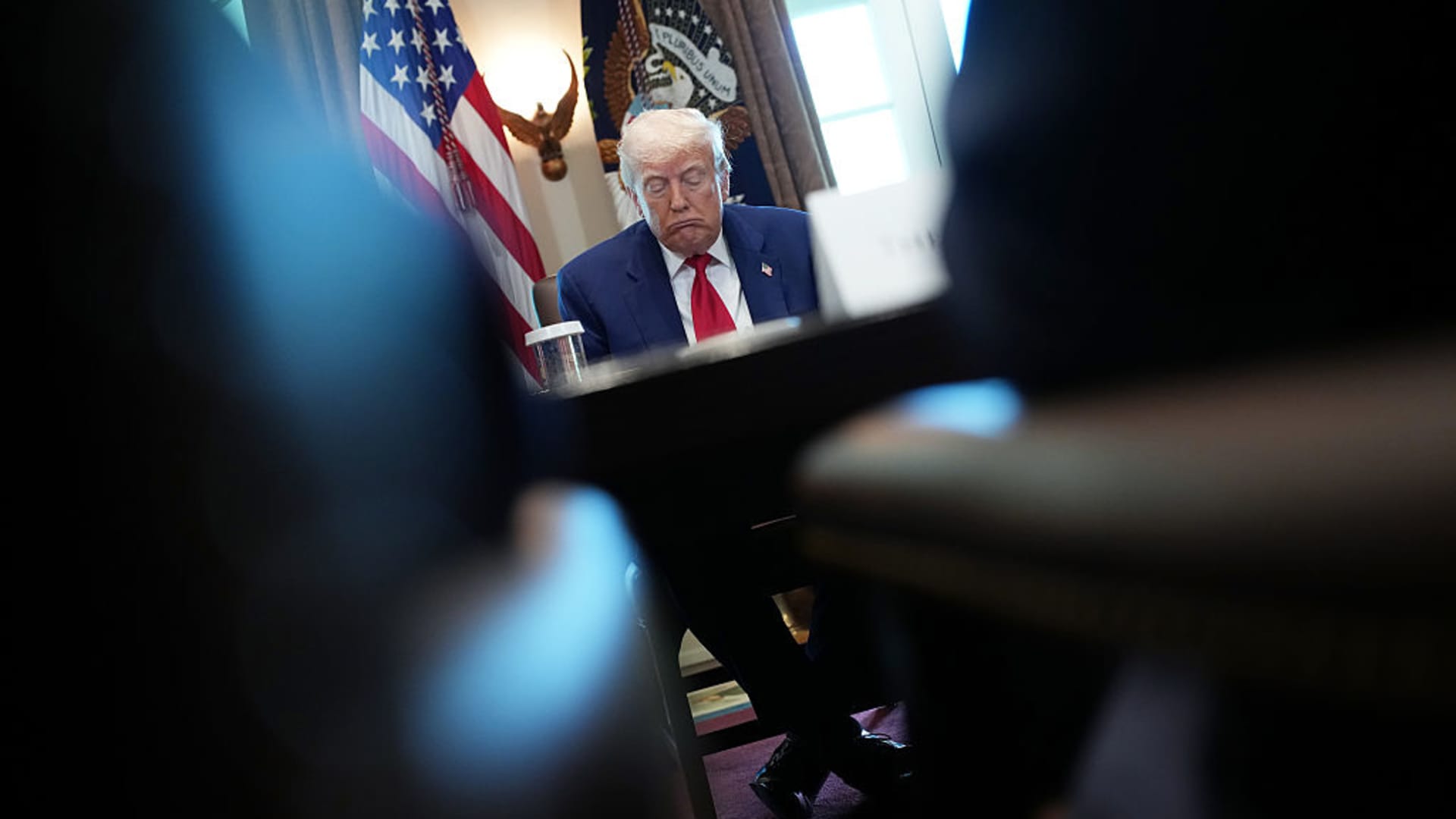
Small businesses have appointed Neal Katyal to argue before the Supreme Court that President Trump's tariffs are unlawful, in a case that tests the president's authority under the International Emergency Economic Powers Act, with a decision expected to impact international commerce and presidential powers.
Small businesses in the US are struggling under Trump's tariffs, facing increased costs, reduced sales, and potential layoffs, which could signal broader economic challenges ahead, especially for larger firms and the overall economy.
Walmart is supporting American small businesses and manufacturing through its annual Open Call, awarding Golden Tickets to over 100 entrepreneurs, including Grandma Betty’s Grits, to boost domestic sourcing and reduce reliance on tariffs. The company has committed $350 billion over 10 years to purchase U.S.-made products, aiming to strengthen its supply chain and mitigate risks related to innovation and production. WMT is rated a Strong Buy with a target price of $114.89, suggesting a 12% upside.
Wall Street strategists are optimistic about a stronger U.S. economy in 2026, driven by easier credit, reduced policy uncertainty, and continued Federal Reserve rate cuts, despite mixed signals and concerns about AI's impact on employment.
US tariffs on Indian imports, especially the 50% increase imposed by the Trump administration, are significantly impacting Indian-American businesses and communities, leading to increased costs, potential closures, and strained US-India relations amid geopolitical tensions and economic challenges.