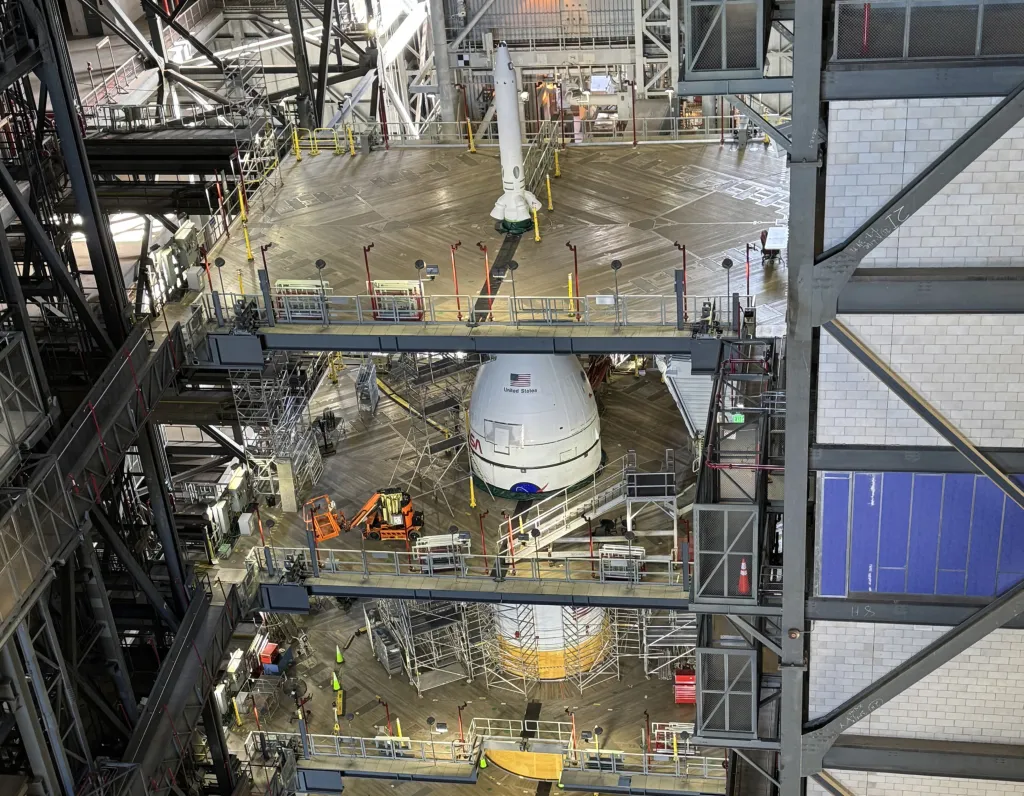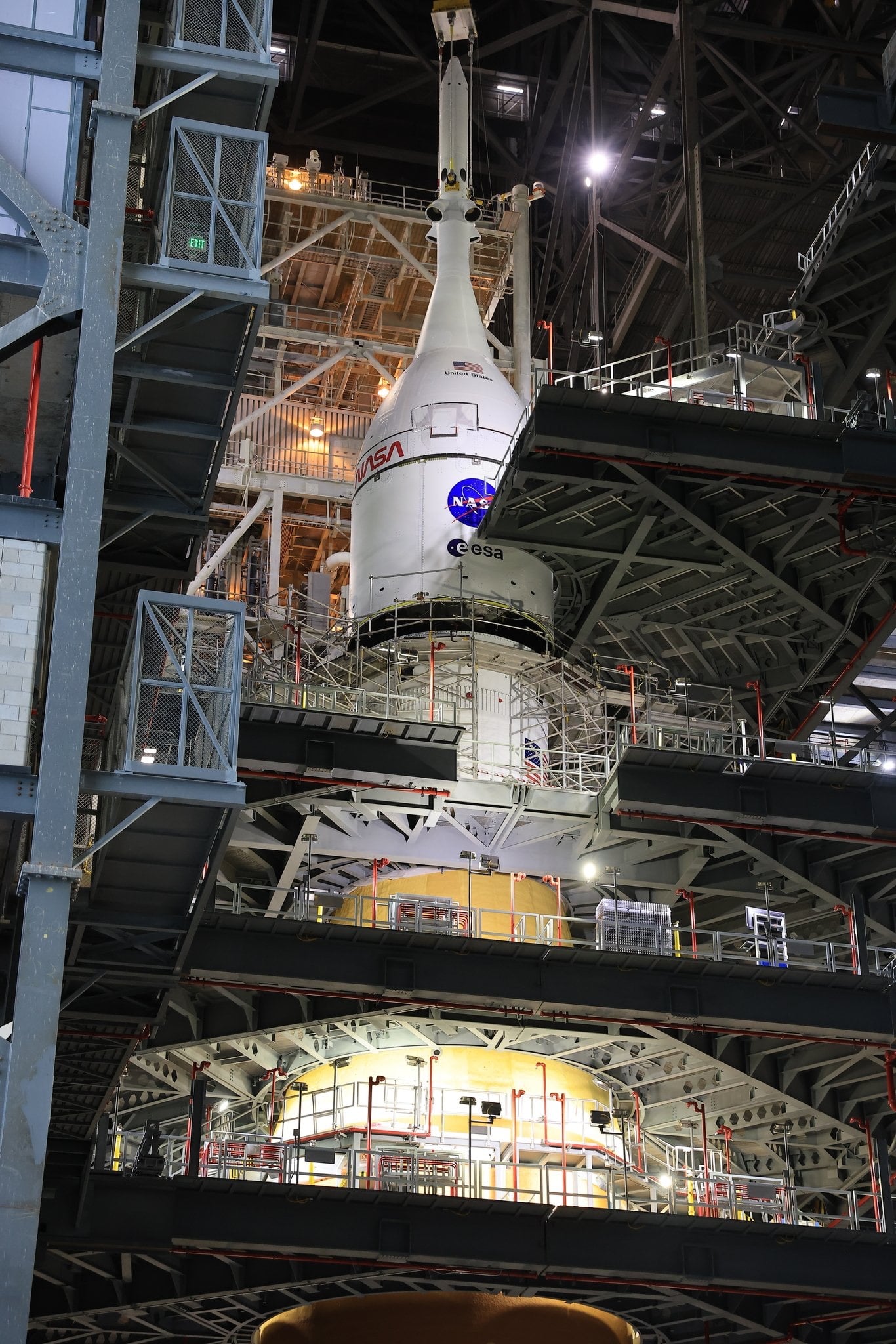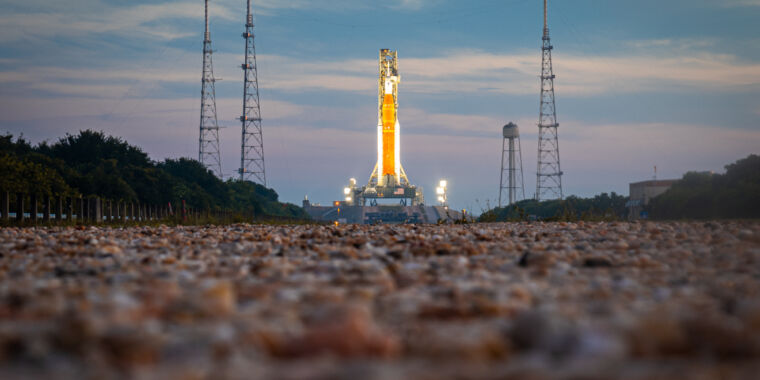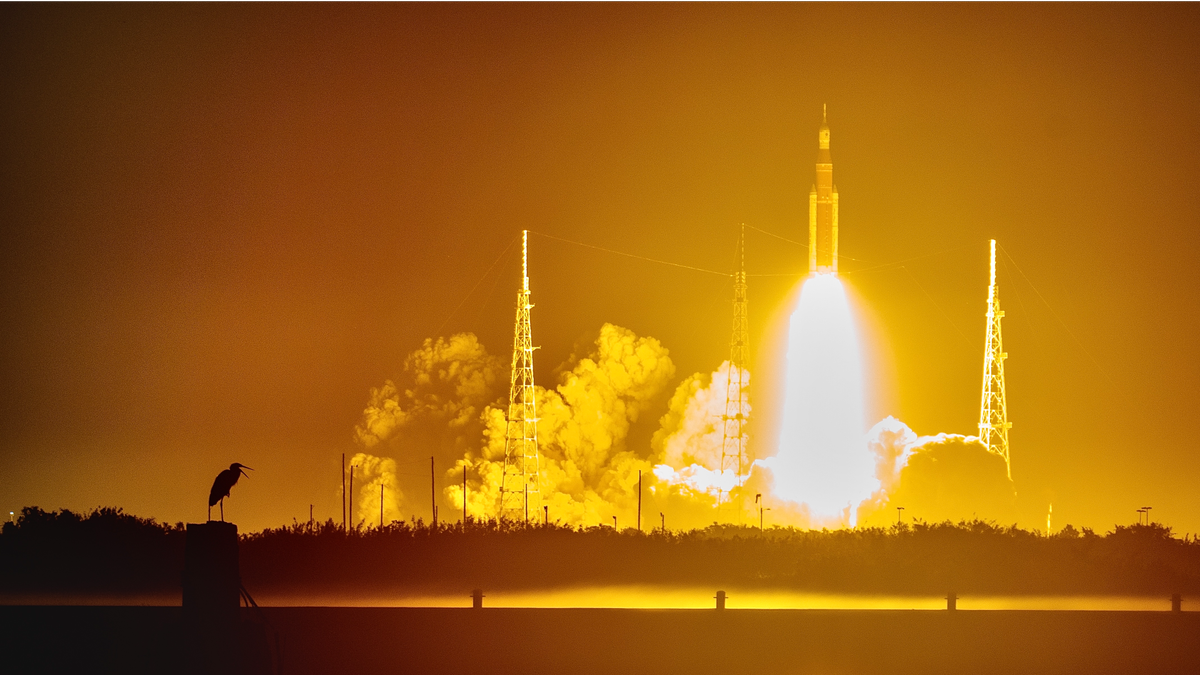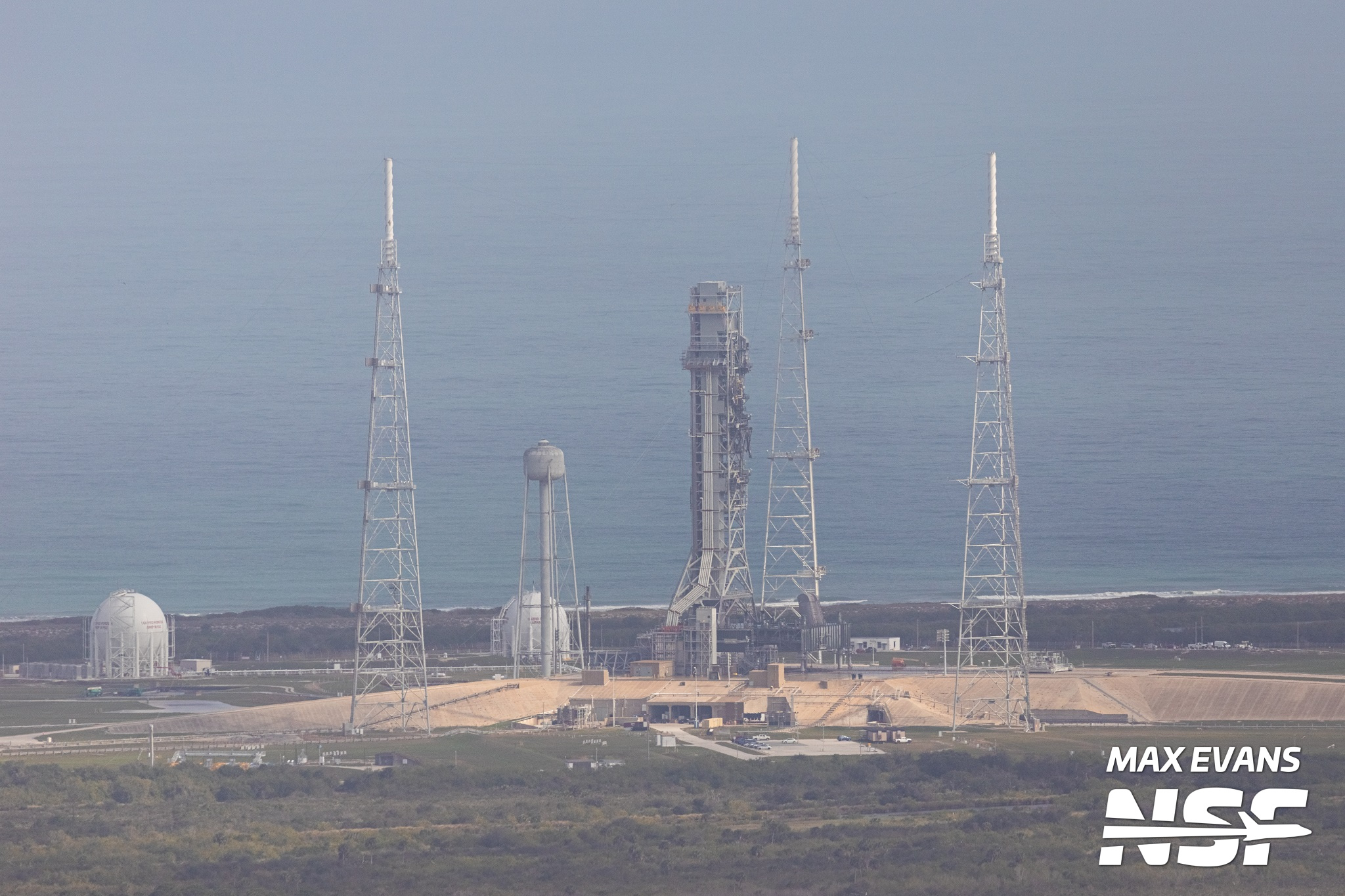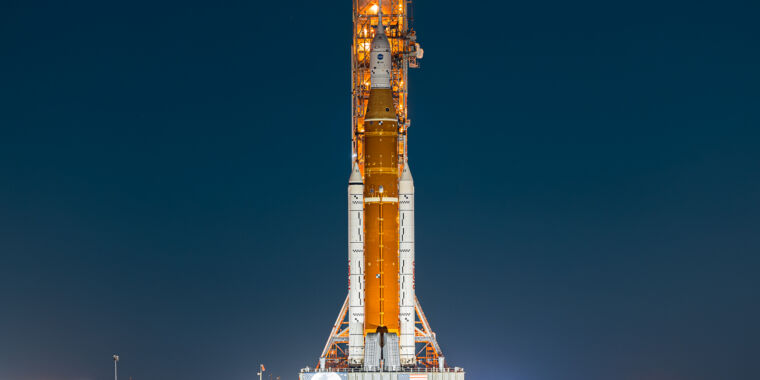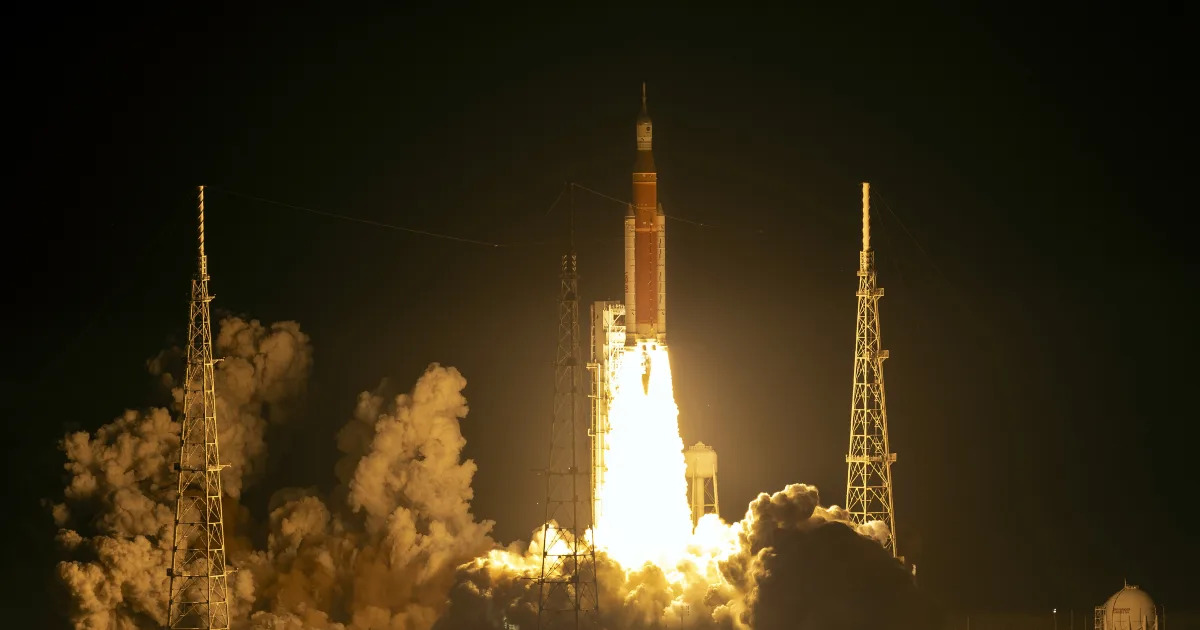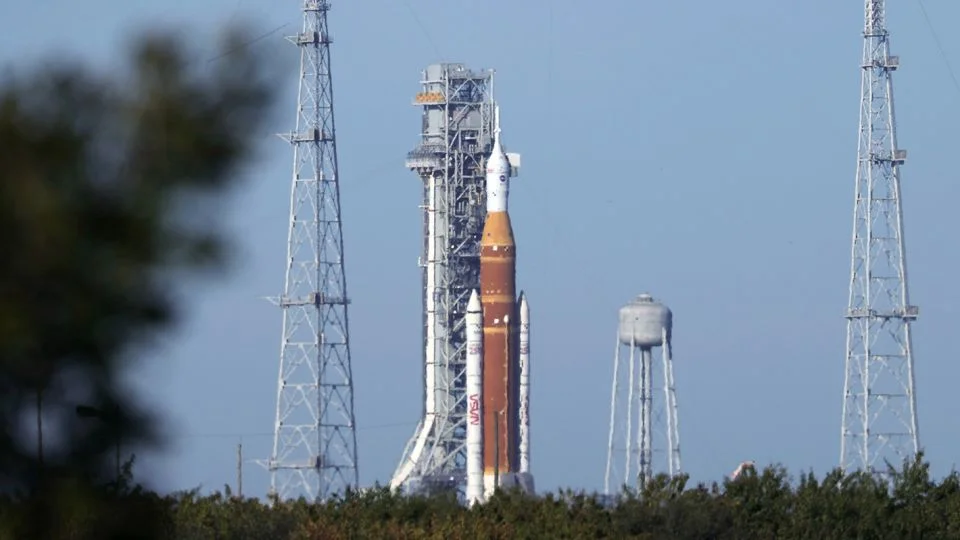
NASA has completed stacking its SLS rocket and Orion spacecraft at Kennedy Space Center for the Artemis II mission, which aims to send four astronauts around the moon as early as February, marking a significant step toward returning humans to the lunar surface and paving the way for future Artemis missions.
The Orion spacecraft for NASA's Artemis 2 mission has been installed on the SLS rocket at Kennedy Space Center, with preparations continuing despite the U.S. government shutdown, thanks to White House approval for safety-critical activities. NASA is maintaining progress on the mission, including hardware assembly, while some public events and communications are affected by the shutdown.
Boeing is set to cut its Space Launch System (SLS) workforce due to external factors, including slipping timelines for NASA's Artemis lunar missions. The company's decision to review and adjust staffing levels comes as NASA faces delays and budget challenges for its Artemis program, with potential impacts on the SLS rocket's development. The cuts are expected to affect hundreds of employees across Boeing's rocket facilities in Alabama, Louisiana, and Florida, primarily impacting the core stage and Exploration Upper Stage programs.
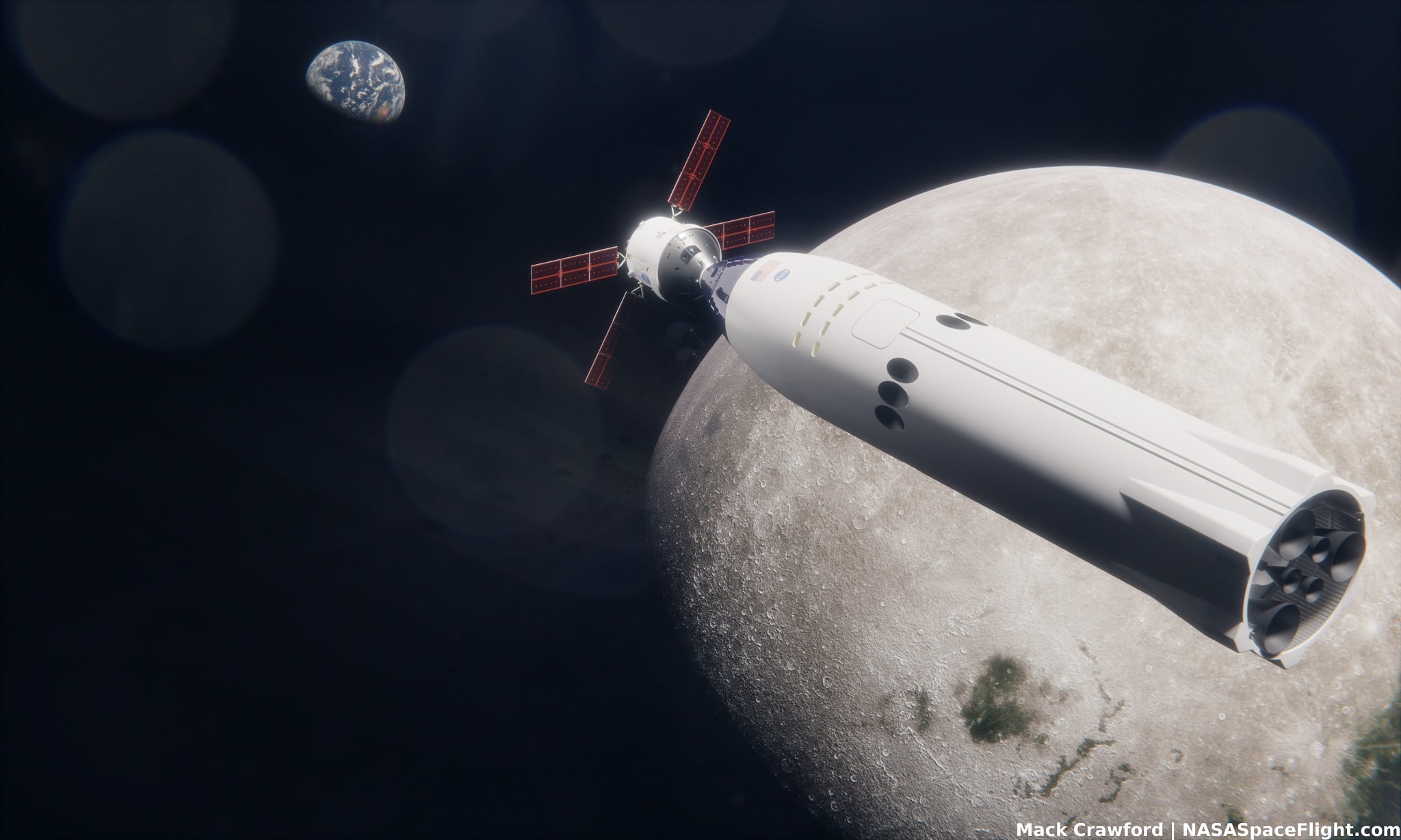
NASA is upgrading the Space Launch System (SLS) for its Artemis moon program, with plans for a more powerful Block 1B version to launch in the coming decade for ambitious moon missions, starting with Artemis 4. The upgraded SLS will feature a more powerful second stage and an adapter for large cargos, as well as testing on more powerful RS-25 engines at NASA's Stennis Space Center. The Artemis program aims for a long-term moon settlement near water ice resources, with upcoming crewed missions and the use of an exploration upper stage (EUS) for increased capabilities. NASA is also facing budgetary challenges for fiscal 2025 as it develops Artemis, with administrator Bill Nelson vowing to fight for funding.
NASA's Exploration Ground Systems (EGS) program at Kennedy Space Center is preparing for the delayed Artemis II mission, which has been pushed to September 2025 due to issues with the Orion spacecraft. EGS is certifying new ground systems to support crewed launches of the Orion spacecraft with its Space Launch System (SLS) rocket and is finishing validations for Mobile Launcher and Pad 39B systems. The program is also preparing for stacking the SLS solid rocket booster hardware for Artemis II, with hopes of beginning the process later this year.
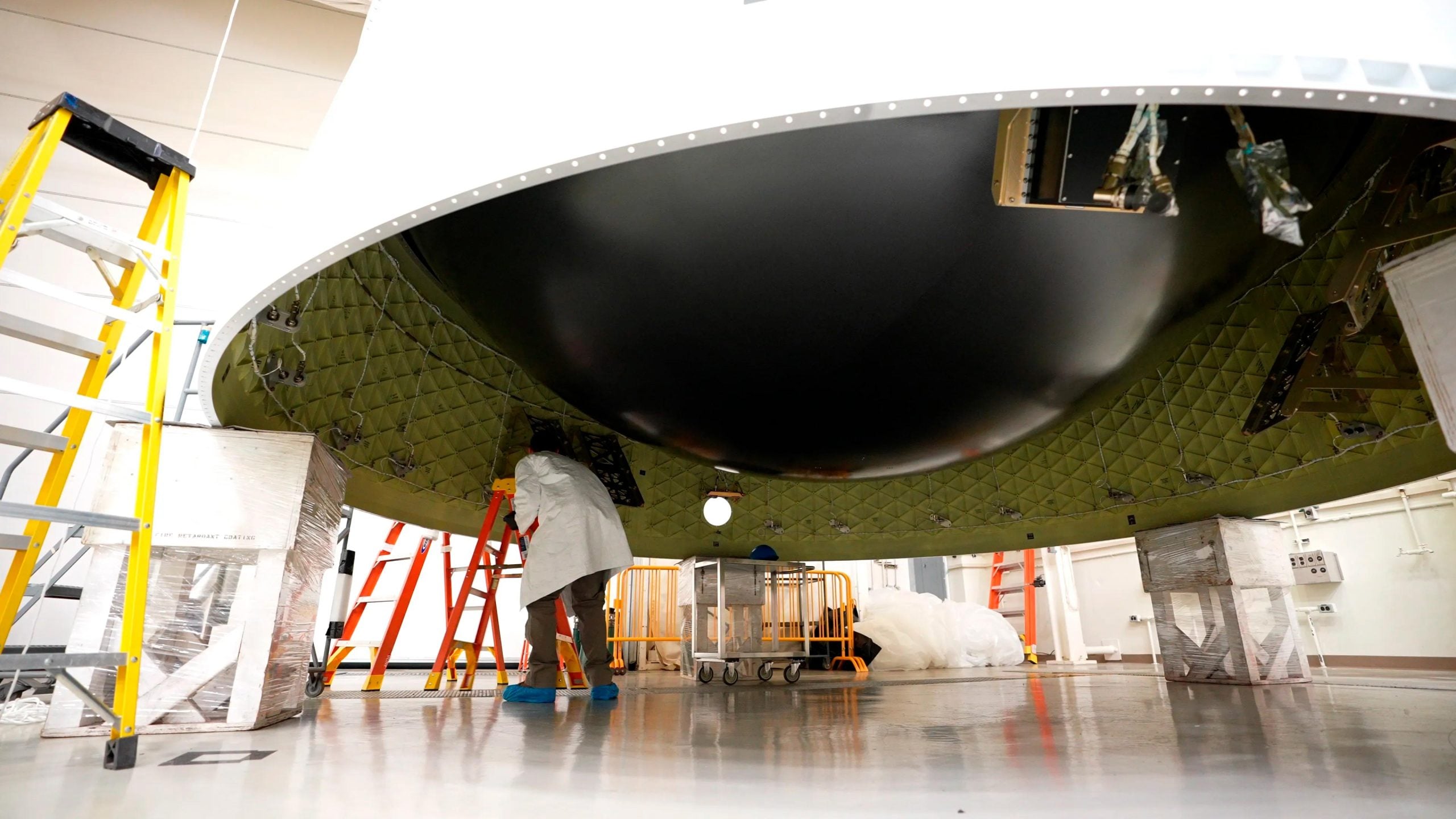
NASA's Artemis II mission is making progress with the final preparations of the SLS rocket, including the installation of the diaphragm on the Orion stage adapter. This adapter plays a crucial role in ensuring launch safety by preventing hydrogen gas accumulation. The SLS rocket is integral to NASA's goal of lunar exploration, and the adapter is a key component connecting the Orion spacecraft to the rocket's interim cryogenic propulsion stage. The diaphragm acts as a barrier to prevent gases from entering the spacecraft during launch.
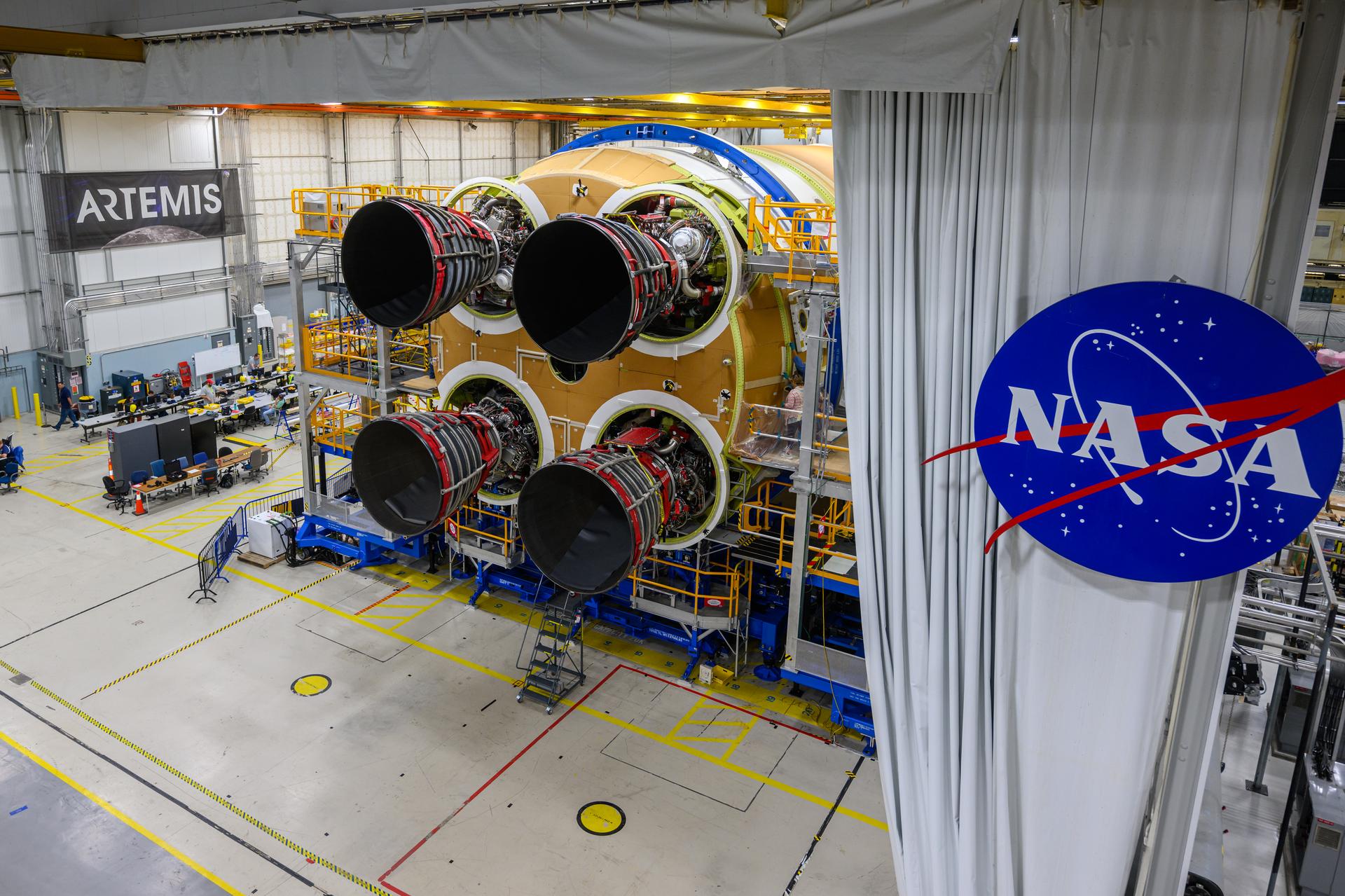
NASA and its partners have successfully installed all four RS-25 engines onto the core stage of the SLS rocket for the Artemis II mission, marking a significant step towards the completion of the core stage. The core stage, which includes two propellant tanks and four engines, will provide the necessary thrust for the first eight minutes of flight during the crewed mission to the Moon. Engineers are conducting final integration testing before the stage is shipped to NASA's Kennedy Space Center in Florida.
NASA's inspector general, Paul Martin, has released a report stating that the cost of building the Space Launch System (SLS) rocket is likely to increase, contradicting NASA's cost-reduction plan. The current estimate to build a single SLS rocket is $2.2 billion, and NASA's goal to achieve a 50% cost reduction is deemed highly unrealistic. The main issue lies in the extremely high costs of the SLS rocket, particularly the four main engines, which cost $582.7 million in total. Martin emphasizes the importance of achieving affordability goals to ensure the sustainability of NASA's deep space exploration efforts.
NASA's Artemis program, which aims to return humans to the Moon, is facing limitations due to a lack of available Space Launch System (SLS) rockets. The agency currently only has enough hardware to launch two more SLS vehicles until the completion of the Exploration Upper Stage (EUS) upgrade, which is not expected until late 2028. This means that there could be a four-year gap between the Artemis III and Artemis IV missions. While NASA has the option to buy more Interim Cryogenic Propulsion Stages (ICPS) to continue flying the current SLS Block 1 version, the agency has chosen not to do so. The long gaps between missions raise concerns about maintaining proficiency and safety.
NASA officials have admitted that the Space Launch System (SLS) rocket program is unaffordable, according to a report by the Government Accountability Office. The report raises concerns about NASA's lack of transparency regarding the true costs of the SLS program and its decision not to measure production costs accurately. It also highlights the failure to account for delays to Artemis missions and the need for cost-saving goals. While NASA aims to reduce costs through stabilizing the flight schedule, achieving learning curve efficiencies, encouraging innovation, and adjusting acquisition strategies, it remains uncertain whether these measures will be effective. Additionally, the report questions the claimed cost reductions of the SLS rocket's main engines, as they still remain significantly more expensive than engines produced by commercial competitors.
NASA's Space Launch System (SLS) rocket, designed to take astronauts to the moon, is $6 billion over budget and six years behind schedule, according to a new audit from NASA's Inspector General. The report foresees "additional cost and schedule increases" that could potentially jeopardize the entire Artemis mission if problems aren't handled. The SLS uses older technology, including engines salvaged from retired Space Shuttles, which has caused cost and schedule overruns. The Inspector General blames the use of "cost-plus" contracts that allow suppliers to inflate budgets more easily, instead of fixed-priced contracts.