A global increase in psoriasis, a chronic inflammatory skin condition, is notably higher in wealthier regions like North America and Western Europe, with cases rising over 86% since 1990. Factors such as better diagnosis, hygiene practices, and immune system responses are believed to contribute, although no cure exists, and management involves topical treatments and light therapy.
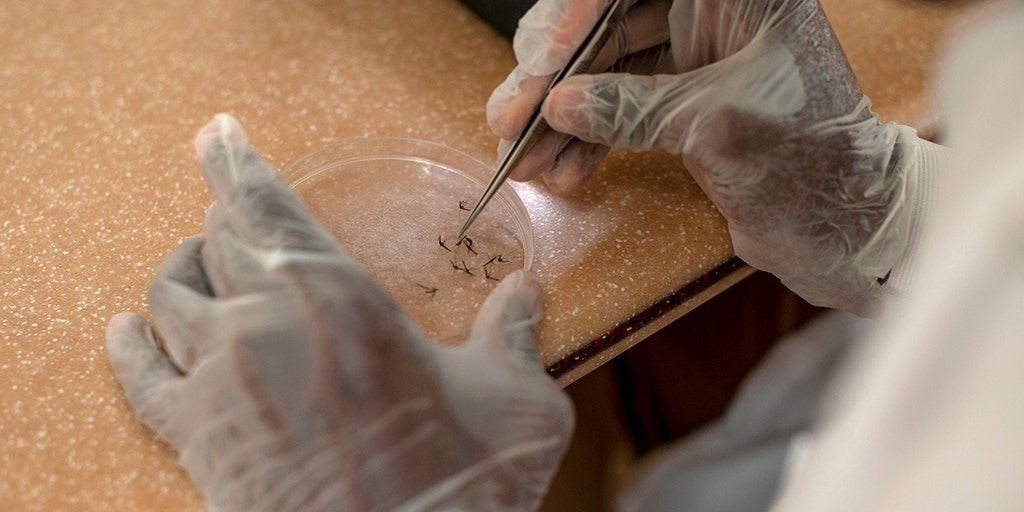
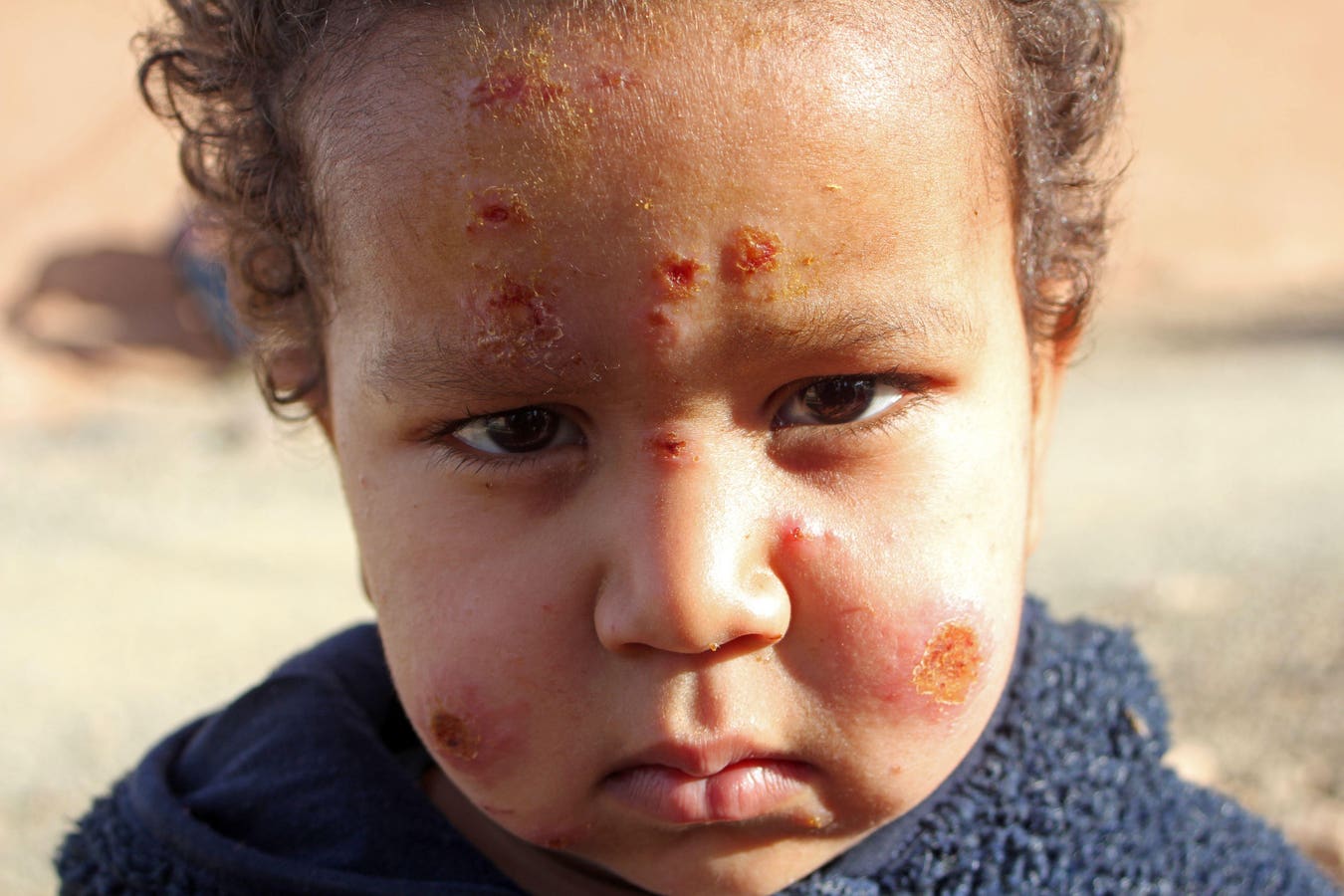
An outbreak of scabies, a contagious skin condition caused by mites, has emerged in the UK, leading to school closures in Devon and a rise in cases across the country. The infection causes intense itching and a rash, often mistaken for eczema, and requires prompt treatment to prevent spread. Health officials advise treating all household members and cleaning bedding and clothes thoroughly to control the outbreak.
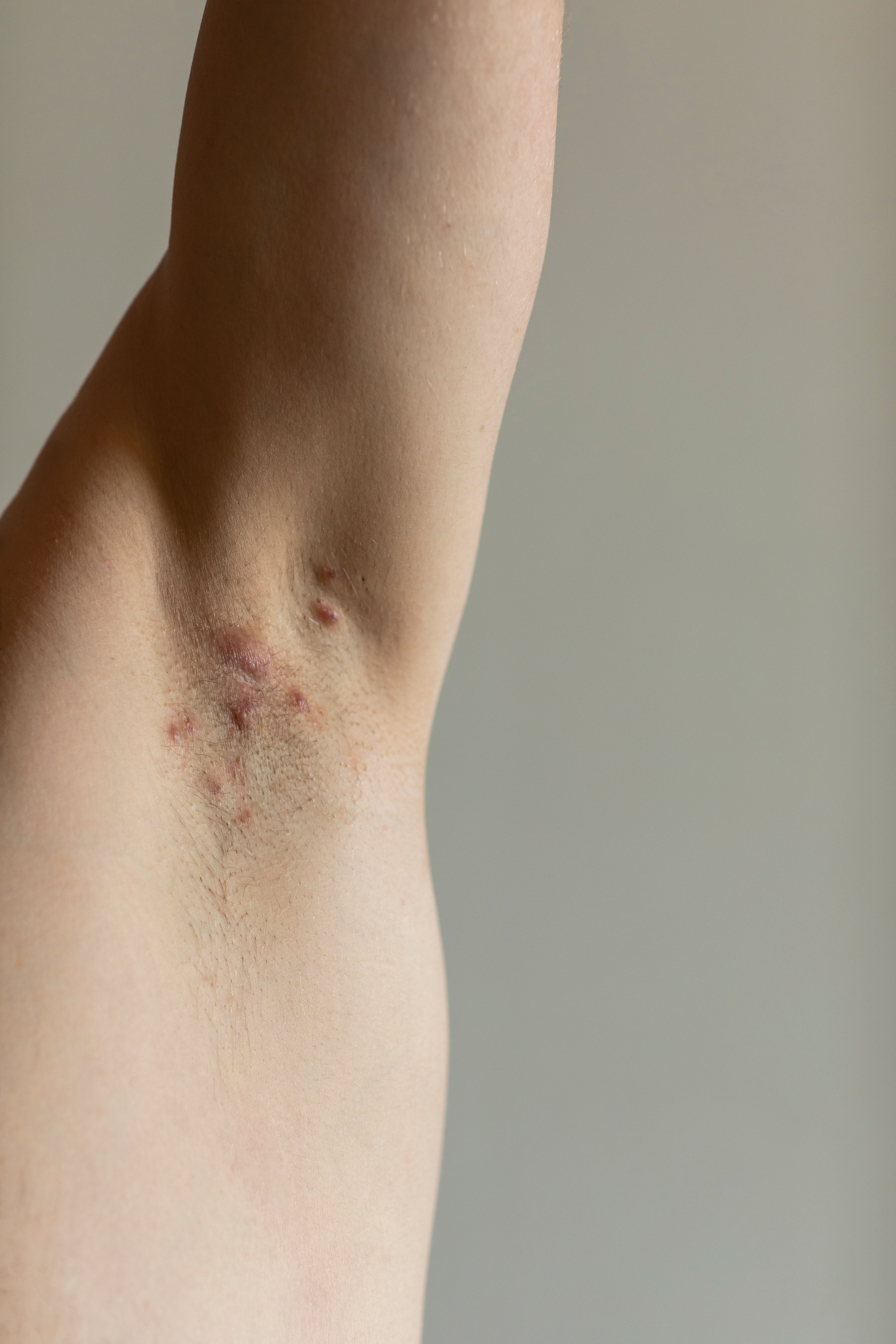
MoonLake Immunotherapeutics' stock plummeted over 88% after its skin disease treatment, sonelokimab, showed only mixed results in clinical trials for hidradenitis suppurativa, with only one of two studies meeting its goal and a higher-than-expected placebo response, leading to investor disappointment.
Researchers have successfully treated seven patients with toxic epidermal necrolysis (TEN) and Stevens-Johnson syndrome (SJS) using JAK inhibitors, marking a potential cure for these rare and often fatal skin conditions. The treatment, which targets the JAK/STAT immune pathway, led to rapid recovery without side effects, offering hope for improved care in these life-threatening cases. The study, published in Nature, highlights the potential for clinical trials to further validate this breakthrough.
A case study suggests that cannabis, particularly full-spectrum CBD oil, could be a promising alternative treatment for dogs with the autoimmune disease discoid lupus erythematosus (DLE), especially for those experiencing adverse effects from conventional steroid therapies. The study found that the CBD oil led to significant improvement in the dog's dermatological signs and liver function, with no need for corticosteroids during the treatment period. Other studies have also shown potential benefits of CBD for reducing stress and anxiety in dogs, as well as improving conditions like arthritis and seizures. However, the FDA has cautioned about the lack of data on safe levels of potential residues from CBD-treated animals in food products.
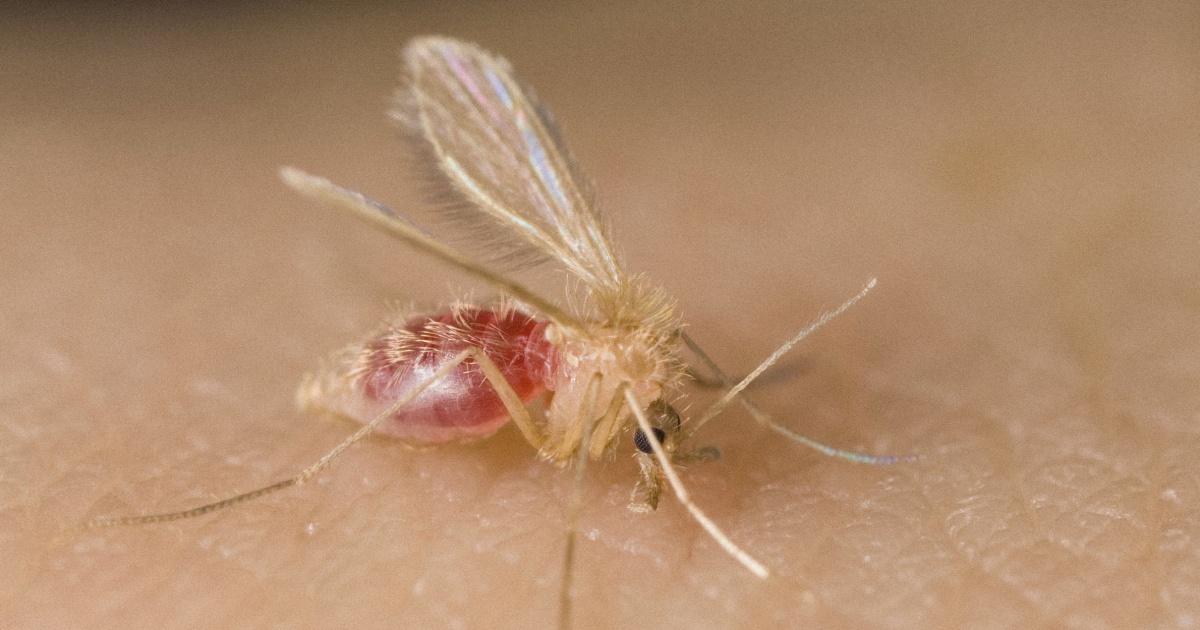
Leishmaniasis, a tropical skin disease carried by sand flies, has been detected in the United States. The disease, which can cause skin sores or affect internal organs, is typically found in tropical areas. Cases in the US have been reported in individuals who traveled to countries where leishmaniasis is native, as well as in people who did not travel outside the US. Researchers are urging doctors to be aware of the possibility of leishmaniasis cases occurring without international travel, particularly in Texas and other states. The CDC recommends taking precautions to protect against sand fly bites, such as avoiding outdoor activities during peak activity times and using insect repellent.
The Centers for Disease Control and Prevention (CDC) has found that leishmaniasis, a skin disease spread by sand flies, is spreading at low levels in the southern U.S., challenging the previous belief that it could only be acquired abroad. Recent research confirms that the parasite causing leishmaniasis, known as Leishmania mexicana, has been present in the U.S. since at least 2005. The disease has been circulating in south and central Texas for decades, but its range has been expanding northward in the past 10 years. Climate models suggest that over 12 million people in the U.S. could be exposed to leishmaniasis locally, and this number could double in the next 60 years. Researchers are urging doctors and patients to be aware of the disease and for textbooks to reflect its presence in the U.S.
A disfiguring parasitic infection caused by Leishmania mexicana, transmitted by sand flies, is now endemic in Texas and Oklahoma and is expanding its range in the U.S. While most cases are acquired through international travel, a recent report from the Centers for Disease Control and Prevention found that 86 patients had acquired the infection in the U.S. The infection causes the mildest form of the disease, affecting only the skin, and generally requires no treatment. However, there is concern about the potential spread of the more severe visceral form of leishmania, which infects organs throughout the body. The presence of the infection in the U.S. highlights the need for improved diagnosis, reporting, and surveillance to track its frequency and spread.
The Centers for Disease Control and Prevention (CDC) has identified cases of leishmaniasis, a skin-disfiguring disease caused by a parasite, in Texas and other southern states. While most cases in the US are typically found in people who have traveled to tropical or subtropical climates, the CDC has detected a unique strain of the parasite that appears to be spreading locally in the US. The CDC researchers presented their findings at a recent conference, emphasizing the need for increased awareness among healthcare providers. Although the risk of leishmaniasis in the US is low, people can take precautions such as wearing long clothing and using insect repellent to avoid being bitten by sandflies, which transmit the parasite.
A global study conducted by the ALL Project reveals that 42% of patients with skin disease suffer from sleep disturbances, leading to a significant deterioration in their quality of life. The study also highlights the impact of living with hidradenitis suppurativa, a painful skin condition, which causes feelings of stigmatization and affects self-perception, relationships, and daily lives. The findings emphasize the need for early detection and effective management of sleep disorders in patients with skin diseases. Healthcare providers should include questions about sleep disorders in examinations to promote a comprehensive understanding of the impact of skin diseases and improve patients' well-being.
Researchers have identified two genes, SOX9 and KLF5, that are associated with the development of hidradenitis suppurativa (HS), a chronic skin disease. The study conducted a genome-wide association study (GWAS) and found that variants in these genes may alter the expression of nearby genes involved in hair follicle and epidermal differentiation, as well as inflammation. The findings provide insights into the genetic basis of HS and potential targets for future treatments.
Psoriasis is a chronic autoimmune skin disease characterized by red plaques that can occur on various parts of the body. While there is a genetic predisposition, environmental factors also play a role in triggering the disease. Treatment options include local treatments, skin treatments, and systemic treatments, with the choice depending on the severity of the condition. Biological treatments, administered through self-administered injections, have shown success in achieving clear skin. Psoriasis can serve as an indicator of underlying inflammatory conditions and can lead to significant health consequences if left untreated. Discrimination and social stigma are common challenges for individuals with psoriasis, but advances in treatment options have improved skin clarity for many patients.
Orcas in the Pacific Northwest, specifically the Southern Resident population, are facing a mysterious skin disease, according to a new study. Researchers analyzed photographs taken from 2004 to 2016 and found that the prevalence of lesions on the orcas has been increasing significantly. The cause of the disease is still unknown, but it poses a potential threat to the already endangered population. While the lesions do not appear to increase the risk of death, further research is needed to understand their impact on the orcas' health. Factors such as pollution and boat noise are believed to contribute to the decline of the Southern Resident orcas.