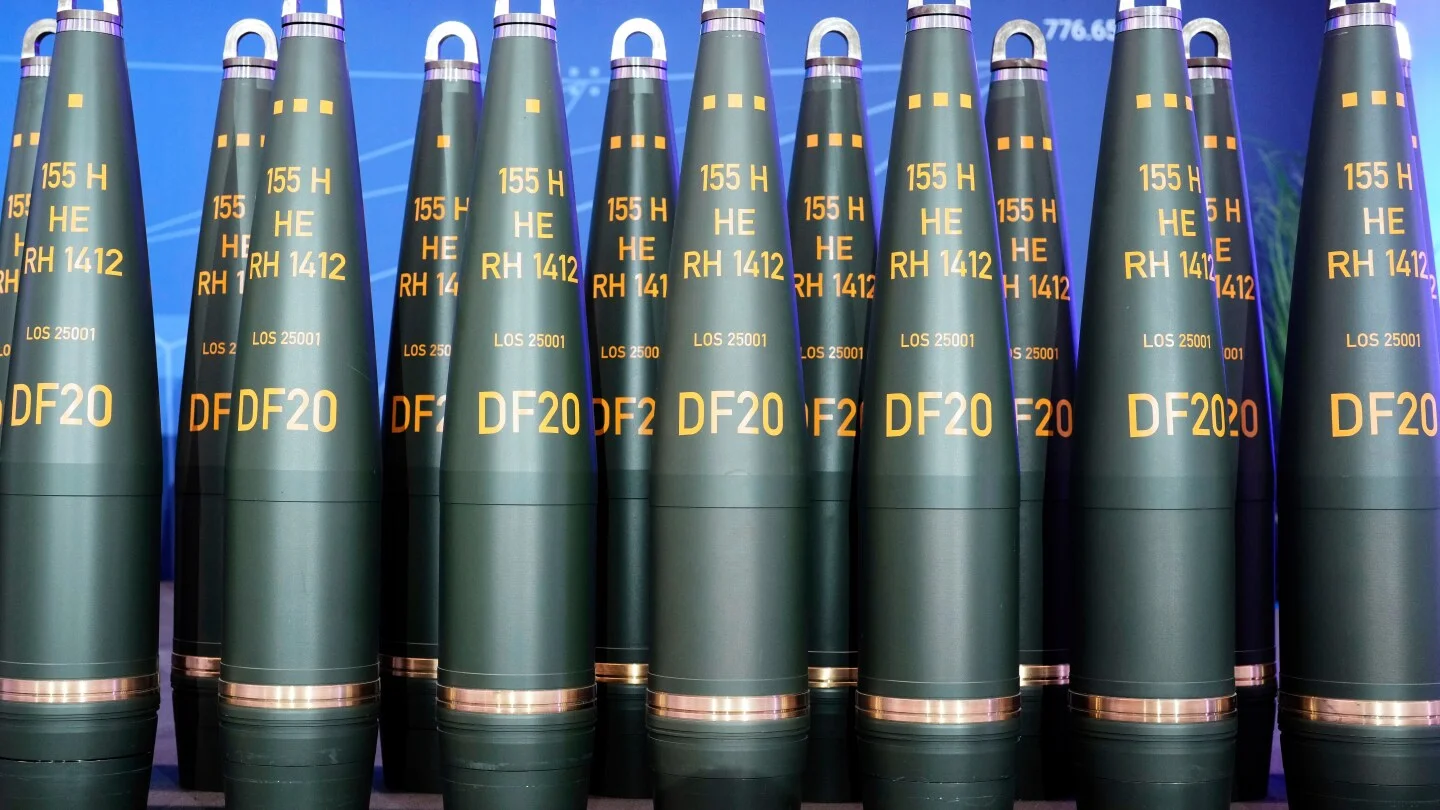
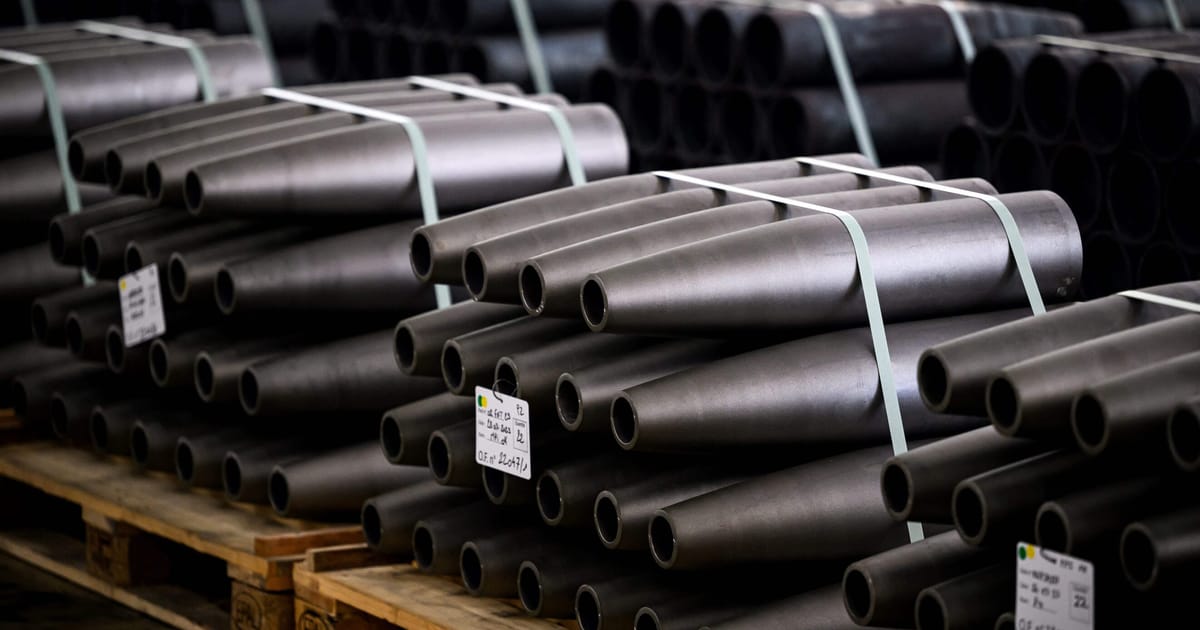
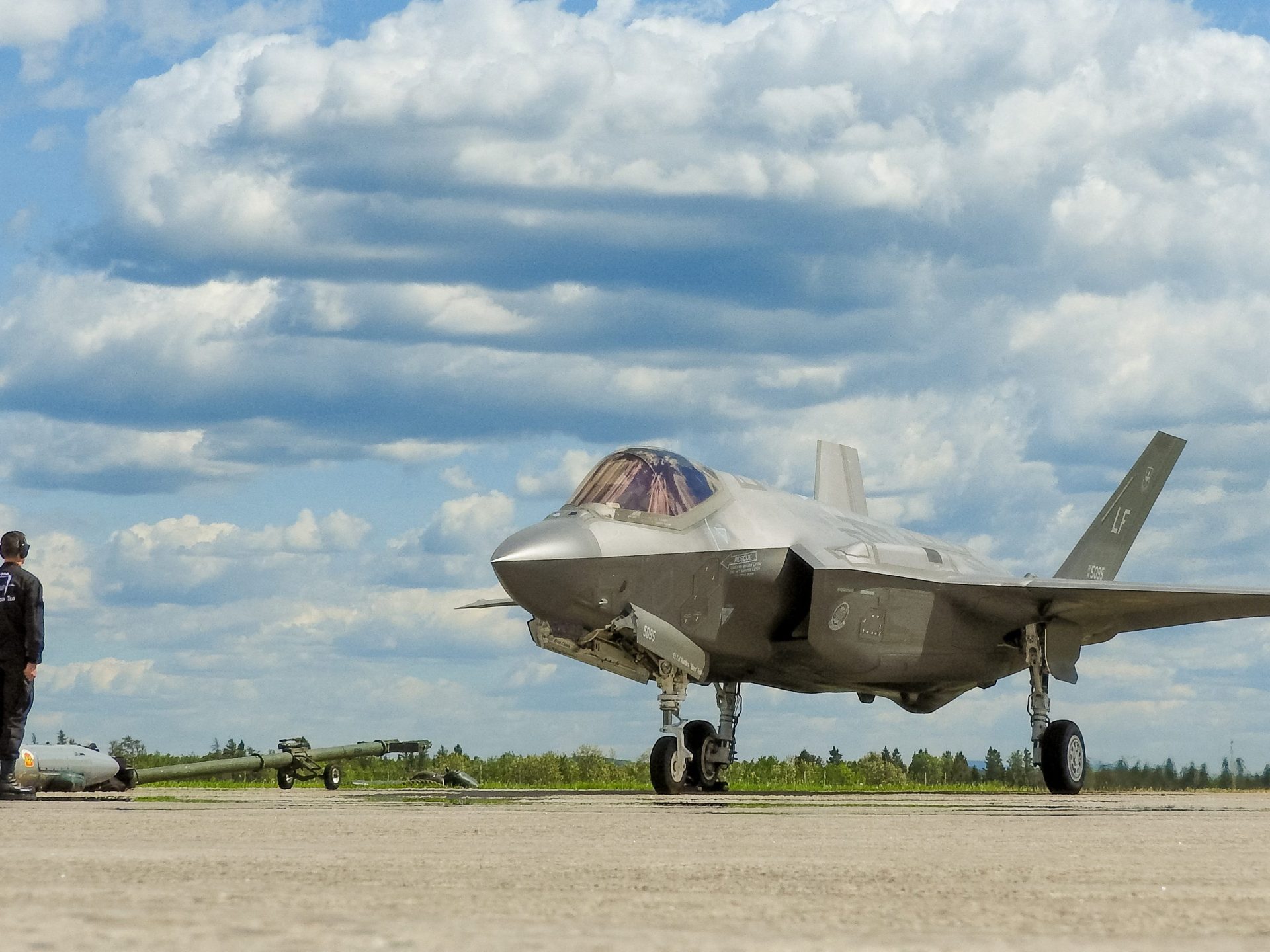
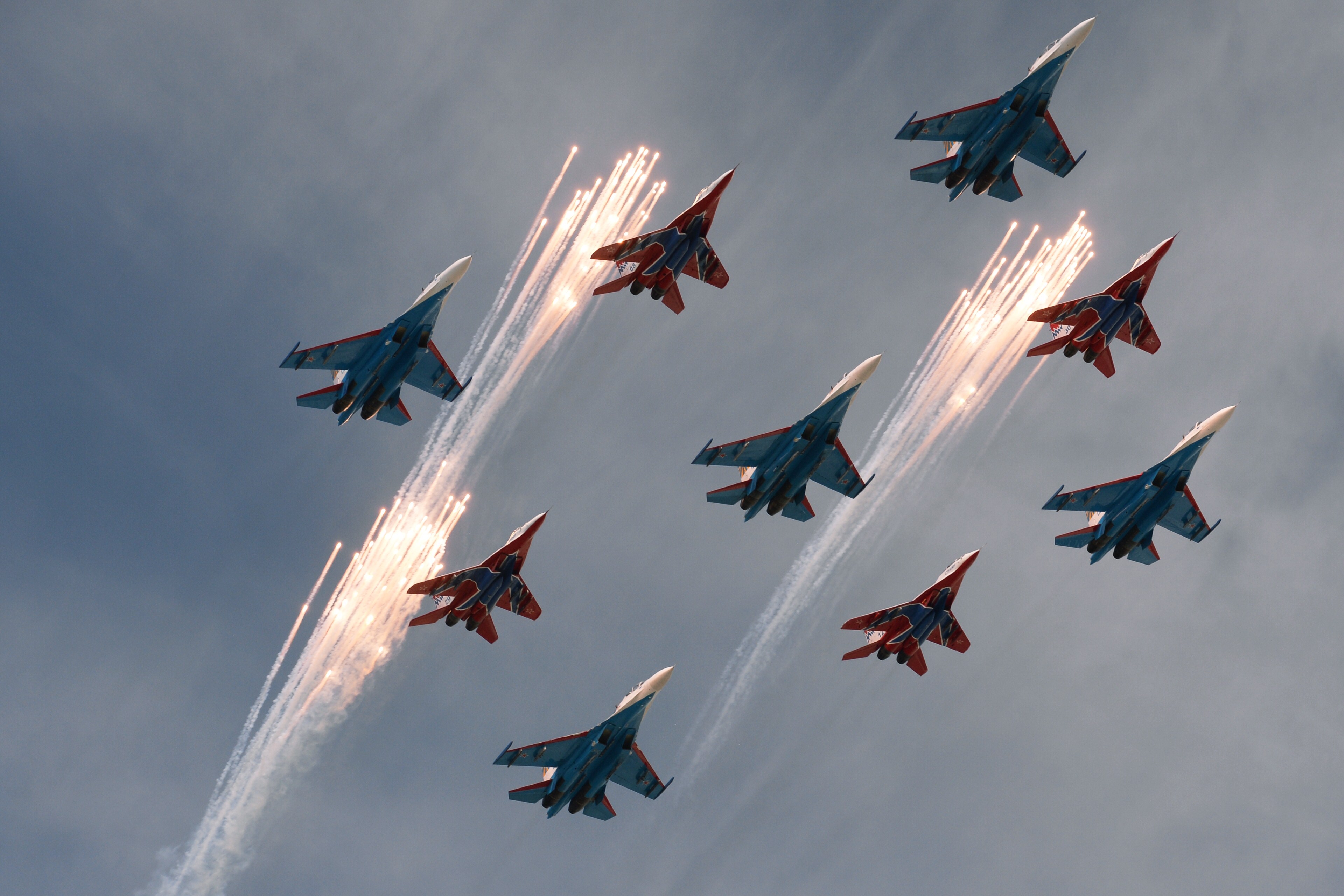
The world's largest arms producers saw a 5.9% revenue increase in 2024, reaching a record $679 billion, driven by heightened demand from conflicts in Ukraine and Gaza, with notable growth in Europe, the US, and Russia, while Asia and Oceania experienced a slight decline due to issues in China's arms sector.
France has surpassed Russia as the world's second-largest arms exporter, with 11 percent of the global arms market, while the U.S. remains in the top spot with 42 percent. Russia's share of global arms exports has fallen to around 11 percent, just below France, due to factors including sanctions related to its actions in Ukraine. France's rise is attributed to major deals for Dassault Aviation's Rafale fighter jet with countries like Qatar, Egypt, and India, with India now importing more arms from France than from Russia. The global volume of international arms transfers fell by 3.3 percent, but arms imports in Europe increased by 94 percent, with most European countries boosting defense spending.
A report by SIPRI reveals that fear of disruptive states like China, Russia, and Iran has driven a surge in arms sales in Europe, the Middle East, and Asia over the past five years. Concerns over China's ambitions have led to increased arms imports by US allies like Japan, Australia, and India, while regional rivalries and conflicts have also played a significant role in driving arms purchases. The US has widened its lead as the top arms exporter, with Western allies contributing to this surge. Europe has also seen a resurgence in its defense industry, providing hope for greater agency in supplying arms and support to countries like Ukraine.
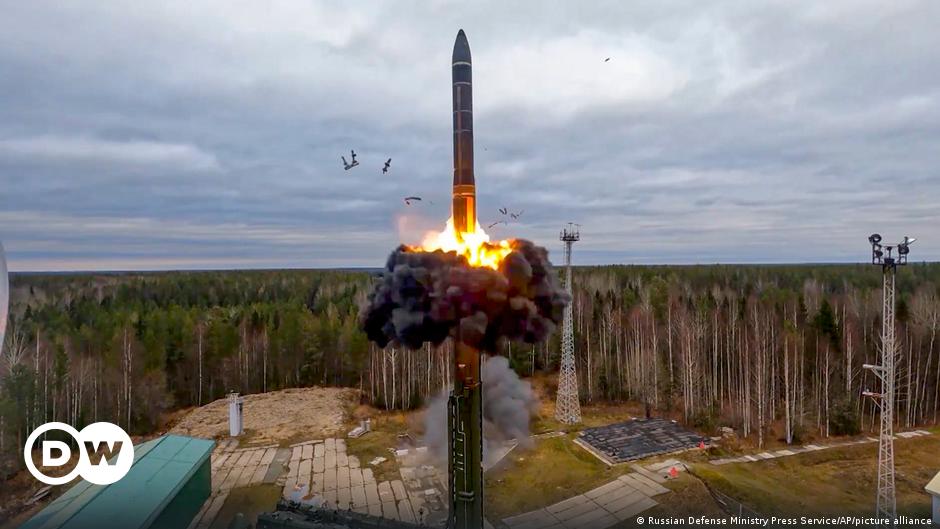
Russia's arms export industry has suffered a significant decline, dropping to third place behind France and the U.S. due to a 53% decrease in exports from 2014–18 to 2019–23. The war on Ukraine, struggling economy, and Western sanctions have hampered Russia's ability to compete in the global arms market. The country's reliance on Asian and Oceanian markets, particularly India and China, is also diminishing, with India turning to France and the U.S. for military equipment. Additionally, China's growing self-sufficiency in arms production has further reduced its reliance on Russian imports, leaving Russia with uncertain prospects for future arms exports.
The Stockholm International Peace Research Institute (SIPRI) reported that the number of nuclear warheads in global stockpiles increased in 2022, with an estimated 9,576 available for potential use. The US and Russia possess nearly 90% of all nuclear weapons, with usable warheads in their arsenals remaining relatively stable in 2022. However, China's nuclear arsenal grew by roughly 17%, with an estimated 410 warheads in January 2023, and is expected to keep growing. SIPRI's director warned that the world is drifting into one of the most dangerous periods in human history and urged governments to cooperate to calm geopolitical tensions and slow arms races.
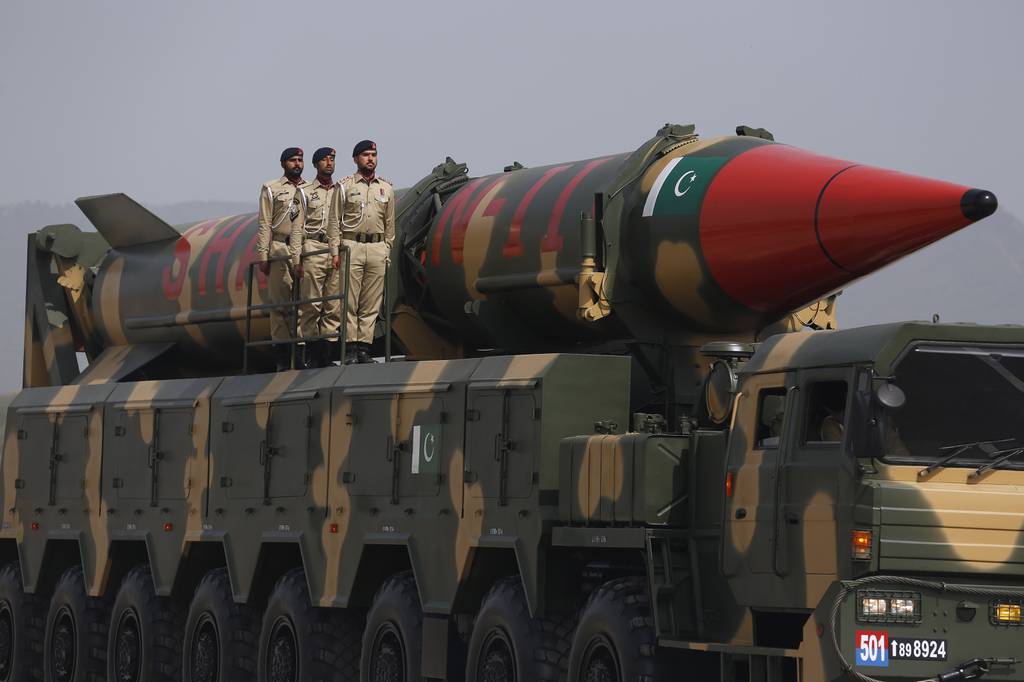
The Stockholm International Peace Research Institute (SIPRI) has reported that the nine nuclear-armed states continue to modernize their arsenals, with several deploying new nuclear-armed or nuclear-capable weapon systems in 2022. SIPRI estimated that of the total global inventory of 12,512 warheads in January 2023, some 9,576 were in military stockpiles for potential use, which was 86 more than in January 2022. The institute listed the nuclear-armed states as the United States, Russia, the United Kingdom, France, China, India, Pakistan, North Korea, and Israel. SIPRI also noted that China's nuclear arsenal had increased from 350 warheads in January 2022 to 410 in January 2023 and is expected to keep growing.
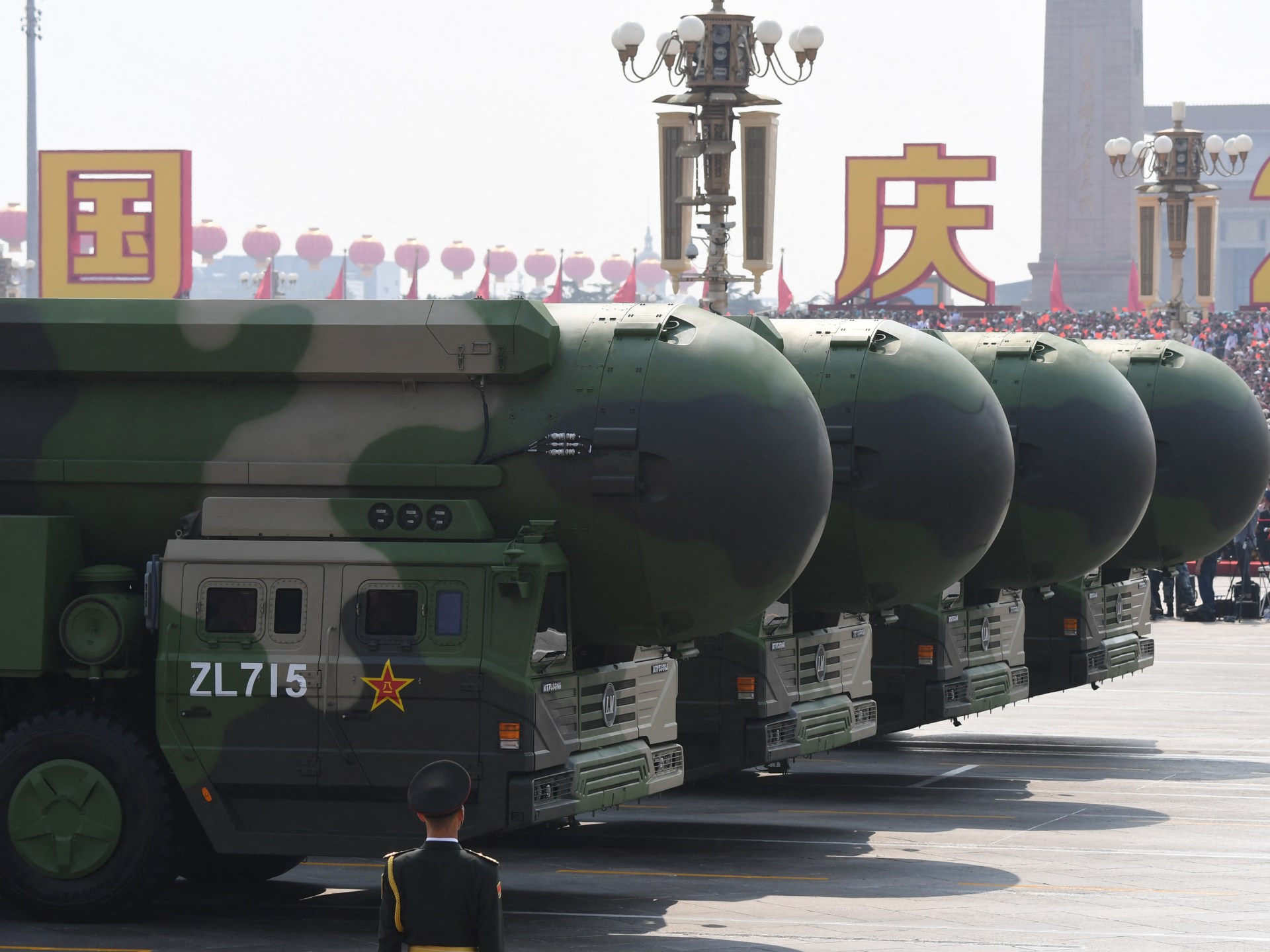
China's nuclear arsenal has increased by 17% in 2022, with its stockpile of nuclear warheads rising to 410, according to the Stockholm International Peace Research Institute (SIPRI). SIPRI's Yearbook 2023 also noted that the US and Russia together possess almost 90% of the world's nuclear weapons, and that India, Pakistan, and North Korea are also expanding their nuclear arsenals. SIPRI warned that the world is drifting into one of the most dangerous periods in human history, and urged governments to find ways to cooperate to calm geopolitical tensions and slow arms races.
The Stockholm International Peace Research Institute (SIPRI) has reported that there are more usable nuclear warheads in military stockpiles in the world than last year, with an estimated 9,576 warheads in military stockpiles for potential use as of January 2023. The report also highlights that communication and relations between the main nuclear powers are at their lowest point for decades. SIPRI director Dan Smith has called for an urgent need to restore nuclear diplomacy and strengthen international controls on nuclear arms.
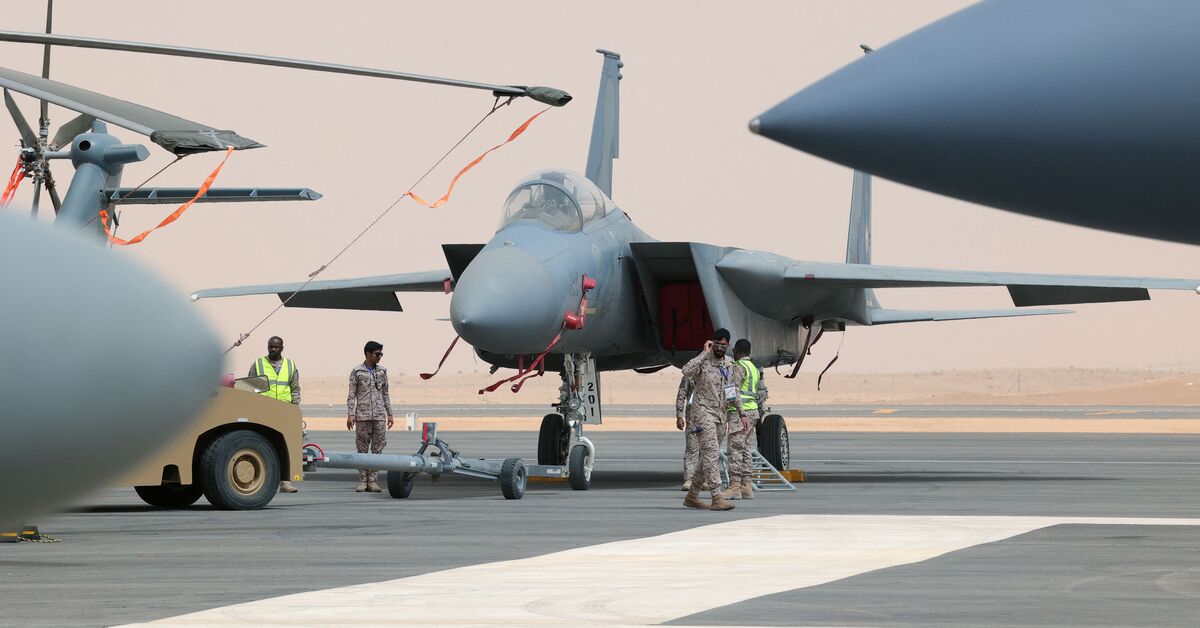
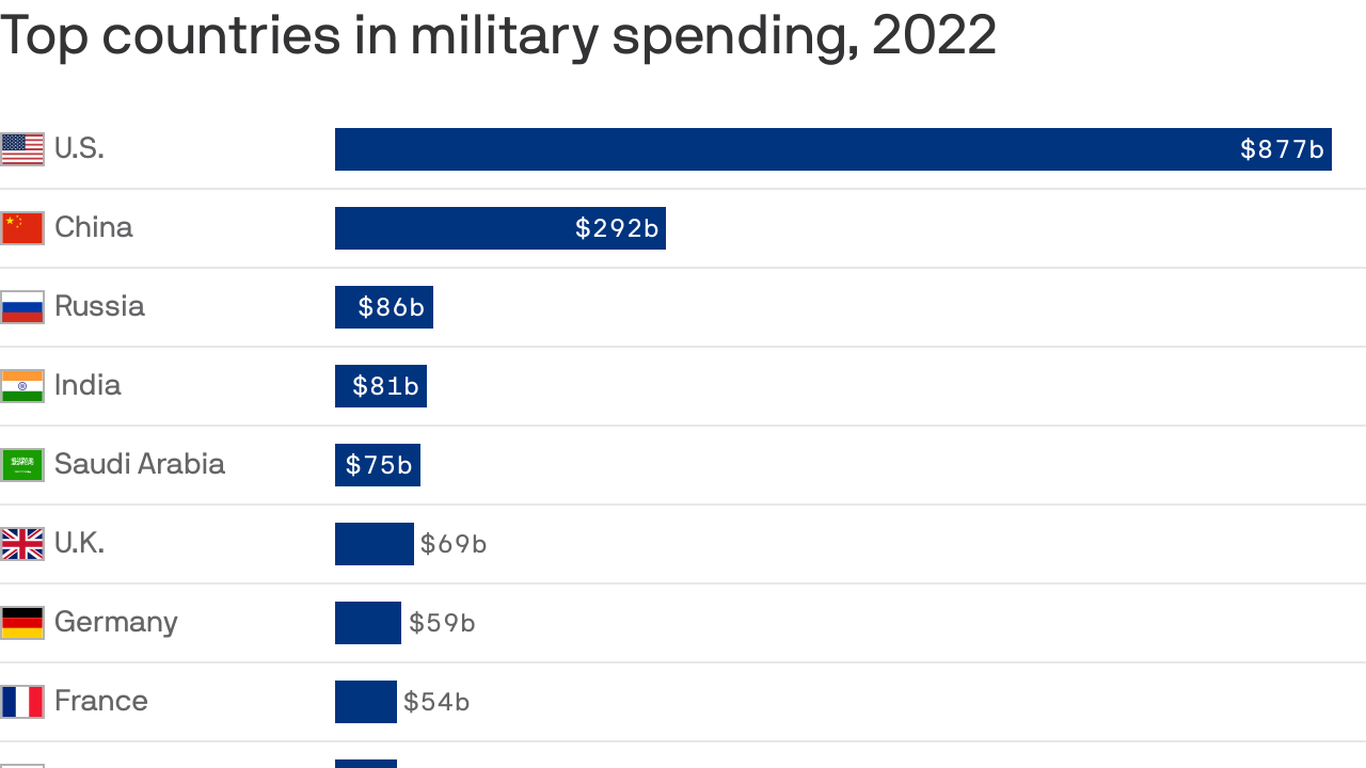
Saudi Arabia has become the world's fifth-largest military spender, surpassing the UK, Germany, and France, according to a report by the Stockholm International Peace Research Institute (SIPRI). The kingdom's military spending increased by 16% to reach an estimated $75bn, contributing to the Middle East's total military expenditure of $184bn in 2022. The region had the highest military burden, with spending making up 3.9% of GDP on average. The US, China, and Russia were the top three global military spenders, accounting for nearly 56% of global military spending.
Global military spending reached a record high of $2.24 trillion in 2022, with the US spending $877 billion, more than the next 10 countries combined, according to a report by the Stockholm International Peace Research Institute. Many European countries increased their military spending in response to Russia's invasion of Ukraine, while China's military budget grew by 4%. Russia increased its spending by 9%, and Ukraine increased its spending by 640%. The trend of increasing military spending has continued since 2015, with a 3.7% increase in 2022.