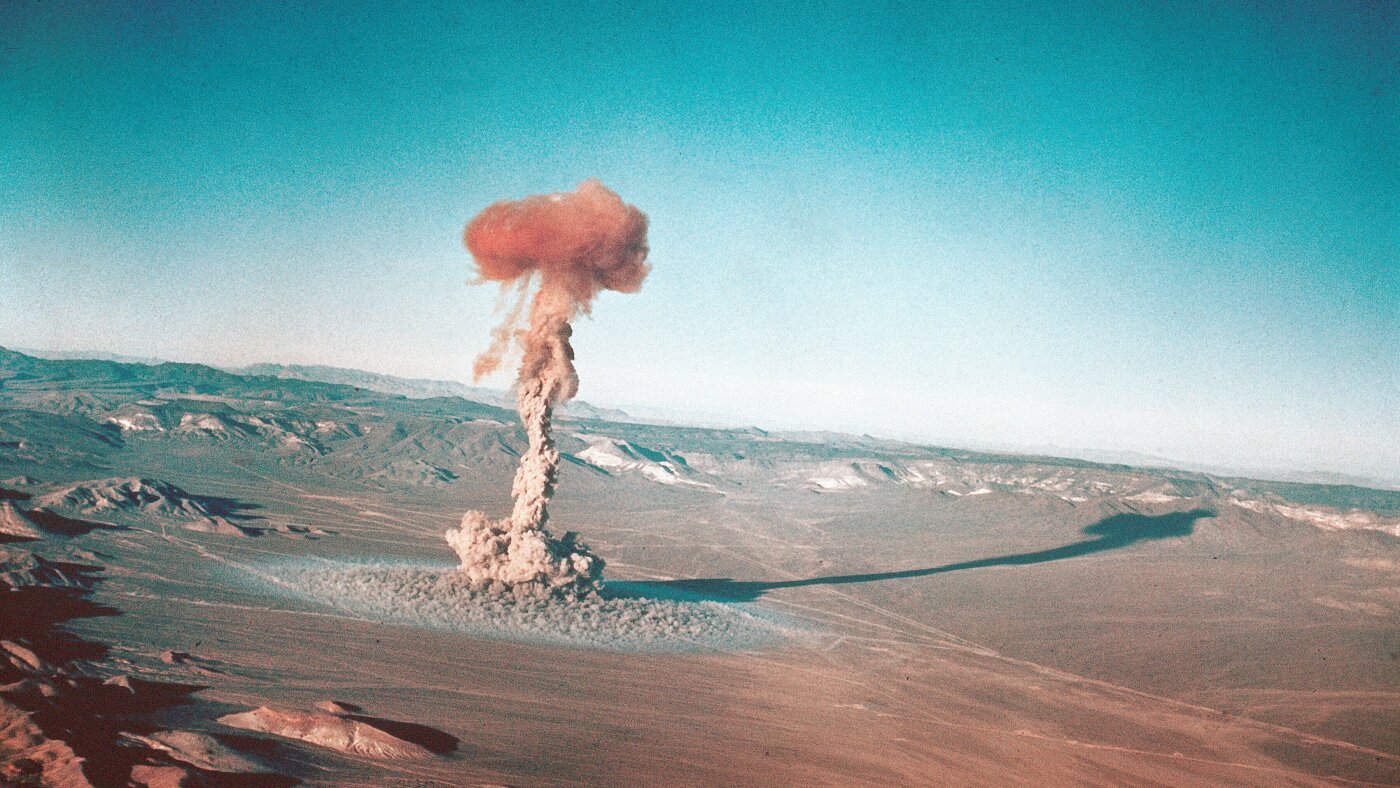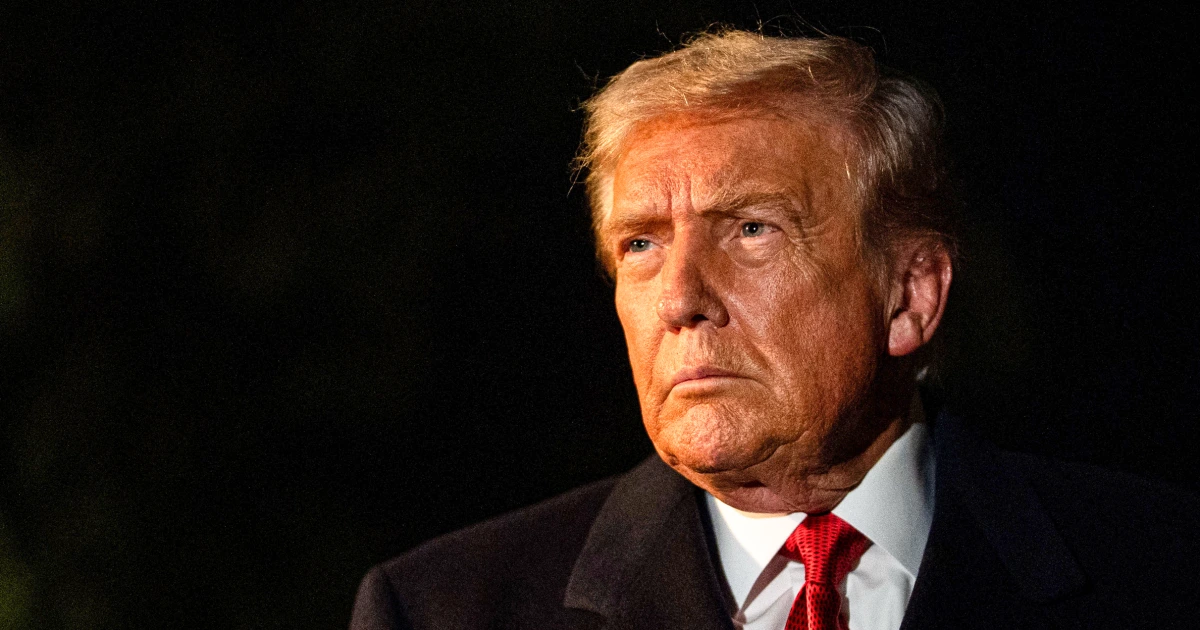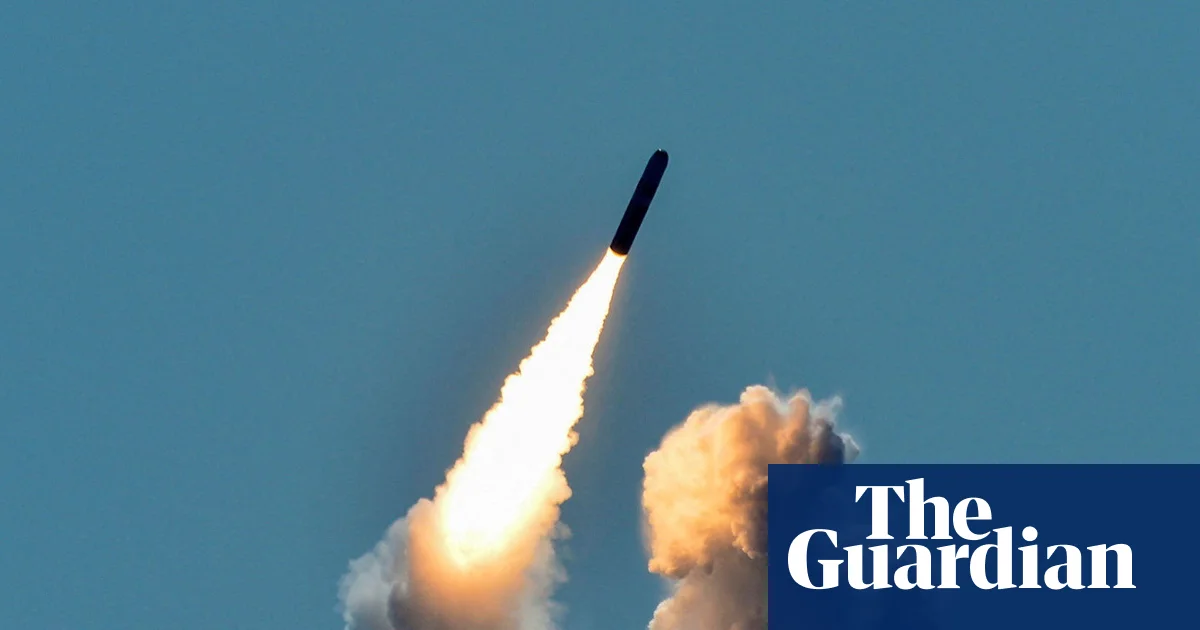
President Trump’s ambiguous threat to resume nuclear testing has led Russia to consider doing the same, raising concerns reminiscent of Cold War arms races.
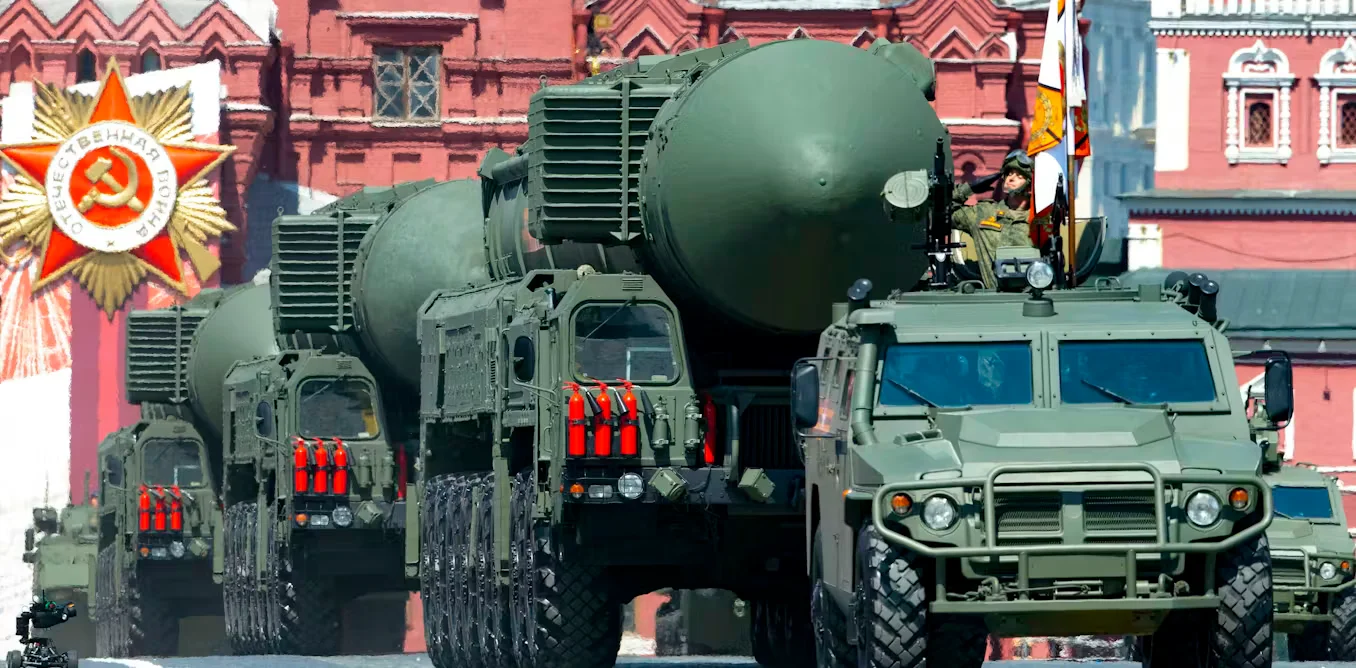
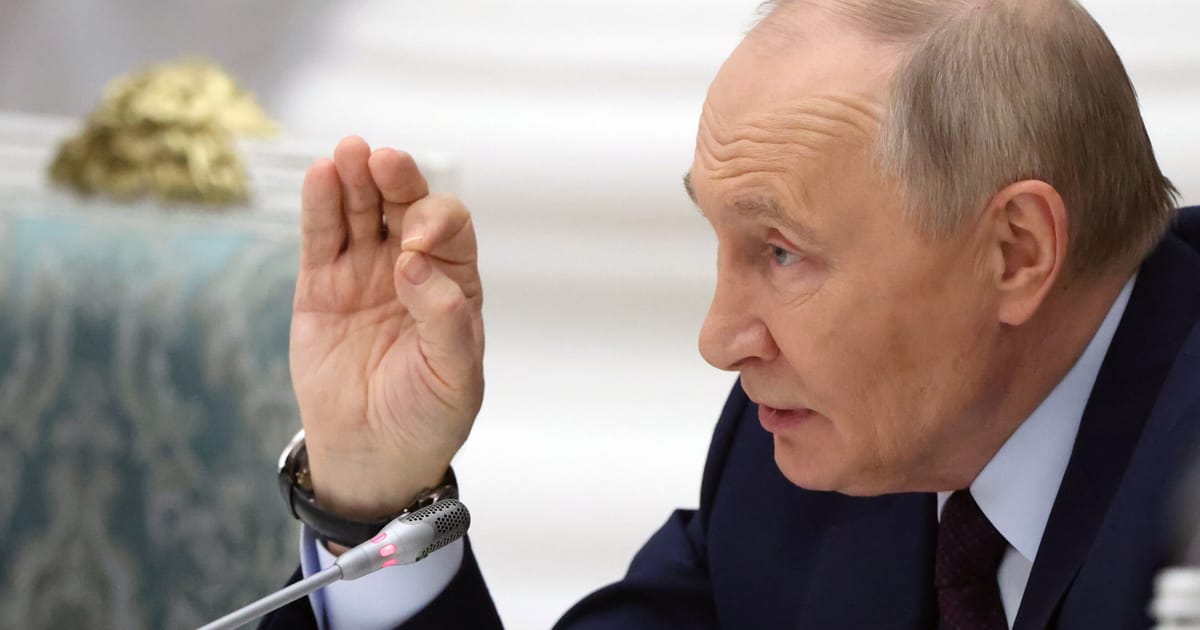
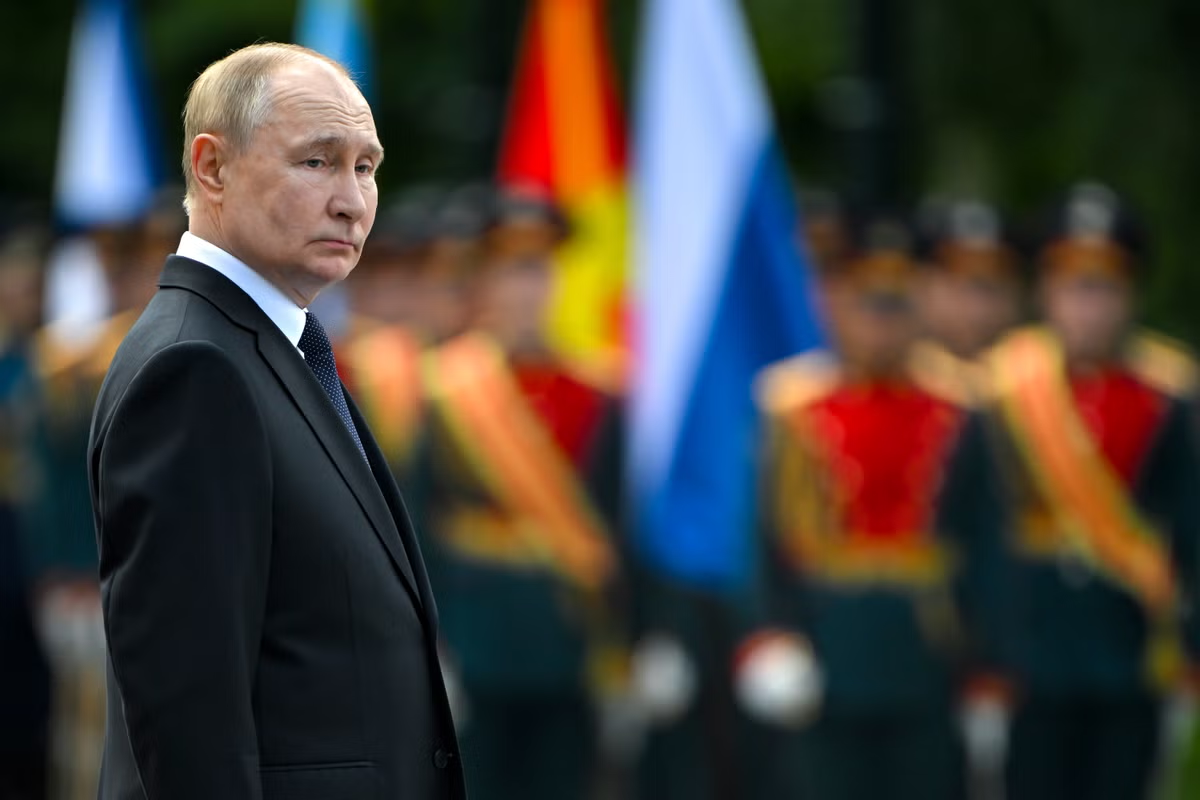
Russian President Vladimir Putin has ordered officials to explore the possibility of resuming nuclear tests, following US President Trump's call for renewed testing, amid ongoing global nuclear arms stockpile increases and recent advancements in Russian nuclear technology.
President Trump announced the resumption of US nuclear testing with some inaccuracies and unclear details, prompting international scrutiny and debate about nuclear capabilities and modernization efforts, amidst ongoing global nuclear tensions.
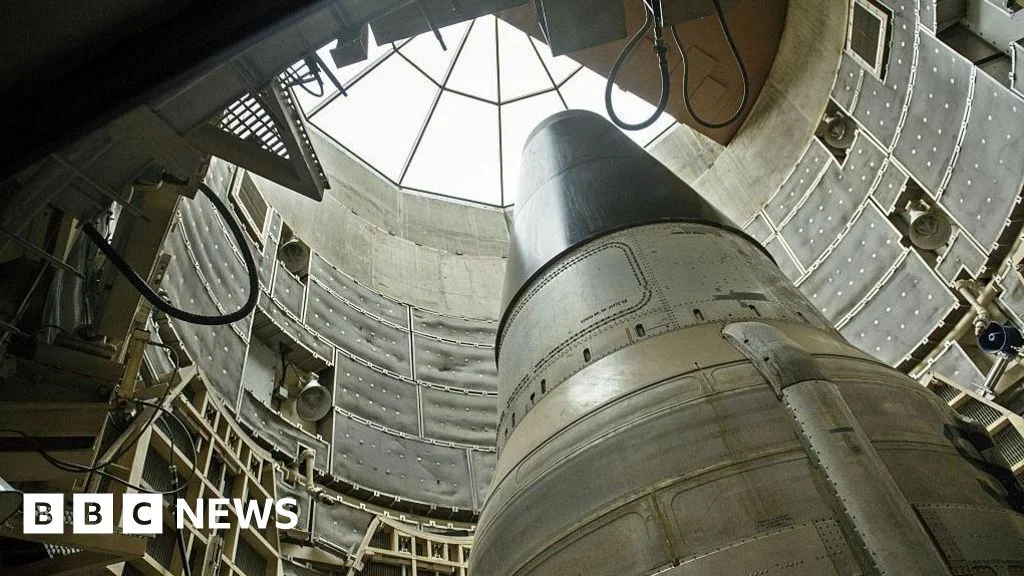
President Trump announced plans to resume nuclear testing in the U.S., which would involve underground tests at the Nevada site and could escalate global tensions, especially amid recent provocative tests by Russia. Experts warn that resuming testing is dangerous, costly, and unnecessary given current scientific capabilities, and could destabilize international nuclear agreements.
President Donald Trump ordered the Pentagon to immediately resume testing nuclear weapons, reversing a voluntary halt since 1992, citing global testing activities by other countries, including Russia and China, as motivation.
Donald Trump instructed the Pentagon to begin matching Russia and China in nuclear weapons testing, raising concerns about a renewed arms race, despite the US's previous moratorium on full nuclear tests since 1992. The move coincides with Trump's meeting with Chinese President Xi Jinping and follows Russia's recent testing of advanced nuclear-capable weapons. Experts and officials have expressed concern over the potential escalation of nuclear tensions.
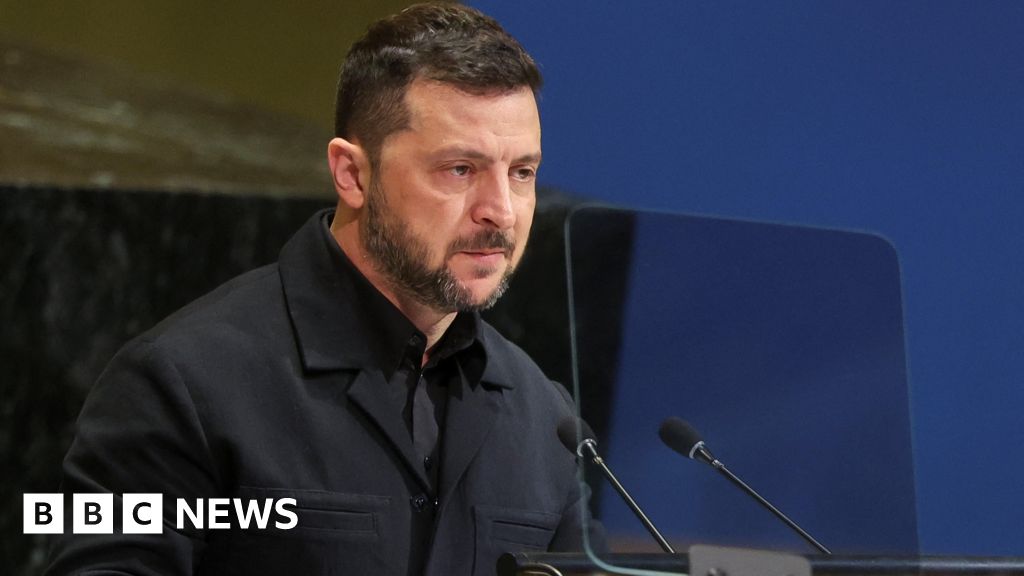
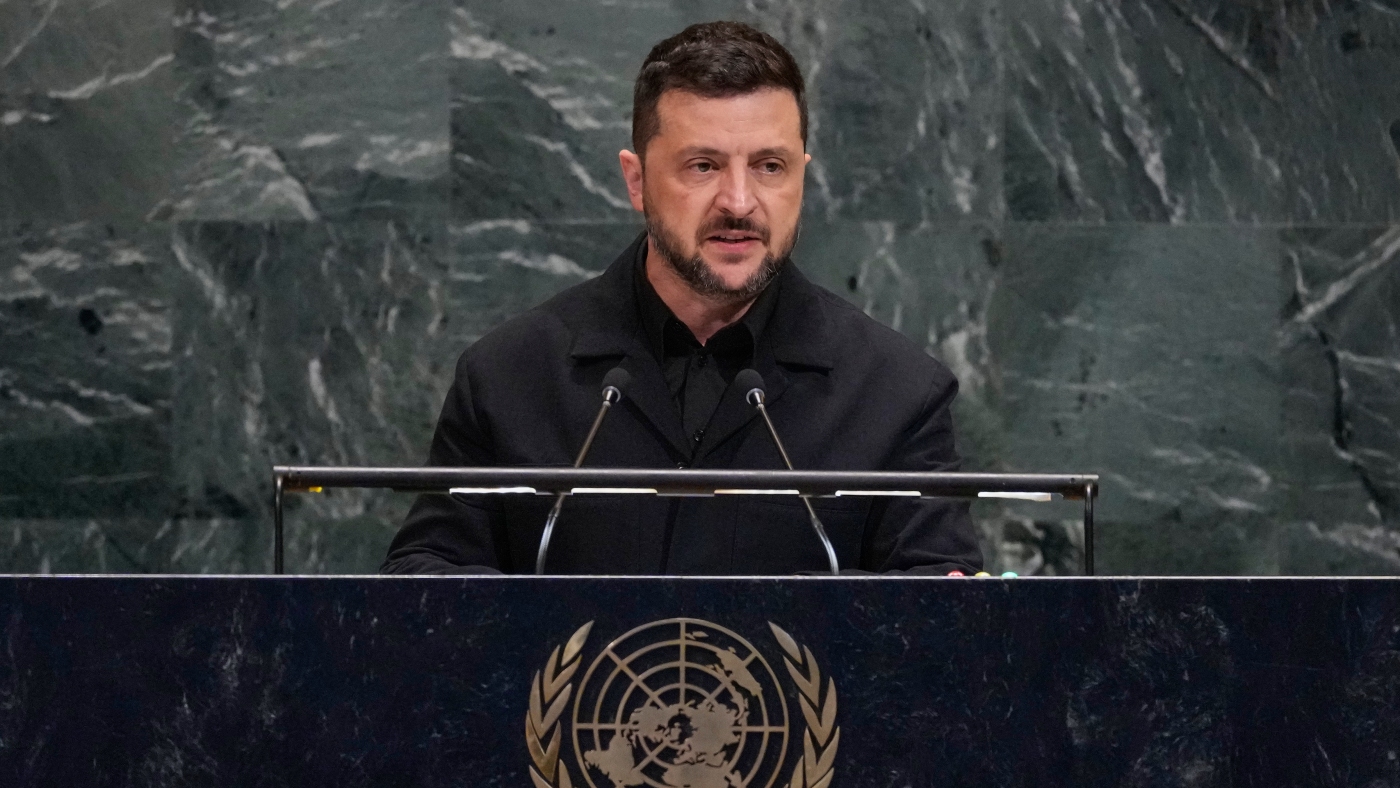
Ukrainian President Zelensky warns at the UN that Putin's Russia will escalate beyond Ukraine if not stopped, calling for stronger international support, AI regulation, and warning of a dangerous arms race, while also addressing recent Russian airspace violations and shifting US political stances on the conflict.
Ukrainian President Zelenskyy warned at the UN about the dangers of an AI-driven arms race and autonomous warfare, highlighting the escalation of drone conflicts and regional tensions involving Russia and Ukraine, amid shifting US positions on Ukraine's territorial integrity.
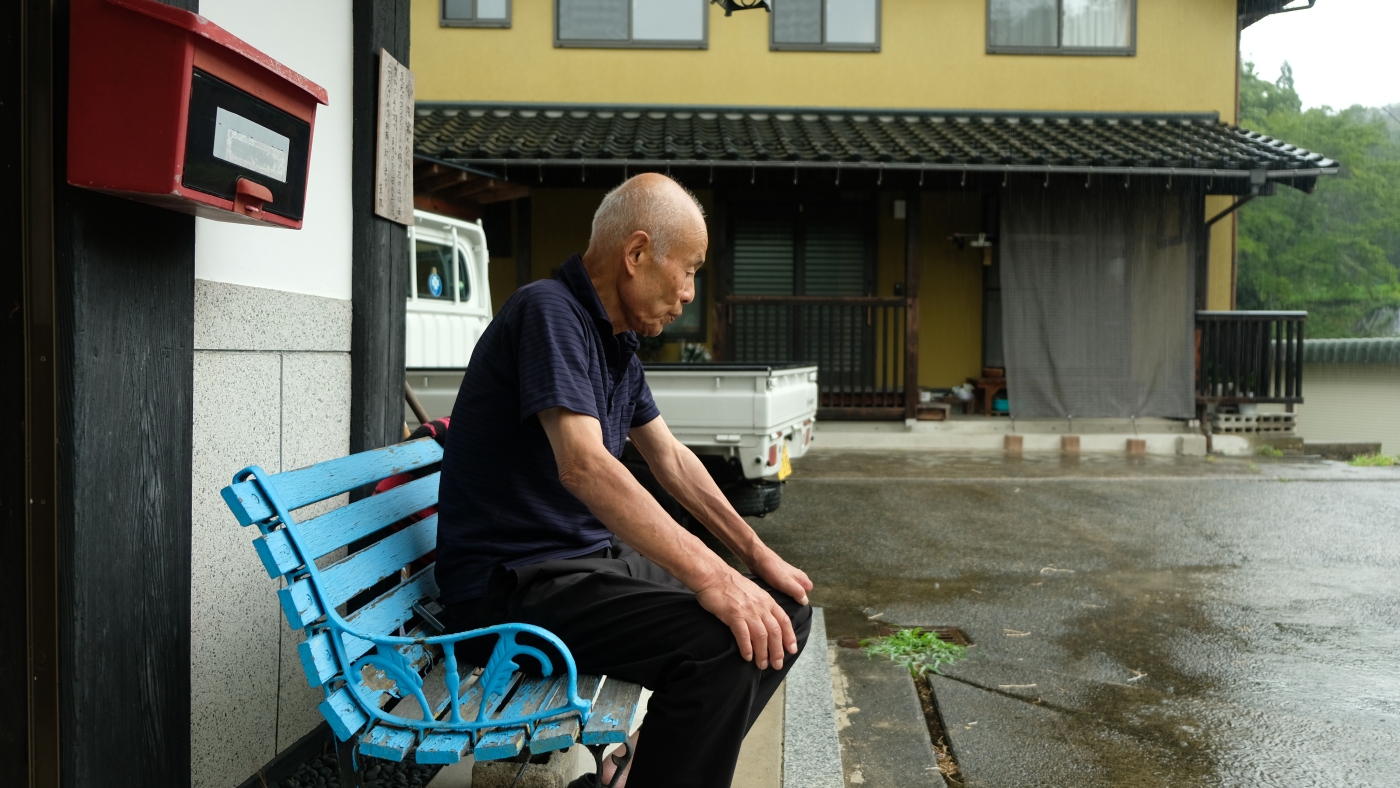
A-bomb survivors in Japan, led by Toshiyuki Mimaki, are advocating for nuclear disarmament amid rising tensions and an arms race in Asia, while Japan balances its moral stance against nuclear weapons with reliance on U.S. nuclear protection. The aging survivor community plans a final campaign to push for abolition, highlighting the ongoing global struggle over nuclear deterrence and disarmament.
Russia has announced it is no longer bound by a missile moratorium, citing U.S. and NATO actions, raising fears of a new arms race and destabilization, especially amid tensions over Ukraine and the collapse of the INF Treaty.
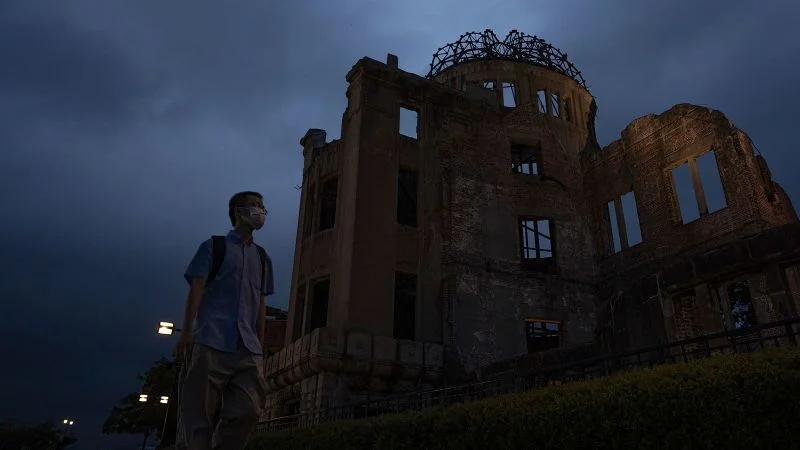
The world commemorates 80 years since the Hiroshima atomic bombing, while experts warn that nuclear threats are more imminent than in decades, with increasing arsenals, geopolitical tensions, and the Doomsday Clock nearing midnight, highlighting the urgent need for disarmament and international cooperation.
The article discusses how NCAA college hockey has significantly outpaced the Canadian Hockey League (CHL) in resources and development infrastructure, driven by an ongoing arms race among college programs to attract top players through superior facilities, coaching, and lifestyle benefits, with recent high-profile NIL deals like Gavin McKenna's highlighting the evolving landscape.
China's nuclear arsenal has increased by 100 warheads in 2024 to a total of 600, marking the fastest expansion among countries, while the global nuclear stockpile slightly declined to 12,241, raising concerns about a new nuclear arms race, with Russia and the US holding the majority of the world's warheads.
India and Pakistan are engaged in a new arms race involving drones, with both countries investing heavily in UAV technology following recent clashes, aiming to apply pressure without escalation, while relying on domestic and international collaborations amid concerns over supply chain dependencies.
A think tank claims that Russia has lost as many tanks in the Ukraine war as it had in active service before the conflict began, prompting the country to resupply its frontline from strategic reserves and boost defense spending. Ukraine, relying on Western weapons, has managed to strike back into Russia and damage Moscow's Black Sea Fleet. Global arms spending has reached a record $2.2 trillion, with China, Russia, and Iran increasing their military budgets significantly. The report also highlights heightened tensions and reshaped global defense-industrial landscape.