Germany is planning to authorize the military to shoot down drones domestically, amidst broader military and security developments including a halt on arms exports to Israel and ongoing tensions in European airspace.
Germany is suspending arms exports to Israel amid the worsening humanitarian crisis in Gaza, marking a significant shift in its traditionally pro-Israel stance driven by public opinion and humanitarian concerns, despite its historical guilt linked to the Nazi Holocaust.
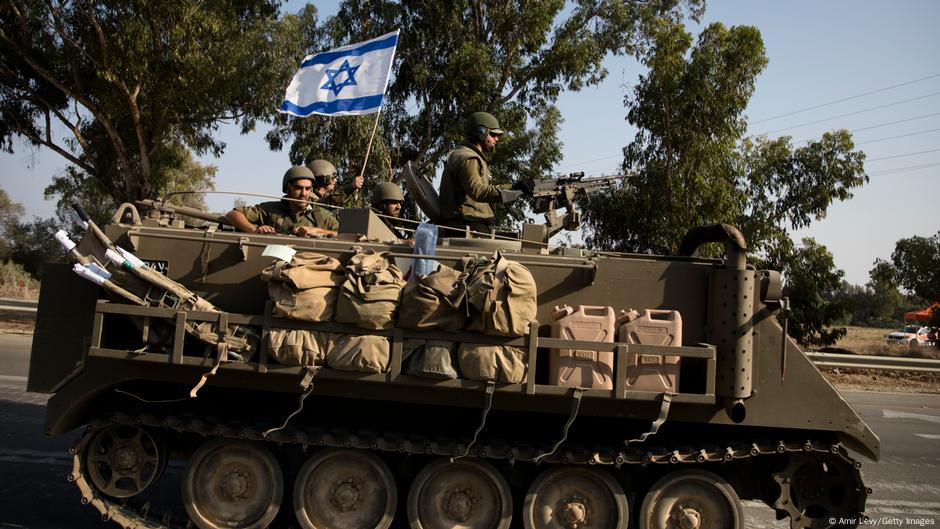
Germany has suspended arms exports to Israel for use in Gaza, marking a shift from its previous support, amid Israel's plans to take over Gaza City and international concerns over the conflict and hostage situation.
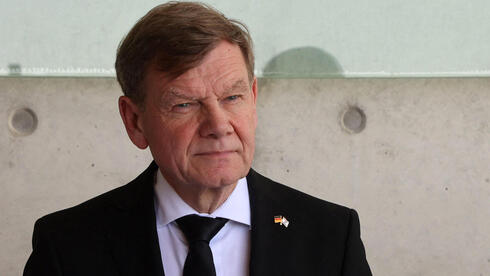
Germany's foreign minister Johann Wadephul reaffirmed Berlin’s strong commitment to Israel, emphasizing Germany's historic responsibility and support, including arms supplies, amidst recent tensions and internal debates within Germany's government.
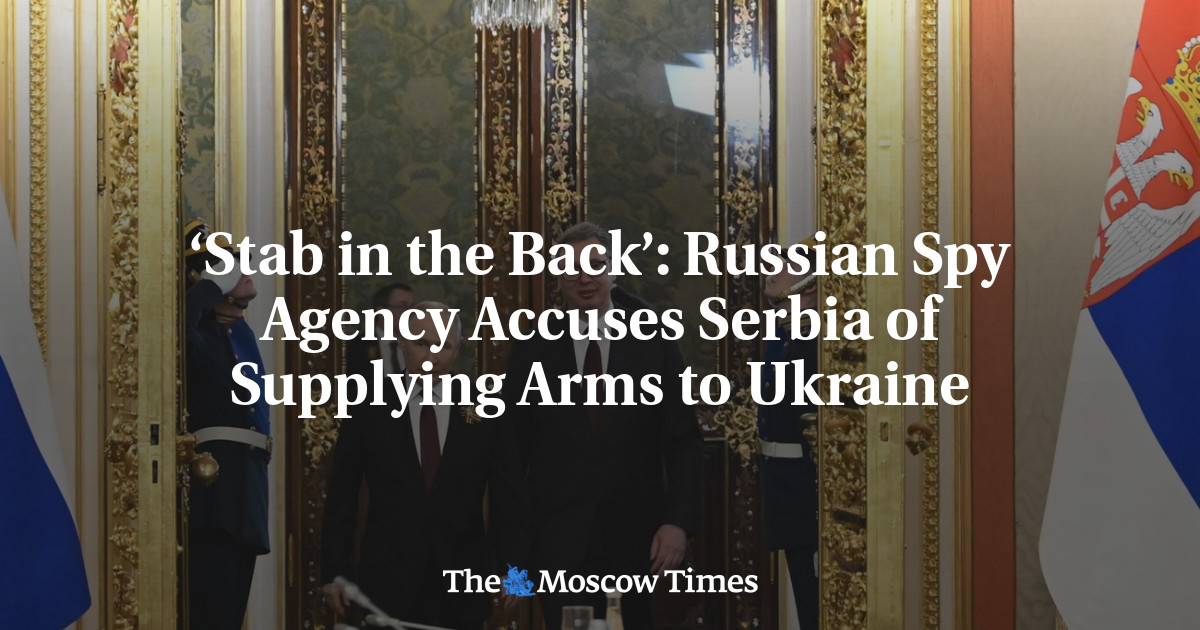
Russia's SVR accuses Serbia of supplying weapons to Ukraine through fake end-user certificates, despite Serbia's official neutrality, highlighting ongoing tensions and Serbia's close ties with Russia amidst the Ukraine conflict.
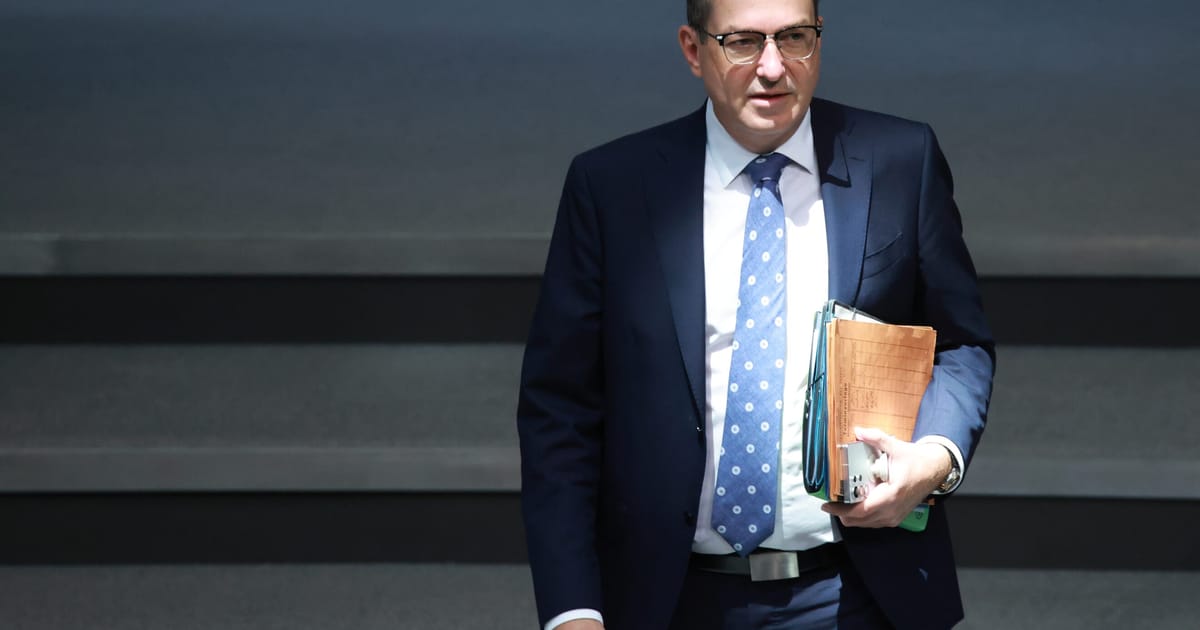
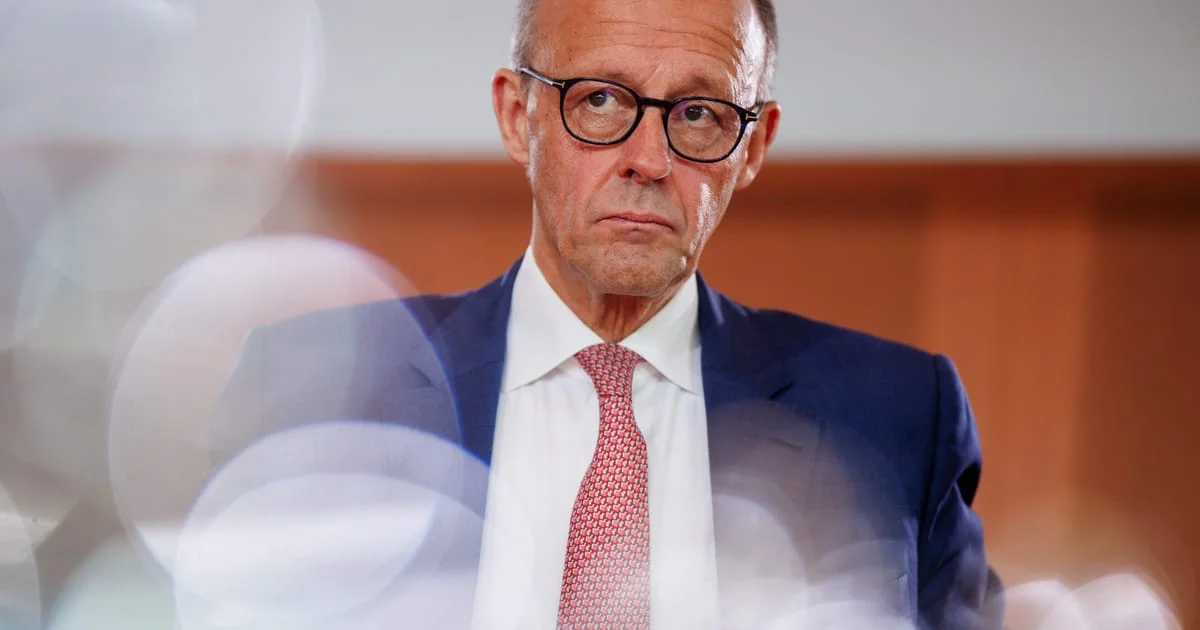
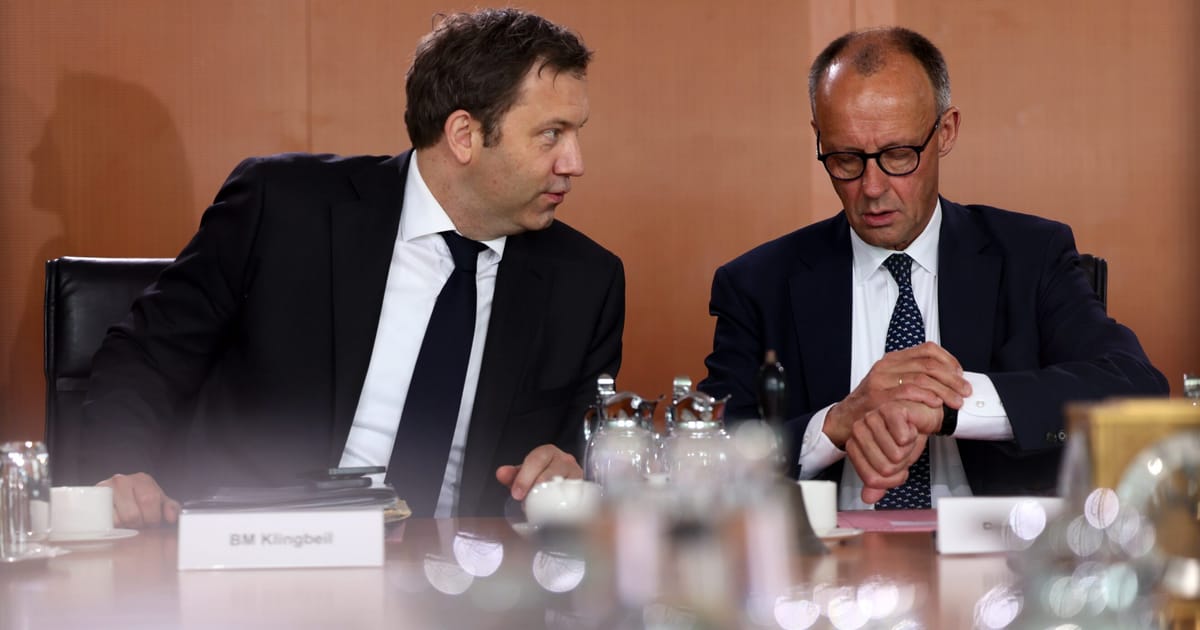
German finance minister disagrees with Merz over Ukraine weapons policy, with debates on supplying long-range missiles and arms exports, amid NATO's focus on increasing defense spending and ongoing diplomatic efforts.
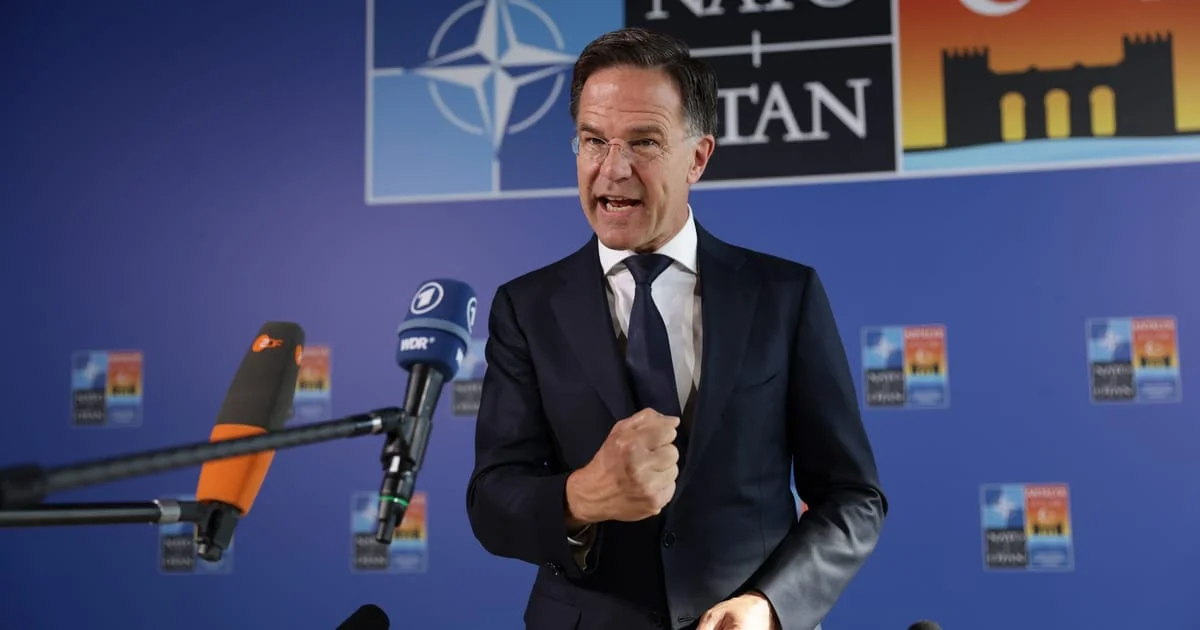
NATO's Rutte supports the goal of increasing defense spending to 5%, amid ongoing debates in Germany over military aid and arms exports to Ukraine and Israel, with disagreements among German officials on policies and strategies.
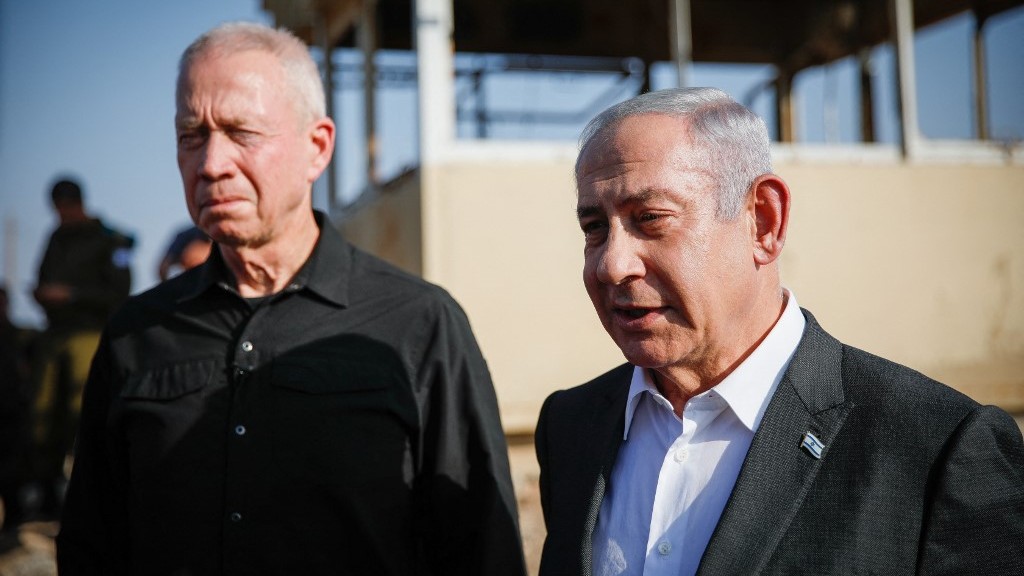
Rights groups Al-Haq and the Global Legal Action Network are pressuring the UK government to halt arms exports to Israel after the International Criminal Court issued arrest warrants for Israeli Prime Minister Benjamin Netanyahu and former Defence Minister Yoav Gallant. The groups argue that UK-made components for F-35 fighter jets are being used in alleged war crimes against Palestinians, including the intentional starvation of civilians in Gaza. They have given the UK government until Friday to suspend these exports or face a court order for an emergency injunction.
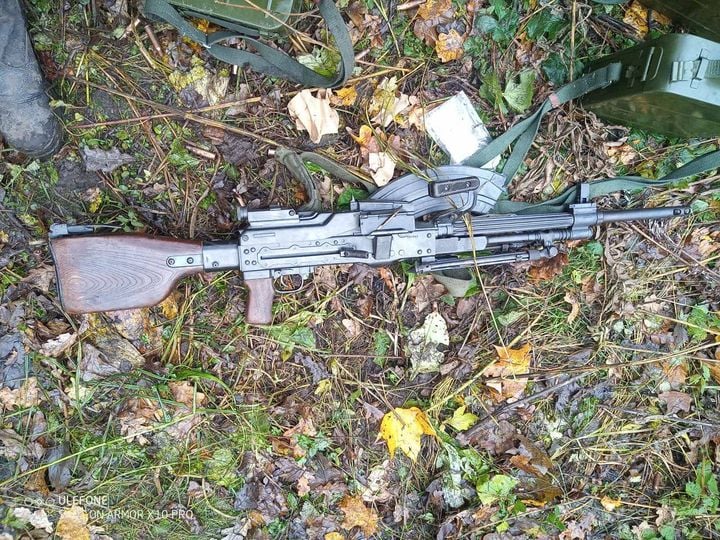
Russian forces have started using North Korean Type 73 machine guns in Ukraine, marking the first known use of North Korean small arms by Russian troops. This development, reported by Ukrainian defense publication Militarnyi, suggests a strategic partnership between Russia and North Korea, possibly facilitated through Iran. Despite Russia's own production capabilities and stockpiles, the use of these weapons highlights Moscow's reliance on new alliances and non-traditional sources for military supplies.
The deaths of three British aid workers in Gaza have sparked calls for the U.K. to halt arms exports to Israel, with concerns that British-made weapons may have been used in actions violating international law. Prime Minister Rishi Sunak faces growing pressure to suspend arms sales, as legal experts and politicians urge the government to reconsider its alliance with Israel. The U.K.'s defense exports to Israel, though relatively small, have come under scrutiny, and public opinion is increasingly in favor of halting these exports.
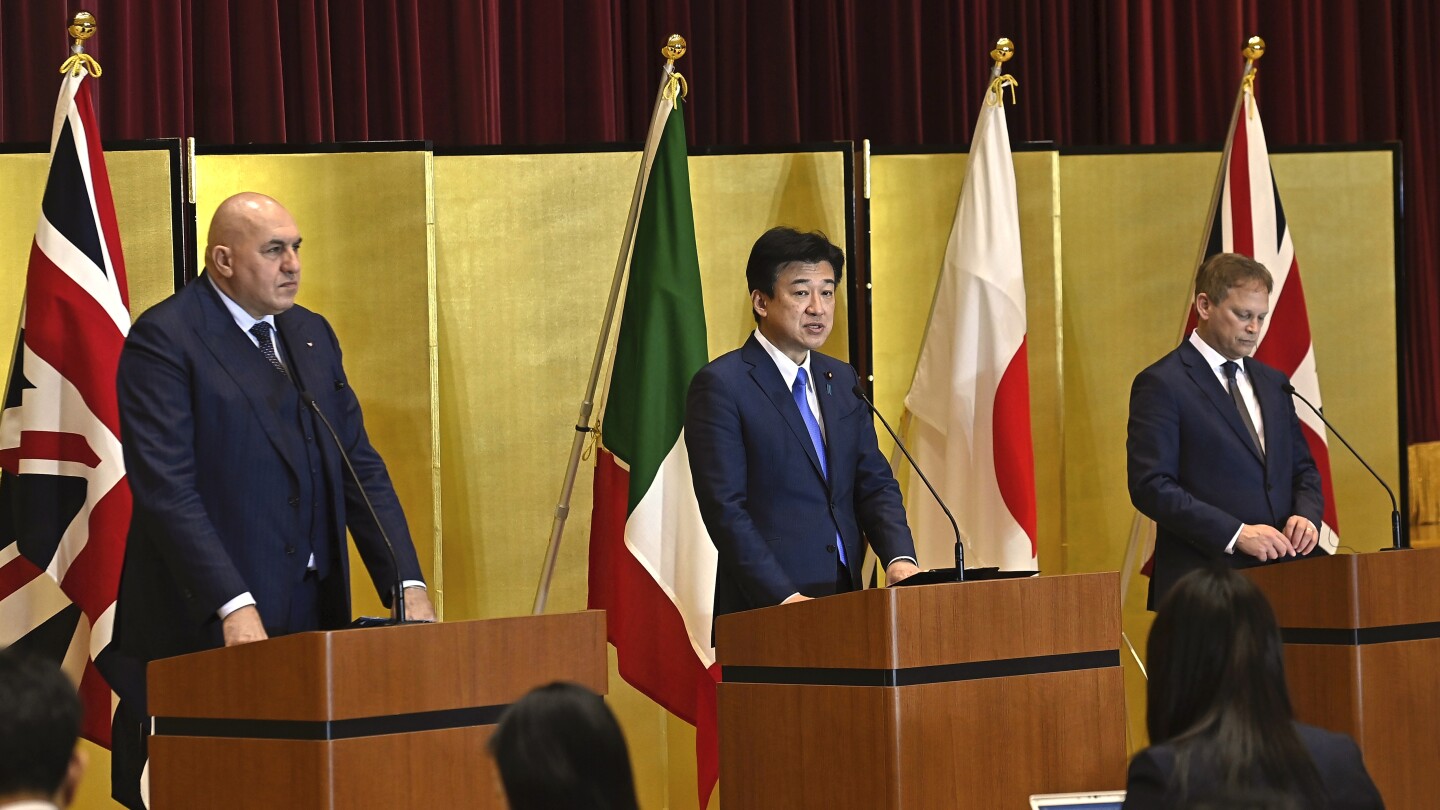
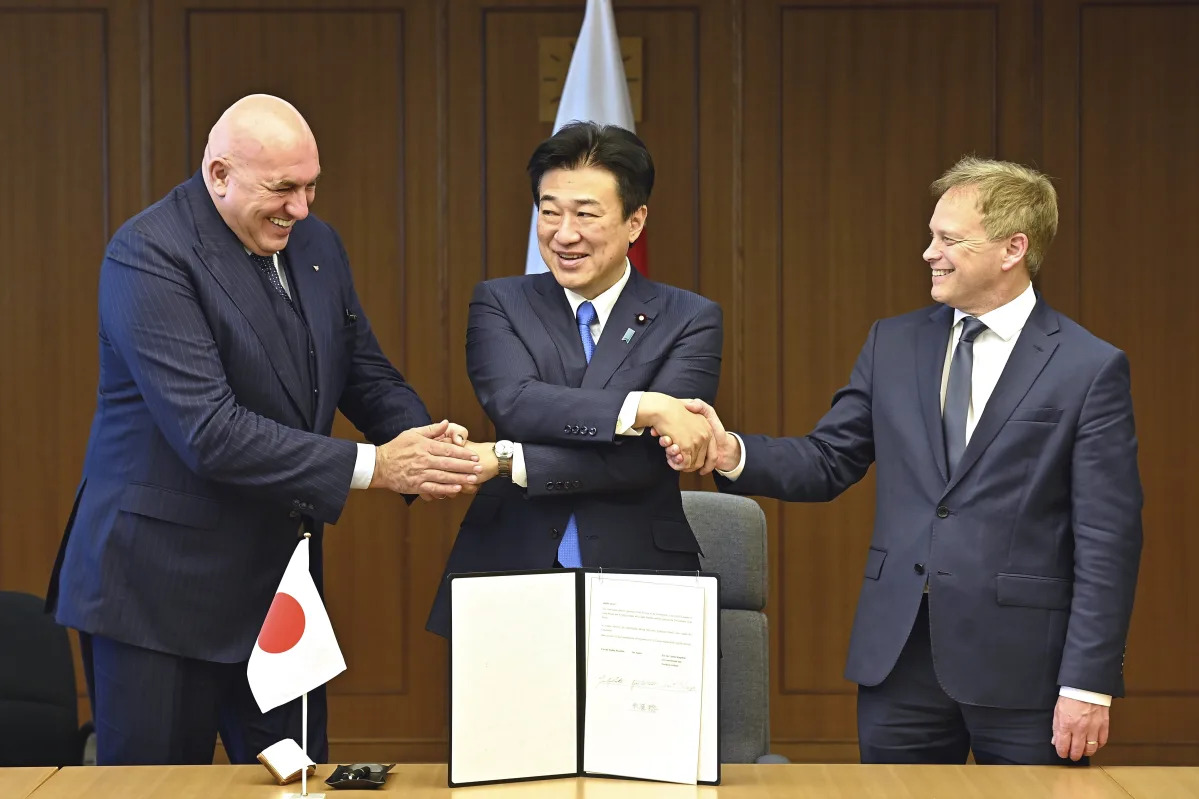
Japan's Cabinet approved a plan to sell future next-generation fighter jets to other countries, marking a significant shift away from its pacifist principles. The decision is part of a move to bolster Japan's arms industry and global role, and is expected to help secure its involvement in a joint project to develop a new fighter jet with Italy and the U.K. The change is controversial due to Japan's historical ban on exporting lethal weapons, but the government insists it has no plans to export other co-developed lethal weapons under the new guidelines. The decision reflects Japan's concerns about regional tensions, particularly China's military buildup, and aims to boost its defense industry.
Japan's Cabinet approved a plan to sell future next-generation fighter jets developed with Britain and Italy to other countries, marking a significant departure from the country's postwar pacifist principles. The decision aims to secure Japan's role in the joint fighter jet project, build up its arms industry, and bolster its global security presence. This move comes as Japan seeks to replace its aging fleet of American-designed F-2 fighters and enhance its military capabilities amid rising regional tensions, particularly from China. The decision to allow international arms sales is expected to help defray development and manufacturing costs for the joint fighter jet project, but has faced criticism from opponents and a divided public opinion.
France has become the world's second largest arms exporter, just ahead of Russia, with a 47% increase in arms exports between 2014-2018 and 2019-2023. This surge is attributed to France's pursuit of "strategic autonomy" and support for its arms industry. Meanwhile, Russia's arms exports have halved, partly due to China's ability to produce high-tech weapons independently. The war in Ukraine has led to a doubling of weapons imports to Europe, with Ukraine becoming the world's fourth largest arms importer. Despite efforts by NGOs to restrict arms sales, the impact has been limited, and Western countries continue to dominate global arms exports.
France has surpassed Russia as the world's second-largest arms exporter, with 11 percent of the global arms market, while the U.S. remains in the top spot with 42 percent. Russia's share of global arms exports has fallen to around 11 percent, just below France, due to factors including sanctions related to its actions in Ukraine. France's rise is attributed to major deals for Dassault Aviation's Rafale fighter jet with countries like Qatar, Egypt, and India, with India now importing more arms from France than from Russia. The global volume of international arms transfers fell by 3.3 percent, but arms imports in Europe increased by 94 percent, with most European countries boosting defense spending.