Astronomers using Hubble reveal that exoplanet HD 189733b—a heat‑stricken, blue world about 64 light‑years away—experiences winds up to 5,400 mph that can sling glass‑like silicate droplets across the atmosphere, creating lethal sideways rain with dramatic day‑night temperature contrasts.
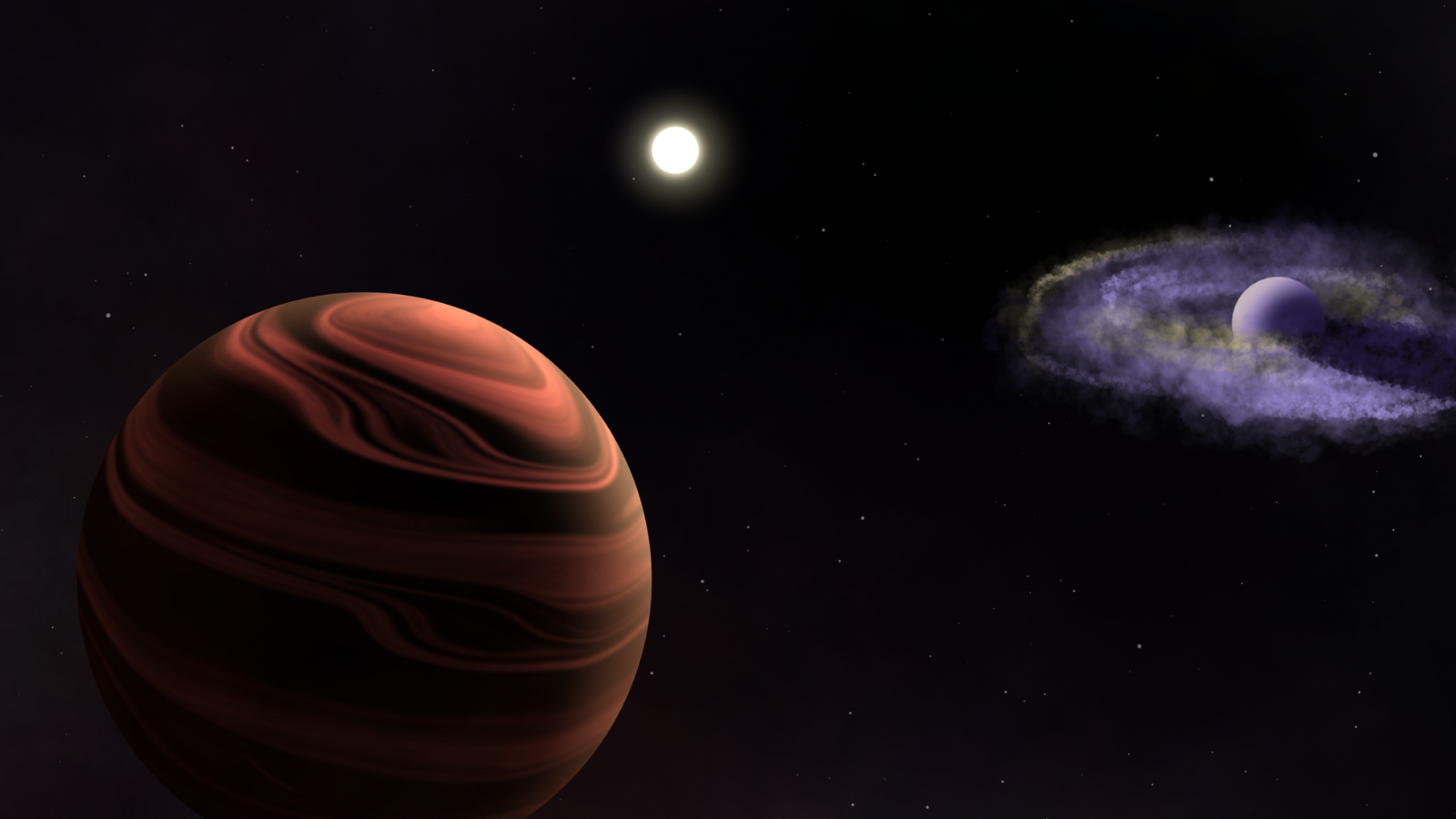
Astronomers using the James Webb Space Telescope have discovered a young star system, YSES-1, with two gas giant exoplanets featuring silica clouds and sandy rains, providing new insights into planetary atmospheres and formation processes, and marking the first direct observation of silicate clouds in exoplanet atmospheres and circumplanetary disks.
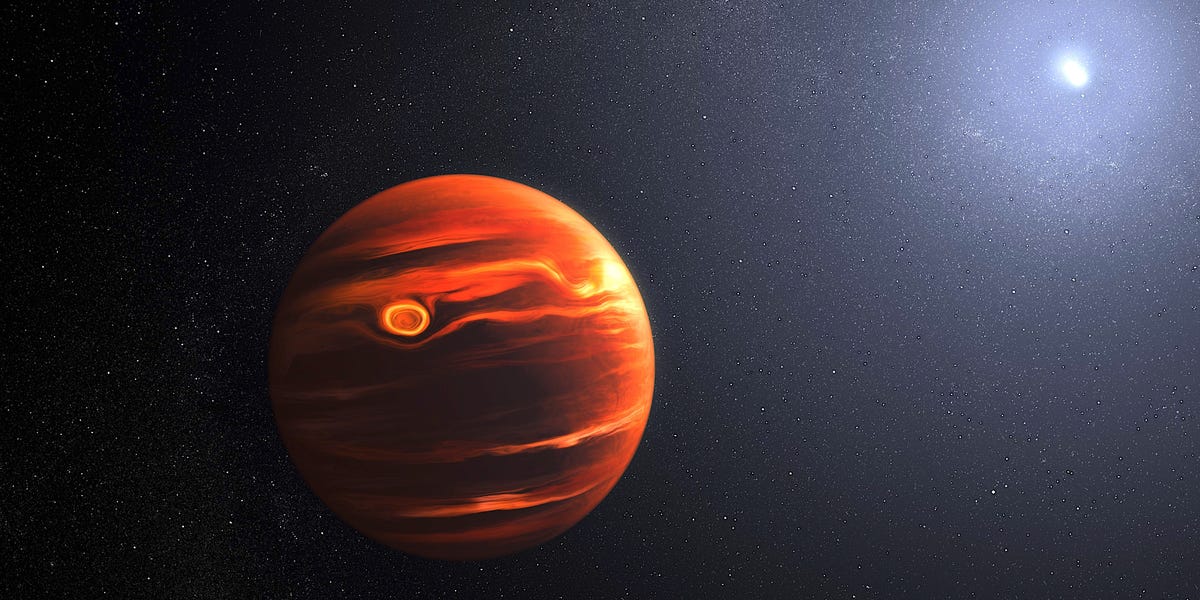
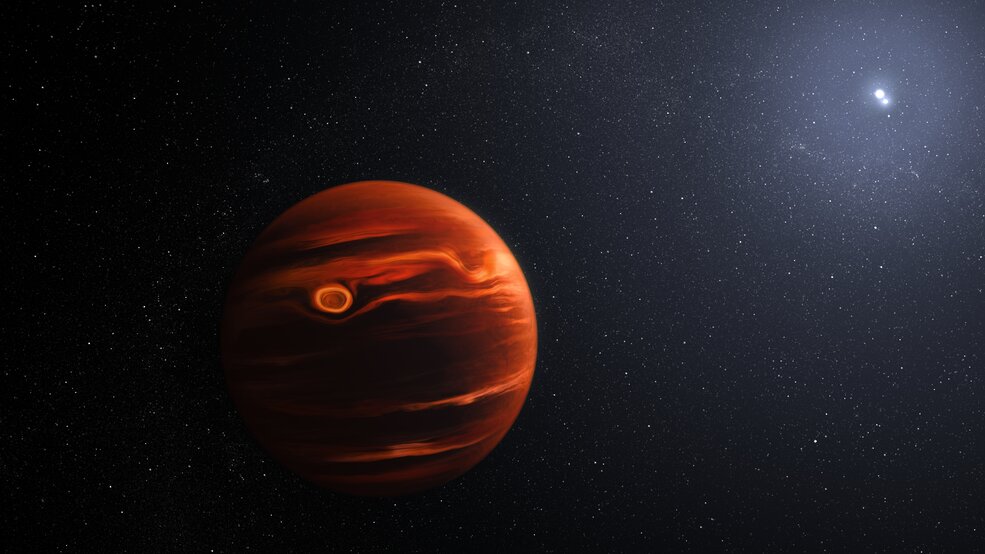
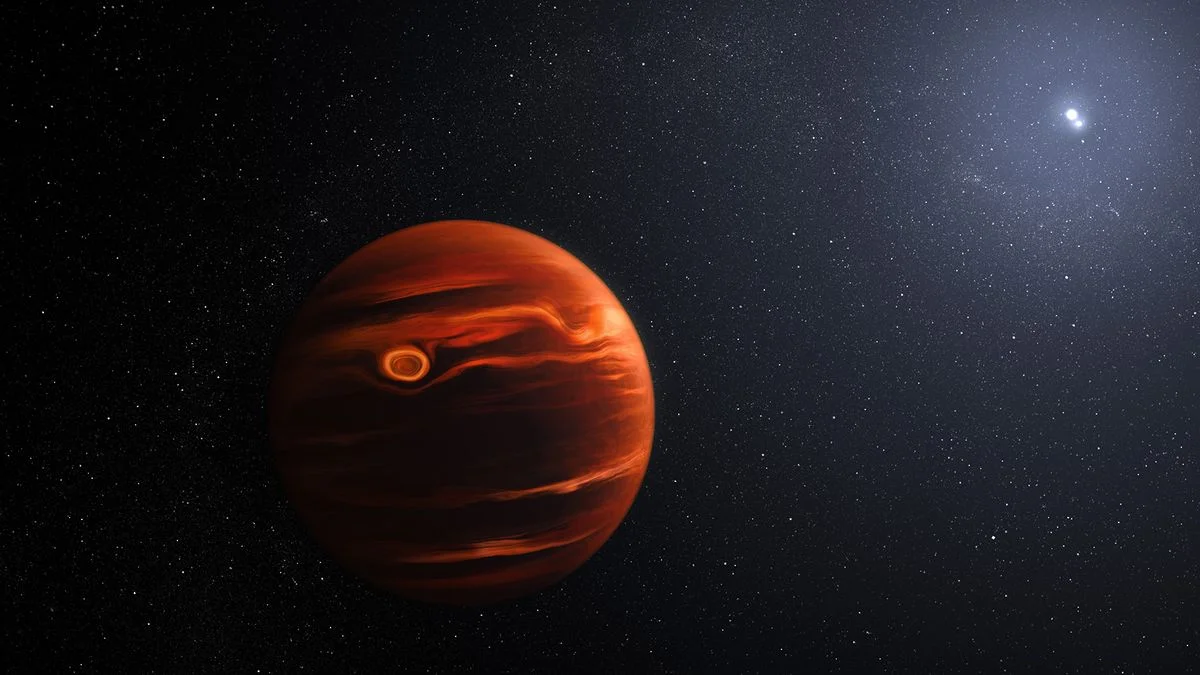
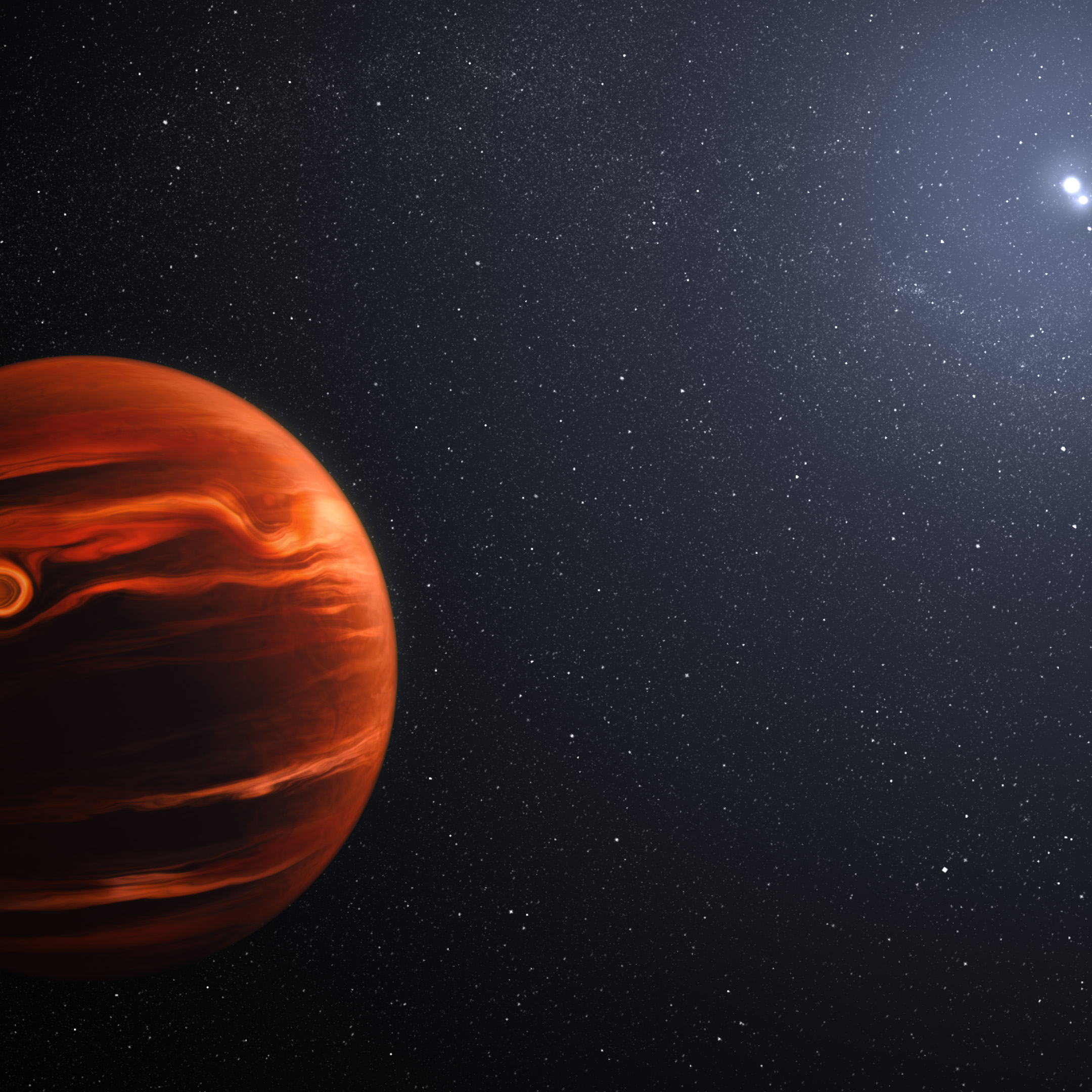
The James Webb Space Telescope has detected silicate cloud features in the atmosphere of a distant planet known as VHS 1256 b. The planet's atmosphere is constantly rising, mixing, and moving during its 22-hour day, resulting in dramatic brightness changes. The exoplanet's turbulent skies are due to its low gravity and young age. The telescope also identified the largest number of molecules all at once on a planet outside our solar system, including water, methane, carbon monoxide, and carbon dioxide. The findings were published in The Astrophysical Journal Letters.
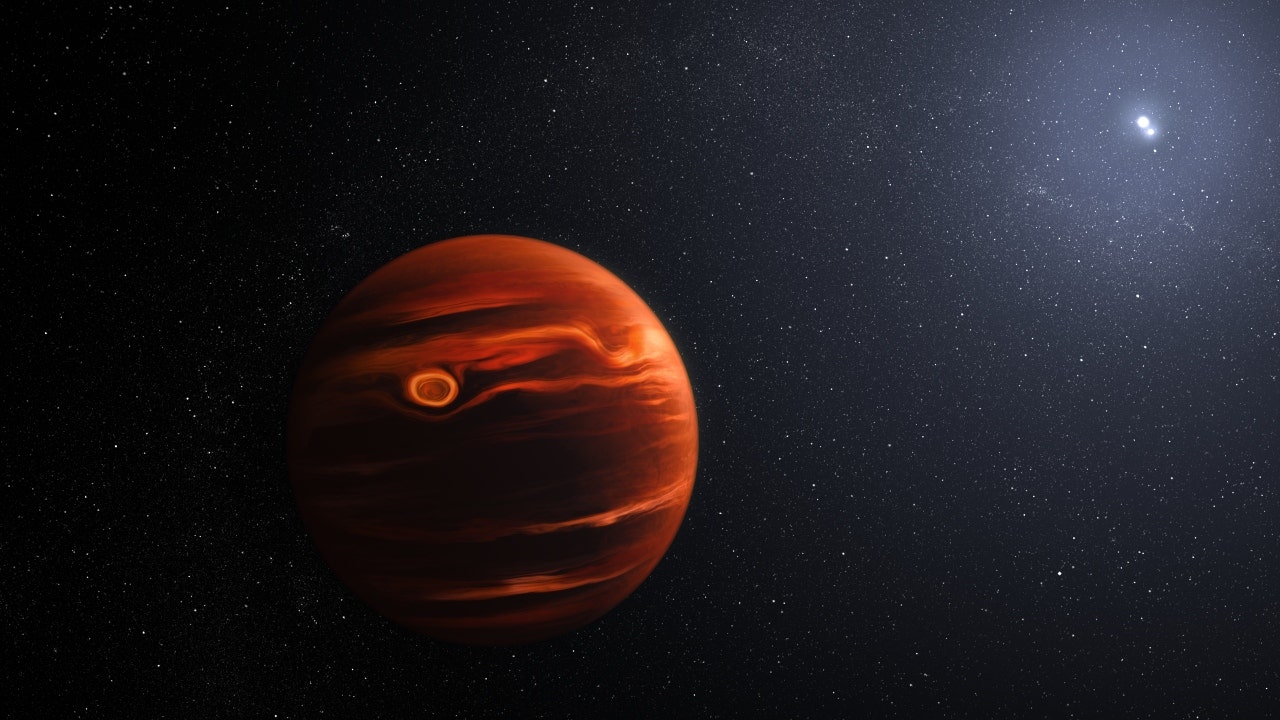
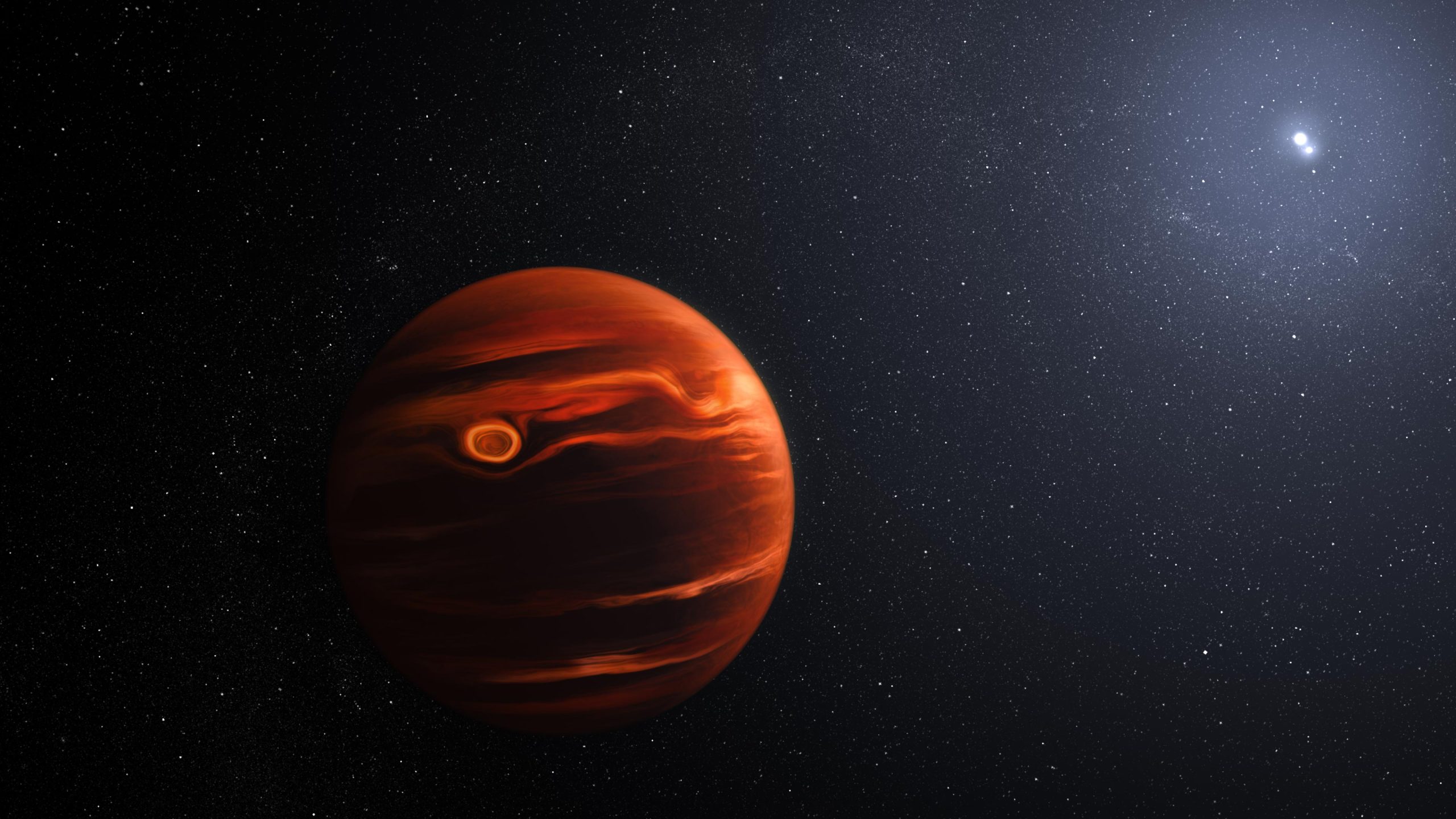
NASA's James Webb Space Telescope has detected silicate clouds in the atmosphere of exoplanet VHS 1256 b, which is about 40 light-years away and orbits two stars. The clouds are constantly rising, mixing, and moving during its 22-hour day, and contain silicate particles ranging from fine specks to small grains. The team also detected water, methane, carbon monoxide, and evidence of carbon dioxide. The planet's low gravity and young age make it an ideal target for observation. Webb's observations provide a treasure trove of data for researchers to analyze and understand the planet's dynamic cloud and weather systems.
NASA's James Webb Space Telescope has discovered sand storms on a "super Jupiter" planet called VHS 1256b, which is 235 trillion miles away from Earth. The clouds on the planet are made up of scorching hot, tiny sand-like particles known as silicates. Webb's ability to analyze the entire infrared spectrum of starlight passing through the planet's atmosphere has allowed astronomers to identify the largest number of molecules ever identified all at once on a planet outside our solar system, including water, methane, carbon monoxide, and carbon dioxide. The planet is a "super Jupiter" that's 12 to 18 times the size of our solar system's Jupiter and orbits two stars over a period of about 10,000 years.
The James Webb Space Telescope has detected silicate cloud features in the atmosphere of exoplanet VHS 1256 b, which is about 40 light-years away and orbits two stars. The planet's atmosphere is constantly rising, mixing, and moving during its 22-hour day, resulting in dramatic brightness changes. The team also detected water, methane, carbon monoxide, and carbon dioxide, making it the largest number of molecules ever identified on a planet outside our solar system. The researchers used two spectrographs aboard Webb to observe the planet's near- to mid-infrared light emitted and identified silicate clouds, water, methane, and carbon monoxide.
NASA's James Webb Space Telescope has directly imaged the atmosphere of exoplanet VHS 1256 b, which orbits two stars and is about 19 times more massive than Jupiter. The telescope detected silicate clouds, similar to sand on Earth, and a variety of chemicals including water, methane, carbon monoxide, and carbon dioxide. This marks the largest number of molecules ever identified on a planet outside our solar system. The team is still analyzing the data to better understand the tempestuous atmosphere of this exoplanet.
NASA's James Webb Space Telescope has detected silicate cloud features in the atmosphere of exoplanet VHS 1256 b, which is about 40 light-years away and orbits two stars over a 10,000-year period. The planet's atmosphere is constantly rising, mixing, and moving during its 22-hour day, making it the most variable planetary-mass object known to date. The team also detected water, methane, carbon monoxide, and carbon dioxide in the planet's atmosphere, making it the largest number of molecules ever identified on a planet outside our solar system.