A neurosurgeon warns that high blood pressure, often symptomless, can cause serious damage to blood vessels leading to heart attacks or strokes, emphasizing the importance of regular monitoring and lifestyle changes to manage the condition.
High blood pressure often has no symptoms but can lead to serious health issues like heart attack and stroke. Common signs include headaches, blurred vision, shortness of breath, chest pain, nosebleeds, and frothy urine. Regular blood pressure monitoring is crucial for early detection and prevention, as hypertension is known as the 'silent killer.'
Weight-loss drugs are not the only potential blockbuster drugs in the fight against obesity-related conditions such as type 2 diabetes and heart disease. Researchers are exploring other avenues, including drugs that target the body's metabolism and appetite control. These potential breakthroughs could offer new hope in the battle against obesity and its associated health risks.
The NHS has launched a campaign urging millions of people to get checked for high blood pressure, which can lead to serious health issues if left untreated. Up to 4.2 million people in England are thought to have high blood pressure without knowing it. The campaign, backed by health charities, emphasizes that high blood pressure often has no symptoms and can lead to heart attacks, strokes, kidney disease, and vascular dementia. Getting a blood pressure check at a local pharmacy is free, quick, and could potentially save lives. Lifestyle changes and medication are among the treatments for high blood pressure.
Three men have died and one is in critical condition after a suspected carbon monoxide poisoning incident in Kansas City. The victims, aged between 20 and 40, were found at a home where a generator was being used indoors. Carbon monoxide, known as the "silent killer," is odorless and colorless, making it difficult to detect without an effective alarm. This incident highlights the dangers of using gas generators indoors, as the gas can build up over time and become deadly.
A new study has found a high prevalence of high blood pressure, or hypertension, among both husbands and wives in middle-aged and older heterosexual couples in four countries. The research suggests that couples may share hypertension due to similar lifestyle habits and health outcomes. The study highlights the importance of considering couples as a unit when diagnosing and treating high blood pressure, and recommends couple-centered strategies such as scheduling doctor's appointments together and regularly monitoring blood pressure at home. Lifestyle changes, including exercise, healthy diet, stress management, and reducing alcohol intake, can help lower blood pressure and have a significant public health impact.
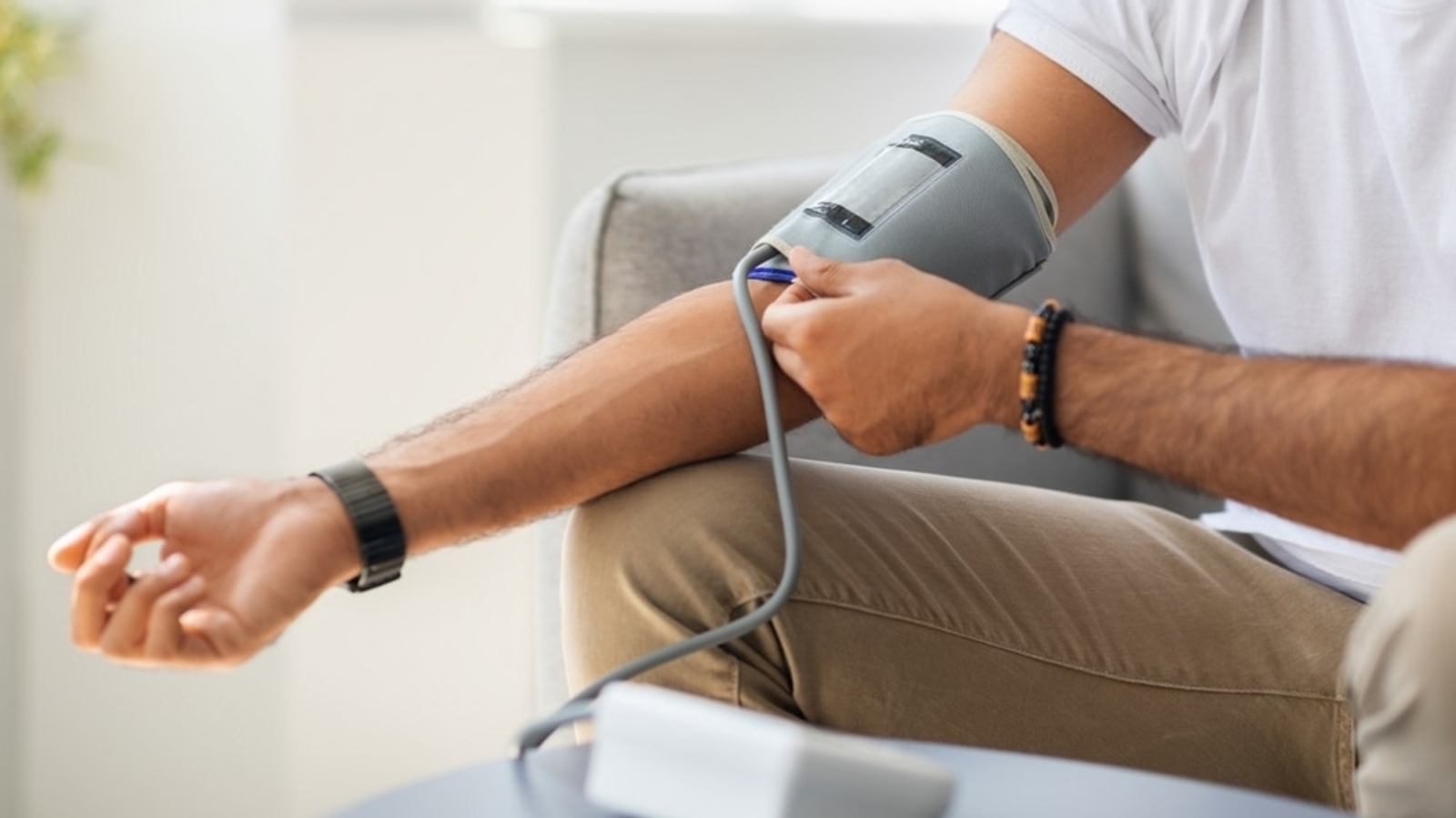
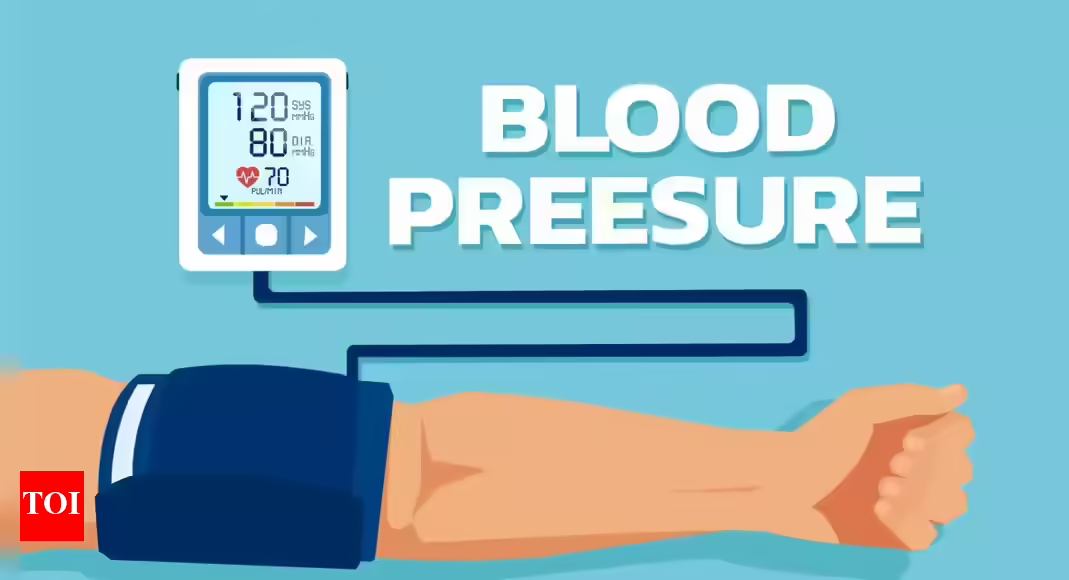
High blood pressure, also known as hypertension, is often referred to as the silent killer because it has no symptoms but can lead to serious health issues such as heart attacks, stroke, and dementia. Managing blood pressure early in life is crucial, yet many people are unaware of their condition. The SPRINT study found that bringing blood pressure down to <120/<80 resulted in significant reductions in the risk of heart attack, stroke, and death. To accurately measure blood pressure, multiple readings over a span of days are recommended, using a home device. Following a consistent protocol for measurements, such as sitting with back support for five minutes and avoiding talking, is important. Managing blood pressure is a critical part of the longevity playbook and can greatly improve healthspan.
In recognition of Pancreatic Cancer Awareness Month, Dr. Shanel Bhagwandin, medical director of the Gastrointestinal Surgical Oncology Program at Jupiter Medical Center, discussed the signs and symptoms of pancreatic cancer, which accounts for three percent of all cancers in the U.S. and is the seventh deadliest worldwide. Often referred to as a "silent killer," raising awareness about this disease is crucial.
High cholesterol, often referred to as a "silent killer," can go unnoticed until it develops into serious heart disease. One symptom of high cholesterol is severe pain in the feet, caused by a condition called Critical Limb Ischemia (CLI) where the fatty substance blocks blood supply to the extremities. CLI can lead to ulcers, sores, and intense pain. To prevent high cholesterol, it is important to get tested and make dietary changes such as reducing saturated fats and incorporating unsaturated fats.
The World Health Organization (WHO) has released its first report on the global impact of hypertension, highlighting the under-detection and under-treatment of high blood pressure worldwide. High blood pressure affects one in three adults globally and can lead to serious health consequences such as stroke, heart attack, heart failure, and kidney issues. Despite the availability of lifestyle measures and effective medications, only a small percentage of people with hypertension have their blood pressure under control. The WHO emphasizes the importance of implementing lifestyle changes, such as reducing dietary salt and maintaining a healthy weight, to control blood pressure. Additionally, regular blood pressure monitoring, reducing sodium intake, and engaging in physical activity are recommended to prevent the adverse effects of high blood pressure.
Chagas disease, transmitted by the 'kissing bug' parasite, is a silent killer that slowly destroys the heart, but most people are unaware they have it. The disease is incurable and can cause severe heart problems. In the US, over 300,000 people are estimated to have Chagas disease, but only around 1% of cases have been identified due to a lack of awareness and testing. The disease is primarily found in rural Latin America, but cases are increasing in the US. Doctors and advocates are calling for increased access to testing and treatment, as well as government action to combat the disease.
Leg pain, specifically a gripping or cramping sensation in the calves, can be a lesser-known symptom of coronary disease and peripheral arterial disease (PAD). PAD, caused by fatty deposits in the arteries, can lead to life-threatening complications such as gangrene and amputation. People with PAD have a significantly higher risk of heart attack, up to three to five times higher than normal. Risk factors for PAD include smoking, diabetes, obesity, and high blood pressure. It is important to seek medical attention if experiencing leg pain while walking, as it could be a hidden sign of a silent killer. Treatment may involve lifestyle changes, such as quitting smoking, managing blood pressure and diabetes, and taking medications like blood thinners and statins.
Aortic aneurysms, a potentially life-threatening condition, often go unnoticed until they rupture, resulting in a high mortality rate. However, early detection is crucial for successful treatment. Warning signs of an aortic aneurysm include chest pain, cough, shortness of breath, back/jaw/neck pain, feeling full after small meals, or trouble swallowing. Certain factors increase the risk, such as being male, over 65, a smoker, having high blood pressure, heart disease, obesity, or a family history. Aortic screenings, including ultrasounds, can help detect aneurysms, and some insurance plans offer free or low-cost screenings for at-risk individuals.
A doctor has identified the warning signs and risk factors for seven silent killer cancers, including bowel, liver, ovarian, cervical, lung, pancreatic, and prostate cancer. Symptoms such as persistent abdominal pain, bloating, changes in bowel habits, unusual vaginal bleeding, coughing, fatigue, and unintentional weight loss should not be ignored. Risk factors include age, family history, lifestyle factors, weakened immune system, and certain medical conditions. Early detection and seeking medical help are crucial for effective treatment.
A new study published in the Annals of Internal Medicine has found that nearly half of the participants were found to have signs of coronary heart disease or atherosclerosis despite having no prior symptoms. Researchers from Copenhagen University Hospital in Denmark studied over 9,000 people age 40 or older who had no symptoms and no history of heart disease. Those who showed obstructive and extensive disease were at the highest risk for future heart attacks, the findings stated. The primary risk factors for heart disease include smoking, high blood pressure, diabetes, obesity, high low-density lipoprotein (LDL) cholesterol, unhealthy diet, a sedentary lifestyle and secondhand smoke exposure.