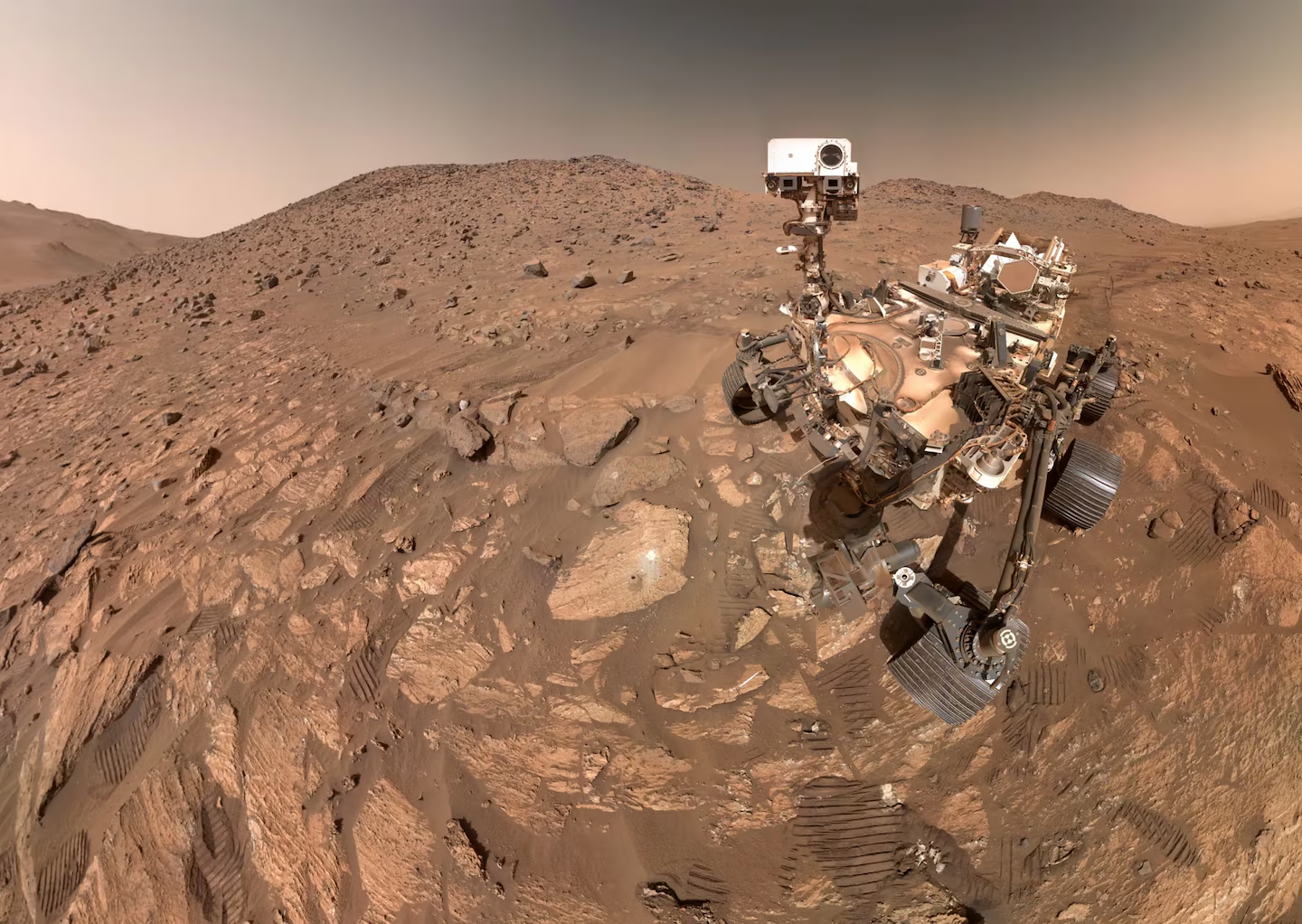
NASA's Perseverance rover found speckled rocks on Mars that could potentially be evidence of past life, based on their unique coloration and formation, representing the clearest sign of life ever detected on the planet.
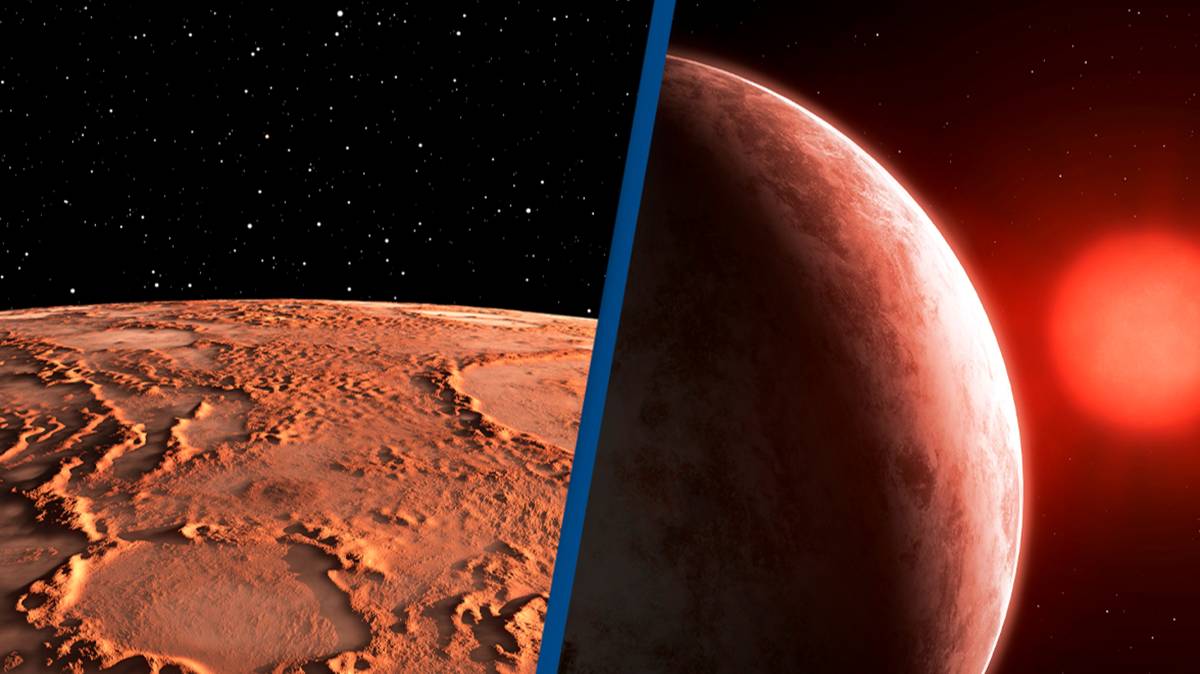
NASA's James Webb telescope has detected possible signs of life on a planet named ‘K2-18 b’, located 120 light years away, with the presence of methane, carbon dioxide, and dimethyl sulphide in its atmosphere. This discovery suggests it could be a ‘Hycean’ planet, potentially covered in an ocean with a hydrogen-rich atmosphere. While not definitive evidence of life, researchers are hopeful about the possibility of identifying life on habitable exoplanets, with some experts expressing optimism about finding strong evidence for biosignatures on exoplanets in the near future.
The San Francisco office market is showing signs of life as companies begin to return to in-person work and demand for office space increases. After a period of uncertainty during the pandemic, the real estate market in the city is experiencing a recovery, with companies seeking to secure office spaces for their employees. This positive trend indicates a shift towards a more traditional work environment and suggests a potential rebound for the San Francisco office market.
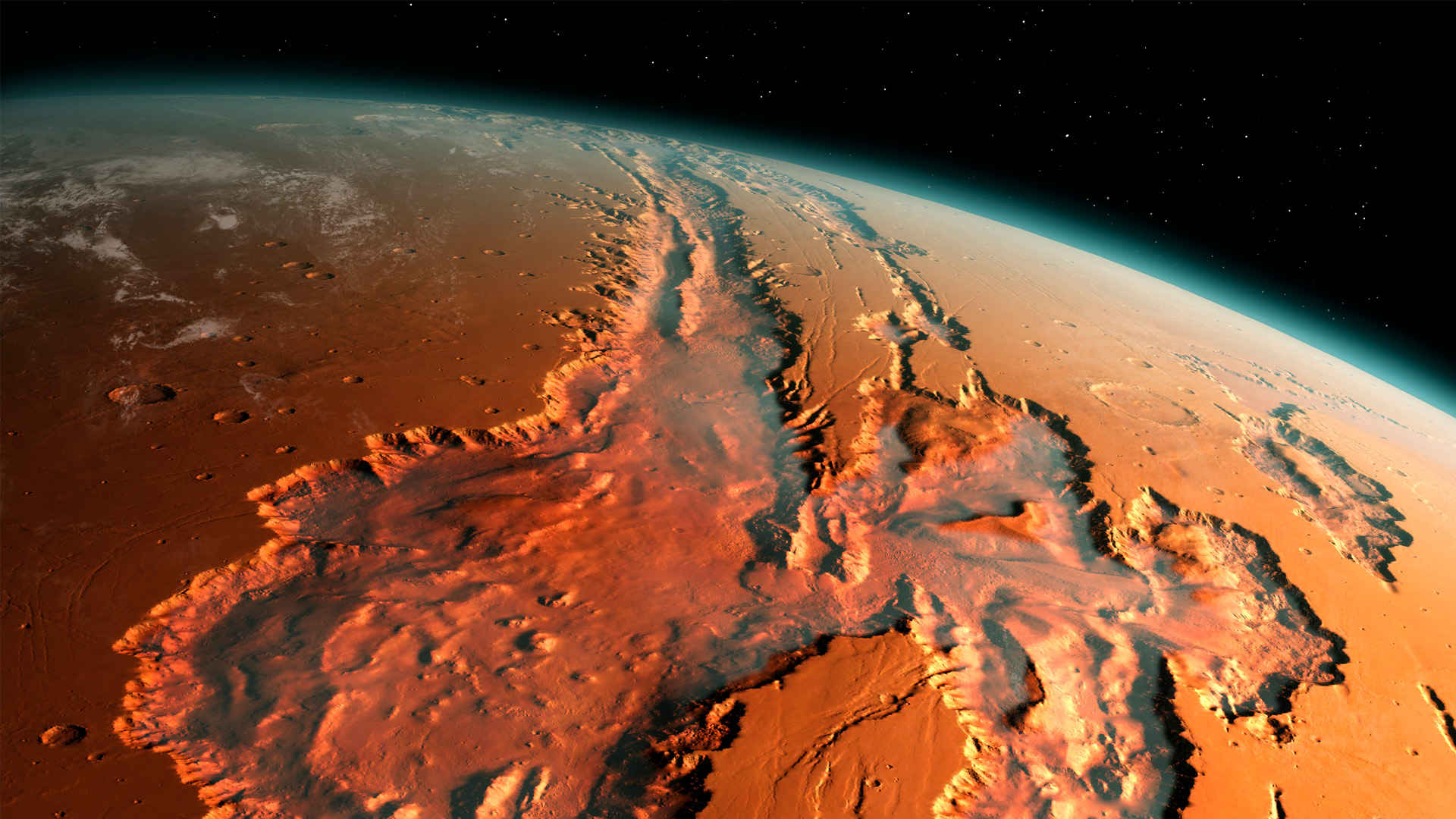
Chemical substances found on Mars, including mysterious methane and potential amino acids, could be considered signs of ancient life on Earth. NASA scientist Dr. Michelle Thaller emphasizes the need for a thorough understanding of Mars to avoid being misled by false indicators. While signs of ancient life on Earth may not necessarily mean the same on Mars, Dr. Thaller remains confident that alien life will be discovered within our Solar System. However, she stresses the importance of achieving 100% certainty before confirming signs of life.
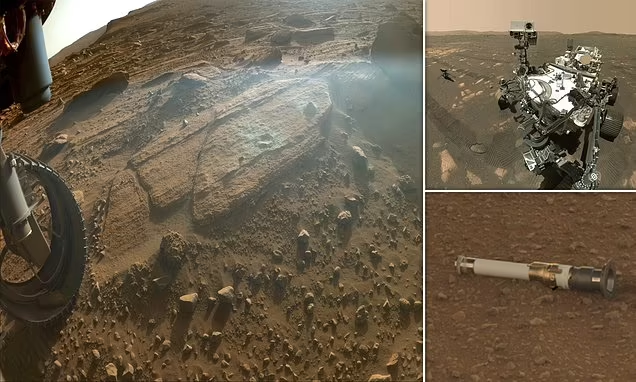
NASA's Perseverance Rover has collected a sample of Martian rock to be returned to Earth which could contain signs of life. This particular tube won't reach a terrestrial laboratory where it can be studied for another 10 years or so. The rover has completed its first of four search campaigns, which focused on the crater floor and the base of the Neretva Vallis delta. These samples will remain stored in its belly until a robotic lander arrives on Mars in the future.