AI startups are leasing luxury apartments and offering rent stipends in San Francisco to attract talent amid a booming AI industry, which is driving up housing costs and office space demand in the city.
The U.S. office market is experiencing a major shift with more space being demolished or converted into residential units than new construction, driven by remote work trends and high vacancy rates, which may eventually stabilize the sector and boost neighborhood vibrancy.
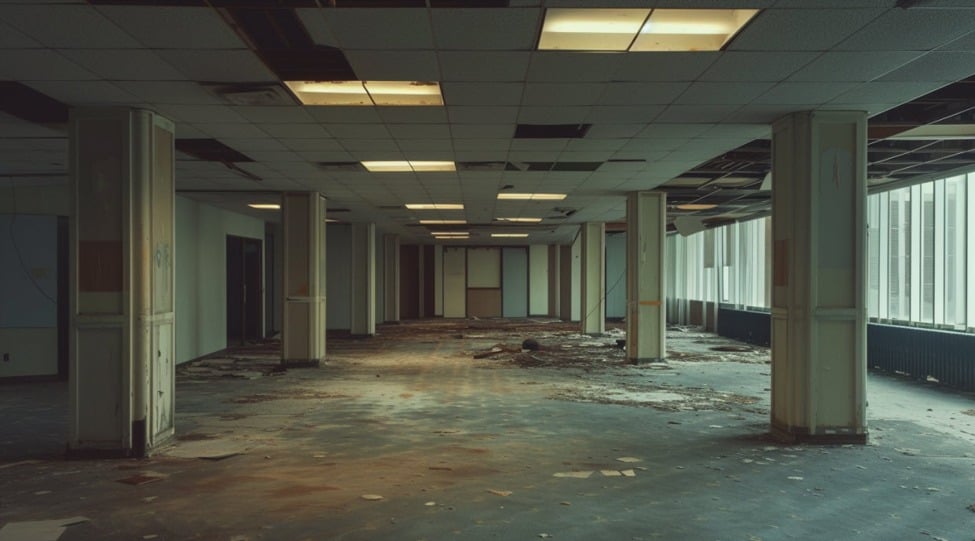
US commercial real estate and the banks holding the loans are facing dark days ahead as uncertainties loom over the size of potential losses and how they will be managed. The office real estate sector is severely impacted by work-from-home changes, leading to high vacancies and tenants demanding lower rents. With an estimated $1.2 trillion of commercial mortgages set to mature this year and next, banks are at risk, especially small/regional ones, as they lack the capacity to absorb significant losses. The situation has sparked concerns in the bond market, reflecting the precariousness of the current scenario.
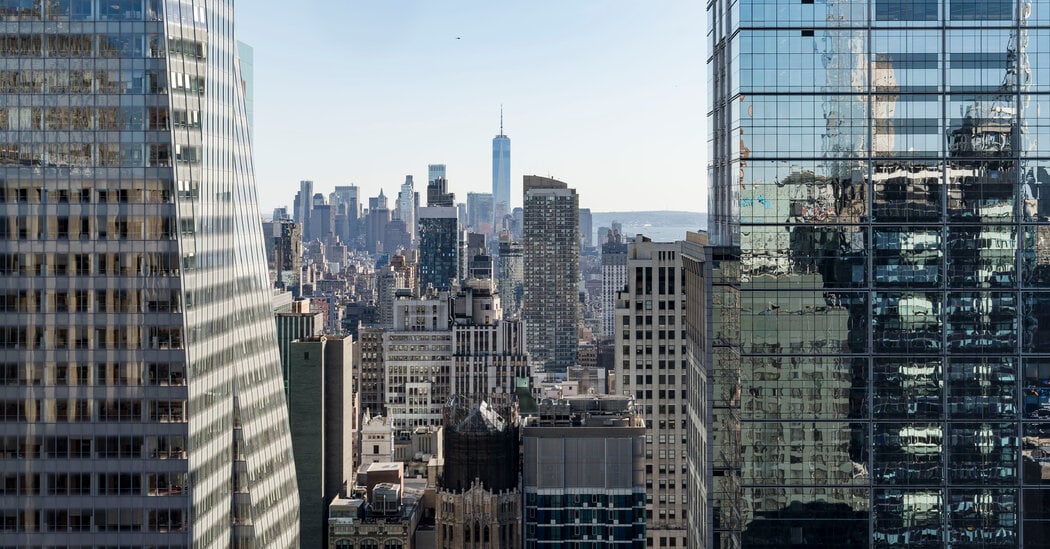
Surveys by CBRE and JLL show that Manhattan's office market, particularly in the top tier, is thriving with high demand and low availability, especially on market-driving Park Avenue. Major tenants like PJT Partners and DoorDash have expanded their office spaces, indicating growth and expansion among larger occupants in 2023. The reports highlight the resilience and strength of the Manhattan office market, with significant lease signings and increased demand for premium office spaces.
Approximately 44% of office properties in the U.S. are underwater on their loans, posing a threat to banks as loan defaults could result in billions of dollars in losses. A 10% default rate on commercial real estate loans could lead to potential losses of $80 billion, putting many regional banks at risk of solvency runs. The rising cost of debt and doubling interest rates since the loans were originated make it difficult for a significant portion of CRE loans and office loans to refinance when debt matures. The Federal Reserve's potential rate cuts in 2024 may alleviate distress, but the exposure of banks to CRE distress remains a serious risk to their survival.
A potential bankruptcy filing by WeWork, the co-working company, would have a devastating impact on New York's already struggling office market. With the pandemic causing companies to scale back their office footprint, landlords have already been dealing with lower rents and increased vacancies. WeWork's bankruptcy would hit landlords that have leased a significant amount of space to the company, particularly in New York, and are already struggling to make debt payments. While some landlords may accept lower rents from WeWork as part of a bankruptcy reorganization, others may have to fight in court to recover any payments. The fallout from a WeWork bankruptcy would be felt most in older office buildings in Midtown and downtown Manhattan, which were heavily leased to the company.
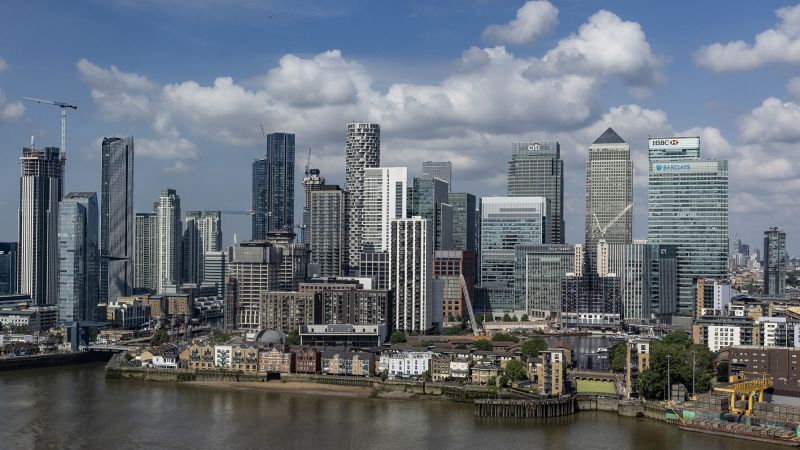
London's office market is experiencing a "rental recession" as the share of empty office space reaches its highest level in three decades, with vacancies in the City of London and the West End at their highest in 30 years. Canary Wharf, a newer financial district, has seen vacant units exceed 20%. The persistence of remote work has led to a 20% decrease in office utilization since the end of 2019. Investment bank Jefferies downgraded the stock of four big-cap property developers, citing falling rents and reduced pricing power for landlords. Meta (formerly Facebook) has paid $181 million to break its lease on a London office, while HSBC and other banks are also downsizing their office spaces. The downturn in office rentals contrasts with high demand and low supply in London's residential rental market.
The San Francisco office market is showing signs of life as companies begin to return to in-person work and demand for office space increases. After a period of uncertainty during the pandemic, the real estate market in the city is experiencing a recovery, with companies seeking to secure office spaces for their employees. This positive trend indicates a shift towards a more traditional work environment and suggests a potential rebound for the San Francisco office market.
The New York office market has received a boost from the sale of a tower valued at $2bn, indicating a potential recovery from the pandemic-induced slump.
The shift towards remote and hybrid work has led to a fundamental change in office demand, with companies cutting back on their physical footprints and becoming more selective about the spaces they take. This has left many older office buildings vulnerable, as they lack the "wow factor" that tenants now demand. Rising interest rates, higher operating costs, and reticent lenders present another financial hurdle for landlords who are contemplating spending tens of millions of dollars on upgrades. Almost $400 billion of office debt is set to come due in the next 5 years, saddling owners simultaneously with refinancing costs that are likely to tally in the tens of billions of dollars.