Tag

Sample Collection

All articles tagged with #sample collection

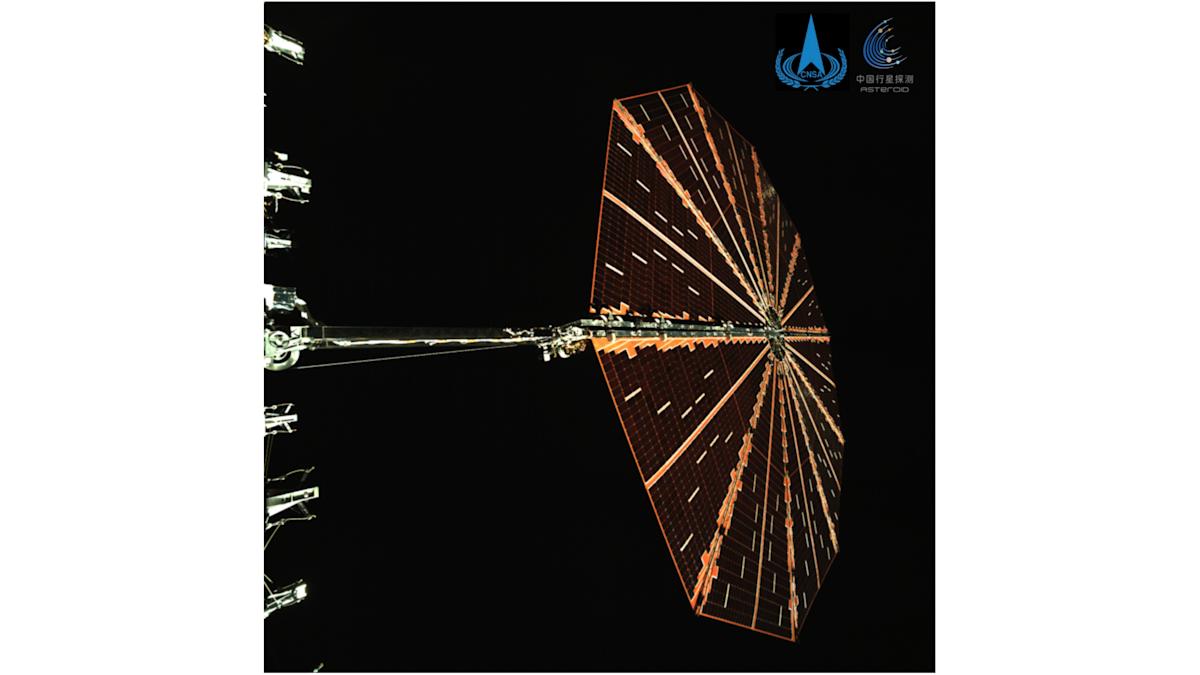
China's Tianwen-2 Mission Sends First Photo of Mysterious 'Quasi-Moon' Asteroid

Originally Published 7 months ago — by Space

Featured image for China's Tianwen-2 Mission Sends First Photo of Mysterious 'Quasi-Moon' Asteroid
Source: Space

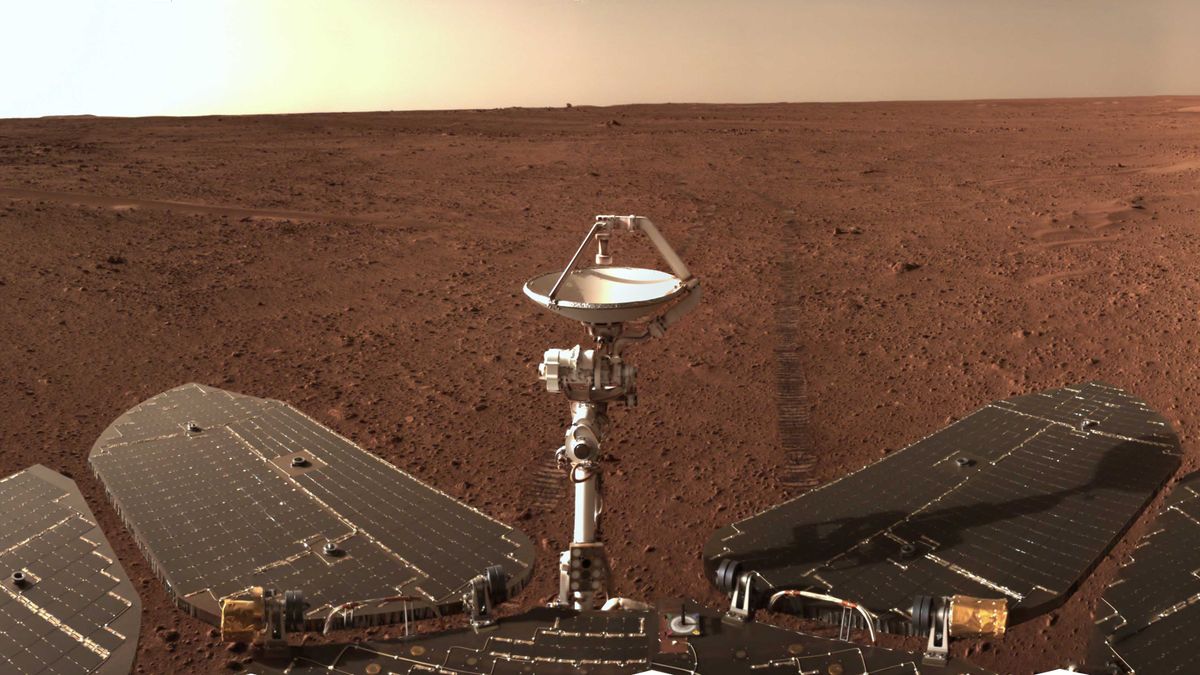
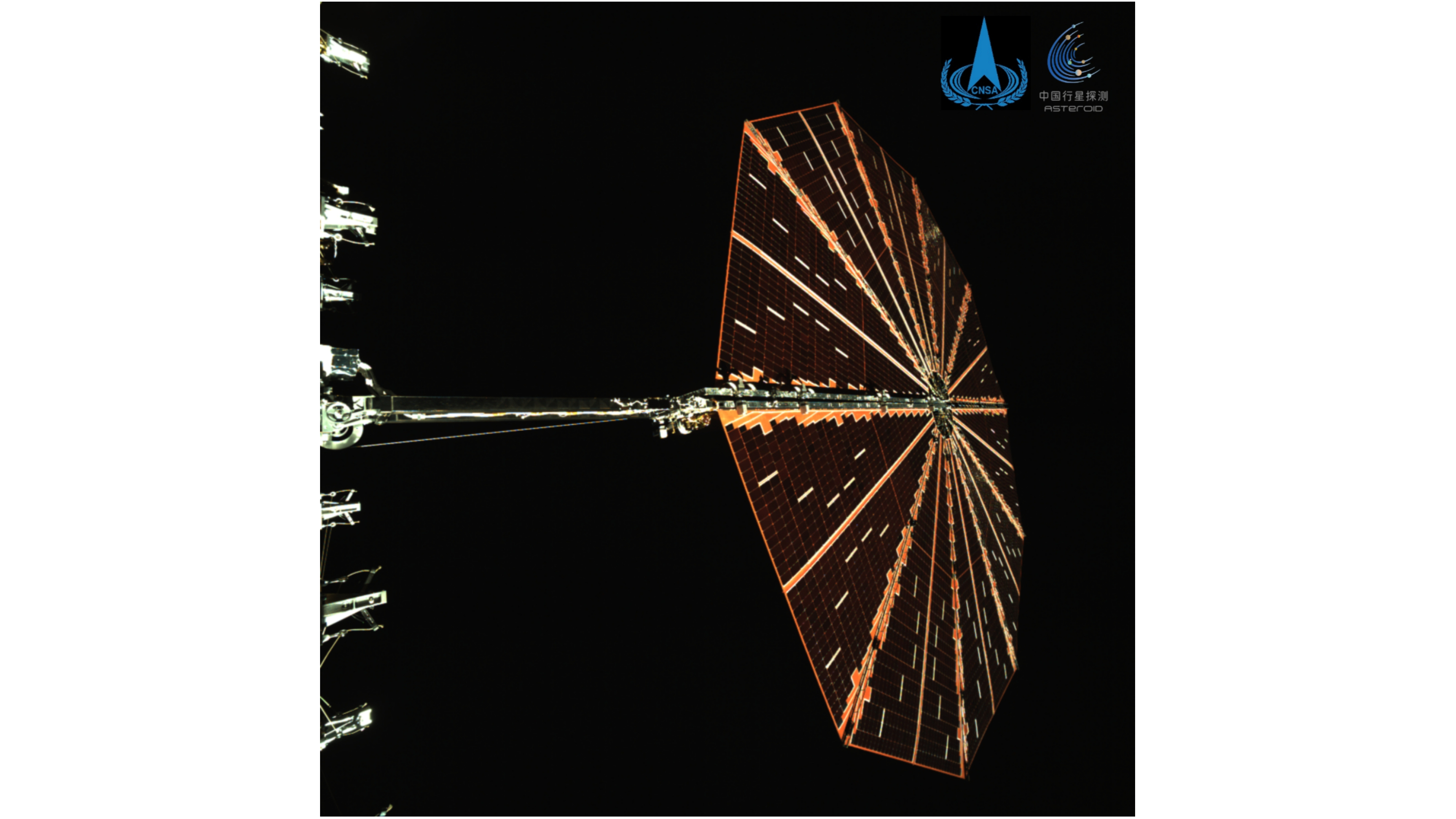
China's Tianwen 2 spacecraft has sent back its first public image as it heads towards the quasi-moon asteroid Kamo'oalewa, with the mission aiming to study, sample, and return material from the asteroid, which could be a lunar fragment ejected by a giant impact, before proceeding to further targets in the solar system.
"NASA's OSIRIS-REx Mission Exceeds Expectations, Returns Double the Expected Asteroid Rubble"

Originally Published 1 year ago — by USA TODAY

Featured image for "NASA's OSIRIS-REx Mission Exceeds Expectations, Returns Double the Expected Asteroid Rubble"
Source: USA TODAY

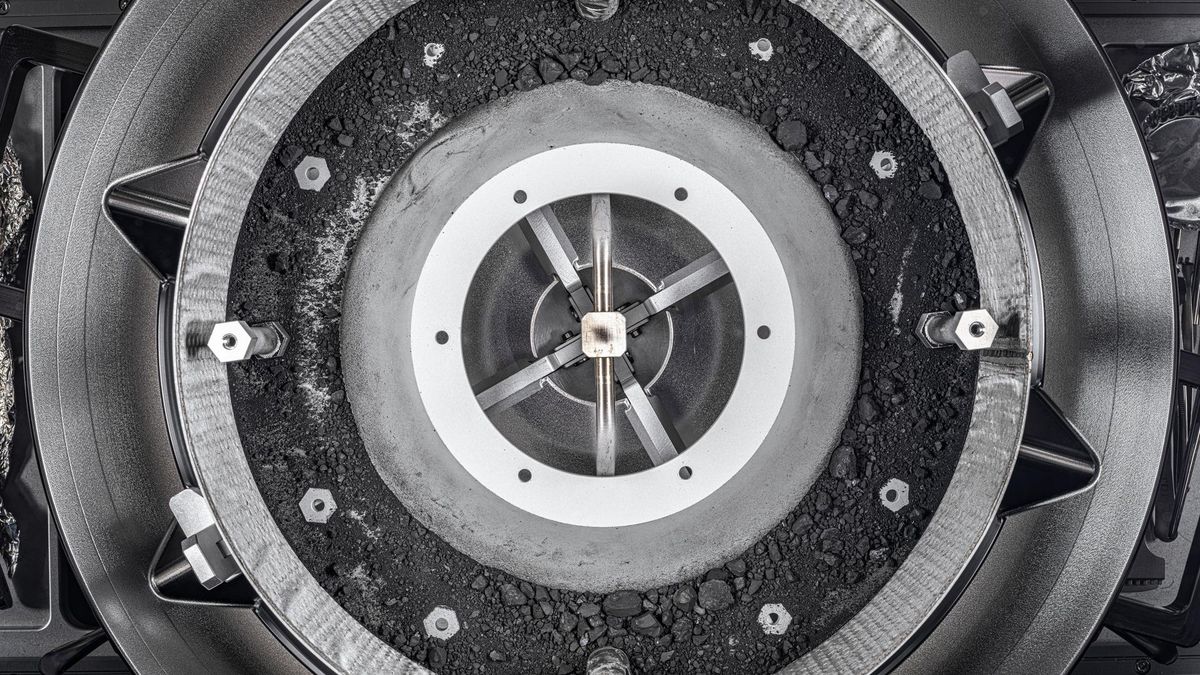
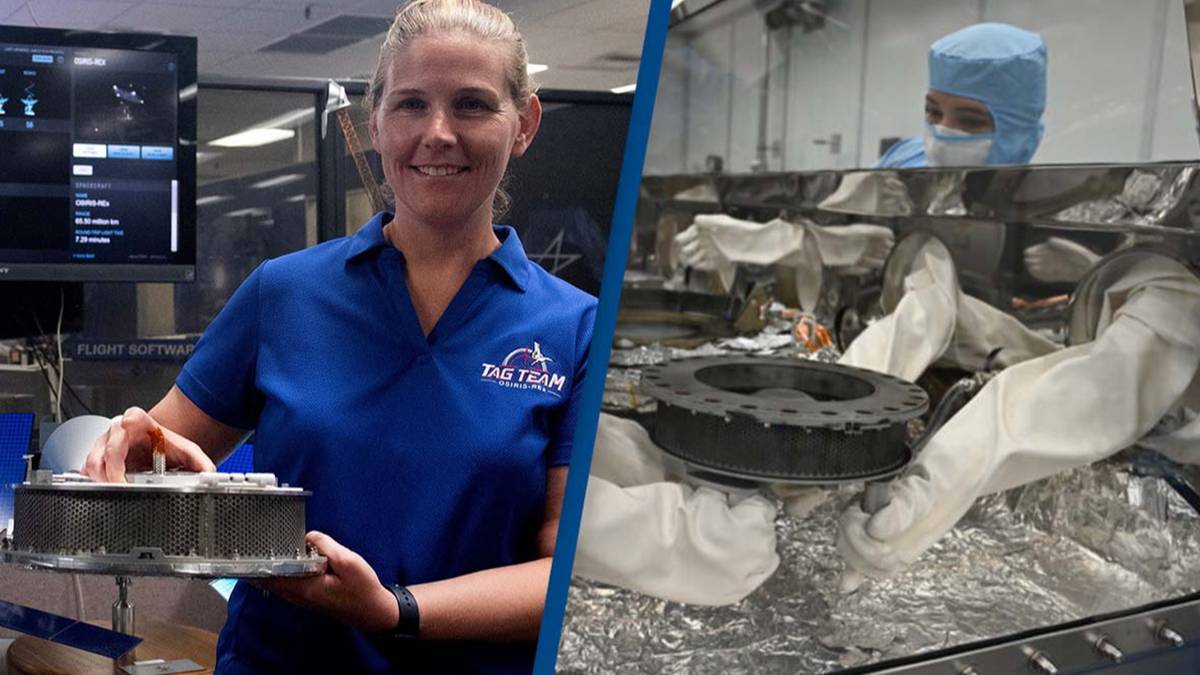
NASA's OSIRIS-REx spacecraft collected double the expected amount of asteroid samples from Bennu, marking the biggest carbon-rich asteroid sample ever delivered to Earth. The mission, costing $800 million, encountered delays due to stuck fasteners, but the team successfully retrieved the remaining sample earlier this year. The samples will be stored at Houston's Johnson Space Center for further research, with a catalog to be released for global scientific community requests.

"NASA's OSIRIS-REx Mission: Unveiling the Bounty of Bennu"

Originally Published 1 year ago — by Mashable

Featured image for "NASA's OSIRIS-REx Mission: Unveiling the Bounty of Bennu"
Source: Mashable

NASA's OSIRIS-Rex spacecraft successfully collected 4.29 ounces of dust and rock samples from asteroid Bennu, exceeding its goal and marking the largest asteroid sample ever collected in space. The mission, which launched in 2016, dropped the sample onto a Utah desert in 2023. JAXA, the Japanese space agency, has also retrieved asteroid samples and will exchange part of its Ryugu sample with NASA for comparative studies. The Bennu samples, rich in carbon, could provide insights into the origins of life chemistry and potential asteroid deflection strategies.

"NASA's OSIRIS-REx Mission Exceeds Expectations with Abundant Bennu Samples"

Originally Published 1 year ago — by Space.com

Featured image for "NASA's OSIRIS-REx Mission Exceeds Expectations with Abundant Bennu Samples"
Source: Space.com

NASA's OSIRIS-REx probe has collected more than twice the expected amount of asteroid Bennu samples, with a total of 4.29 ounces (121.6 grams) of material returned to Earth. This exceeds the mission's goal and marks the largest asteroid sample ever collected. The examination of these samples could provide valuable insights into the early solar system's development, and about 70 percent of the sample will be preserved for study by scientists worldwide and future generations.

"OSIRIS-REx Unveils Asteroid Treasure Trove"

Originally Published 1 year ago — by Newser

Featured image for "OSIRIS-REx Unveils Asteroid Treasure Trove"
Source: Newser

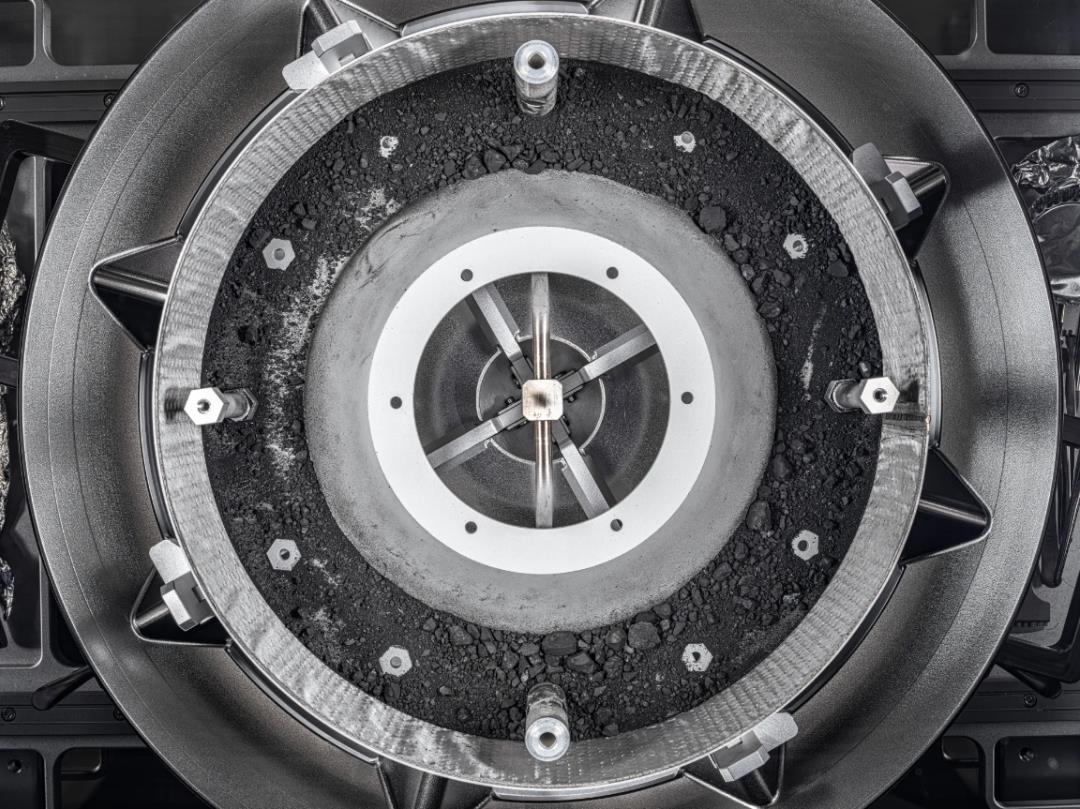
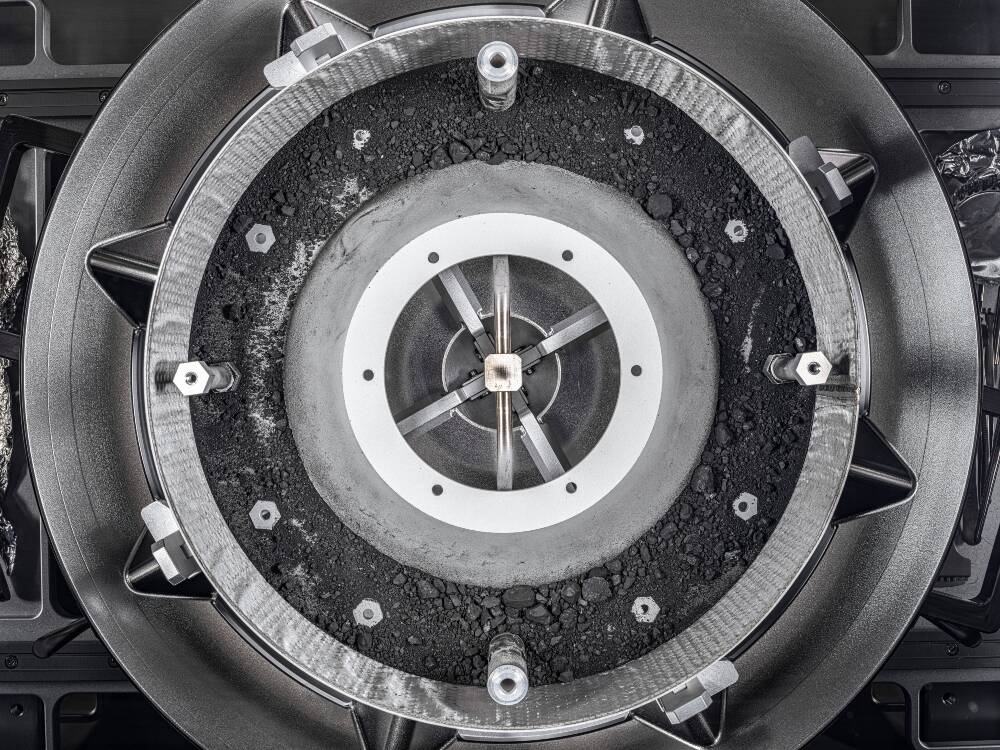
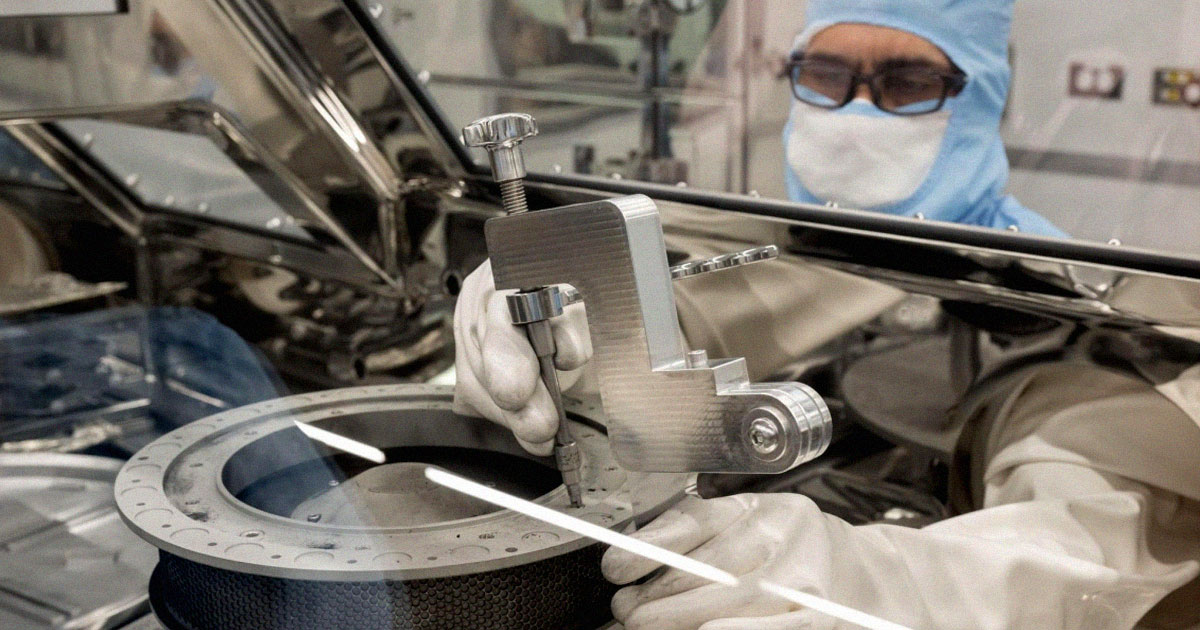
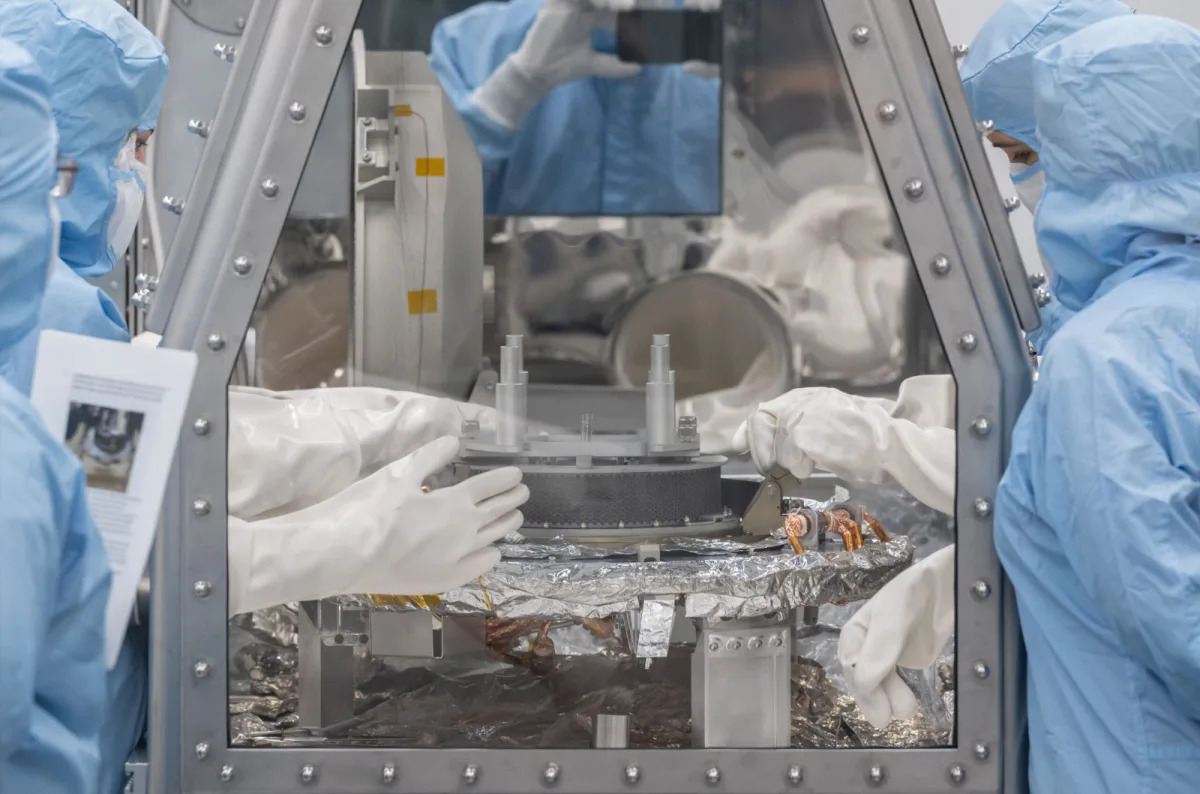
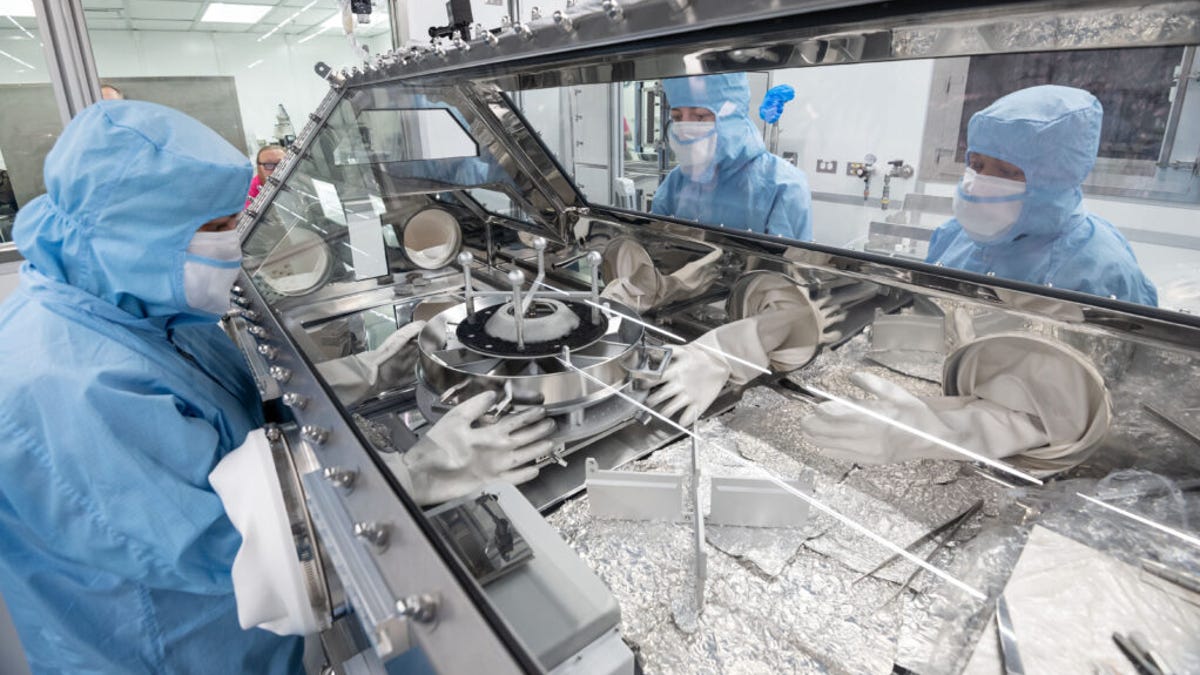
NASA's OSIRIS-REx mission successfully removed the last two screws from the end of its arm, revealing a "treasure trove of asteroid material" from the near-Earth asteroid Bennu, including rocks nearly half an inch in diameter. The newly accessed sample, which has yet to be weighed, adds to the 2.48 ounces of material collected prior to the lid being removed, surpassing the mission's minimum goal of 2.12 ounces. Custom instruments made from surgical stainless steel were developed to remove the stubborn screws, and the curation team is now working to transfer the sample into trays for further analysis and storage.

"NASA Successfully Opens OSIRIS-REx Asteroid Sample Canister After Months-Long Effort"

Originally Published 2 years ago — by The Register

Featured image for "NASA Successfully Opens OSIRIS-REx Asteroid Sample Canister After Months-Long Effort"
Source: The Register

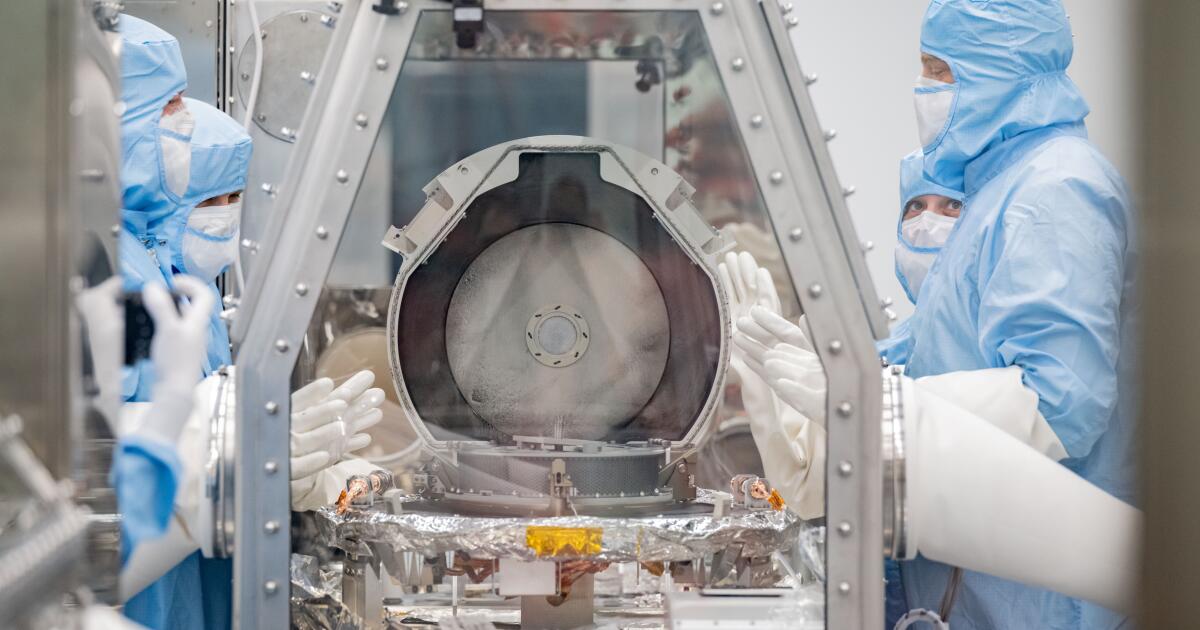
NASA successfully opened the canister containing a dirt sample collected from the asteroid Bennu by the OSIRIS-REx spacecraft after months of struggling with fasteners. The sample, which includes dust and rocks up to about one centimeter in size, will be analyzed for water and carbon content. Despite the completion of the OSIRIS-REx mission, the spacecraft is now headed towards its next target asteroid, 99942 Apophis.

"NASA Successfully Opens $1-Billion Asteroid Canister, Reveals Bennu Sample in High-Resolution Detail"

Originally Published 2 years ago — by Los Angeles Times

Featured image for "NASA Successfully Opens $1-Billion Asteroid Canister, Reveals Bennu Sample in High-Resolution Detail"
Source: Los Angeles Times

After a 1.2-billion mile journey, NASA successfully opened the canister containing samples of a 4.6-billion-year-old asteroid, Bennu, using custom-designed tools. The approximately 9-ounce sample will be weighed, chemically analyzed, and preserved for future study. The spacecraft, OSIRIS-REx, is now heading to its next mission to explore the asteroid Apophis, which will pass closer to Earth than any object of its size ever has in 2029.

"NASA Successfully Unlocks Bennu Asteroid Sample After Fastener Hassle"

Originally Published 2 years ago — by Futurism

Featured image for "NASA Successfully Unlocks Bennu Asteroid Sample After Fastener Hassle"
Source: Futurism

NASA's OSIRIS-REx spacecraft has successfully opened the container holding samples collected from asteroid Bennu after struggling for over three months to remove two stuck fasteners. The team overcame the challenge by designing custom tools, allowing access to the valuable materials, which have already revealed rich water and carbon content. This achievement marks a significant milestone in the mission, enabling scientists to share the samples with the global scientific community and continue their journey of discovery.

"NASA Successfully Retrieves Largest-Ever Asteroid Dust Sample"

Originally Published 2 years ago — by ScienceAlert

Featured image for "NASA Successfully Retrieves Largest-Ever Asteroid Dust Sample"
Source: ScienceAlert

NASA's OSIRIS-REx spacecraft has successfully opened the sample container, allowing scientists to access the rocks and dirt collected from asteroid Bennu. The team had to develop new tools to disassemble the container, overcoming the challenge of stubborn fasteners. This marks a significant achievement in space exploration, as the largest haul of asteroid dirt ever collected and delivered to Earth by a human mission can now be studied and shared with the global scientific community. OSIRIS-REx, now renamed OSIRIS-APEX, is en route to rendezvous with another asteroid, Apophis, in 2029.

"China's Mars Mission: Collecting Samples with a Foldable Helicopter"

Originally Published 2 years ago — by Space.com

Featured image for "China's Mars Mission: Collecting Samples with a Foldable Helicopter"
Source: Space.com

China is considering using a foldable quadcopter named MarsBird-VII to assist in its mission to collect samples from Mars. The design, outlined in a journal article, describes a foldable copter that can autonomously deploy and collect up to 0.22 pounds of samples. The quadcopter would use a navigation method combining inertial and binocular vision to fly autonomously on Mars. While flight tests in a simulated Martian environment are yet to be conducted, the potential development of such plans highlights the growing importance of flight in Mars exploration.

"NASA Unveils Potentially Life-Bearing Sample from Asteroid Bennu"

Originally Published 2 years ago — by Livescience.com

Featured image for "NASA Unveils Potentially Life-Bearing Sample from Asteroid Bennu"
Source: Livescience.com

The Smithsonian's National Museum of Natural History has unveiled the first public display of a sample collected from the potentially hazardous asteroid Bennu by NASA's OSIRIS-REx spacecraft. The sample, weighing between 3.5 to 8.8 ounces (100 to 250 grams), is believed to contain some of the earliest precursors to life and is the first chunk of a space rock ever grabbed by a NASA mission. Bennu is considered a potentially dangerous object with a 1-in-2,700 chance of striking Earth in 2182. The sample will be analyzed for signs of extraterrestrial life's precursors.

"NASA Foiled: Recovered Asteroid Remains Sealed, Study Delayed"

Originally Published 2 years ago — by UNILAD

Featured image for "NASA Foiled: Recovered Asteroid Remains Sealed, Study Delayed"
Source: UNILAD

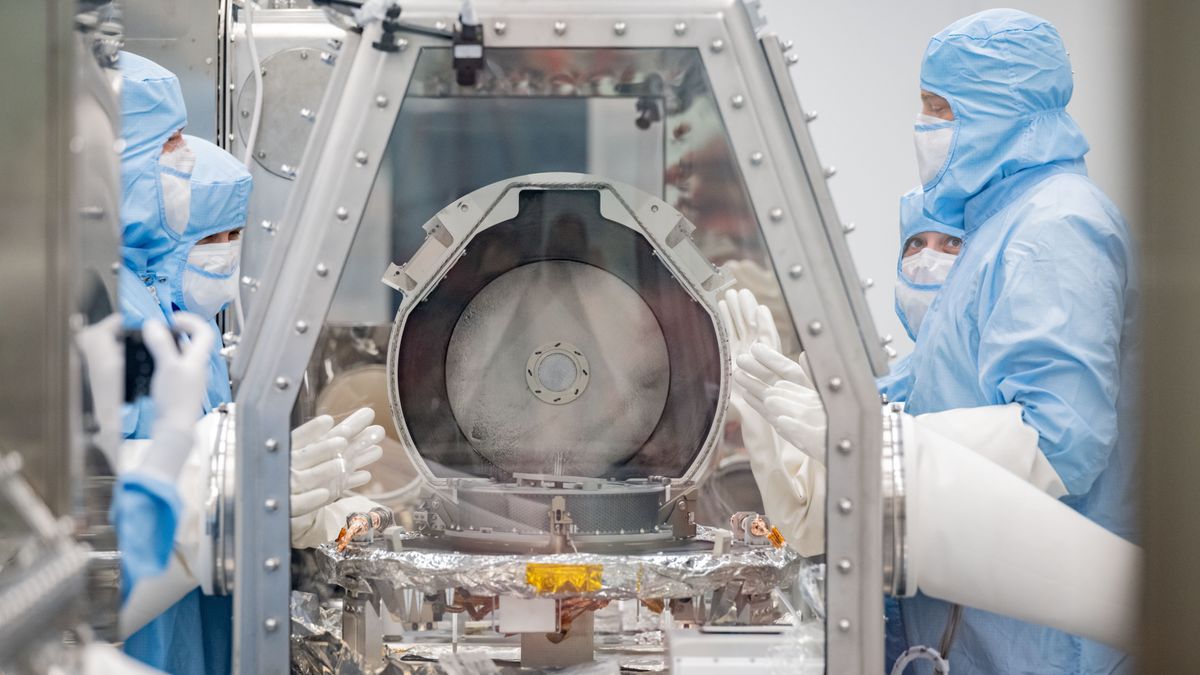
NASA is facing a challenge in studying the sample collected from the asteroid Bennu as they are unable to open the Touch-and-Go Sample Acquisition Mechanism (TAGSAM) due to two fasteners that cannot be removed with the current tools. The team has accessed 70.3 grams of rocks and dust from outside and inside the sample head, surpassing their initial goal, but there is still material inside that remains inaccessible. The tools used must fit inside a glovebox to maintain sample purity and prevent contamination.

"Surprising Bounty: NASA's OSIRIS-REx Mission Gathers Abundant Bennu Asteroid Samples"

Originally Published 2 years ago — by Engadget

Featured image for "Surprising Bounty: NASA's OSIRIS-REx Mission Gathers Abundant Bennu Asteroid Samples"
Source: Engadget

NASA's OSIRIS-REx mission has collected 70.3 grams of rocks and dust from asteroid Bennu, surpassing its goal of 60 grams. However, scientists are struggling to open the primary sample container due to difficulties with the Touch-and-Go Sample Acquisition Mechanism (TAGSAM). The samples are being processed in a specialized glovebox to prevent contamination, and NASA is developing a procedure to open the container in the coming weeks. Initial analysis of the material has shown evidence of high carbon content and water, with further studies expected to shed light on the origins of life on Earth.

NASA's Successful Mission: 70 Grams of Asteroid Bennu Material Collected

Originally Published 2 years ago — by Digital Trends

Featured image for NASA's Successful Mission: 70 Grams of Asteroid Bennu Material Collected
Source: Digital Trends

NASA's OSIRIS-REx mission has successfully collected 70.3 grams of material from asteroid Bennu, surpassing the initial goal of 60 grams. The sample was brought back to Earth and is now being shared with different labs for research purposes. Despite challenges in opening the sample canister, NASA is working on a new procedure to collect even more of the sample. This amount of material provides ample material for scientists to study for years to come.