Shell is considering re-entering Venezuela's gas sector, particularly the Dragon gas field, which could generate billions in revenue, following the political change in the US that may ease sanctions and accelerate development. The project holds vast reserves, but previous delays were due to licensing issues and US restrictions. US companies like Chevron are expected to lead investments, with European firms potentially joining through joint ventures. The move could significantly impact global oil markets, especially OPEC.
Shell's mergers chief has left the company after the CEO blocked a proposed bid for BP, highlighting internal disagreements over strategic acquisitions.
Some turtles, like side-neck turtles and box turtles, can tuck their heads into their shells as a defense mechanism, but sea turtles cannot due to their lighter shells. The turtle shell evolved over nearly 300 million years primarily for protection and support, with different species developing various ways to utilize or not utilize this feature. Fossil evidence shows the shell's evolution from wider ribs and other skeletal modifications, not solely for defense.
Shell US President Colette Hirstius criticized the Trump administration's decision to halt permitted offshore wind projects, calling it damaging to investment and warning of potential future political swings against the oil and gas sector, amid broader industry impacts and funding cancellations.
Shell criticizes the Trump administration's policies on wind energy projects, arguing that these attacks are detrimental to investment in renewable energy development.
Venture Global won an arbitration case against Shell and other energy companies, defending its practice of selling LNG on the spot market before its Louisiana facility was fully operational, which could influence future LNG contract disputes. Despite the win, Shell expressed disappointment, emphasizing the importance of trust in long-term LNG contracts.
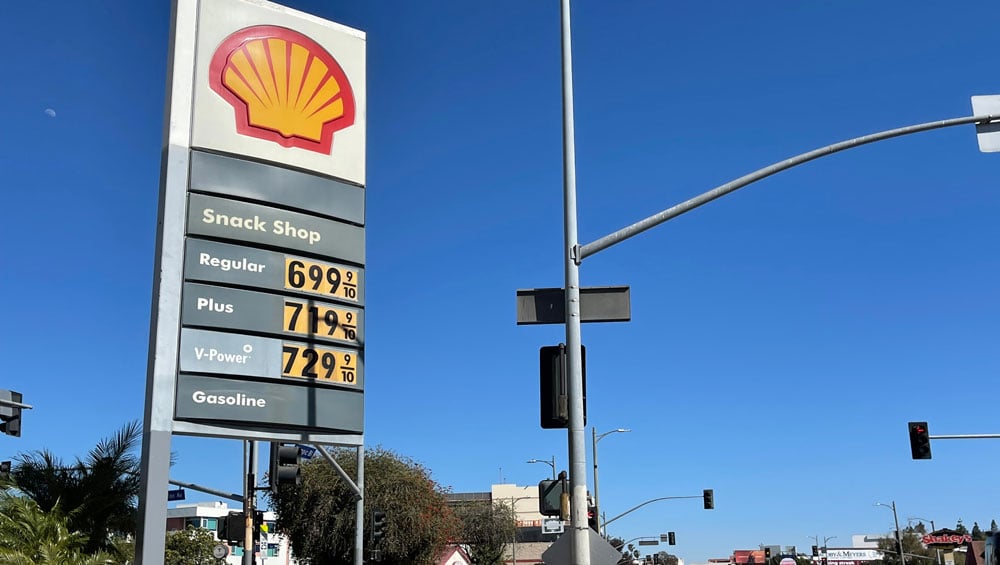
Major oil companies like Shell, Exxon, and Chevron saw their stocks decline amid concerns over lower trading profits at Shell and OPEC's decision to increase oil output, which initially pushed crude prices down but later recovered due to tight physical markets.
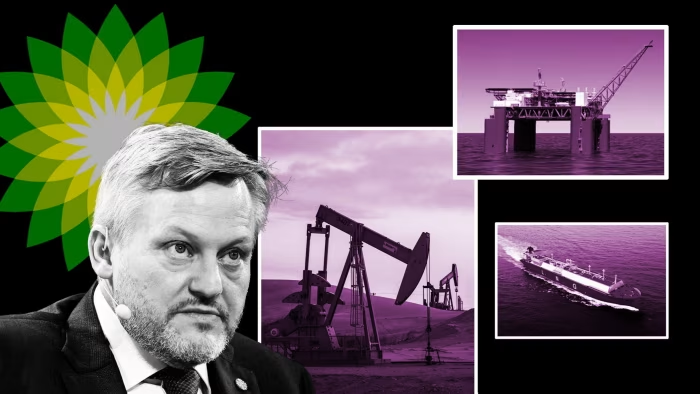
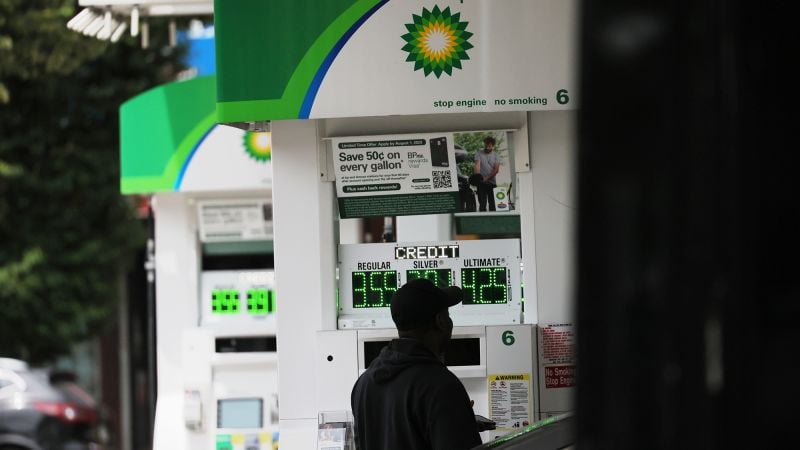
BP is under pressure due to declining share prices and potential takeover interest, with Shell stepping back from a merger attempt. The company is focusing on core assets like deepwater oil, US shale, and LNG, while considering asset sales to improve its financial position amid volatile oil prices and strategic challenges.
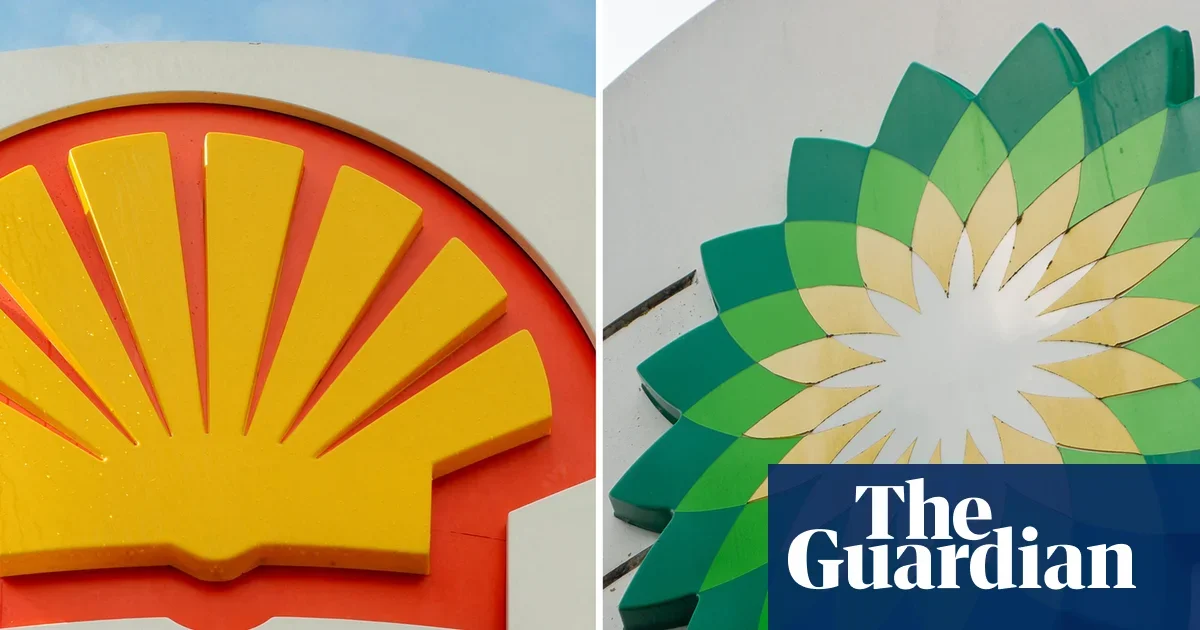
Shell has denied actively considering or planning to make an offer for BP, despite media speculation and recent stock movements. The company clarified it has not engaged in talks with BP and is bound by UK market rules not to make an offer for the next six months, though it remains open to future possibilities if circumstances change or a third party shows interest. The speculation about a potential Shell-BP merger has persisted for over a decade, fueled by BP's recent weak performance and market rumors.
Shell has officially denied any plans or negotiations to acquire BP, citing UK rules that prohibit such bids for the next six months, amidst ongoing takeover speculation and market analysis.
BP's stock surged on reports that Shell is in early talks to acquire BP in a deal potentially the largest since the Exxon Mobil merger, though Shell denied ongoing negotiations. The news caused volatility in oil stocks, with BP and Shell experiencing significant price movements amid a broader rebound in oil prices and ongoing industry consolidation.
Shell denied reports of a potential takeover of BP, stating no talks are ongoing, amidst market speculation and geopolitical tensions affecting the oil sector. BP's stock rose initially on the rumors but later stabilized, as both companies navigate challenges in their energy strategies.
BP's stock rose after reports that Shell was in early talks to acquire it, though the talks are slow and unconfirmed. Shell has focused on natural gas and has seen significant stock growth, while BP has struggled and faced activist pressure. A merger could create a dominant Gulf of Mexico producer, but regulatory and strategic concerns remain. The last major oil merger was ExxonMobil in 1999.
Shell is in early talks to acquire BP in a potential £60bn deal that could create one of the world's largest oil and gas companies, amid ongoing industry consolidation and strategic shifts.
BP's stock surged 7% and Shell's fell 3% following a Wall Street Journal report that the two companies are in early-stage merger discussions, potentially involving a stock swap and possibly some cash, which could create the largest oil and gas producer by volume. However, Shell denied active talks, and BP has not commented, amid ongoing strategic shifts and investor concerns about profitability.