Tag

Sensory Processing

All articles tagged with #sensory processing

New Diagnostic Methods Promise Early Detection of Parkinson’s Disease

Originally Published 6 months ago — by The Brighter Side of News

Featured image for New Diagnostic Methods Promise Early Detection of Parkinson’s Disease
Source: The Brighter Side of News

A new study suggests that using high-resolution fMRI to analyze brain responses to smell and sight could enable earlier detection of Parkinson's disease, potentially years before motor symptoms appear, by identifying specific patterns of reduced brain activity in these sensory areas.

"Study Uncovers Intricate Touch Sensitivity in Autism"

Originally Published 1 year ago — by PsyPost

Featured image for "Study Uncovers Intricate Touch Sensitivity in Autism"
Source: PsyPost

A new study in Autism Research reveals that individuals with Autism Spectrum Disorder (ASD) have lower physiological responses to touch but report higher ratings for both pleasant and unpleasant touch sensations compared to typically developing individuals. This highlights a complex relationship between subjective experience and physiological response in people with ASD, which may impact their social interactions and quality of life. The study underscores the need for further research to better understand sensory processing in ASD and its implications for diagnosis and therapy.

Early Brain Patterns Linked to Autism Risk in Infants

Originally Published 1 year ago — by Newsweek

Featured image for Early Brain Patterns Linked to Autism Risk in Infants
Source: Newsweek

Scientists have identified distinct brain connectivity patterns in 6-week-old infants at high risk for autism, offering insights into early neurological development and supporting the potential for early interventions. The study found that infants with a higher likelihood of developing autism showed stronger connections between the Salience Network and sensory processing regions, which predicted their behavior at 12 months. This research supports the theory that sensory processing differences may precede social and communication symptoms in autism.

"The Hidden Benefits of Blinking: How It Boosts Vision"

Originally Published 1 year ago — by Neuroscience News

Featured image for "The Hidden Benefits of Blinking: How It Boosts Vision"
Source: Neuroscience News

A study from the University of Rochester reveals that blinking plays a critical role in visual perception by reshaping how visual information is processed, contrary to the common belief that it only helps keep the eyes moist. The research indicates that blinks are an active part of how we see, enhancing our ability to perceive the overall 'big picture' by modulating visual input to the retina and creating different luminance signals that aid in processing visual scenes. This challenges the traditional view of visual perception as a mostly passive process and suggests that vision, like other senses, involves a combination of sensory input and motor activity.

"Optogenetics Study Unveils Touch's Influence on Time Perception"

Originally Published 1 year ago — by PsyPost

Featured image for "Optogenetics Study Unveils Touch's Influence on Time Perception"
Source: PsyPost

A groundbreaking study published in Nature Communications reveals a link between the sense of touch and time perception, demonstrating the crucial role of the somatosensory cortex in how we perceive the duration of tactile experiences. Utilizing optogenetics, researchers found that increasing neuronal activity in this brain region led to altered perceptions of both intensity and duration of tactile stimuli in rats. The study challenges the traditional view of time perception and suggests an integrated approach to understanding sensory experiences, while also providing a theoretical framework for linking neural processes to subjective experiences.

Study: Screen Time Under 2 Linked to Sensory Differences in Toddlers

Originally Published 2 years ago — by Fox News

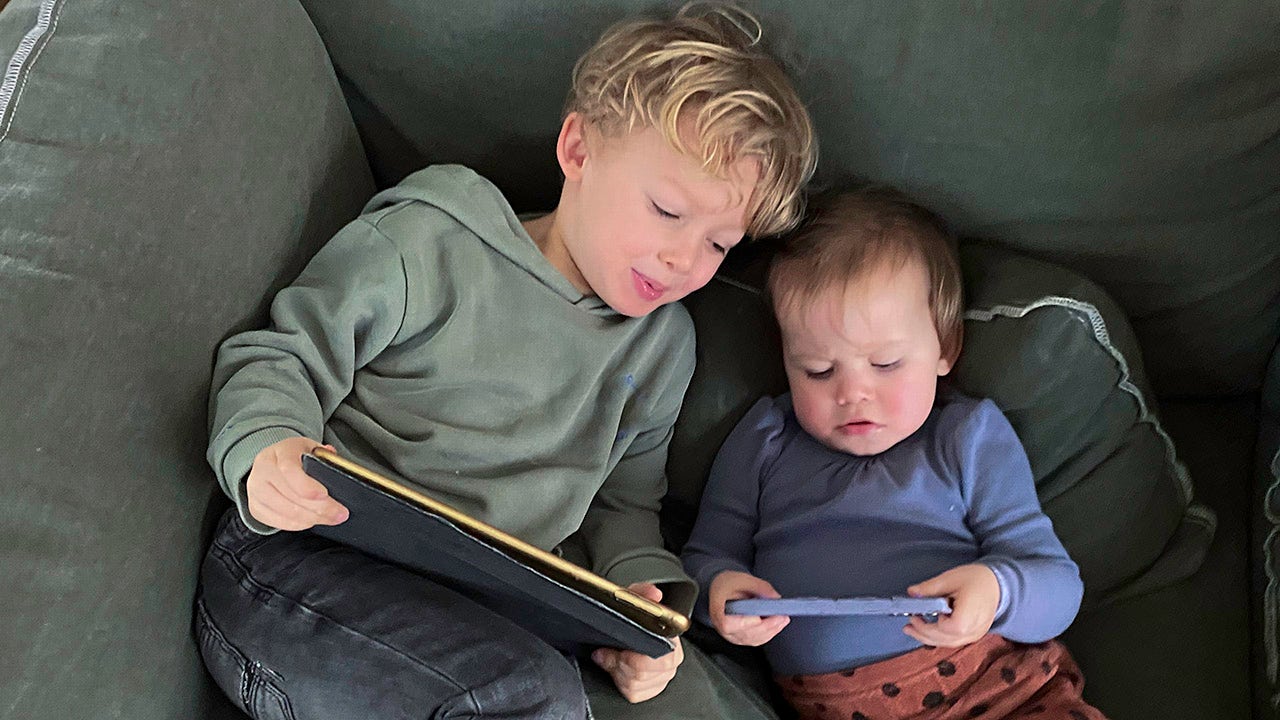
Featured image for Study: Screen Time Under 2 Linked to Sensory Differences in Toddlers
Source: Fox News

A new study from Drexel University suggests that allowing very young children to have screen time could lead to sensory challenges later in childhood, with findings showing an association between greater screen time in the first two years of life and atypical sensory behaviors. The American Academy of Pediatrics recommends limiting screen time for children under 2 to video chats with family members, and for older children, capping it at two hours per day. The study's lead author emphasized the importance of reducing screen time and increasing socially engaging activities for young children, particularly those experiencing symptoms associated with atypical sensory processing.

"Screen Time in Early Childhood Linked to Sensory Processing Differences, Experts Warn"

Originally Published 2 years ago — by WTOP

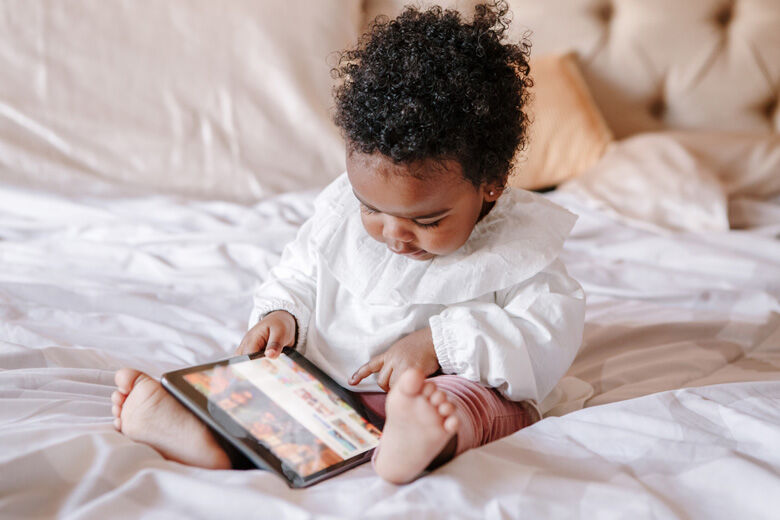
Featured image for "Screen Time in Early Childhood Linked to Sensory Processing Differences, Experts Warn"
Source: WTOP

A new study suggests that screen time for children under 2 years old is associated with sensory processing differences in toddlerhood, with children who watched television or DVDs at 12 months being twice as likely to experience atypical sensory processing by 36 months. While the American Academy of Pediatrics recommends against screen time for children under 2, experts caution against concluding that screen time itself leads to sensory differences, emphasizing the importance of considering family environments and individual circumstances. The study highlights the need for a holistic approach to addressing screen time and promoting healthy developmental activities for young children.

"Screen Time in Early Childhood Linked to Atypical Sensory Processing: Experts Warn of Alarming Study Findings"

Originally Published 2 years ago — by Good Morning America

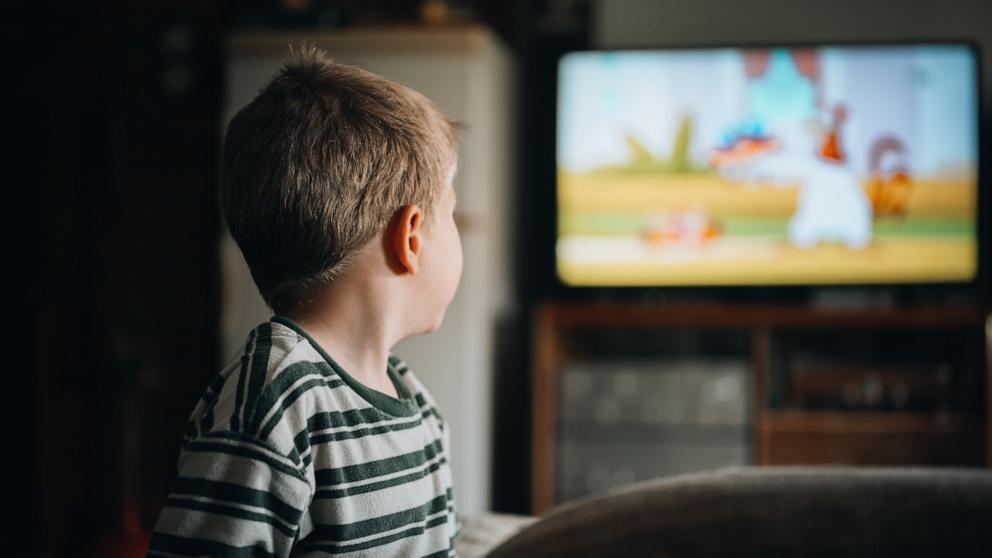
Featured image for "Screen Time in Early Childhood Linked to Atypical Sensory Processing: Experts Warn of Alarming Study Findings"
Source: Good Morning America

A new study suggests that children under 2 who watch television or DVDs may be more likely to experience sensory processing differences in toddlerhood, such as challenges in processing sensory input. The research, which analyzed caregiver surveys, found that each additional hour of screen exposure after 18 months was associated with a 20% increased likelihood of sensory processing differences. While experts caution against concluding that screen time itself leads to these differences, they recommend a holistic approach to identifying barriers to decreasing screen time and promoting healthy developmental activities for young children.

"Screen Time in Early Childhood Linked to Atypical Sensory Processing and Abnormal Behavior in Toddlers: Study"

Originally Published 2 years ago — by ABC News

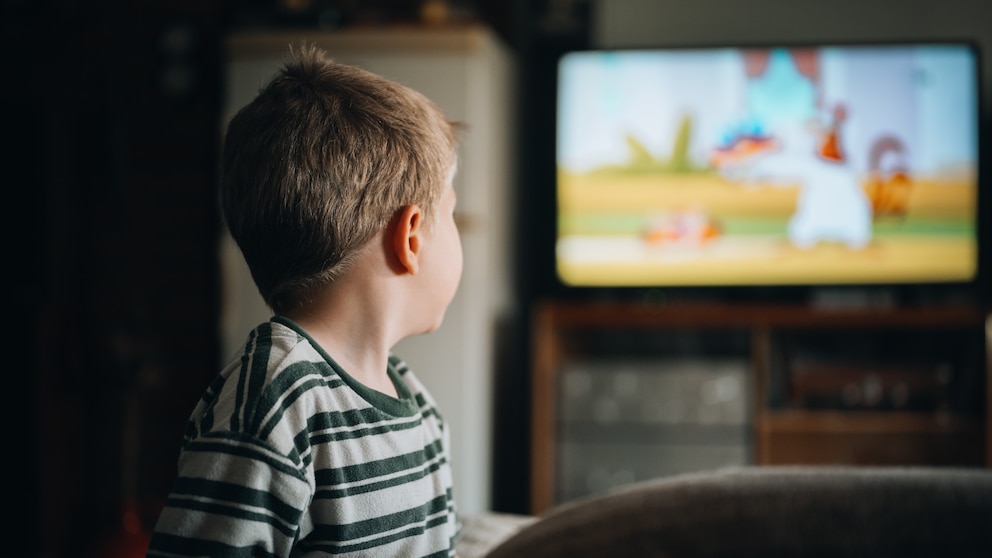
Featured image for "Screen Time in Early Childhood Linked to Atypical Sensory Processing and Abnormal Behavior in Toddlers: Study"
Source: ABC News

A new study suggests that children under 2 who watch television or DVDs may be more likely to experience sensory processing differences in toddlerhood, such as challenges in processing sensory input. The research, which analyzed caregiver surveys, found that each additional hour of screen exposure after 18 months was associated with a 20% increased likelihood of sensory processing differences. While experts caution against concluding that screen time itself leads to these differences, they recommend a holistic approach to identifying barriers to decreasing screen time and promoting healthy developmental activities for young children.

"Screen Time in Early Childhood Linked to Unusual Sensory Problems"

Originally Published 2 years ago — by PsyPost

Featured image for "Screen Time in Early Childhood Linked to Unusual Sensory Problems"
Source: PsyPost

A study published in JAMA Pediatrics suggests a concerning link between early screen exposure and atypical sensory processing in children. The research found that higher screen time at 12, 18, and 24 months was associated with altered sensory processing patterns, potentially impacting children's learning and daily functioning. The study adds to growing evidence that excessive screen time in early childhood may contribute to developmental challenges, particularly in sensory processing, and could have implications for conditions like ADHD and autism. While the study highlights the need for parent education and awareness, its observational nature and reliance on caregiver reports present limitations, calling for further research to understand the mechanisms behind this association.

Survival Shapes Our Visual Perception, Study Finds.

Originally Published 2 years ago — by Neuroscience News

Featured image for Survival Shapes Our Visual Perception, Study Finds.
Source: Neuroscience News

Our visual perception is not necessarily accurate but rather beneficial for our survival. Researchers found that our perception changes to maximize personal benefits by manipulating the context and rewards of visual tasks. This study suggests that cognitive biases are integral to our survival strategy and may impact our understanding of human biases and refine AI perception algorithms. The study also found that our perception is programmed to increase utility rather than to fully represent the world, and biases are deeply rooted in our perceptual systems.