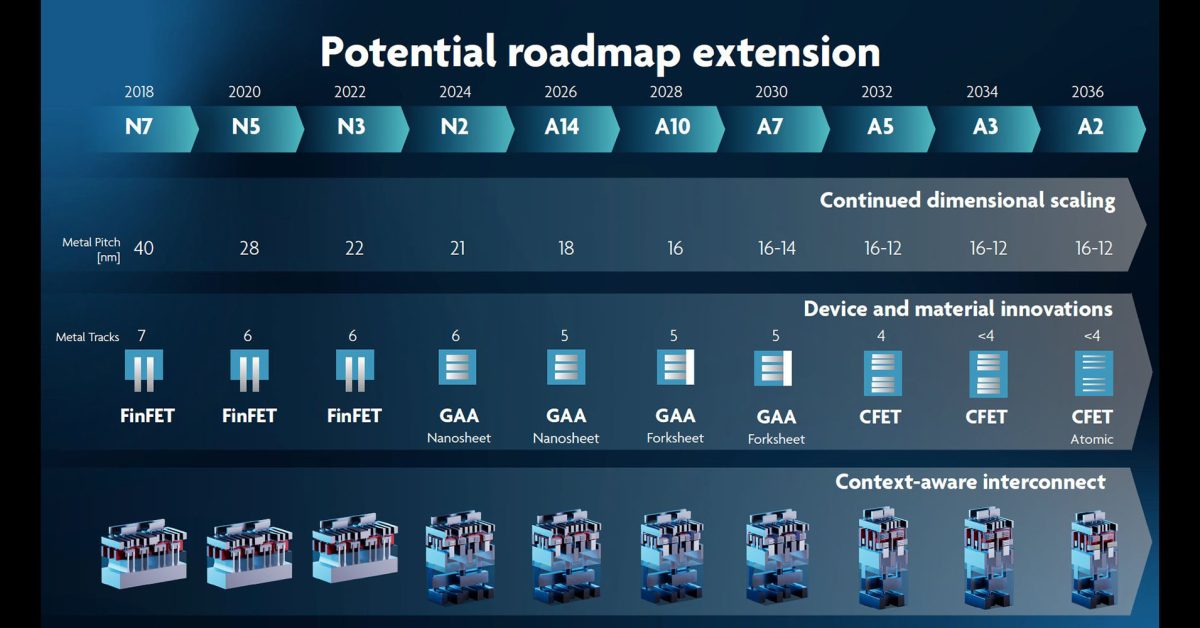
TSMC's upcoming 2nm process is expected to see higher demand than 3nm due to its cost efficiency and advanced transistor structure, with major industry players like Apple, MediaTek, Qualcomm, NVIDIA, and AMD anticipated to adopt it early, leading to significant production ramp-up by 2026-2027.
The US government is tightening restrictions on Samsung and SK Hynix by revoking licenses that allowed them to ship American semiconductor equipment to China, aiming to limit China's access to advanced technology and impacting the global chip supply chain amid ongoing US-China tensions.
Cadence Design Systems agreed to plead guilty and pay over $140 million in penalties for illegally exporting semiconductor design tools to a restricted Chinese military university, NUDT, violating U.S. export laws and involving conspiracy and concealment efforts. The case highlights ongoing concerns over technology transfer to military entities in China and the enforcement of export controls.
The Trump administration has ordered some US companies to halt sales of certain software and technology to China, including semiconductor design software and jet engine chemicals, amid ongoing trade tensions and a review of exports of strategic significance, highlighting the continued strain in US-China relations.
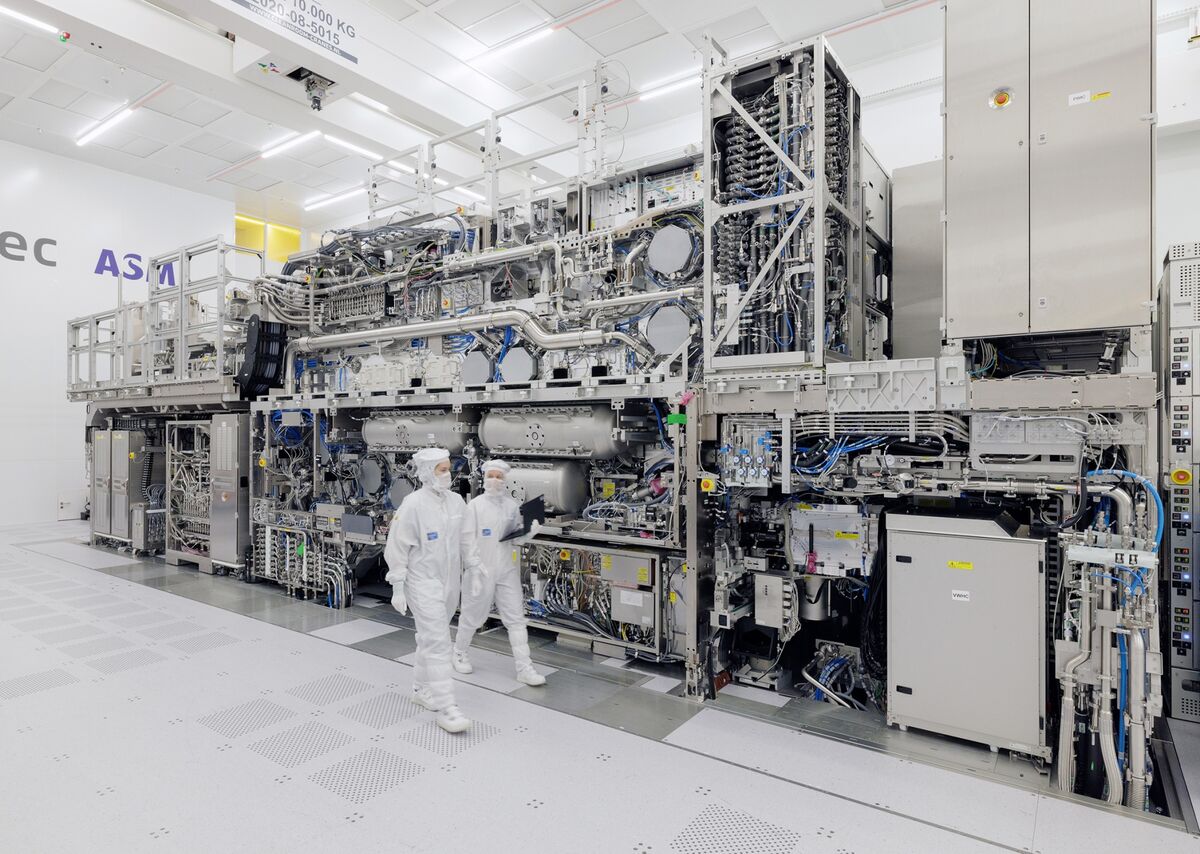
The US played a crucial role in developing semiconductor technology, but a Dutch firm now holds a monopoly on extreme ultraviolet lithography machines, with Asian manufacturers dominating production. The technology is crucial for AI advancements, making access to it a matter of national economic security for the US and China.
Germany-based startup Semron is developing 3D-scaled chips using "memcapacitors" to run AI models on mobile devices, claiming higher energy efficiency and lower fabrication costs compared to conventional processors. The chips use electrical fields for calculations instead of electrical currents, reducing energy usage and heat. Semron aims to place hundreds of layers of memcapacitors on a single chip, greatly increasing compute capacity. Despite competition, the startup has raised 10 million euro in funding and plans to grow its workforce to address the expected shortage in AI compute resources.
China's Ministry of Commerce accuses the U.S. of weaponizing export controls, specifically targeting high-tech exports by Dutch companies to China, and calls for the Dutch government to support compliant trade. This comes after the Dutch government restricted ASML, a key semiconductor manufacturing equipment maker, from exporting certain products to China, following U.S. export controls aimed at limiting Chinese military access to advanced semiconductor technology. China vows to take necessary measures to protect its business interests, while Chinese Commerce Minister Wang Wentao expresses serious concerns about U.S. chip export controls in a call with U.S. Commerce Secretary Gina Raimondo.
TSMC is already discussing the development of 1.4nm chips using a new naming scheme, switching from the N prefix to an A prefix, which will be labeled as A14. This comes just days after TSMC showed Apple test results from a 2nm chip. TSMC aims to progress to a 2nm process for the iPhone 17 Pro in 2025. The company confirmed that its work on 2nm chips is on track for volume production in 2025 and will be the most advanced semiconductor technology in terms of density and energy efficiency.
TSMC has reportedly showcased its new 2nm chips to Apple, its fabrication partner for Apple Silicon chips. The company plans to begin mass production of 2nm chips in 2025, with the first chips likely to be focused on mobile processors. TSMC's 2nm chips are expected to offer advanced density and energy efficiency. However, delays and hiccups are possible as mass production is still two years away.
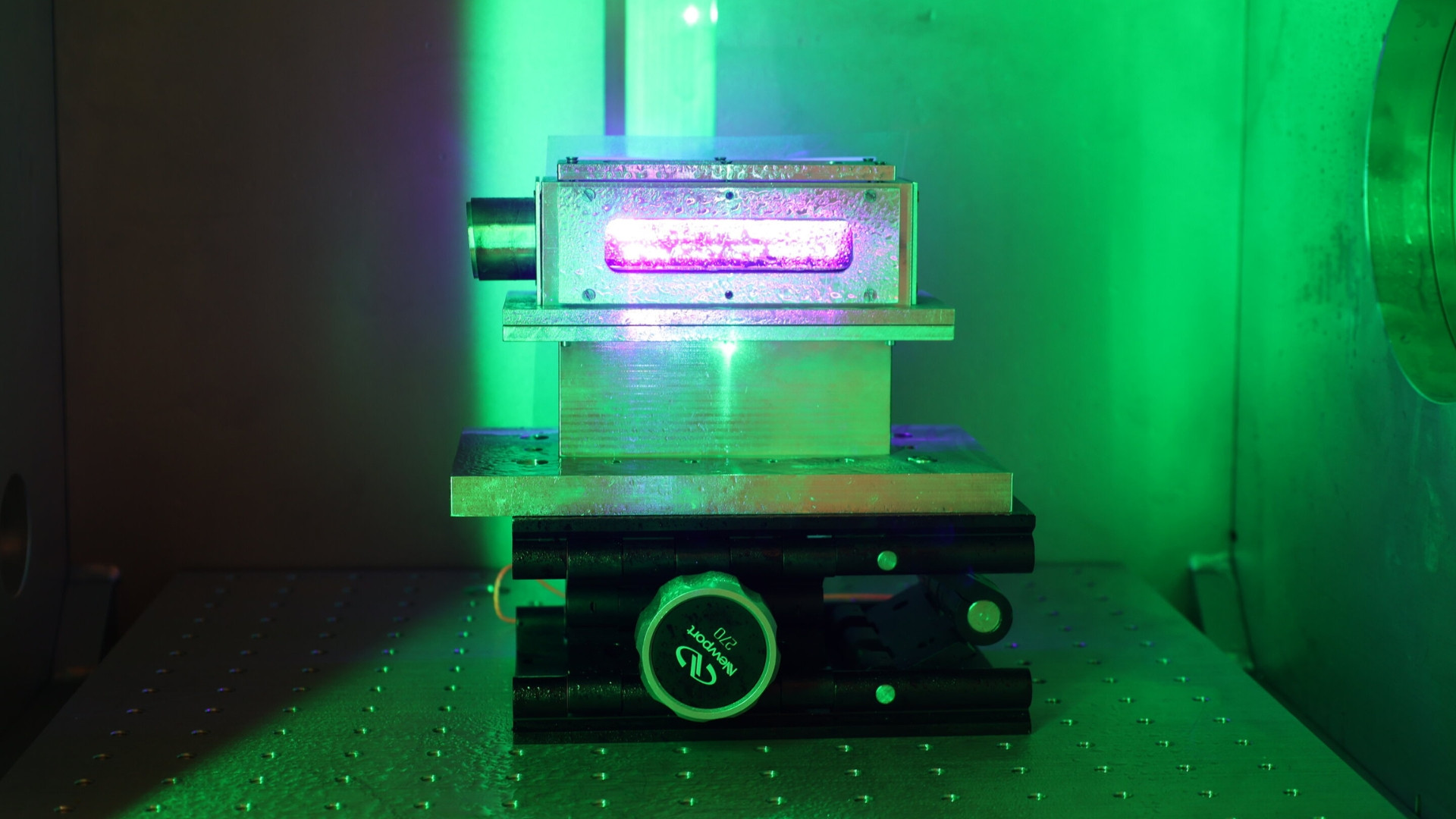
Scientists have developed a compact particle accelerator called an advanced wakefield laser accelerator, which spans less than 20 meters in length and produces an electron beam with an energy of 10 billion electron volts (10 GeV). This technology has potential applications in semiconductor technology, medical imaging and therapy, and research in materials, energy, and medicine.
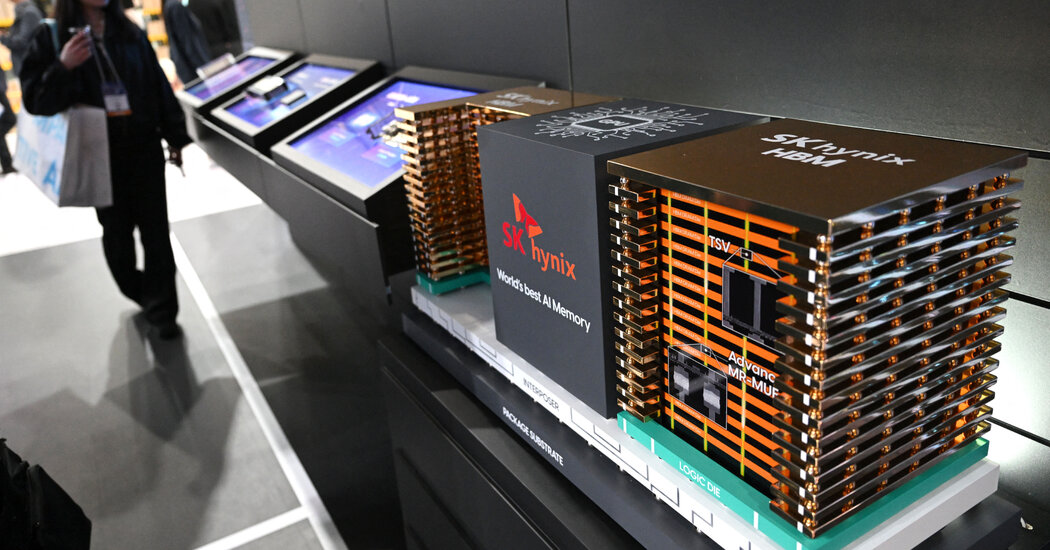
Chip makers Nvidia, Intel, and Qualcomm are pushing back against the Biden administration's efforts to restrict the sale of semiconductors to China, warning that such restrictions would harm their businesses and potentially accelerate China's development of an independent chip industry. The companies have challenged the administration's national security rationale in meetings with officials, urged leaders in Washington to reconsider additional chip controls, and wooed think tanks. Their campaign has contributed to the delay of new restrictions and narrowed the list of changes the administration may make. However, their push has rankled some national security experts and lawmakers who favor confronting Beijing and find it distasteful that the companies are questioning the White House after receiving significant funding through the CHIPS and Science Act.
Arm Holdings CEO Rene Haas stated that Arm's China subsidiary is performing well, particularly in data center and automotive applications, despite geopolitical challenges. However, SoftBank CEO Masayoshi Son revealed that SoftBank has significantly reduced its exposure in China. Arm's dependence on Chinese customers remains, as they still purchase the company's semiconductor technology and designs. The Biden administration's export controls on high-powered semiconductors and fresh outbound investment restrictions on key technology sectors may further impact Arm's relationship with its China subsidiary. SoftBank's reduced exposure in China is attributed to its own portfolio concerns, including losses from its Vision Fund and pressure on TikTok owner ByteDance from the U.S. government.
Qualcomm is acquiring Autotalks, an Israeli fabless chipmaker that builds semiconductor and system-on-a-chip technology to aid in automotive safety, for between $350 million and $400 million. Autotalks' V2X communication technology will be integrated into Qualcomm's Snapdragon Digital Chassis portfolio. Qualcomm's automotive business has customers including VW, General Motors, Mercedes-Benz, Cadillac, Honda, and Stellantis. The acquisition will help Qualcomm beef up its capabilities and product range in the lucrative area of automotive safety technology.
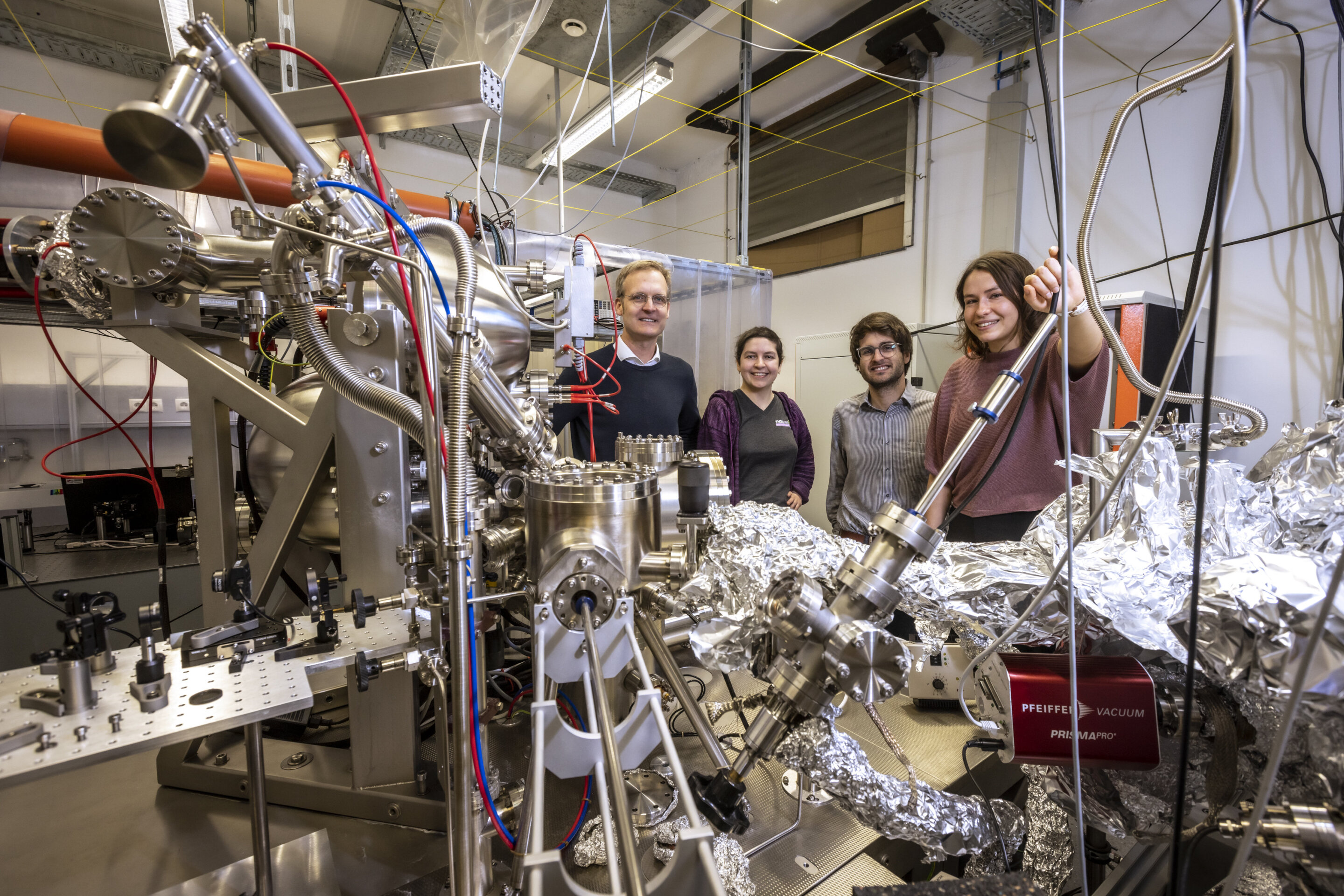
A new meta-optics for microscopes with extremely high spatial and temporal resolution has been developed at Harvard and successfully tested at Graz University of Technology. The lens of the microscope has made it possible to use extreme ultraviolet radiation for the first time, enabling it to follow ultra-fast physical processes in the attosecond range. The possible applications for the new research field of attosecond microscopy are manifold, especially in semiconductor and solar cell technology.