Tag

Criminal Penalties

All articles tagged with #criminal penalties

Cadence Design Systems Agrees to $140 Million Settlement for Illegal Exports to China

Originally Published 5 months ago — by Department of Justice (.gov)

Featured image for Cadence Design Systems Agrees to $140 Million Settlement for Illegal Exports to China
Source: Department of Justice (.gov)

Cadence Design Systems agreed to plead guilty and pay over $140 million in penalties for illegally exporting semiconductor design tools to a restricted Chinese military university, NUDT, violating U.S. export laws and involving conspiracy and concealment efforts. The case highlights ongoing concerns over technology transfer to military entities in China and the enforcement of export controls.

"Oregon Reverses Drug Decriminalization, Impact on Portland"

Originally Published 1 year ago — by USA TODAY

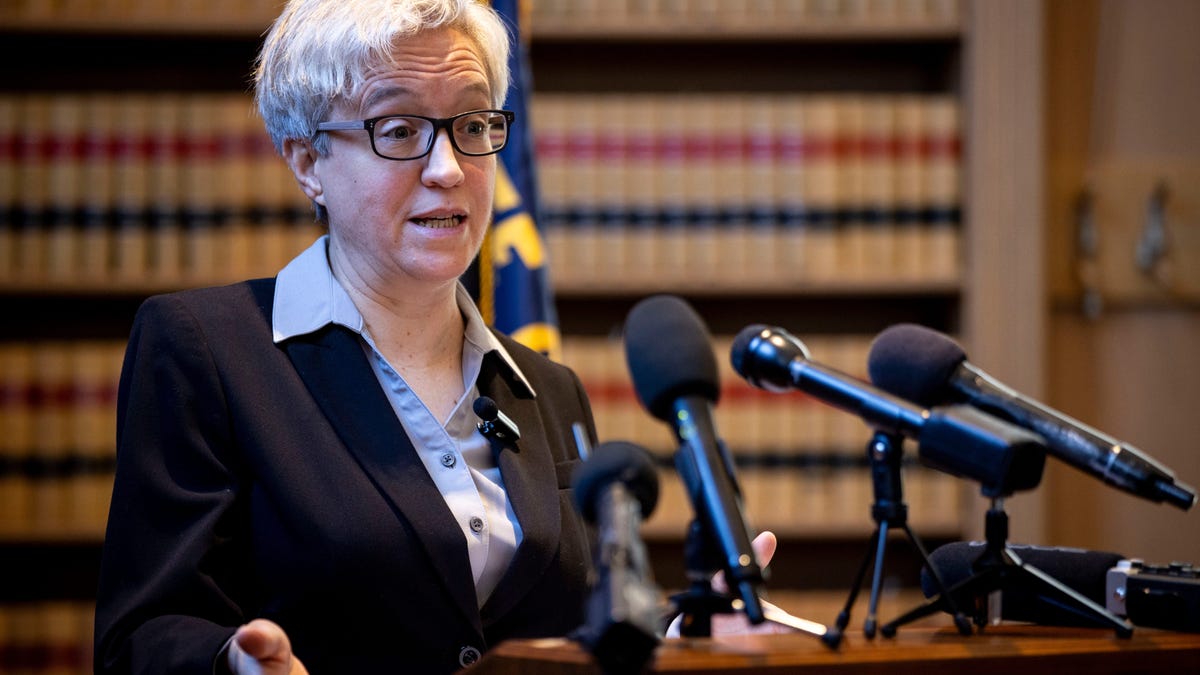
Featured image for "Oregon Reverses Drug Decriminalization, Impact on Portland"
Source: USA TODAY

Oregon Governor Tina Kotek signed a bill into law that reintroduces criminal penalties for possession of small amounts of drugs, effectively ending the state's groundbreaking drug decriminalization law enacted three years ago. The new law, which will go into effect this fall, aims to address rising drug overdose deaths by implementing a "drug enforcement misdemeanor" for possession of illicit drugs. The bill passed with bipartisan support, and counties are working to establish deflection programs to provide alternatives to incarceration for individuals with drug possession charges.

"Oregon Reverses Drug Decriminalization Law Amid Rising Homelessness and Overdoses"

Originally Published 1 year ago — by USA TODAY

Featured image for "Oregon Reverses Drug Decriminalization Law Amid Rising Homelessness and Overdoses"
Source: USA TODAY

Oregon, the first state to decriminalize illicit drugs, is now reversing course and reinstating criminal penalties for drug use and possession. While some health advocates argue that Oregon's experience should not discourage other decriminalization efforts, opponents point to a surge in overdose deaths and public drug use as reasons for the reversal. The federal government is also considering reclassifying marijuana, while other states are exploring harm reduction approaches and decriminalization measures for drug possession. Despite Oregon's rollback, advocates remain hopeful that other states will continue to pursue broader decriminalization efforts.

"Oregon's Drug Decriminalization Reversal Sparks Protests and Controversy"

Originally Published 1 year ago — by Fox News

Featured image for "Oregon's Drug Decriminalization Reversal Sparks Protests and Controversy"
Source: Fox News

Oregon lawmakers are moving to end the state's three-year drug decriminalization "experiment" due to skyrocketing overdose deaths and public drug usage, with a bill to recriminalize possession of hard drugs like fentanyl, heroin, cocaine, and methamphetamine passing in the state Senate. The measure, which also includes provisions for addiction services and penalties for drug dealers, now awaits the decision of Democratic Gov. Tina Kotek.

Oregon Reverses Drug Decriminalization Law as Overdose Deaths Rise

Originally Published 1 year ago — by The Guardian US

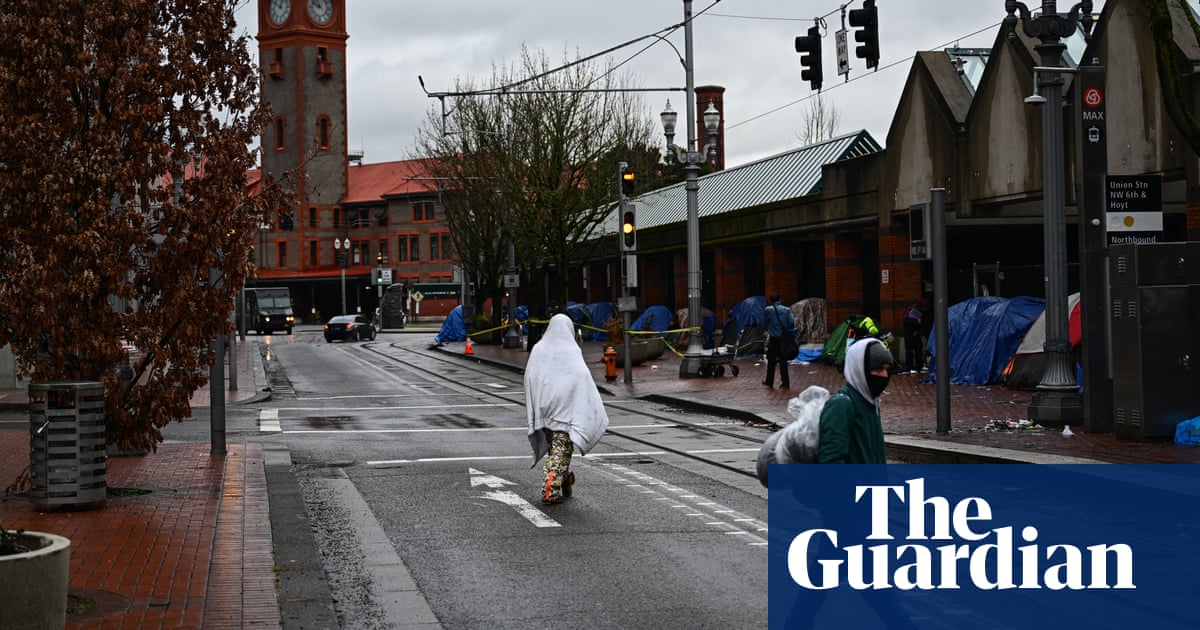
Featured image for Oregon Reverses Drug Decriminalization Law as Overdose Deaths Rise
Source: The Guardian US

Oregon lawmakers have voted to reintroduce criminal penalties for the possession of hard drugs, effectively ending the state's three-year decriminalization experiment. The new law makes minor drug possession a misdemeanor and allocates millions of dollars toward specialty court programs, mental health, and addiction treatment. Despite concerns about racial disparities and the impact on marginalized communities, proponents argue that the measure is necessary to address the fentanyl crisis and public drug use. Critics argue that restoring criminal penalties may not effectively address drug use and could exacerbate existing inequalities.

Oregon Lawmakers Introduce Bill to Reverse Drug Decriminalization and Expand Treatment Access

Originally Published 1 year ago — by Oregon Public Broadcasting

Featured image for Oregon Lawmakers Introduce Bill to Reverse Drug Decriminalization and Expand Treatment Access
Source: Oregon Public Broadcasting

Oregon Democrats have proposed a bill that would reintroduce potential criminal penalties for drug possession, unraveling a portion of the 2020 ballot measure that decriminalized small amounts of illicit drugs. The bill aims to make possession of drugs like fentanyl, methamphetamine, and heroin a low-level misdemeanor, while also providing options for offenders to escape consequences by engaging with service providers. The proposal includes measures to step up access to addiction treatment, create new sober housing, and give law enforcement more power to prosecute drug dealers. However, the bill has faced criticism from both decriminalization advocates and law enforcement groups, with some arguing it does not go far enough and others expressing concerns about potential negative impacts.

"Colorado Implements New Laws: Psychedelic Regulations, Miranda Rights, Car Theft Penalties, and More"

Originally Published 2 years ago — by The Denver Post

Featured image for "Colorado Implements New Laws: Psychedelic Regulations, Miranda Rights, Car Theft Penalties, and More"
Source: The Denver Post

Thirteen new laws will take effect in Colorado on July 1, including regulations on the use of psychedelics, stricter penalties for auto thefts, and the codification of Miranda rights. The state legislature passed 484 bills, with Governor Jared Polis vetoing 10 and allowing one to pass without his signature. Other laws taking effect include criminal sentencing reforms, a new felony for pointing lasers at aircraft, and exemptions for small businesses from retail delivery fees. The deadline for law enforcement agencies to have body cameras is also July 1.

Fatal Dog Attack in Rockport, Texas.

Originally Published 2 years ago — by USA TODAY

Featured image for Fatal Dog Attack in Rockport, Texas.
Source: USA TODAY

A man in Texas was mauled to death by a pack of dogs, just days after Governor Greg Abbott vetoed a bill that would have made it easier for local animal care service departments to investigate dangerous dogs and strengthened criminal penalties for owners whose dogs have repeatedly been behind unprovoked attacks. The proposed legislation was named after an 81-year-old Air Force veteran who was killed in a dog attack in February. A suspect has been arrested and charged in connection with the recent attack, and all the dogs involved are in custody of the animal control agency.

Controversy Surrounds House Passage of Fentanyl Bill

Originally Published 2 years ago — by The New York Times

Featured image for Controversy Surrounds House Passage of Fentanyl Bill
Source: The New York Times

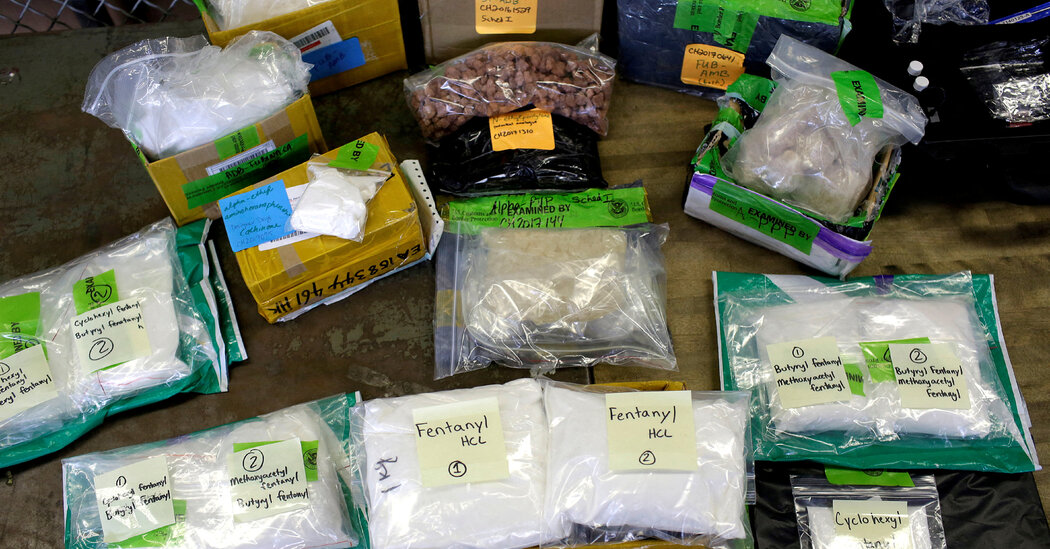
The House of Representatives passed a bill that would make harsh criminal penalties and strict controls on fentanyl-related drugs permanent, with scores of Democrats joining nearly all Republicans in a vote that reflected the political challenges of tackling what both parties consider America’s most pressing drug crisis. The bipartisan vote reflected agreement among Republicans and a solid bloc of Democrats that stiffening penalties for fentanyl-related drugs is a necessary component of the federal response to the crisis. However, many Democrats, along with public health and civil rights groups, note that harsh sentences for fentanyl-related drugs have driven up incarceration rates and disproportionately affected people of color.

Hospital Police Forces on the Rise Despite Criticisms.

Originally Published 2 years ago — by NPR

Featured image for Hospital Police Forces on the Rise Despite Criticisms.
Source: NPR

Hospitals in nearly 40 states have established or increased penalties for assaults on healthcare workers, and lawmakers in 29 states have approved or are working on similar laws, as well as ones that allow for the creation of hospital police forces. Members of those forces can carry firearms and make arrests. Healthcare workers are five times as likely to experience violence as employees in other industries, according to federal data. Critics worry that establishing hospital police forces will escalate violence in healthcare settings and could have unintended effects.

"Catalytic Converter Theft Bill Signed into Law in Minnesota"

Originally Published 2 years ago — by KVLY

Featured image for "Catalytic Converter Theft Bill Signed into Law in Minnesota"
Source: KVLY

Minnesota Governor Tim Walz signed a bill that requires catalytic converters to carry the vehicle identification number of the car it originated from, in an effort to crack down on catalytic converter thefts. The bill also increases criminal penalties for the illegal possession or sale of catalytic converters. Local auto shop workers hope that this bill will result in fewer visits from customers regarding the matter. Minnesota Senators Amy Klobuchar said in a press release that by adding criminal offense, she hopes law enforcement will utilize the tools at their disposal.