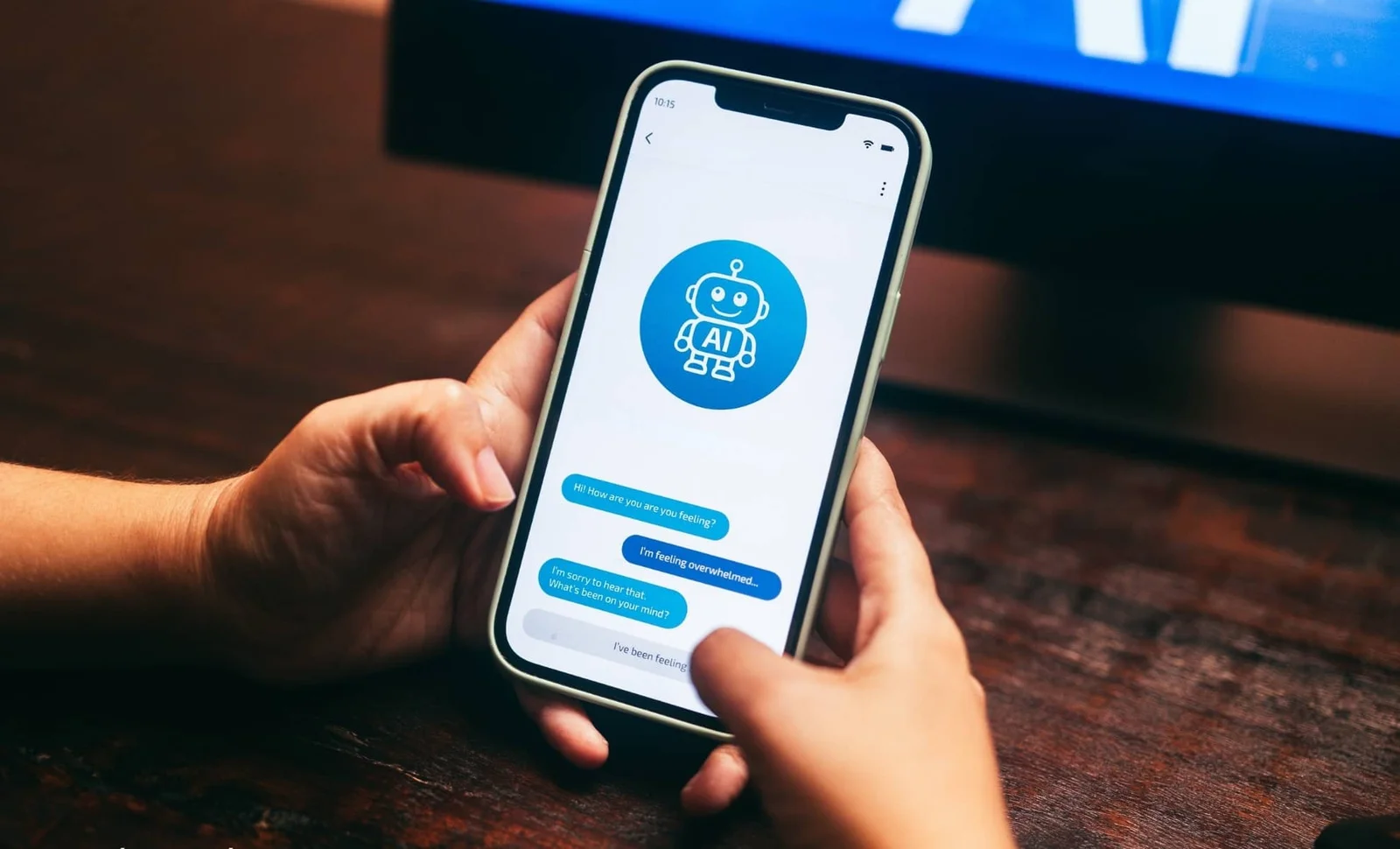
AI chatbots like ChatGPT and Replika are increasingly used for emotional support but pose risks such as fostering emotional dependence, reinforcing delusions, and misleading self-diagnosis, which can exacerbate mental health issues rather than help.
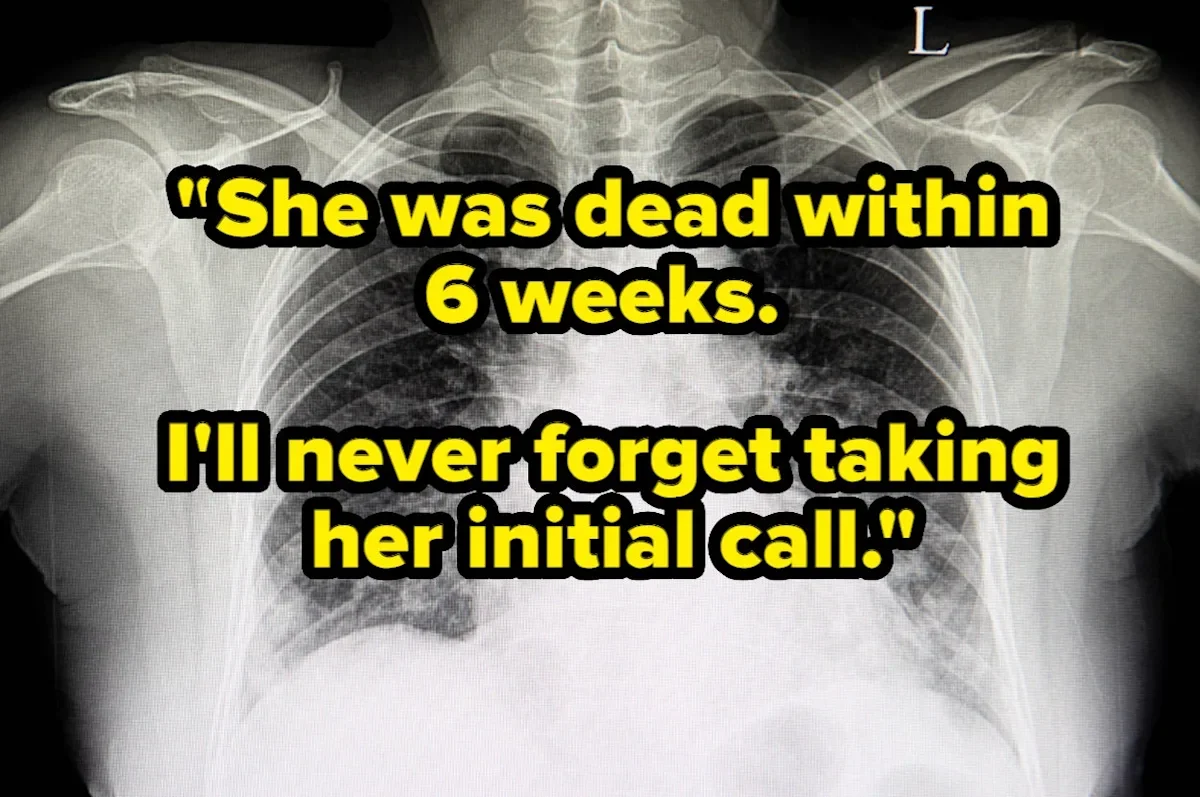
Medical professionals share stories of patients who accurately diagnosed their own serious conditions, such as a woman who sensed her impending death and was later found to have a ruptured aortic aneurysm, highlighting the importance of patient intuition and the challenges in emergency diagnosis.
Medical professionals share stories of patients who accurately diagnosed themselves with various conditions, highlighting cases where patient intuition or research led to correct diagnoses, sometimes before doctors identified the issues.
Medical professionals share stories of patients who accurately diagnosed themselves with conditions, highlighting cases from self-diagnosed hypoglycemia to leukemia, demonstrating that sometimes patients' instincts are correct and can lead to crucial diagnoses.
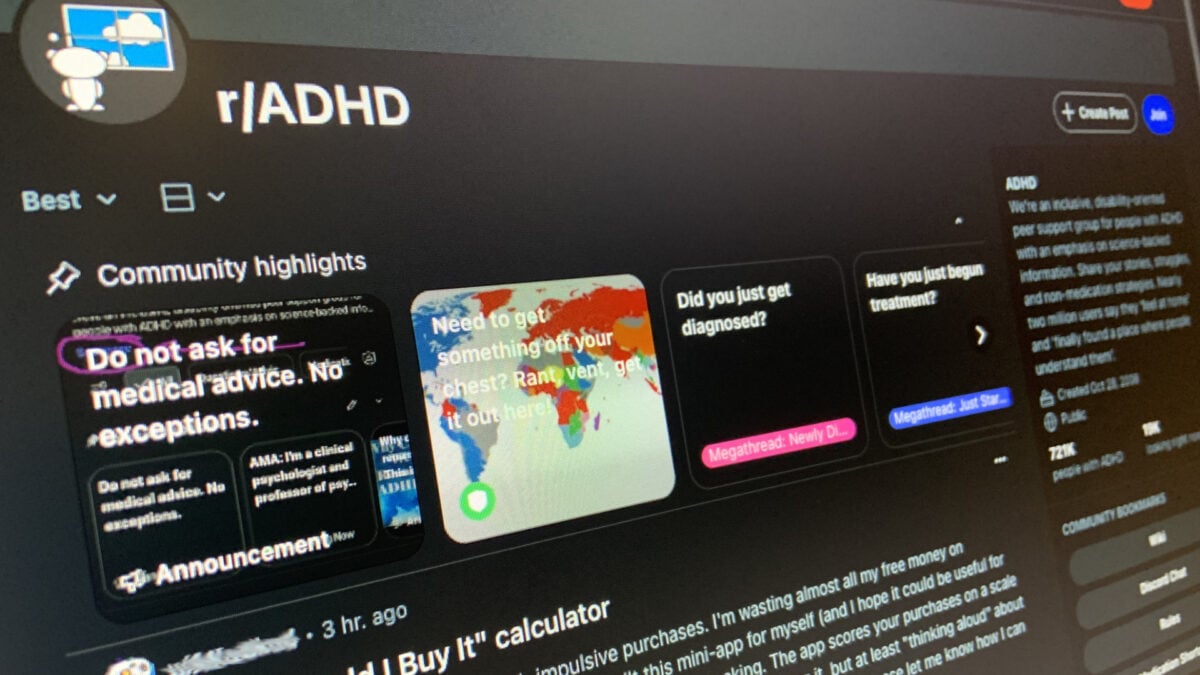
A study analyzing Reddit posts found that individuals who self-diagnose ADHD tend to have a more negative self-image and seek validation more often than those with clinically diagnosed ADHD, highlighting the influence of online communities on perceptions of the condition and the importance of accurate information and professional support.
Many adults with ADHD go undiagnosed due to barriers like insurance and long wait times, but an affordable and faster option is available through computerized assessments like Mind Metrix, developed by Dr. Joel Young at the Rochester Center for Behavioral Medicine. These assessments can provide immediate results and help primary care physicians work toward appropriate treatment plans, which may include coaching, therapy, or medication. Online assessments are also available, with some being free and others, like Mind Metrix, costing around $50. Seeking help and discussing symptoms with a doctor, even a gynecologist for women, is encouraged for those suspecting they have ADHD.
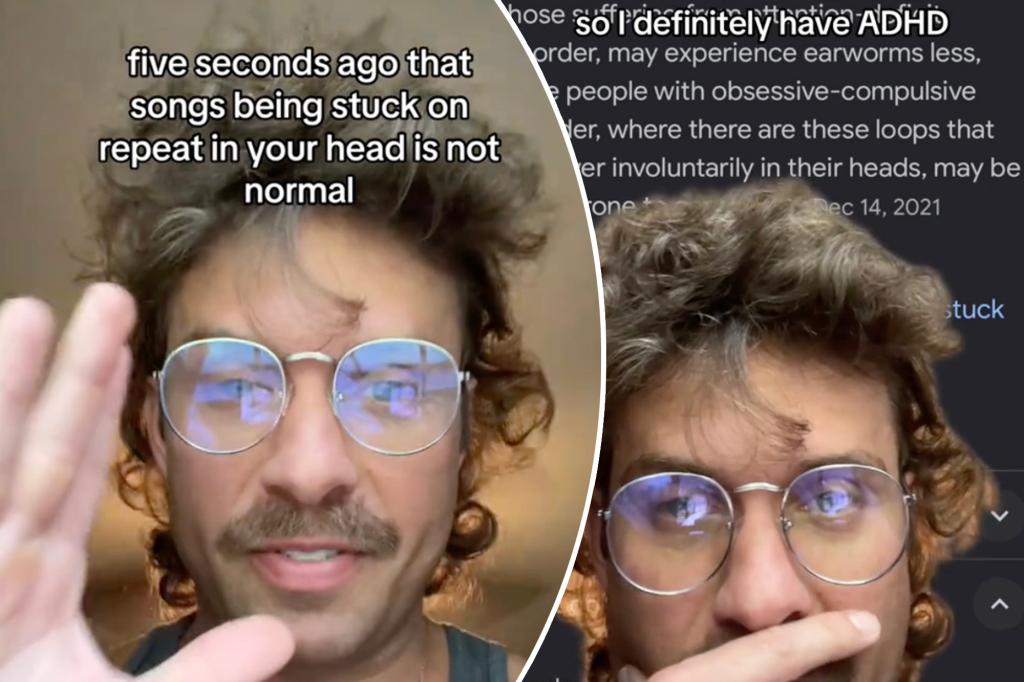
A TikToker's claim that having a song stuck in your head is a symptom of ADHD has sparked a lively discussion, but experts have refuted the notion. While earworms are a common phenomenon, they are not exclusive to ADHD or OCD. ADHD symptoms encompass more than just repetitive song loops and are reflected in various areas of life. Self-diagnoses on social media platforms like TikTok can lead to misinformation, and experts advise seeking professional medical advice instead.
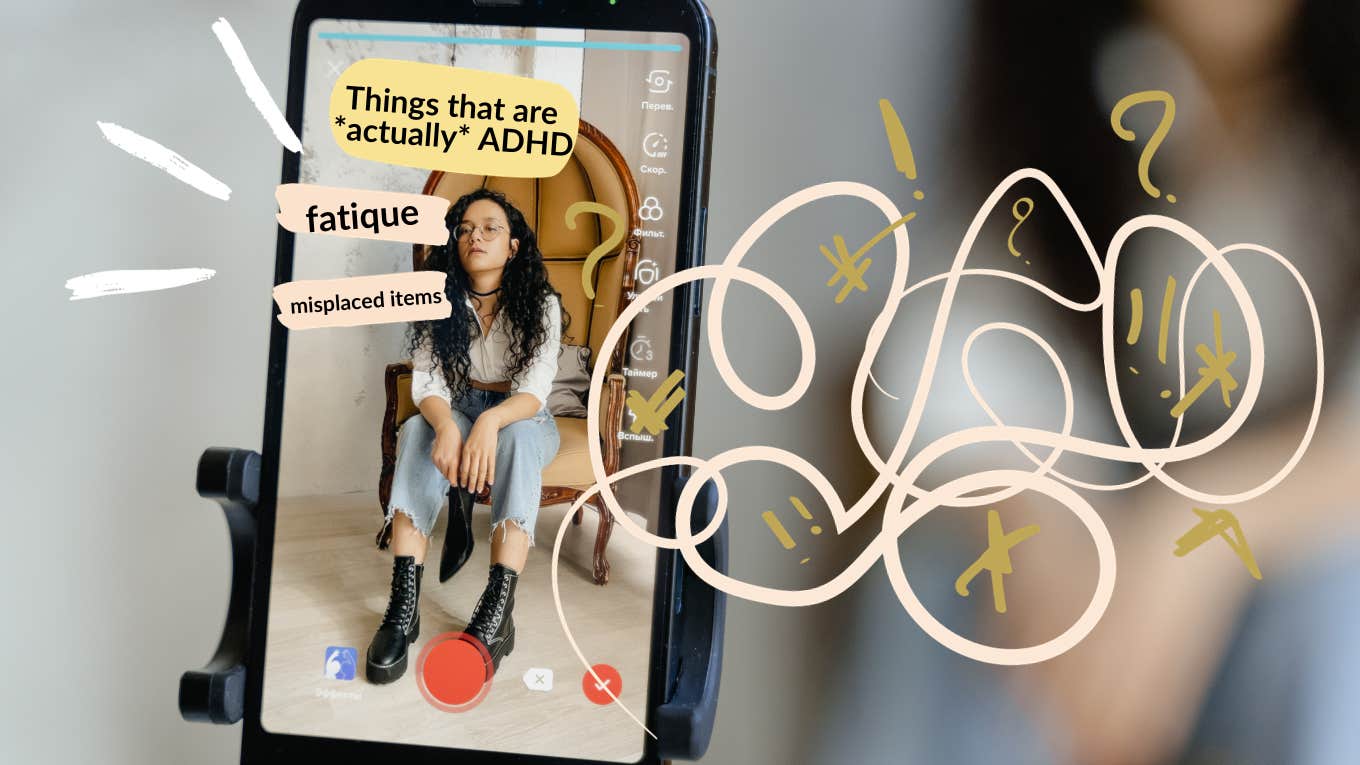
A woman called out 'ADHD influencers' on TikTok for spreading misinformation and turning normal things into symptoms of mental illness. The growing trend of self-diagnosis on social media platforms like TikTok is concerning, as it can perpetuate misconceptions about mental illnesses like ADHD and ASD. Self-diagnosis should be treated as a step towards seeking professional help, as it can lead to complications if not properly addressed. These influencers are preying on people's biases and spreading dangerous misinformation without considering the impact on those struggling with real mental illnesses.
As flu and cold season approaches, it's important to differentiate between usual symptoms and possible COVID-19 symptoms. The flu typically starts with a runny nose, cough, and sore throat, progressing to fever, chills, muscle aches, and fatigue. RSV symptoms include wheezing, runny nose, decreased appetite, coughing, and fever. COVID-19 symptoms can be similar to the flu, with early signs including fever and sore throat. It's crucial to seek medical help if symptoms worsen, and experts emphasize the need to consider COVID-19 testing due to the rising number of cases.
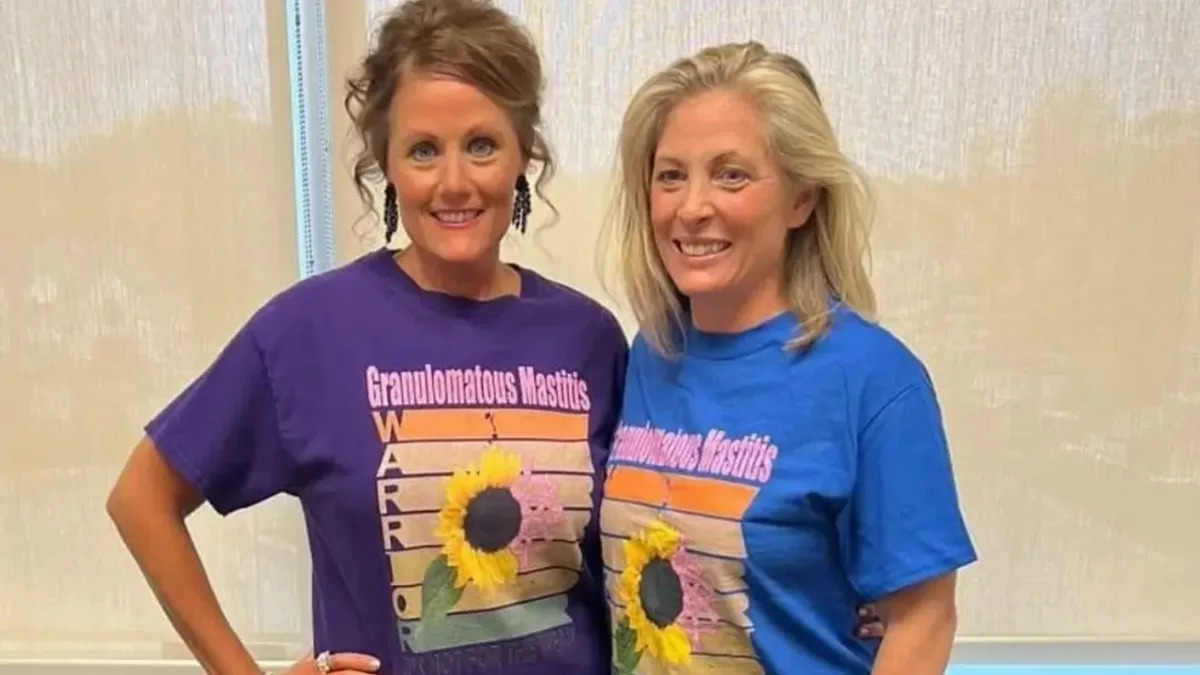
Tami Burdick, an Ohio woman, contracted a rare infectious breast disease called granulomatous mastitis (GM) after a business trip to Connecticut. After months of self-diagnosis and research, she discovered that the root cause of her condition was the bacteria Corynebacterium kroppenstedtii, which is associated with contaminated water. Burdick wrote a memoir, "Diagnosis Detective: Curing Granulomatous Mastitis," detailing her health journey and advocating for awareness of the disease. She continues to educate and advocate for others facing GM.
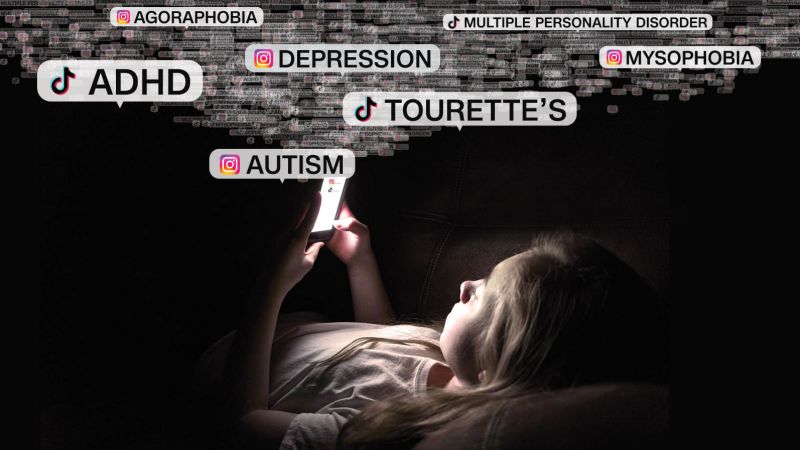
Teens are increasingly using social media platforms like TikTok and Instagram to self-diagnose mental health conditions, causing alarm among parents, therapists, and school counselors. Some teens follow creators who discuss their own mental health conditions, while others come across posts with symptoms checklists to determine if they meet the criteria for a diagnosis. While social media can provide information and support, concerns arise over mislabeling, exacerbating behaviors, and potentially leading to unnecessary medication. Experts urge social media companies to implement safeguards and algorithms to detect excessive consumption of mental health content. The trend of self-diagnosing comes at a time when American teens are already facing a mental health crisis, with limited access to professional help.
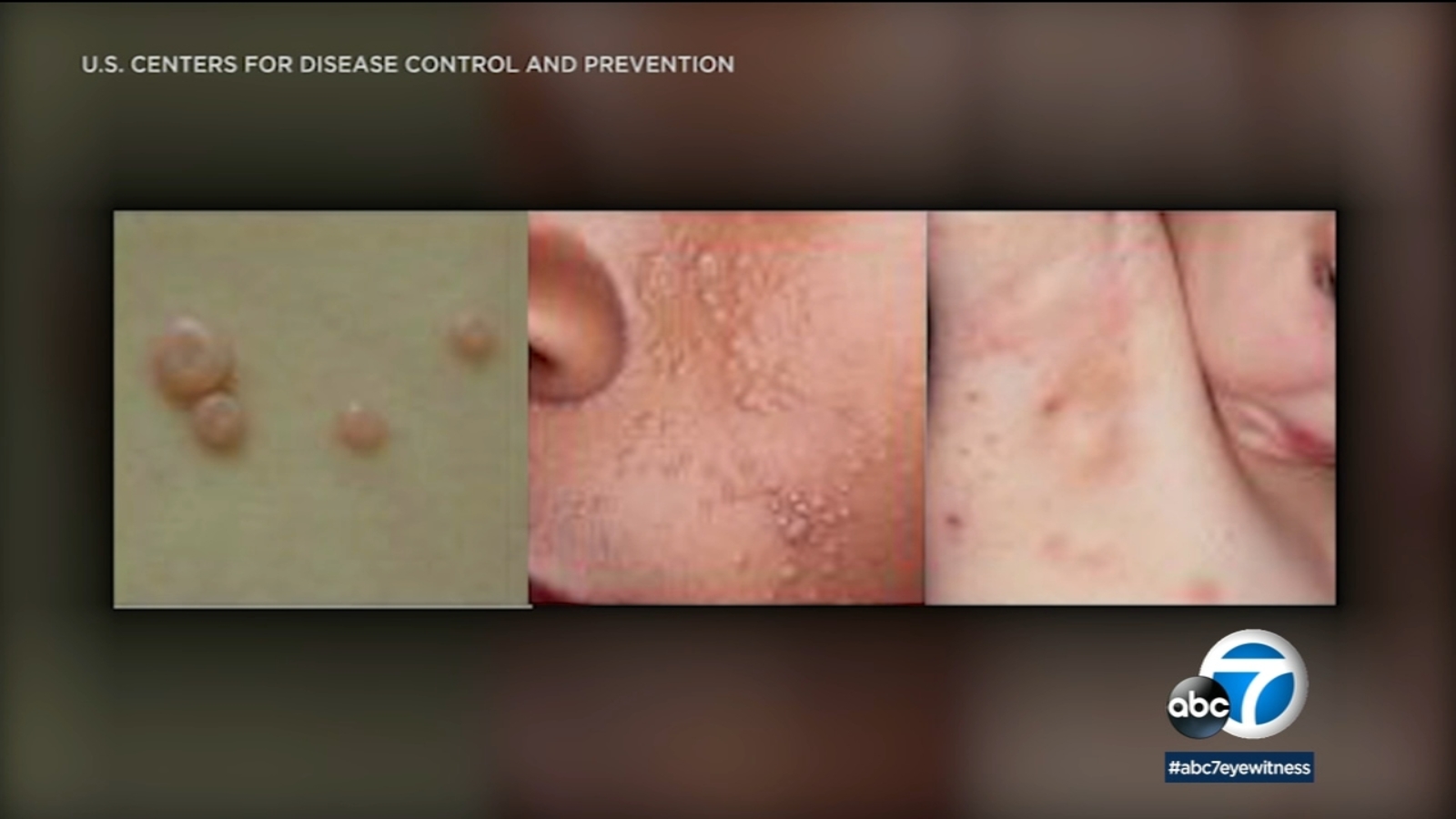
The FDA has issued an advisory warning against using bogus treatments for molluscum, a common viral infection spread through skin-to-skin contact. The raised, swollen lesions can appear on any part of the body and can often be misdiagnosed or confused for something else, like a wart. The agency warns against self-diagnosis and self-treatment and advises patients to see a dermatologist for proper diagnosis and treatment. The FDA has not approved any product, prescription nor over-the-counter, for the treatment of molluscum.
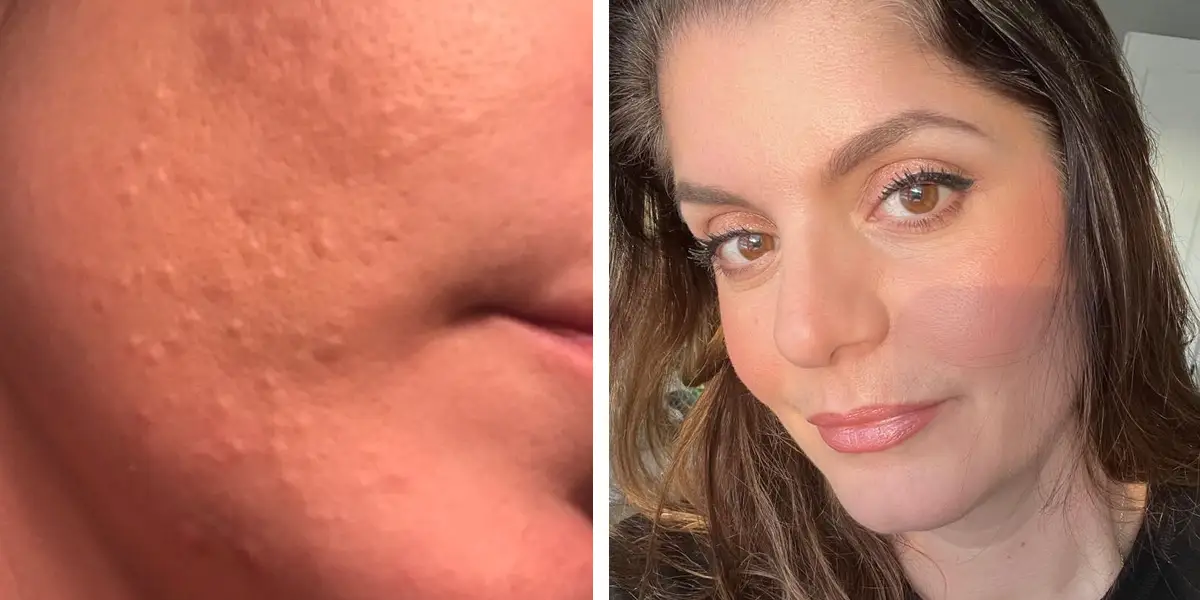
Makeup artist Shannon Ranger suffered from persistent acne for five years, which was misdiagnosed by multiple dermatologists. After doing her own research online, she self-diagnosed with fungal acne and found a blog called Simple Skincare Science, which helped her treat the condition. Fungal acne is caused by yeast overgrowth and can be misdiagnosed as regular acne. The blog is run by an anonymous author who has no formal background in dermatology but has helped many people with folliculitis, which is commonly misdiagnosed. Ranger's story highlights the importance of self-advocacy and doing research when seeking medical treatment.
A growing number of people are using social media and knowledge from those with lived experience in online communities to diagnose themselves with autism and ADHD without a psychologist’s rubber stamp, either out of necessity, principle, or both. Critics inside and outside of neurodivergent spaces are debating the validity of self-diagnosis. Seeking a professional diagnosis may be necessary for some people. Self-diagnosis can be an empowering choice for people who would have otherwise not had access to an accurate evaluation, either because of cost or the bias of diagnostic tools.