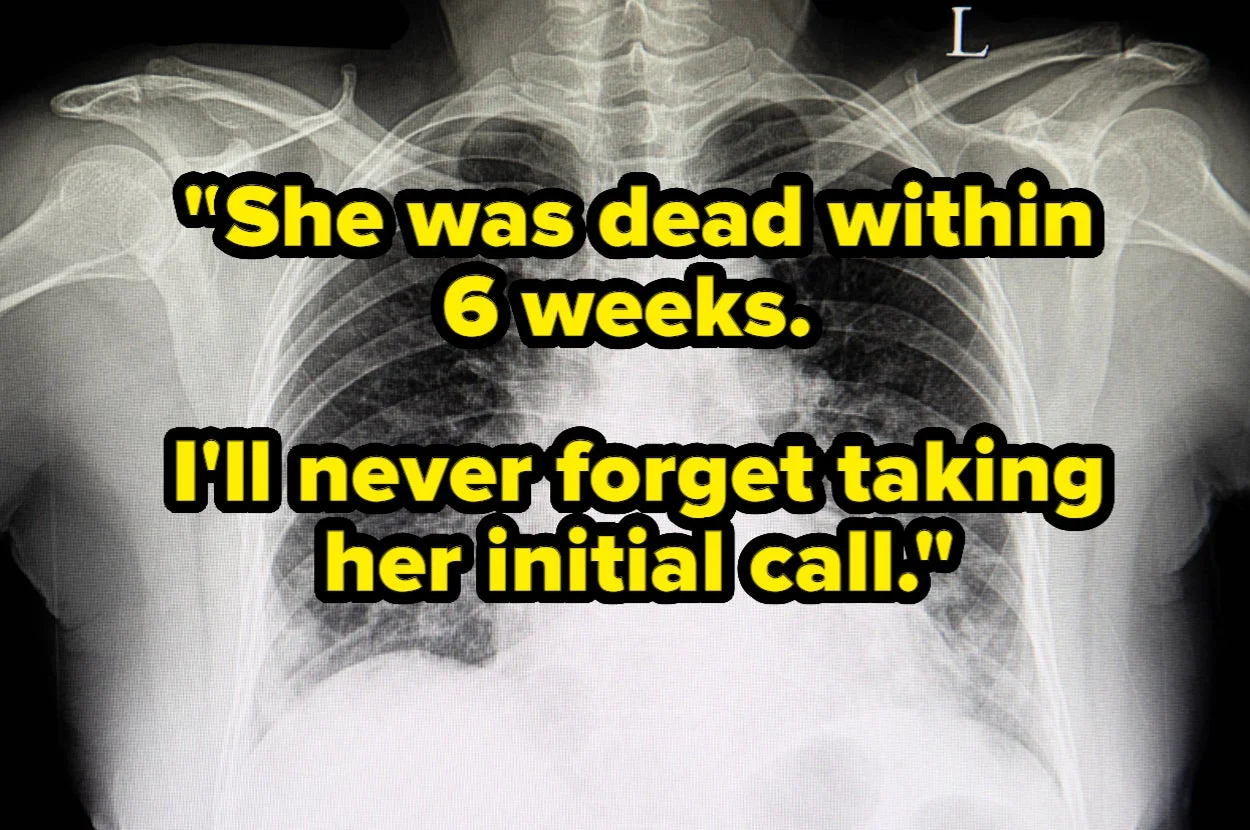
Medical professionals share stories of patients who accurately diagnosed their own serious conditions, such as a woman who sensed her impending death and was later found to have a ruptured aortic aneurysm, highlighting the importance of patient intuition and the challenges in emergency diagnosis.
The article shares 17 emotional stories of individuals who faced misdiagnosis or dismissive treatment for chronic illnesses, highlighting the long and often dangerous journey to proper diagnosis and the importance of listening to patients' symptoms.
A London patient received a false diabetes diagnosis due to an AI-generated medical record error, highlighting risks and oversight challenges of AI tools in healthcare, despite their potential to improve efficiency and care.
The article shares various distressing and sometimes shocking experiences patients have had with doctors, highlighting issues of poor communication, insensitivity, and neglect in healthcare settings.
A recent study published in the BMJ reveals that over a third of surgical patients experience complications, with at least 20% of these due to medical errors. Despite advancements like electronic medical records and presurgery checklists, patient safety in hospitals has not significantly improved over the decades. The study, conducted in Massachusetts, highlights that complications often occur outside the operating room and are more common in older patients and complex surgeries. Advocates stress the need for renewed focus on patient safety and suggest patients stay informed about their medications and have support during hospital stays.
A study published in JAMA found that nearly one in five US hospital deaths are caused by misdiagnoses, with over 23 percent of patients in intensive care units being misdiagnosed or experiencing delayed diagnoses. Misdiagnoses contribute to the deaths or serious harm of nearly 18 percent of affected patients, with conditions such as infections, heart issues, and cancer being commonly misdiagnosed. Women and racial and ethnic minorities are disproportionately affected by misdiagnoses, and these errors are the most common reason for malpractice lawsuits against doctors in the US. Misdiagnosis may also contribute to the high maternal mortality rate among vulnerable groups.
A study published in JAMA Internal Medicine found that nearly 1 in 4 hospital patients who died or were transferred to intensive care had experienced a diagnostic error, with nearly 18% of misdiagnosed patients being harmed or dying. Women and racial and ethnic minorities are 20% to 30% more likely than white men to experience a misdiagnosis, leading to an estimated 795,000 patients a year dying or being permanently disabled because of misdiagnosis. Racial and gender disparities are widespread, with Black women and minorities suffering from heart attacks, depression, and other conditions being more likely to be misdiagnosed. The article highlights the urgent need to address misdiagnosis as a public health problem and the impact it has on patients, especially women and minorities.
A study published in JAMA Internal Medicine found that nearly 1 in 4 hospital patients who died or were transferred to intensive care had experienced a diagnostic error, with nearly 18% of misdiagnosed patients being harmed or dying. Women and racial and ethnic minorities are 20% to 30% more likely than white men to experience a misdiagnosis, leading to an estimated 795,000 patients a year dying or being permanently disabled because of misdiagnosis. Racial and gender disparities are widespread, with Black women and minorities suffering from heart attacks, depression, and other conditions being more likely to be misdiagnosed. The Covid pandemic has also highlighted the inaccuracy of medical devices for people with darker skin.
Six horrifying surgical disasters in the US have been revealed, including cases where doctors removed incorrect organs, administered the wrong blood type, and performed unnecessary surgeries. Examples include an Air Force veteran who had the wrong testicle removed, a teenager who suffered brain damage after receiving organs with the wrong blood type, and a woman who had her breast unnecessarily removed due to a misinterpretation of test results. These cases highlight the devastating consequences of medical errors and the need for improved patient safety measures.
A presidential panel has released a report emphasizing the need to prioritize patient safety, as preventable medical errors continue to cause thousands of deaths annually. The report outlines recommendations such as establishing federal leadership, implementing evidence-based approaches, partnering with affected communities, and promoting the development of new technologies. The panel aims to address the overlooked issue of patient safety and improve healthcare systems to prevent catastrophic errors. The report also highlights the importance of health equity and involving patients and their families in discussions about patient safety.
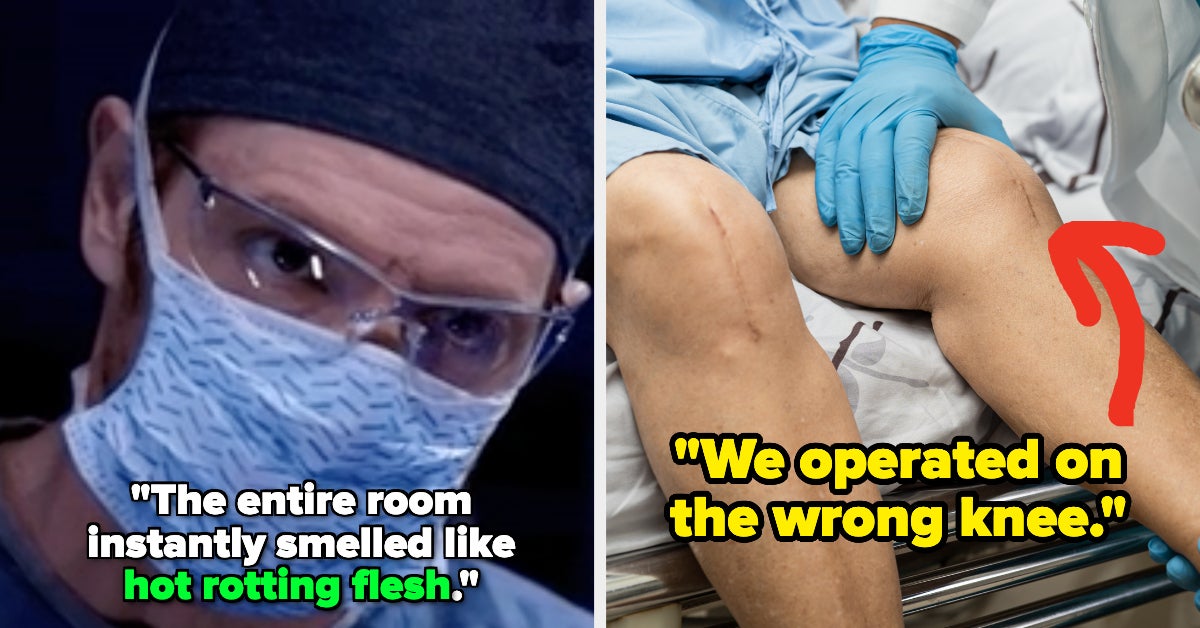
Surgeons and medical professionals share their scariest moments during operations, including operating on the wrong knee, accidentally ripping a patient's dural sac, nearly lacerating a major blood vessel, encountering severe tissue rotting, discovering a golf ball-sized blood clot in the heart, accidentally opening a major artery, dealing with ruptured bladders, administering anticoagulants without realizing it, and experiencing various surgical errors and complications.
A recent study from Johns Hopkins School of Medicine reveals that misdiagnoses in the United States result in nearly 800,000 deaths and disabilities each year. The top five misdiagnosed conditions include stroke, sepsis, pneumonia, venous thromboembolism, and lung cancer. These conditions make up 38.7% of all cases. The study highlights the need for improved diagnostic accuracy and increased funding in the underfunded sector of public health. Patients are advised to come prepared to doctor's appointments, ask questions, and remain vigilant to prevent misdiagnoses.
Researchers at the University of Pennsylvania have discovered a simple and effective way to reduce medical errors in patient diagnosis and treatment. By using structured networks to connect clinicians with their peers, doctors were found to be twice as accurate in their recommendations when they had access to the diagnostic decisions of their colleagues. The study, involving nearly 3,000 doctors, demonstrated that having a support network improves clinical care and decision-making. The researchers suggest that implementing these information-sharing networks could be a valuable tool in reducing medical errors and improving patient outcomes.
An estimated 795,000 Americans die or suffer permanent disabilities each year due to misdiagnoses, according to a report by the Johns Hopkins Armstrong Institute Center for Diagnostic Excellence. The study reveals that misdiagnoses occur across various medical care settings, not just in doctors' offices, and are the most under-resourced public health crisis. Medical providers misdiagnose diseases about 11% of the time, with strokes being the most commonly missed condition. Five diseases, including stroke, sepsis, pneumonia, blood clots, and lung cancer, account for nearly 40% of deaths and disabilities resulting from incorrect diagnoses. Reducing diagnostic errors for these diseases could save 150,000 lives annually.
Approximately 795,000 Americans die or suffer permanent disabilities each year due to misdiagnoses, according to a report by the Johns Hopkins Armstrong Institute Center for Diagnostic Excellence. The study reveals that an estimated 371,000 patients die and 424,000 are permanently disabled annually due to incorrect diagnoses across various medical care settings. Medical professionals tend to misdiagnose diseases when symptoms resemble those of a different condition, particularly when symptoms are subtle. Strokes are the most commonly misdiagnosed condition, followed by sepsis, pneumonia, blood clots, and lung cancer. Reducing diagnostic errors for these five diseases by 50% could potentially prevent 150,000 deaths and disabilities per year.