Seasonal Affective Disorder (SAD) is a serious mental health condition affecting about 5% of American adults, often confused with the 'winter blues.' Experts clarify that SAD is a clinical form of depression with neurological roots, not limited to winter, as some experience it in summer. Symptoms include mood disruptions, sleep issues, and appetite changes. Light therapy can help but isn't a quick fix, and a holistic approach is recommended. SAD can last up to 40% of the year, and social withdrawal can worsen symptoms, highlighting the importance of seeking professional help.
Seasonal Affective Disorder (SAD) is a serious mental health condition affecting about 5% of American adults, often confused with the 'winter blues.' Experts clarify that SAD is a clinical form of depression with neurological roots, not limited to winter, as some experience it in summer. Symptoms include mood disruptions, sleep issues, and appetite changes. Light therapy can help but isn't a quick fix, and a holistic approach is recommended. SAD can last up to 40% of the year, and social withdrawal can worsen symptoms, so seeking professional help is crucial.
As winter approaches, many people claim to have Seasonal Affective Disorder (SAD), but experts caution against self-diagnosis. SAD is a clinical depression subtype, and not everyone who feels down in winter has it. Psychologist Kari Lebowitz suggests embracing winter by slowing down, resting more, and enjoying low-key social activities. Instead of focusing on the lack of daylight, appreciate moments of winter light and maintain a cozy environment at home. These strategies can help manage the seasonal mood changes many experience.
As winter approaches, approximately 10 million Americans experience Seasonal Affective Disorder (S.A.D.), a type of depression that occurs during the fall and winter months. Dr. Raé N. Lundy, a clinical psychologist, offers advice on managing S.A.D. as the weather turns colder.
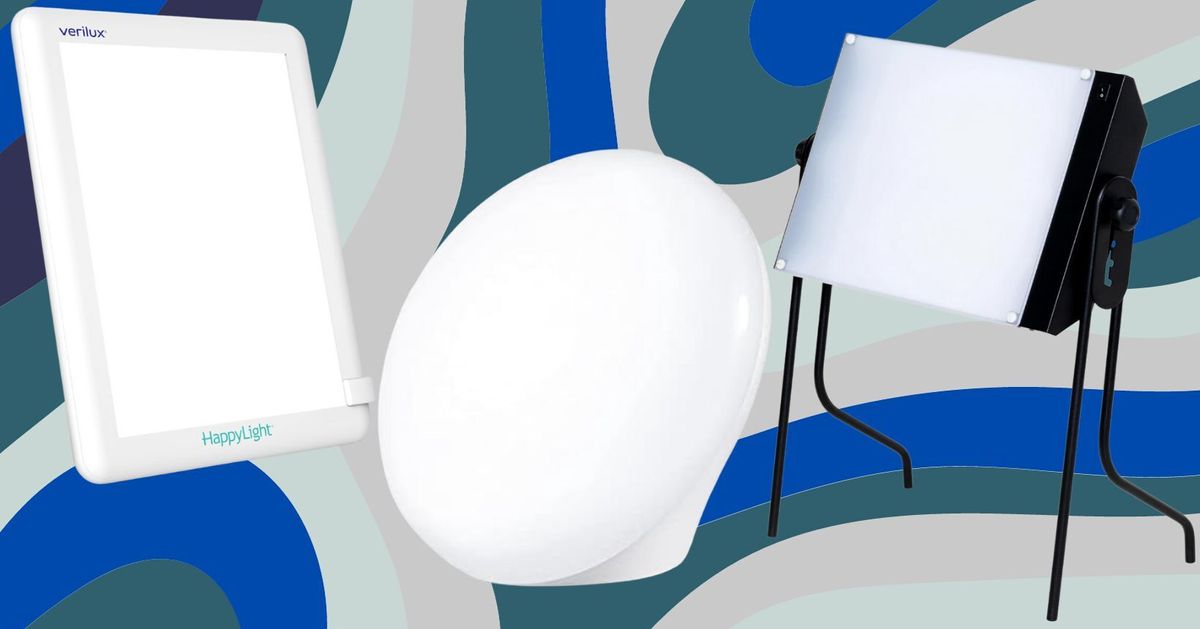
Seasonal affective disorder (SAD), a type of depression related to changes in seasons, can be alleviated using SAD lamps that mimic natural sunlight. Experts recommend using these UV-free lamps, ideally providing 10,000 lux, for 20 to 90 minutes each morning. The article lists eight SAD lamps with various features and price points, including a CET-endorsed light box, an affordable ultra-slim light, and a high-lux frame-style therapy lamp. These lamps are designed to help reduce symptoms like anxiety and sadness, and improve overall mood and energy levels during the darker months.