Seasonal Affective Disorder (SAD) is a serious mental health condition affecting about 5% of American adults, often confused with the 'winter blues.' Experts clarify that SAD is a clinical form of depression with neurological roots, not limited to winter, as some experience it in summer. Symptoms include mood disruptions, sleep issues, and appetite changes. Light therapy can help but isn't a quick fix, and a holistic approach is recommended. SAD can last up to 40% of the year, and social withdrawal can worsen symptoms, highlighting the importance of seeking professional help.
Seasonal Affective Disorder (SAD) is a serious mental health condition affecting about 5% of American adults, often confused with the 'winter blues.' Experts clarify that SAD is a clinical form of depression with neurological roots, not limited to winter, as some experience it in summer. Symptoms include mood disruptions, sleep issues, and appetite changes. Light therapy can help but isn't a quick fix, and a holistic approach is recommended. SAD can last up to 40% of the year, and social withdrawal can worsen symptoms, so seeking professional help is crucial.
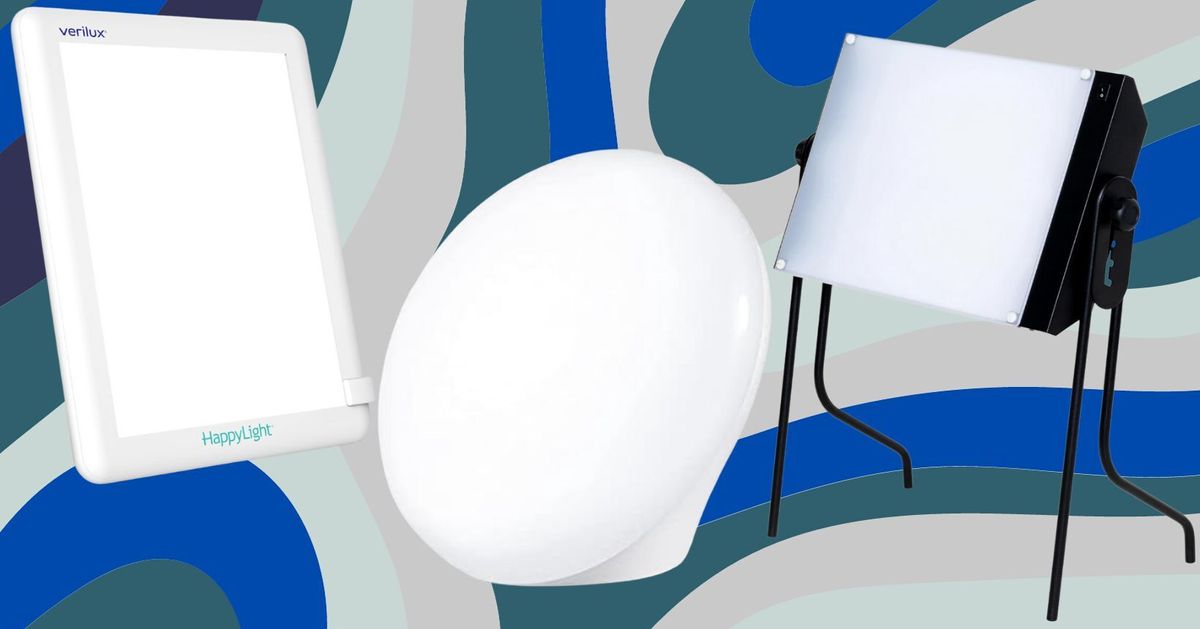
Seasonal affective disorder (SAD), a type of depression related to changes in seasons, can be alleviated using SAD lamps that mimic natural sunlight. Experts recommend using these UV-free lamps, ideally providing 10,000 lux, for 20 to 90 minutes each morning. The article lists eight SAD lamps with various features and price points, including a CET-endorsed light box, an affordable ultra-slim light, and a high-lux frame-style therapy lamp. These lamps are designed to help reduce symptoms like anxiety and sadness, and improve overall mood and energy levels during the darker months.
Researchers have found that optogenetics, a light-based technology, could be used to treat atrial fibrillation (AFib) by modifying targeted cells in rats to restore a regular rhythm to hearts affected by AFib. The technique could fully penetrate the atrial wall in humans to treat the heart condition, offering a shock-free option for treating AFib or irregular or rapid heart rate. However, experts say the findings are interesting, but they aren’t sure light therapy will replace the current treatments for AFib.