A Wenatchee mother raised concerns about her ex-husband Travis Decker's mental health and stability before he allegedly took and killed their three daughters, Paityn, Evelyn, and Olivia, with his whereabouts still unknown. Court documents reveal escalating concerns over Travis's mental health, homelessness, and behavior, leading to court-ordered evaluations and custody modifications. The children were last seen during a custody visit, after which Travis did not return, and their bodies were later found near Leavenworth. The case highlights ongoing issues of parental mental health and safety in custody disputes.
The assassination of UnitedHealthcare CEO Brian Thompson by Luigi Mangione highlights deep cultural and societal issues in the U.S., including political violence, mental health struggles, and widespread discontent with systemic inequities. The incident reflects a broader trend of grievance, entitlement, and self-aggrandizement, exacerbated by increasing loneliness and mental illness. The response to the murder, including some public support for the killer, underscores a dangerous normalization of violence as a means to address societal grievances.
Dr. Nicholas Rosenlicht, a Berkeley psychiatrist, critiques the U.S. healthcare system in his book, highlighting its evolution from a global model to a profit-driven industry. He discusses the public's frustration with insurers like United Healthcare, which prioritize profits over patient care, leading to high costs and poor health outcomes. Rosenlicht advocates for a single-payer system to ensure healthcare as a right, criticizing the current model's impact on mental health care and the broader system's inefficiencies.
A study by researchers from Duke University and Florida State University reveals that exposure to leaded gasoline, used until 1996, has caused significant mental health issues and personality changes in Americans, particularly those born before 1996. The research links lead exposure to 151 million psychiatric cases over 75 years, highlighting its lasting impact on public health. Lead, a neurotoxin, was widely used in gasoline, paint, and plumbing, and its effects are still felt today, with many Americans having been exposed to harmful levels during childhood.
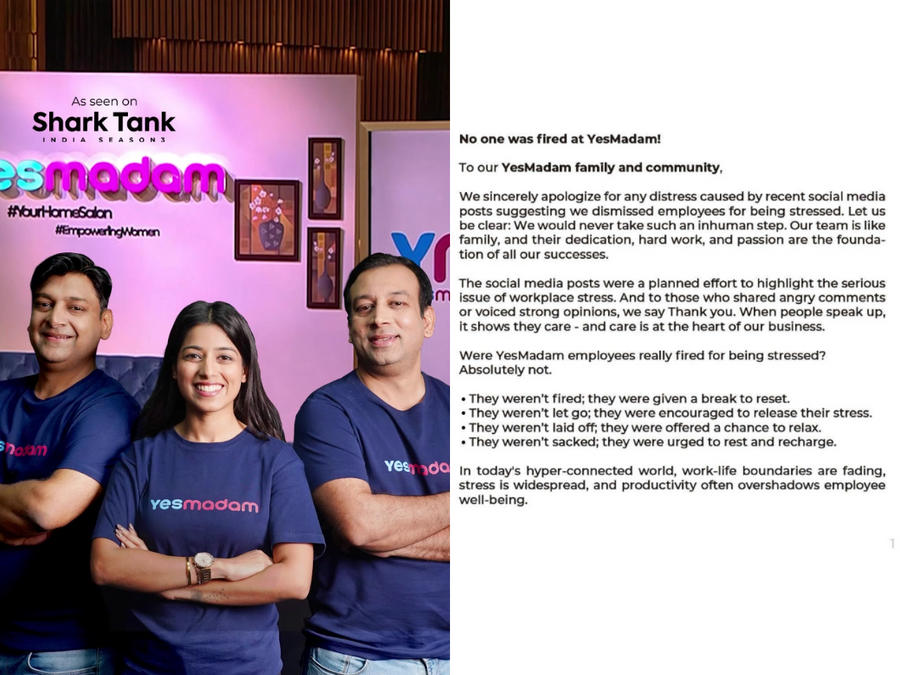
Yes Madam, a startup featured on Shark Tank India, faced backlash after an internal email suggested over 100 employees were fired for feeling stressed. The company clarified that no employees were terminated and the email was part of an initiative to highlight workplace stress. Yes Madam introduced a "Happy 2 Heal" program offering head massages and spa sessions, and a De-Stress Leave Policy granting six paid leaves annually for mental health. The company emphasized its commitment to employee well-being.
A new study published in the Journal of Child Psychology and Psychiatry suggests that leaded petrol may have contributed to a mental health crisis among Generation X, with an estimated 151 million additional mental health disorders linked to lead exposure. The study highlights increased rates of anxiety, depression, ADHD, and neuroticism, alongside decreased conscientiousness. Despite the known toxicity of lead, its widespread use in petrol throughout the 20th century has had lasting effects on public health, with implications for educational outcomes, criminal behavior, and overall societal well-being.
A music therapy group in Bournemouth, initiated by occupational therapists and supported by the Dorset Community Foundation, is helping individuals with mental health conditions, like schizophrenia, regain confidence and a sense of purpose through music. The initiative, which has been running for over a year, allows participants to reconnect with music as a meaningful occupation, providing them with hope and social engagement. Gaynor, a saxophonist who had stopped playing due to her illness, is now preparing to perform an original song with the group, feeling she has regained a part of her life.
Heavy cannabis use and genetic predisposition to schizophrenia independently increase the risk of developing psychosis, with no interaction between the two factors. Daily use of high-potency cannabis is strongly linked to psychosis risk, regardless of genetic predisposition. These findings suggest separate pathways for cannabis and genetic risks, highlighting the need for targeted prevention strategies as cannabis use and potency rise globally.
A study published in the Journal of Child Psychology and Psychiatry links the use of leaded gasoline to an estimated 151 million mental health disorders in the U.S. over 75 years, particularly affecting Generation X. The study highlights increased rates of depression, anxiety, ADHD, and neurotic behavior among those exposed to leaded gas as children, with peak exposure occurring from the mid-1960s to mid-1970s. Despite the ban on leaded gas in 1996, the long-term effects continue to impact mental health, with researchers suggesting these estimates are conservative.
A study by Duke and Florida State University researchers reveals that lead exposure in the 20th century significantly contributed to mental health issues in the U.S., with an estimated 151 million additional cases of psychiatric disorders. The research highlights the impact of leaded gasoline, which peaked in the 1960s, on increasing vulnerability to conditions like anxiety, depression, and ADHD. Despite reduced lead levels today, the study underscores the lasting effects of past exposure and ongoing risks in certain areas.
Khloé Kardashian has returned to therapy after a previous negative experience where her therapist allegedly leaked private information to a tabloid. Encouraged by her sister Kim Kardashian, Khloé decided to give therapy another chance, finding it beneficial despite initial reluctance. She now attends sessions with the same therapist as Kim and acknowledges the positive impact on her well-being.
A recent study highlights a significant racial disparity in psychosis rates across America, revealing that Black individuals are disproportionately affected compared to their white counterparts. This gap raises concerns about underlying factors such as socioeconomic status, access to healthcare, and potential biases in diagnosis and treatment. The findings call for further research to understand and address these disparities in mental health care.
A new study published in Briefings in Bioinformatics reveals a significant link between depression and menstrual pain, suggesting that depression may cause dysmenorrhea rather than being a consequence of it. The research highlights genetic pathways that allow depression to impact menstruation, with findings indicating that women with depression are 51% more likely to experience menstrual pain. The study underscores the importance of mental health in managing female reproductive symptoms and calls for further research to understand the genetic and molecular connections between these conditions.
Ketamine therapy is gaining popularity across the United States as an alternative treatment for mental health conditions, but access to this therapy remains limited in many local areas. Despite its growing acceptance, the availability of clinics offering ketamine treatment is sparse, posing challenges for those seeking this option.
Seasonal Affective Disorder (SAD) is a serious mental health condition affecting about 5% of American adults, often confused with the 'winter blues.' Experts clarify that SAD is a clinical form of depression with neurological roots, not limited to winter, as some experience it in summer. Symptoms include mood disruptions, sleep issues, and appetite changes. Light therapy can help but isn't a quick fix, and a holistic approach is recommended. SAD can last up to 40% of the year, and social withdrawal can worsen symptoms, highlighting the importance of seeking professional help.