Tag

Seabirds

All articles tagged with #seabirds

environment1 year ago

"Island Mouse Infestation Threatens Seabirds: Massive Extermination Planned"

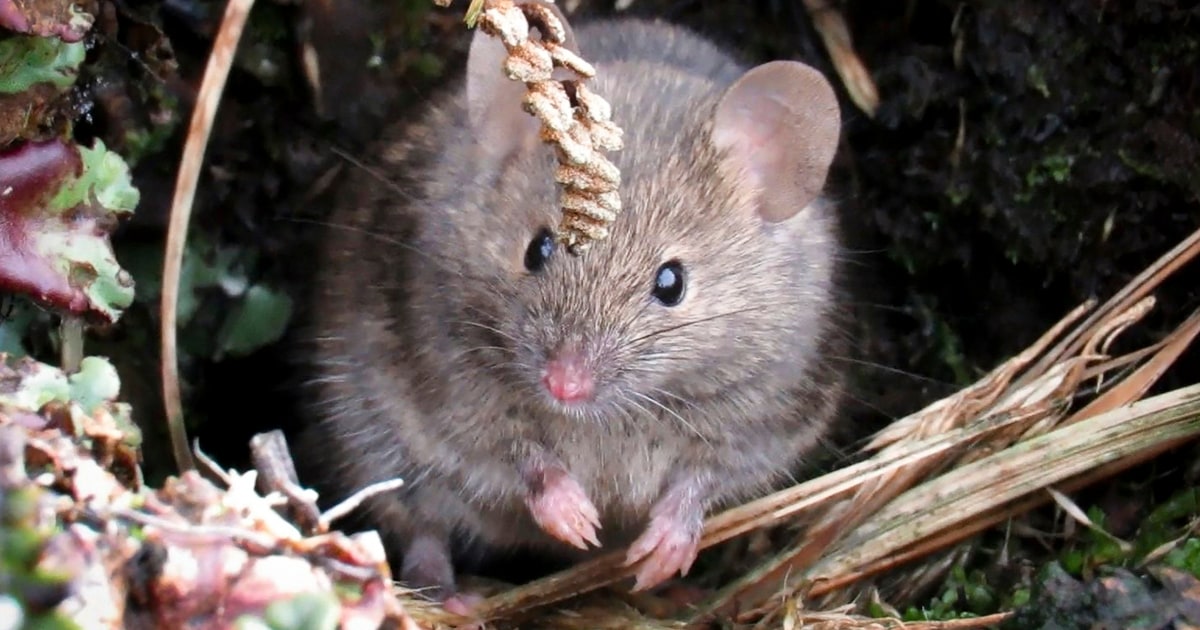
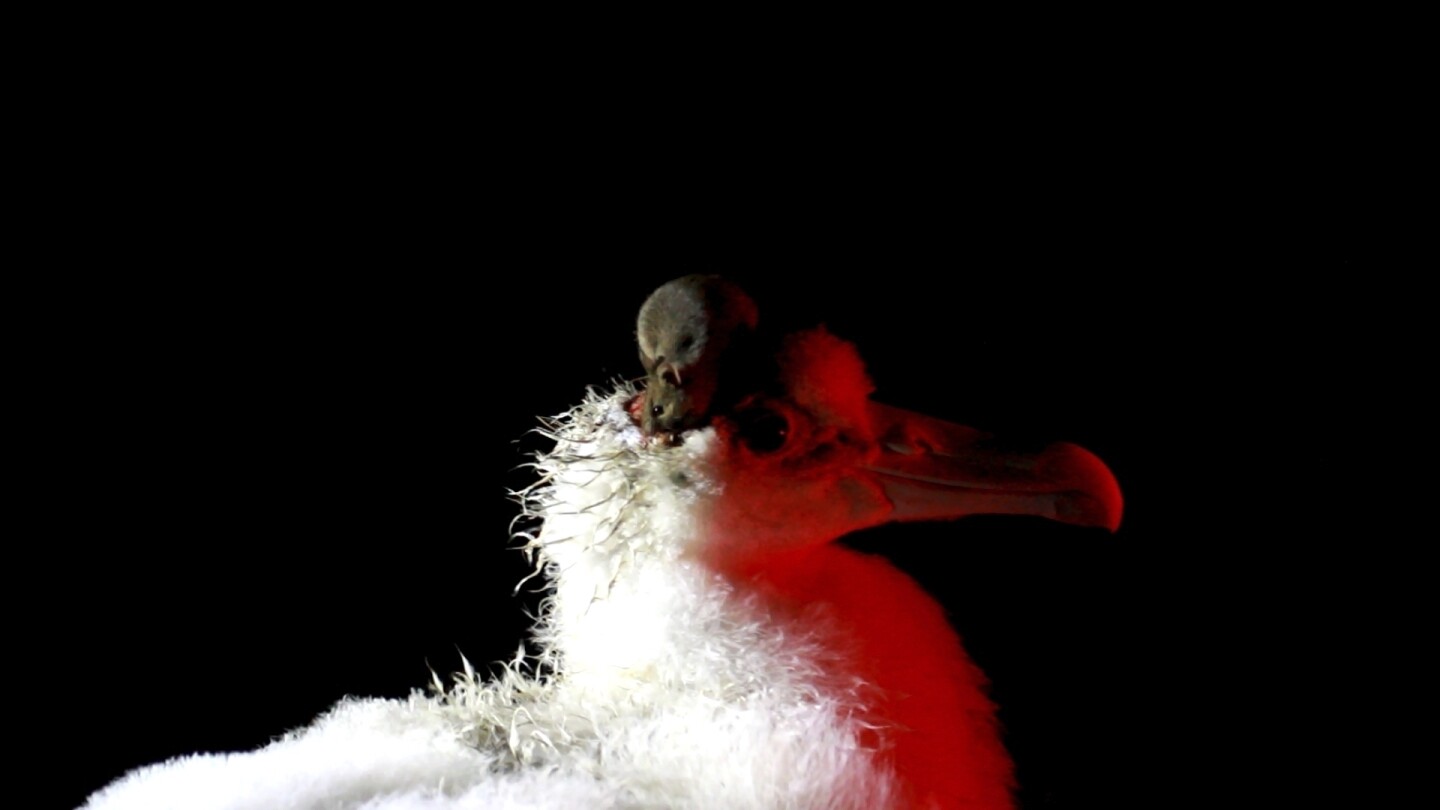
Mice introduced to Marion Island near Antarctica 200 years ago are now breeding out of control due to climate change, posing a threat to seabirds and unique biodiversity. Conservationists are planning a mass extermination using helicopters and rodent poison to prevent the potential loss of 19 seabird species. The eradication project, set for 2027, aims to preserve the island's ecology and is a critical conservation effort in the face of rising temperatures and the mice's devastating impact.

environment1 year ago

"Warming Island's Mouse Infestation Threatens Seabird Population: Extermination Plan in Motion"

Mice introduced to Marion Island near Antarctica 200 years ago are now breeding out of control due to climate change, posing a threat to the island's unique biodiversity, particularly seabirds. Conservationists are planning a mass extermination using helicopters and rodent poison to prevent the potential loss of 19 seabird species. The eradication project, set for 2027, aims to preserve the island's ecology and is a critical step in protecting the uninhabited South African territory and the wider Southern Ocean.

environment1 year ago

"Alarming Levels of Microplastic Ingestion Found in Antarctic Seabirds"

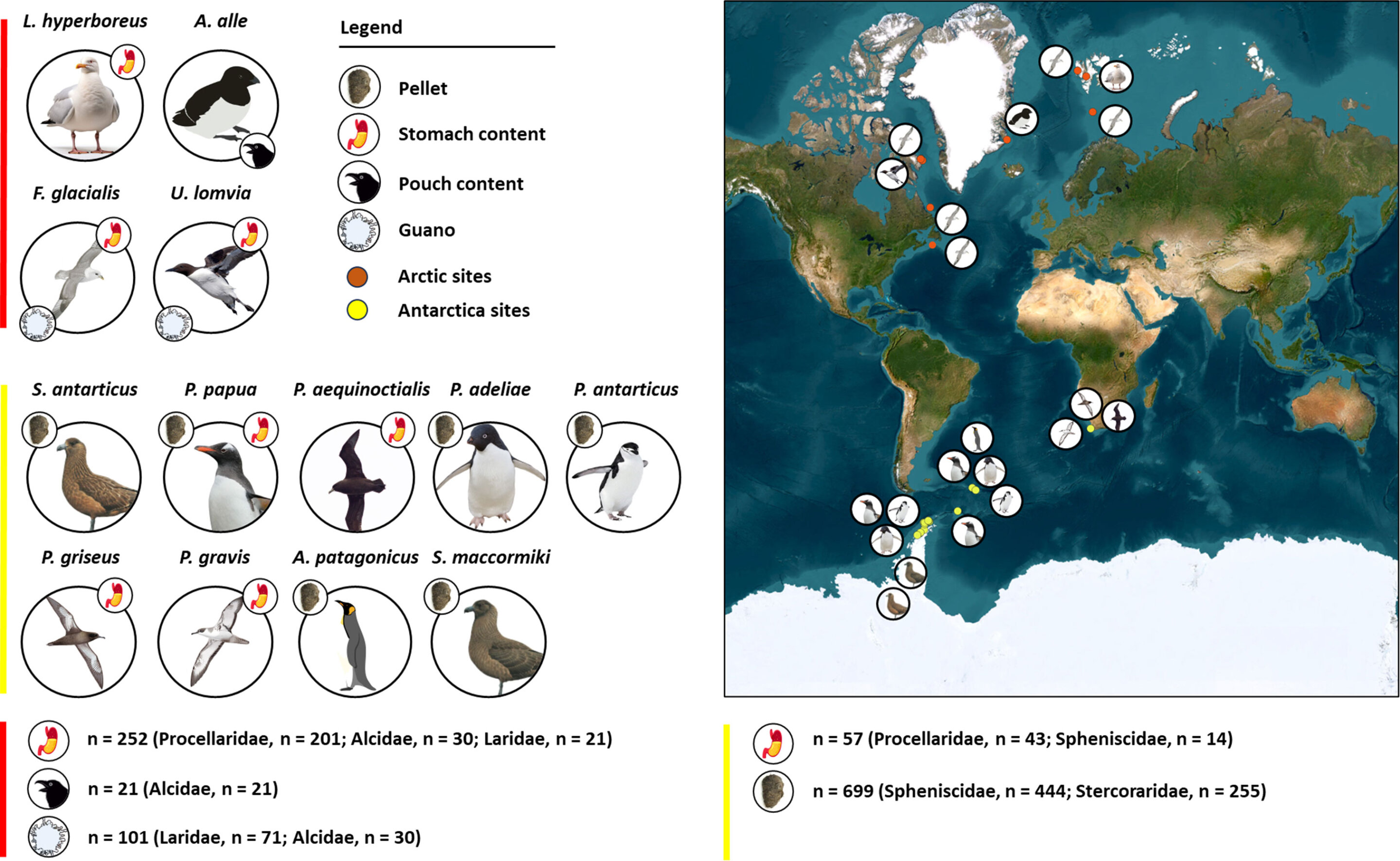
A review of 40 years of research into seabird ingestion of microplastics in the polar regions reveals that 97% of sampled Antarctic seabirds have ingested microplastics, with at least 1 microplastic particle found in 90% of Arctic samples. The study identified 14 polymer types, with polyethylene being the dominant form, and highlighted the potential impacts on seabirds, including blockage of their gastrointestinal tract, toxicity, and oxidative stress. The findings underscore the pervasive reach of plastic pollution in the polar ecosystems and the urgent need for stricter conservation measures to mitigate environmental stressors in these regions.

environment1 year ago

"Pirate of the Seas: Great Skua Population Plummets Due to Bird Flu Outbreak"

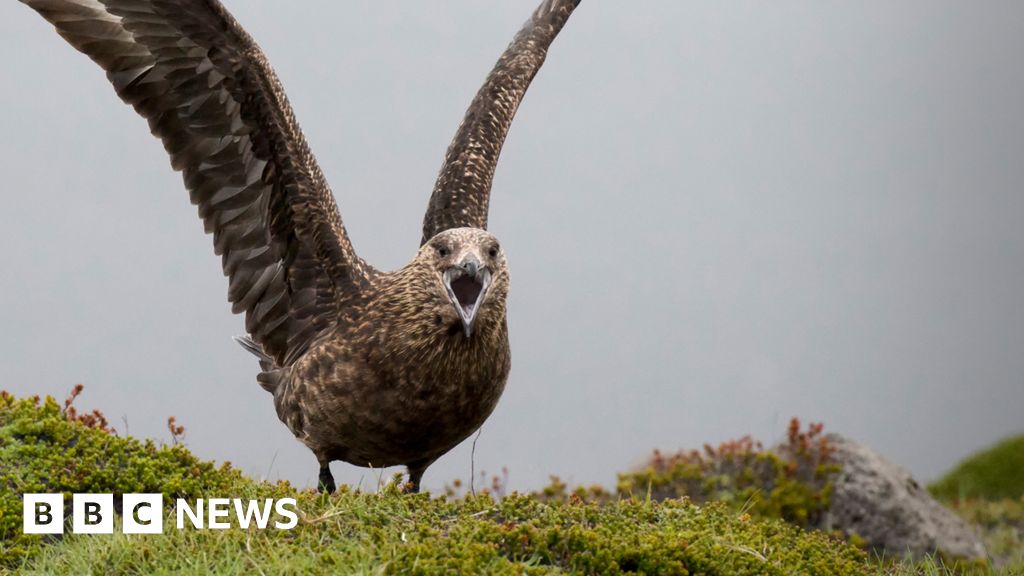
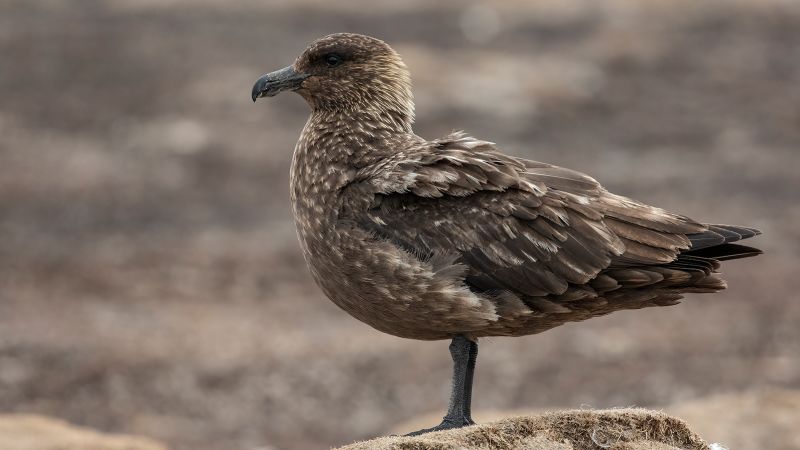
The RSPB reports a significant decline in the populations of Great Skuas, Gannets, and Roseate Terns due to avian flu, with Great Skuas experiencing a 76% decrease. The H5N1 strain of avian flu caused mass mortalities of wild birds in 2021-2022, posing a major conservation threat to multiple seabird species. The decline in UK seabird populations is compounded by other threats such as climate change, fishing-related mortality, offshore wind developments, and food availability. The RSPB emphasizes the need for long-term vigilance and conservation efforts to protect these vulnerable seabird populations.

environment2 years ago

Avian Allies: How Feathered Friends Aid Coral Reefs in Climate Crisis

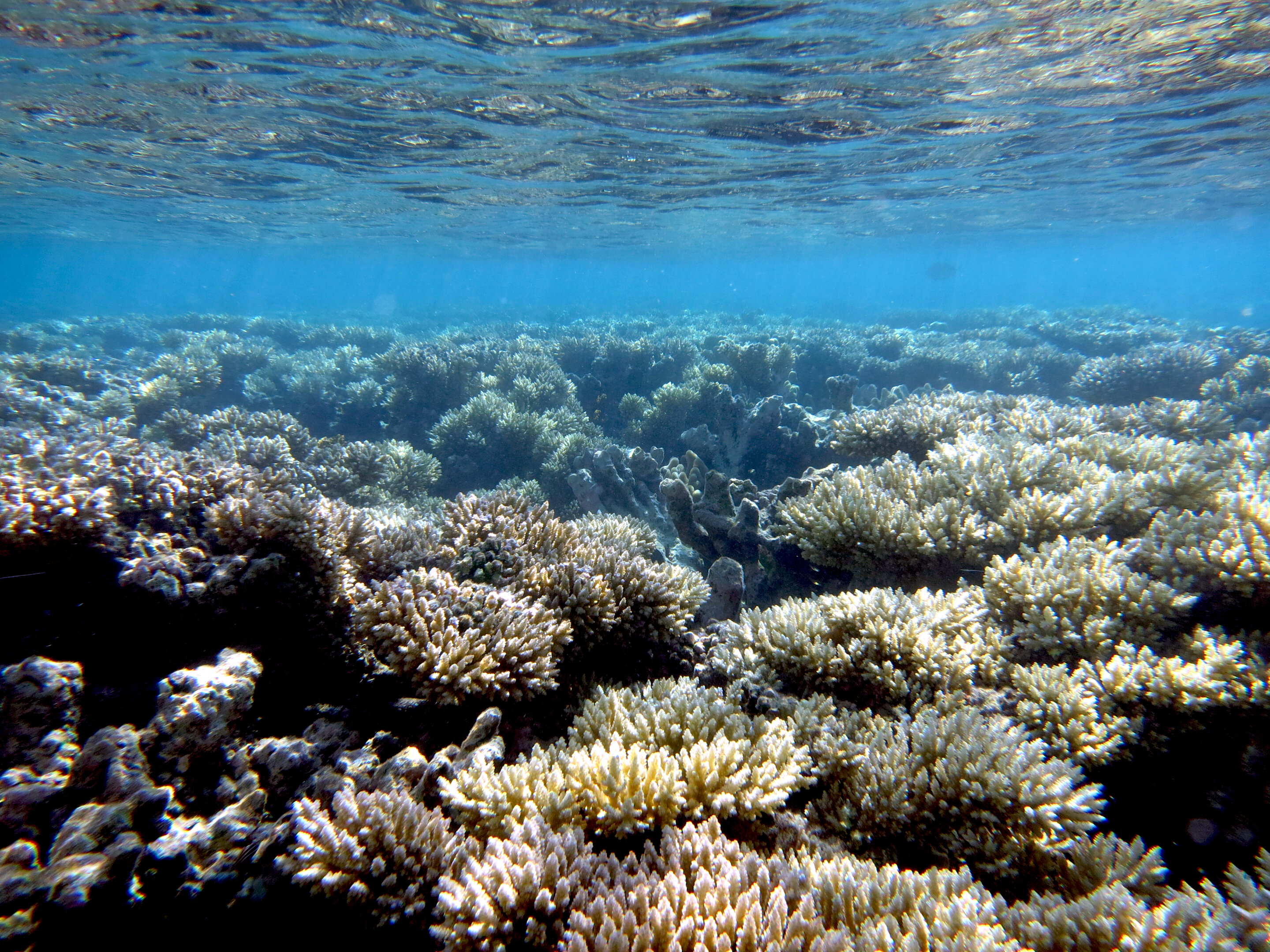
A study led by Lancaster University has found that the presence of seabirds on islands adjacent to tropical coral reefs can significantly boost coral growth rates and enhance their resilience to bleaching events caused by warming seas. The researchers discovered that Acropora coral near seabird colonies recovered from bleaching events approximately 10 months faster compared to reefs located away from seabird colonies. The key to this faster recovery is the nutrient-rich droppings of seabirds, which fertilize corals and other marine species. The study highlights the importance of restoring seabird populations and eradicating invasive species, such as rats, to support the long-term health and recovery of coral reefs in the face of climate change.

health2 years ago

Bird Flu Reaches Antarctica, Threatening Penguins and Birds

The British Antarctic Survey has confirmed the first cases of bird flu in seabirds in the Antarctic, raising concerns about the rapid spread of the disease among dense colonies of birds and mammals. The birds are believed to have carried the Highly Pathogenic Avian Influenza (HPAI) virus on their return from migration to South America. Experts had previously warned of the risk of the virus spreading southward from South America to Antarctica due to the spring migration of wild birds. The presence of over 100 million breeding birds and other wildlife in the region increases the potential for efficient virus transmission.