Scientists observed a baby white-necked jacobin hummingbird in Panama mimicking a poisonous caterpillar to deter predators, marking the first clear record of caterpillar-like mimicry in a hummingbird, which may help it survive in predator-rich tropical forests.
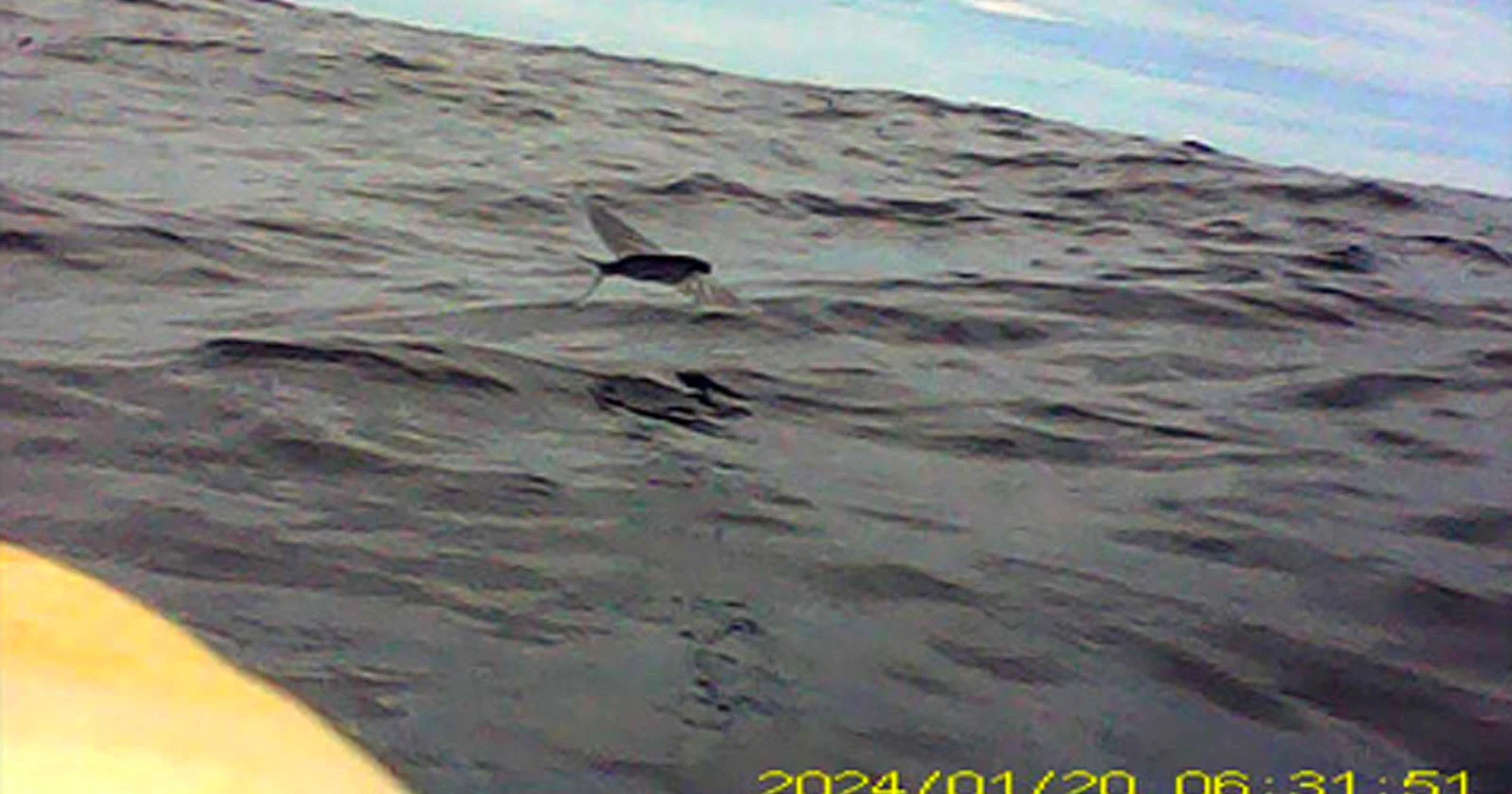
Scientists attached tiny cameras to red-footed boobies in the Indian Ocean, capturing the first-ever footage of seabirds catching flying fish mid-air, revealing new insights into their hunting behavior and adaptation to wind conditions.
A safari guide in South Africa captured rare footage of a hornbill engaging in 'anting,' a behavior where birds allow ants to crawl over them to help remove parasites. This process, which involves either passive or active interaction with ants, is believed to aid in parasite control, feather maintenance, and possibly self-stimulation. The footage, shared by Umkumbe Bush Lodge, highlights the unique relationship between birds and ants, with formic acid from ants playing a key role in deterring avian parasites.
Biologists have recently begun studying the phenomenon of birds consuming feces, a behavior observed in various wild avian species. This behavior, which has been largely overlooked, could play a crucial role in maintaining avian health and resilience. Research suggests that eating feces may help rebalance good bacteria in bird guts and provide essential nutrients, particularly during times of high resource demand or scarcity. However, further detailed investigations are needed to fully understand the potential benefits of feces consumption in different life stages and environmental contexts.
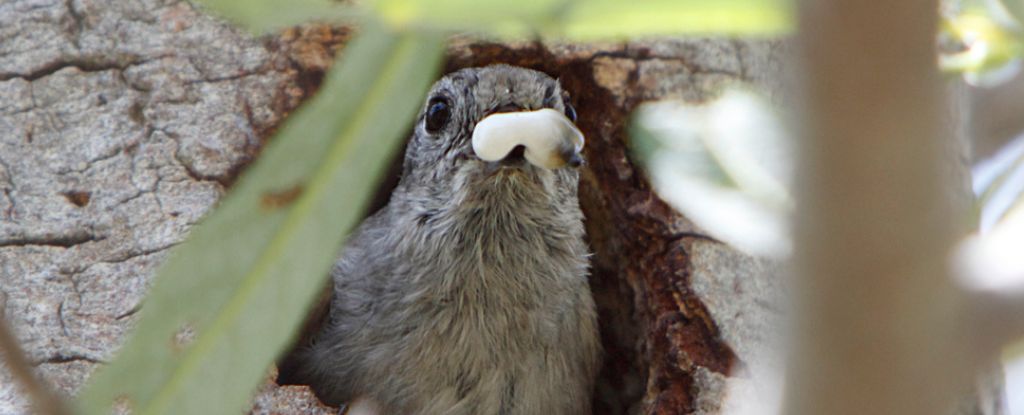
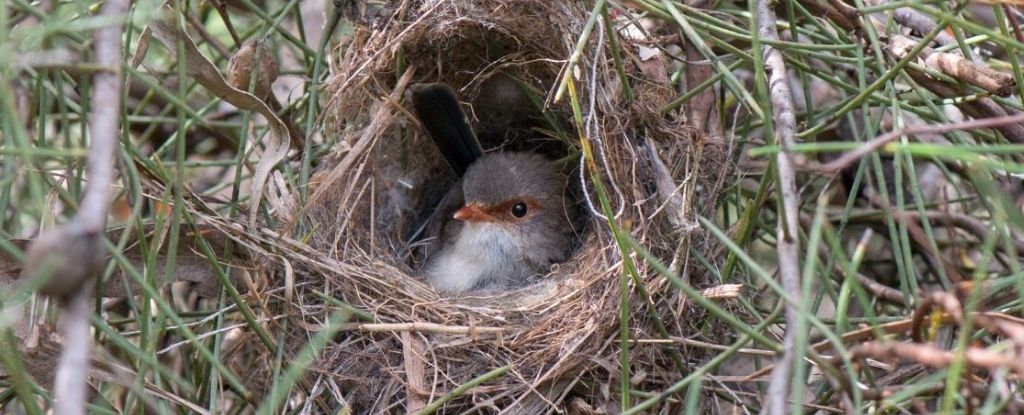
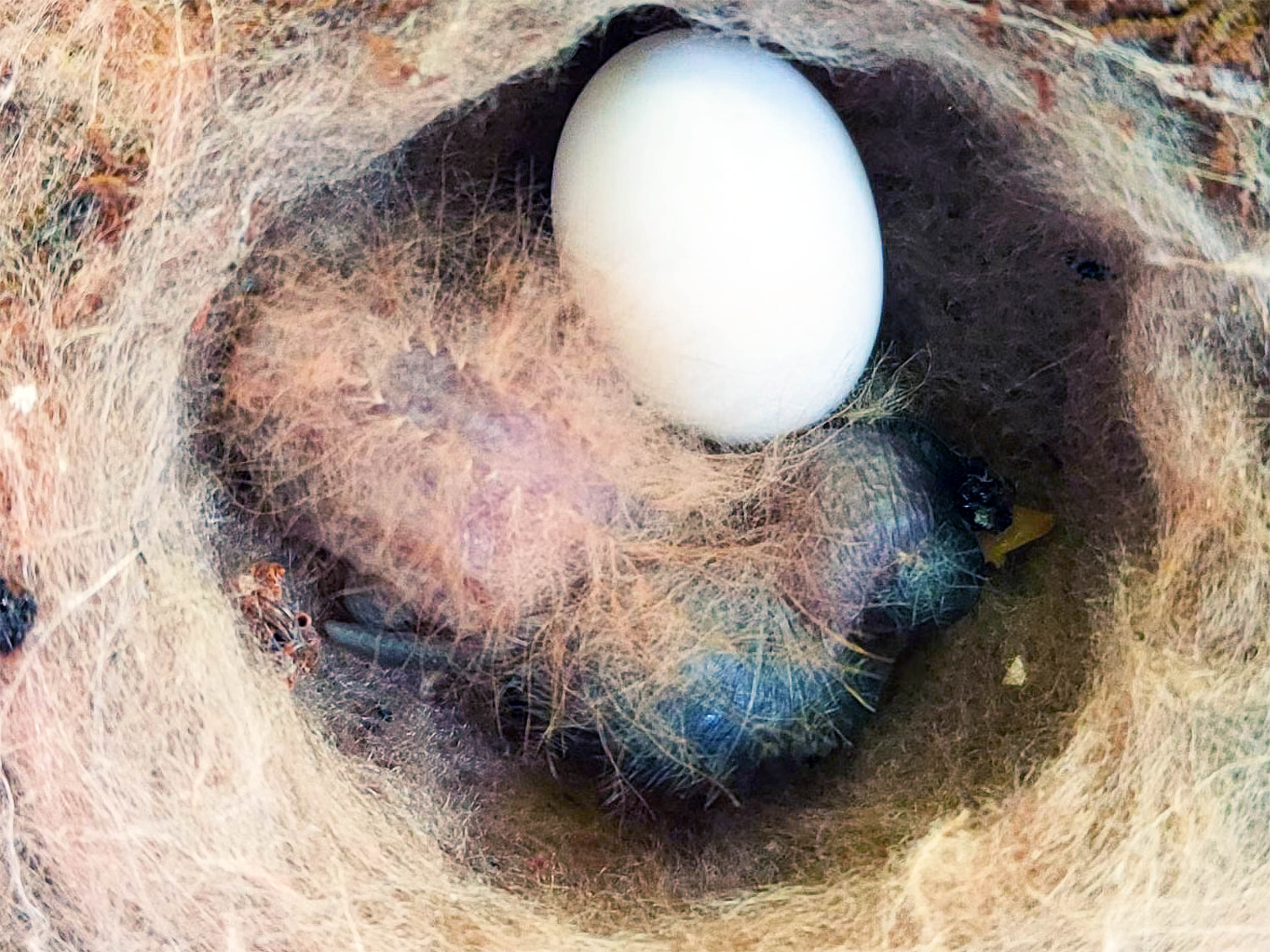
Female fairywrens in Australia have been discovered singing to their unhatched eggs, and their offspring learn and repeat parts of these songs after hatching. This behavior has been observed in eight related species and suggests that female birdsong is not an evolutionary mistake but serves an important purpose. The study sheds light on the role of maternal behavior and in ovo learning in avian evolution, challenging historical assumptions about female birdsong and providing insights into the cultural transmission of traits in bird populations.
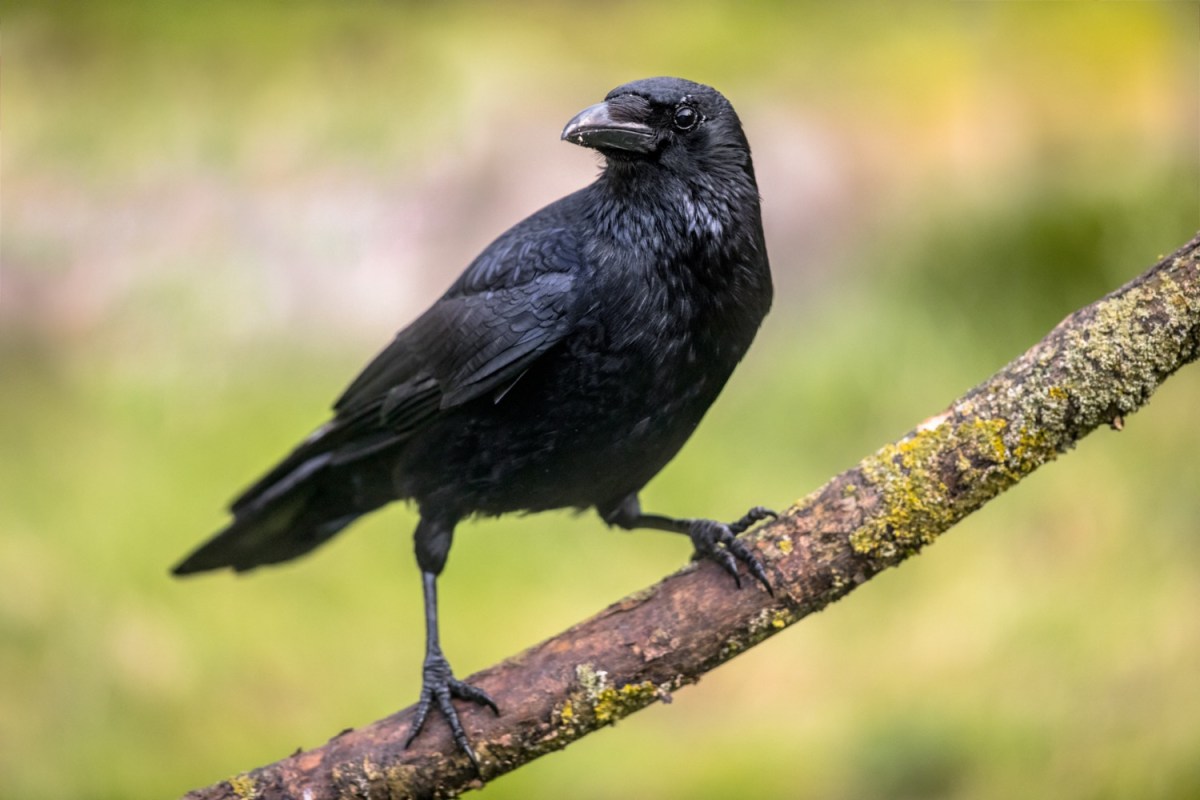
Carrion crows and Eurasian magpies have been observed using anti-bird spikes as materials for their nests, strategically positioning them to potentially defend against predatory birds. These metal pins, typically used to deter birds, serve to secure twigs and support the nest structure. This behavior highlights the adaptability of birds in utilizing man-made materials for nest construction, as seen in previous instances such as the Australian 'Parkdale Pigeon' nesting on top of anti-bird spikes.