Tag

British Antarctic Survey

All articles tagged with #british antarctic survey

environment1 year ago

"Rare 2000-Year Event: Thwaites Glacier Melting Rapidly"

Researchers from the British Antarctic Survey have found that the recent loss of Antarctic sea ice, which is ten times the size of the UK, is a one-in-2,000-year event, significantly influenced by climate change. Using the CMIP6 climate dataset and 18 different climate models, they determined that such a sharp reduction in sea ice is extremely rare. The study also indicates that it could take over twenty years for the sea ice to recover, with profound impacts on local and global weather and ecosystems.

environment1 year ago

"Rare 2000-Year Event: Warm Water Melting Antarctic Ice Shelves"

Researchers from the British Antarctic Survey have found that the recent loss of Antarctic sea ice, which is ten times the size of the UK, is a one-in-2,000-year event exacerbated by climate change. Using the CMIP6 climate dataset and 18 different climate models, they determined that the record low sea ice levels in 2023 were extremely rare and unlikely without climate change. The study also indicates that it could take over twenty years for the sea ice to partially recover, with significant impacts on global weather and Southern Ocean ecosystems.

nature1 year ago

"Trillion-Tonne Iceberg A23a Spins in Spectacular 360° Twirl as it Drifts from Antarctica"

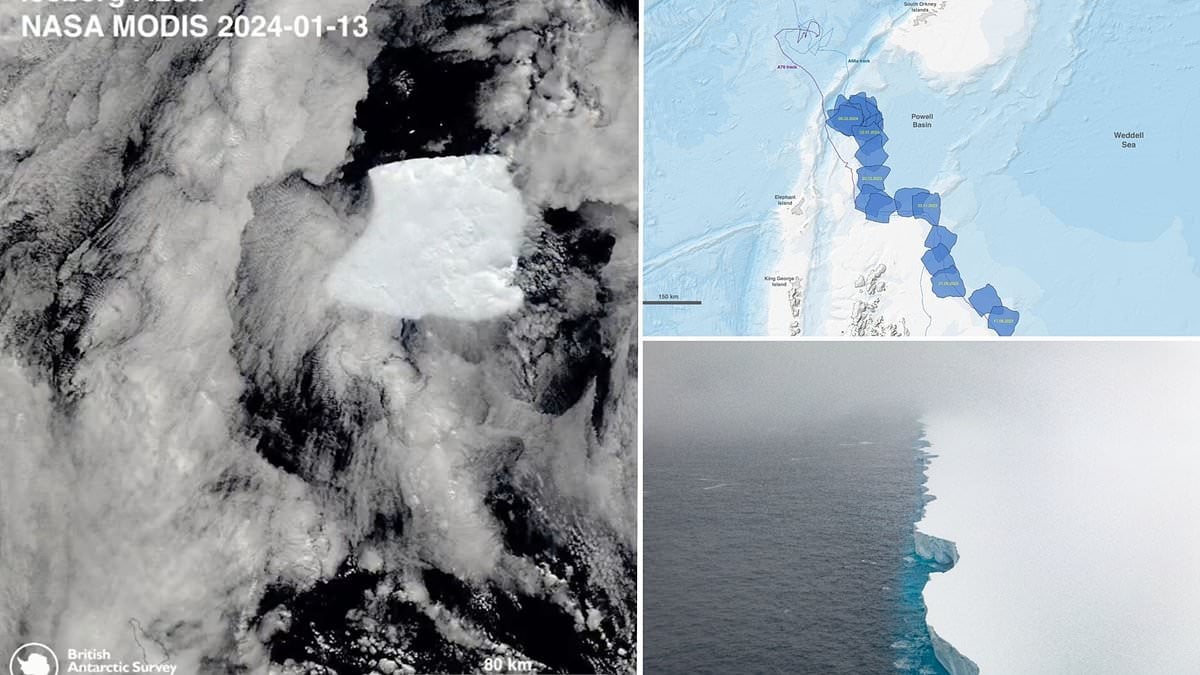
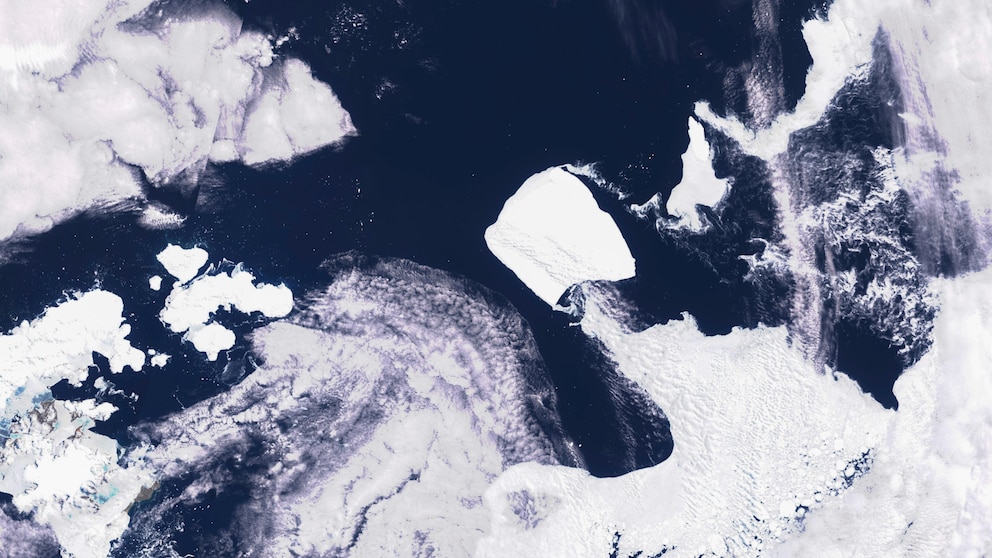
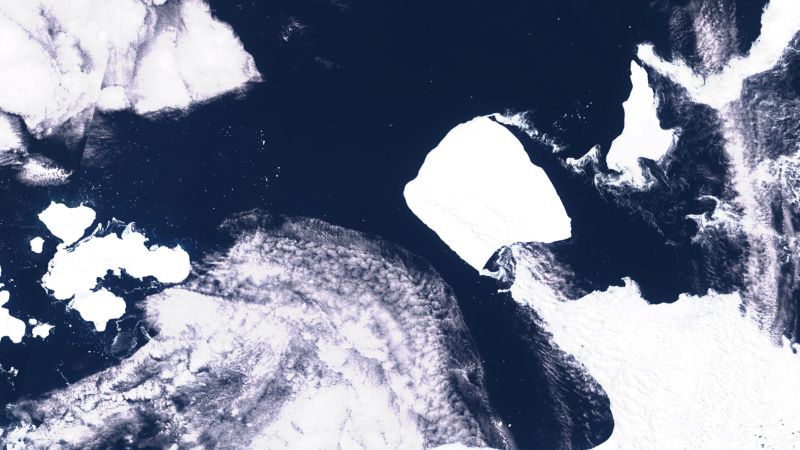
The world's largest iceberg, A23a, has been observed doing a 360° spin off the coast of Antarctica as it makes its way through "Iceberg Alley". Measuring 400 meters in height and covering an area of 4,000 square kilometers, the iceberg was captured twirling by NASA satellites. Scientists are studying its impact on the polar region's ecosystem and carbon balance, collecting seawater samples to understand its influence. A23a was calved in 1986 and recently became mobile after being grounded for 40 years, and it briefly lost its title as the largest iceberg in 2021.

environment1 year ago

"Trillion-tonne Iceberg A23a Completes Perfect Spin in Antarctica"

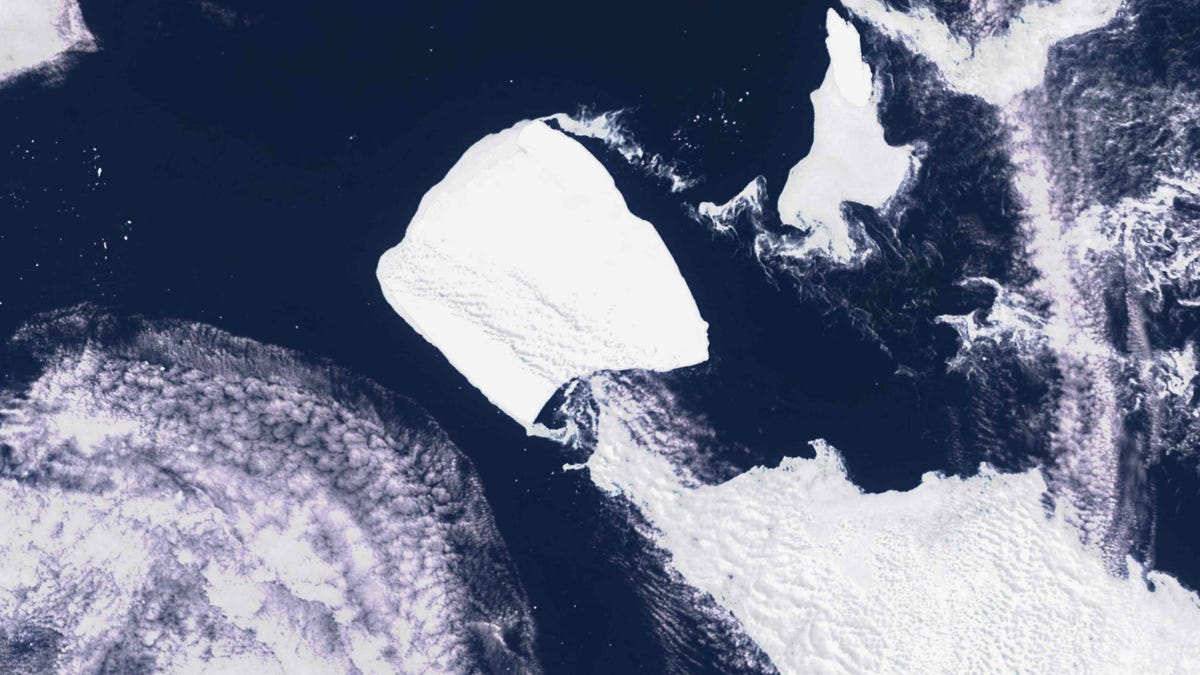
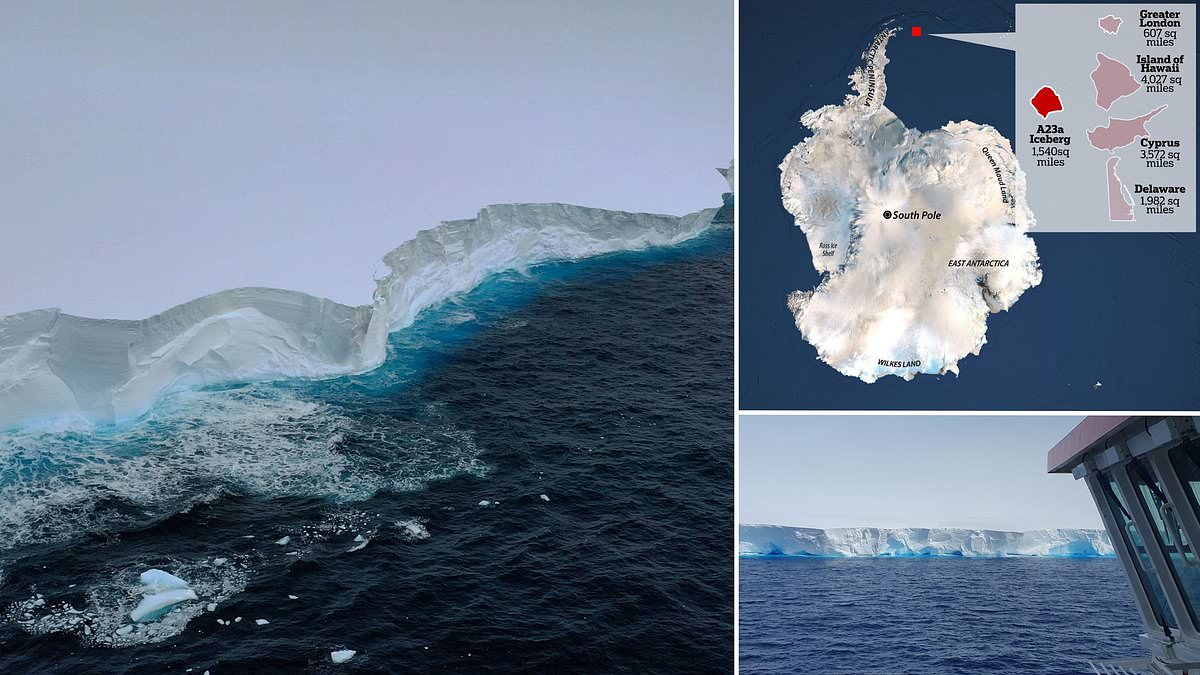
The world's largest iceberg, A23a, has completed a pirouette as it moves towards the Southern Ocean, spinning more than 360 degrees just north of the Antarctic Peninsula. The iceberg, about the size of Greater London, is gradually eroding and melting due to warmer waters as it travels north at a rate of about 30 miles per day. A23a, which had been grounded for 30 years, is being swept along 'iceberg alley' and is currently the largest iceberg in the world, but it is expected to eventually fragment. If it reaches South Georgia, it could potentially disrupt wildlife feeding routines.

science-and-environment1 year ago

"Massive Iceberg A23a Spins and Moves After Breaking Free from Antarctica"

The world's largest iceberg, A23a, roughly the size of Delaware, has begun moving after being stuck on the ocean floor for four decades, and researchers have observed it spinning in a circle. Measuring about 1,500 square miles, the iceberg is on a journey into warmer waters, and its movements are being closely monitored by scientists. This event highlights the interconnectedness of our global environment and the urgency to understand and protect our planet's polar regions in the face of climate change.

science1 year ago

"Trillion-tonne Iceberg A23a Breaks Free and Spins, Alarming Scientists"

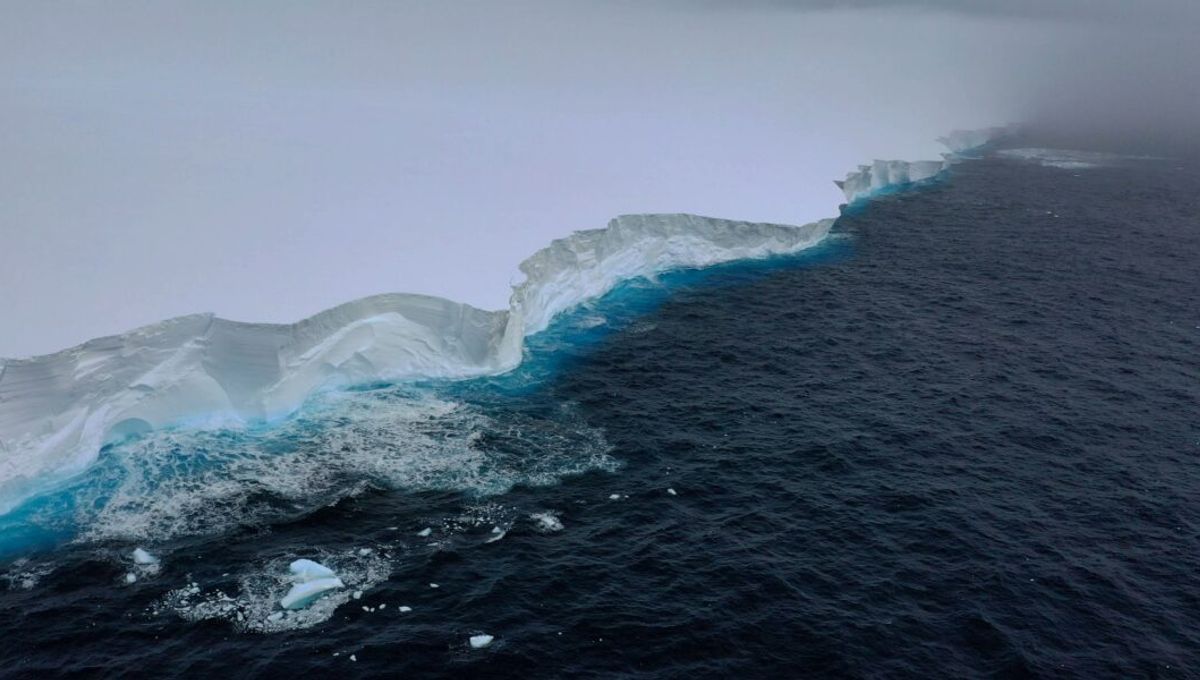
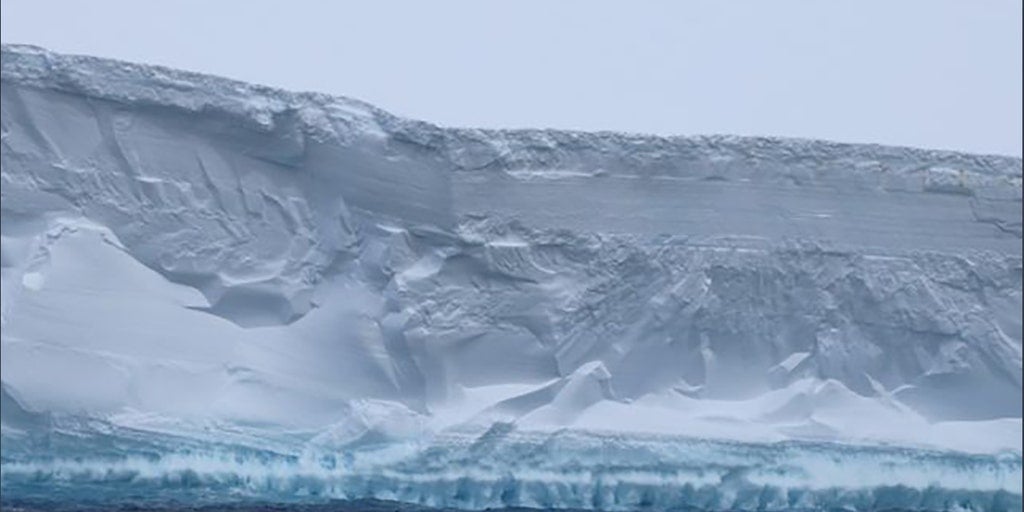
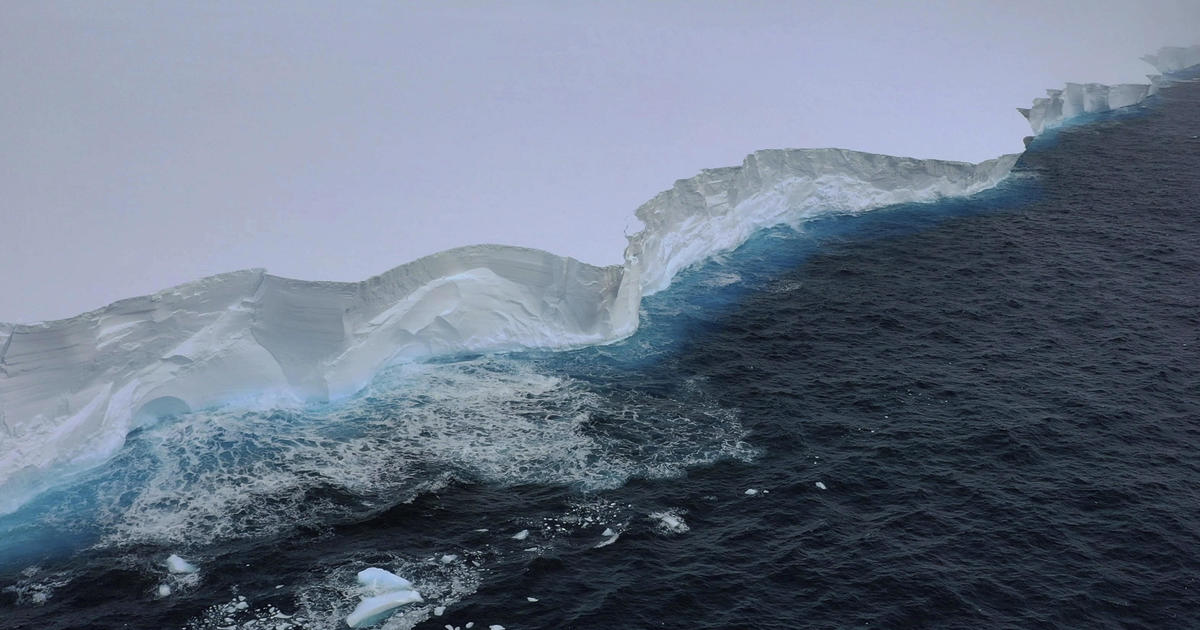
The trillion-tonne iceberg A23a, the world's largest, has completed a spin near the Antarctic Peninsula and is expected to be swept away into the Southern Ocean soon. A23a, which broke off from the Antarctic coast in 1986, has been slowly drifting northward and is now poised to enter the powerful Antarctic Circumpolar Current. Recent images show the iceberg wasting at its edges, with waves cutting into its walls and forming smaller "bergy bits" and "growlers" as it journeys into rougher and warmer waters.

earth-and-environment2 years ago

"Rapid Erosion: New Animation Reveals Earth's Largest Iceberg's Last Voyage"

Scientists at British Antarctic Survey are using satellite images to track the colossal iceberg A23a as it moves north out of the Weddell Sea, with a new animation showing its trajectory alongside previous large icebergs A68 and A76a. The iceberg, which calved from the Filchner Ice Shelf in 1986, was recently observed by scientists aboard RRS Sir David Attenborough, who collected seawater samples from the area. The animation has been compiled from Copernicus Sentinel-3 satellite imagery, providing valuable insights into the iceberg's movement.

health-environment2 years ago

"Antarctic Mammals Affected by Unprecedented Bird Flu Outbreak"

An unprecedented and highly contagious bird flu outbreak in the sub-Antarctic has spread to mammals, with cases confirmed in elephant and fur seals on South Georgia, posing a significant threat to the region’s fragile ecosystem. The virus, detected in brown skuas in October, has now been found in mammals, raising concerns about potential impact on the unique biodiversity of the area. British officials have suspended fieldwork involving animal contact as a precaution, while global experts warn of the possibility of "efficient virus transmission" in the region.

environment2 years ago

"Massive Iceberg Breaks Free: Astonishing Photos and Encounters with the World's Largest Drifting Iceberg"

The British Antarctic Survey has released a video showcasing the massive iceberg known as A23a, which is 40 miles wide and weighs 1 trillion tons. After being grounded for decades, the iceberg has started moving again across the polar regions of Antarctica's open waters. It broke off from the Filchner Ice Shelf in 1986 and has been slowly picking up speed since 2020. The iceberg will likely be swept along by the current in the South Atlantic as it slowly melts away.

science-and-environment2 years ago

"Research ship captures incredible encounter with world's largest iceberg drifting out of Antarctica"

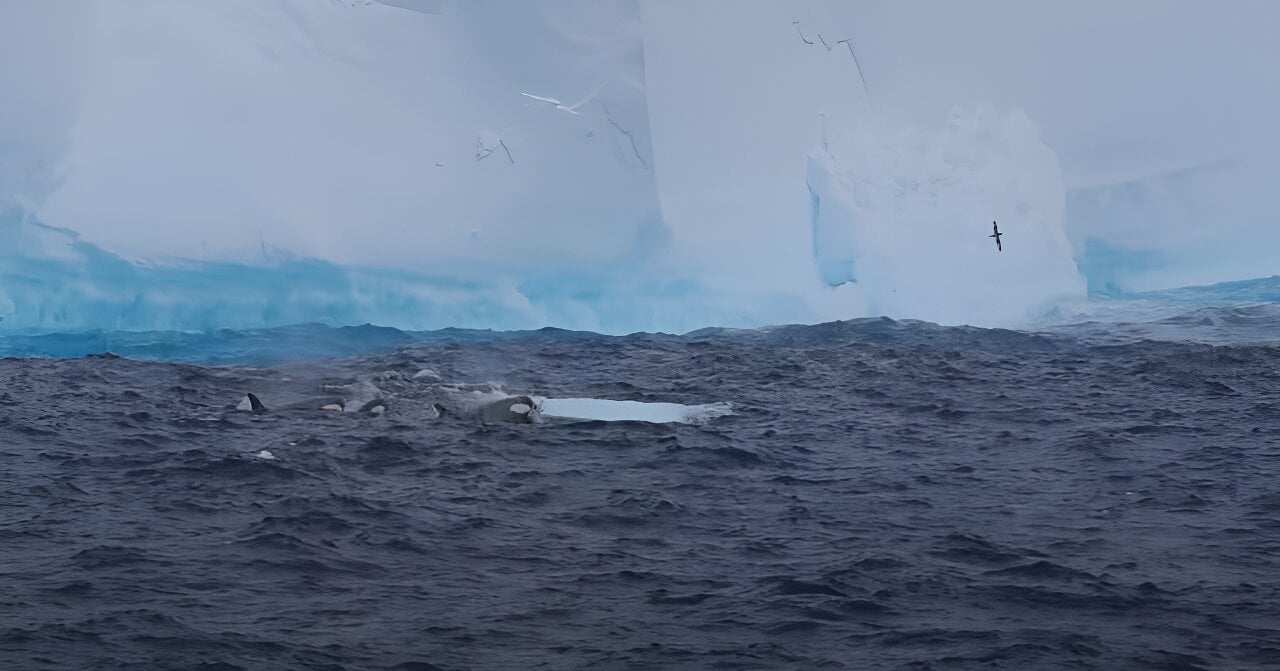
The RRS Sir David Attenborough, a British polar research ship, had an "incredibly lucky" encounter with the world's largest iceberg, A23a, as it drifted out of Antarctic waters. The ship's crew collected seawater samples around the colossal iceberg, which had been grounded for over three decades before recently starting to drift. The iceberg, equivalent to three times the size of New York City, is now likely to be swept along into "iceberg alley" towards South Georgia. Scientists hope to study the impact of icebergs on carbon and nutrient cycles in the ocean to better understand climate change's effects on the Southern Ocean.

environment2 years ago

"Massive 'Megaberg' Breaks Free: Implications for Rising Sea Levels"

Incredible footage captured by the British Antarctic Survey shows the world's largest iceberg, A23a, beginning its journey into the Southern Ocean after being stuck to the ocean floor for 30 years. The iceberg is over twice the size of Greater London and 1,312 feet thick. It is expected to be swept along by the Antarctic Circumpolar Current towards "iceberg alley" and the sub-Antarctic island of South Georgia. Researchers aboard the RRS Sir David Attenborough also took samples from the iceberg to study its impact on the Southern Ocean and its ecosystems, hoping to gain insights into the effects of climate change.

environment2 years ago

Massive Antarctic Iceberg Finally Breaks Free After 30 Years

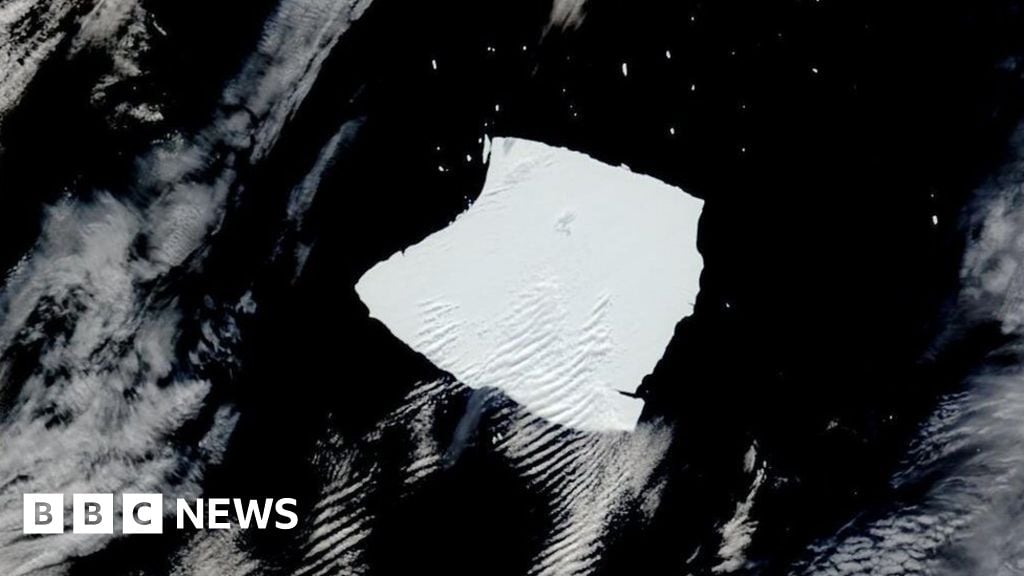
One of the world's largest icebergs, known as A23a, has started drifting beyond Antarctic waters after being grounded for over three decades. The iceberg, measuring around 4,000 square kilometers, had been stuck in the Weddell Sea since splitting from the Filchner Ice Shelf in 1986. Remote sensing experts from the British Antarctic Survey have observed its movement since 2020, and it is now picking up speed and moving towards sub-Antarctic South Georgia, aided by wind and ocean currents. The cause of its release is believed to be a natural progression rather than any specific environmental change.

environment2 years ago

Massive iceberg breaks free after 37 years, poses threat to wildlife

The world's largest iceberg, named A23a, is finally on the move after being grounded on the seafloor in Antarctica for nearly three decades. The iceberg, which is over twice the size of London, broke away from the Filchner-Ronne ice shelf in 1986 and has now likely shrunk enough to lose its grip on the seafloor. Carried by ocean currents, it is expected to head eastward at a rate of five kilometers per day. Scientists note that while this iceberg's movement is part of the natural growth cycle, climate change is causing significant ice loss in Antarctica.