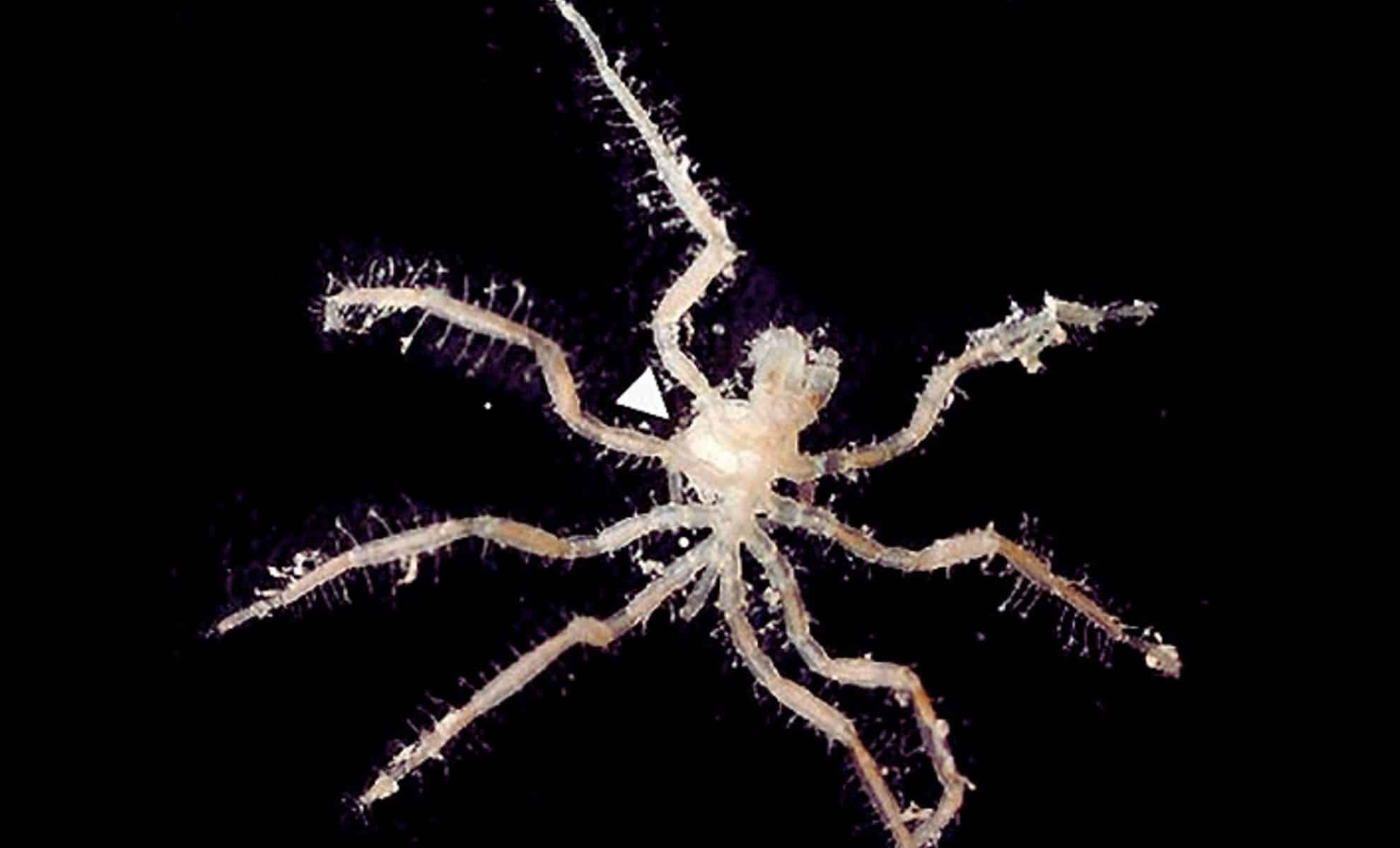
Scientists have discovered that sea spiders in deep California methane seeps thrive by cultivating and grazing on methane-consuming bacteria on their bodies, revealing a unique survival strategy and potential role in reducing methane emissions, with implications for understanding deep-sea microbial ecosystems and climate change mitigation.
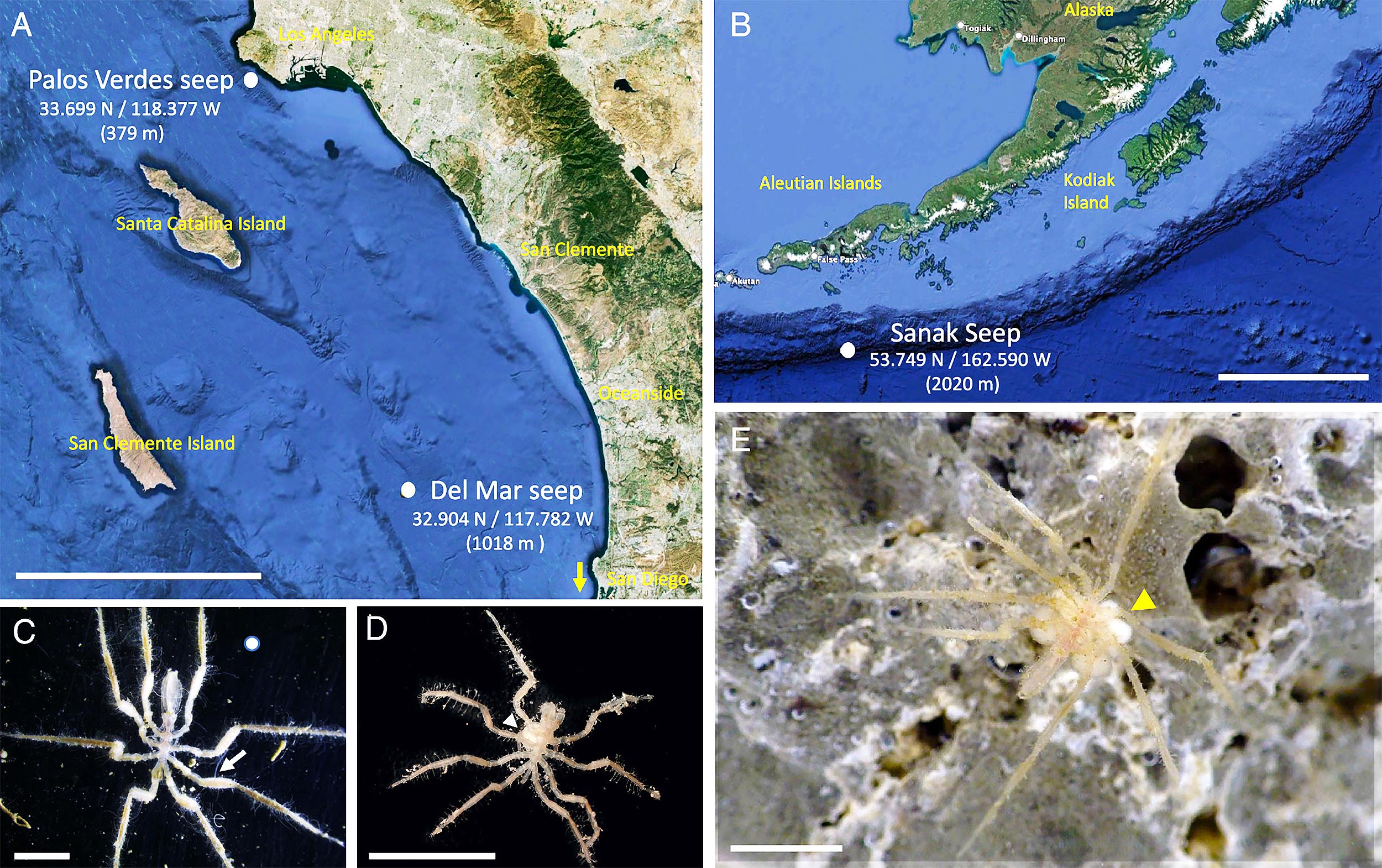
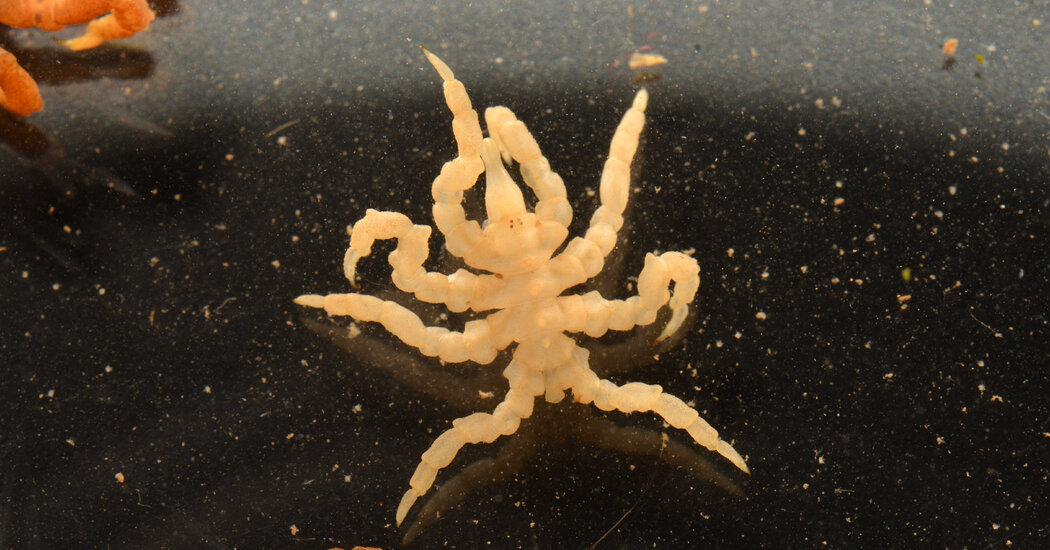
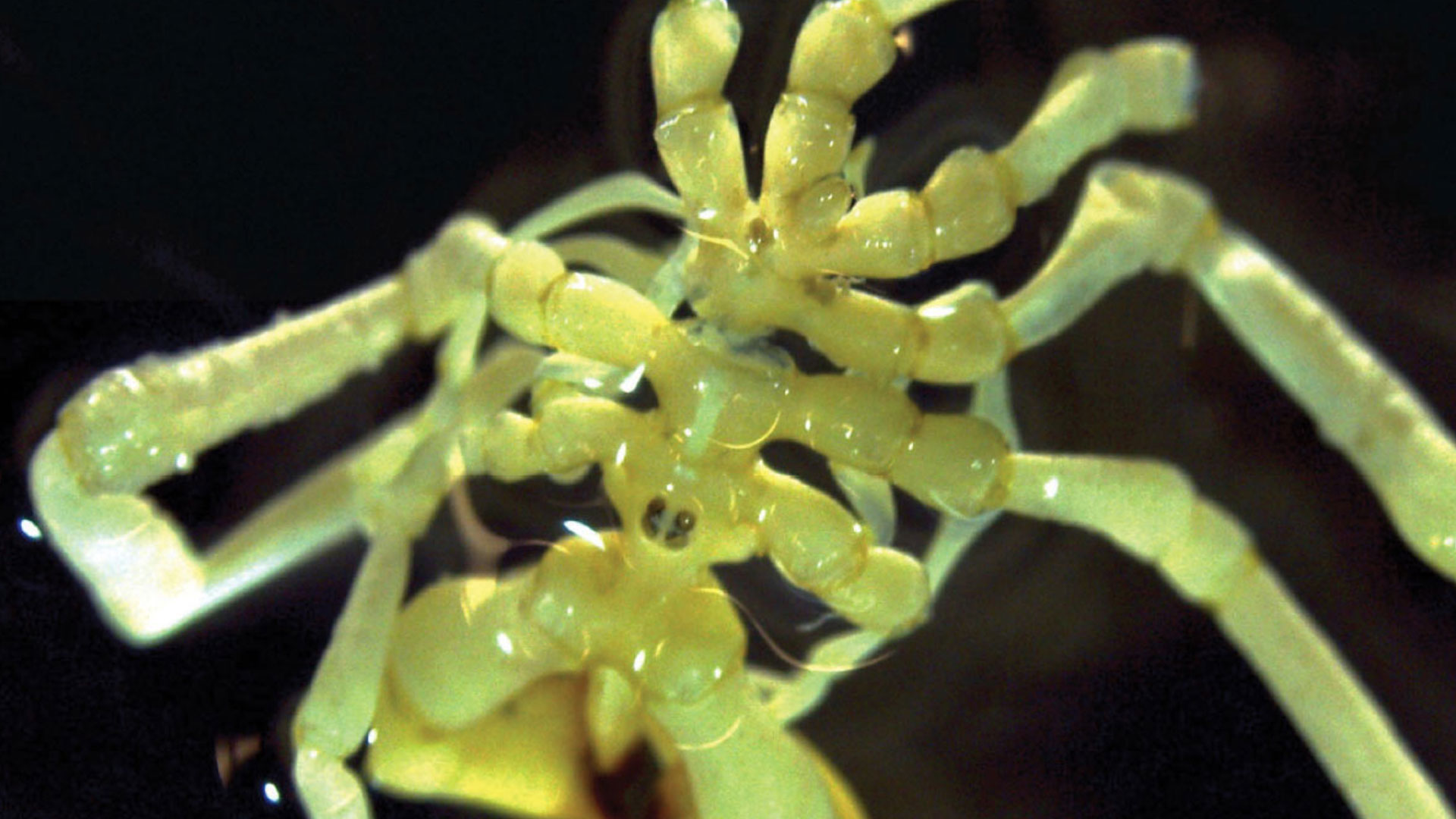
Scientists discovered new sea spiders off Southern California that survive by grazing on bacteria that convert methane into nutrients, revealing a unique deep-sea ecosystem and a potential new pathway in the global carbon cycle. These spiders carry bacteria on their limbs and eggs, which help them process methane, challenging previous assumptions about methane-fed ecosystems and highlighting the importance of preserving such habitats.
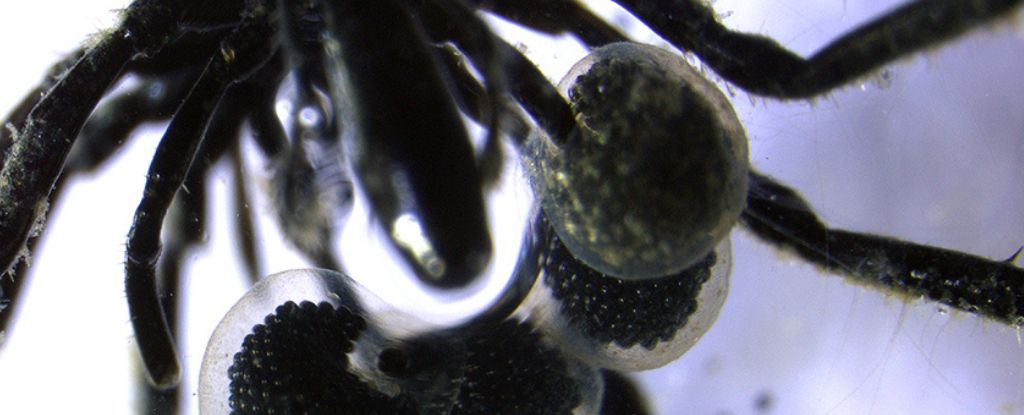
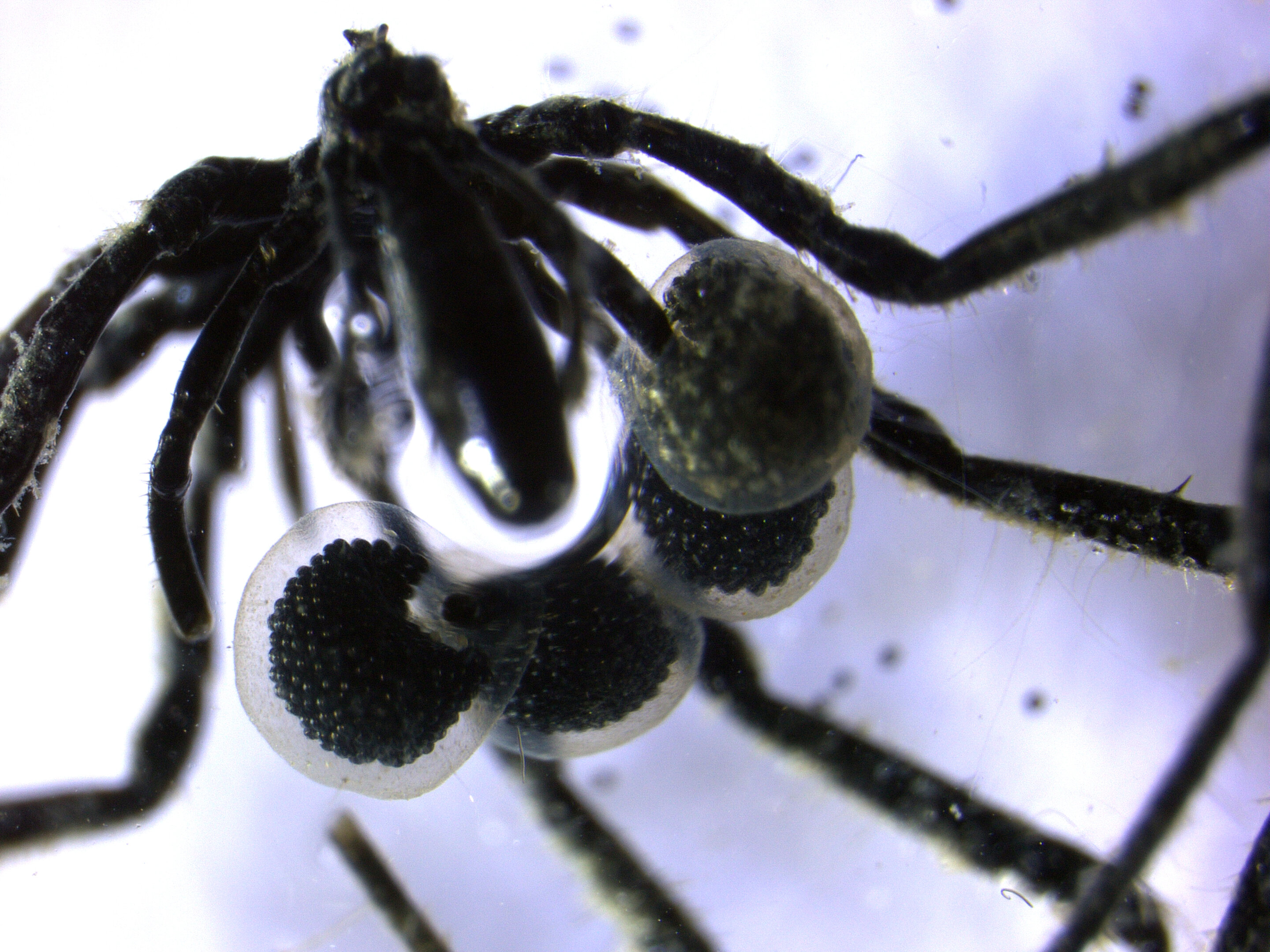
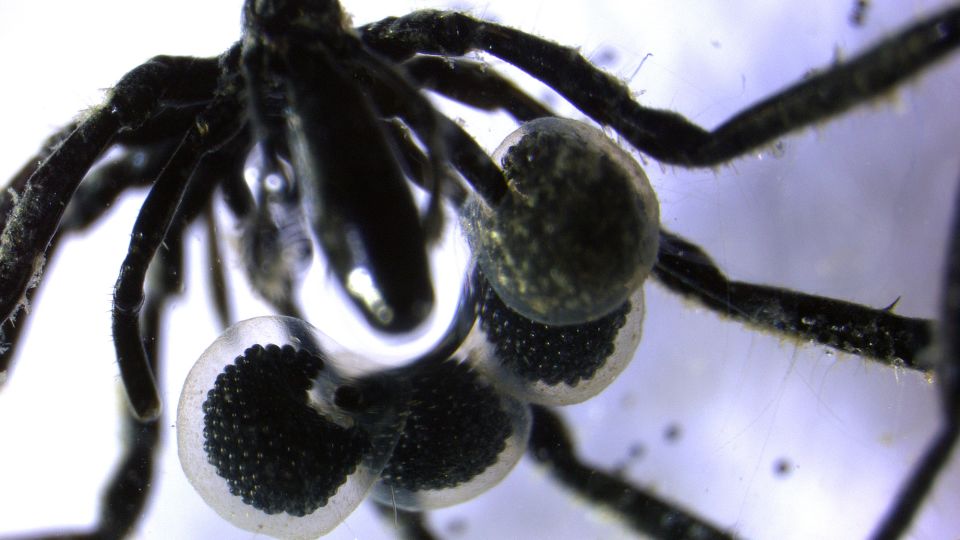
Scientists sequenced the genome of the knotty sea spider and discovered that it lacks a key Hox gene responsible for abdomen development, which may explain why sea spiders have no abdomen and store vital organs in their legs, shedding light on their unique evolutionary path.
Scientists discovered three new species of deep-sea 'spiders' that farm methane-eating bacteria on their bodies, relying on these bacteria for food in the dark, methane-rich environments of ocean seeps, with evidence suggesting bacteria are passed down generations, highlighting unique survival strategies in the deep ocean.
Researchers discovered that deep-sea Sericosura sea spiders cultivate and feed on methane-oxidizing bacteria on their exoskeletons, forming a unique symbiotic relationship that provides them with nutrition in the dark, energy-poor environments of methane seeps.
Scientists have discovered three new species of methane-fueled sea spiders off the US West Coast that rely on bacteria living on their exoskeletons for nutrition, highlighting a unique symbiotic relationship in deep-sea ecosystems that may help mitigate methane release into the atmosphere.
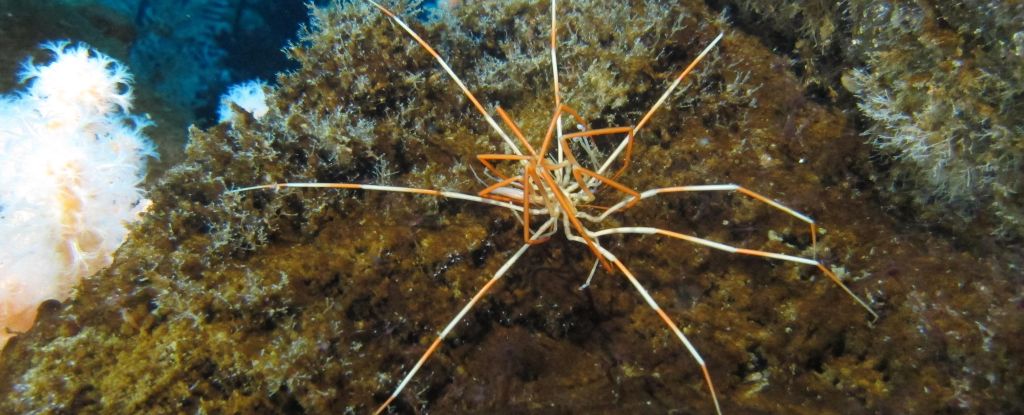
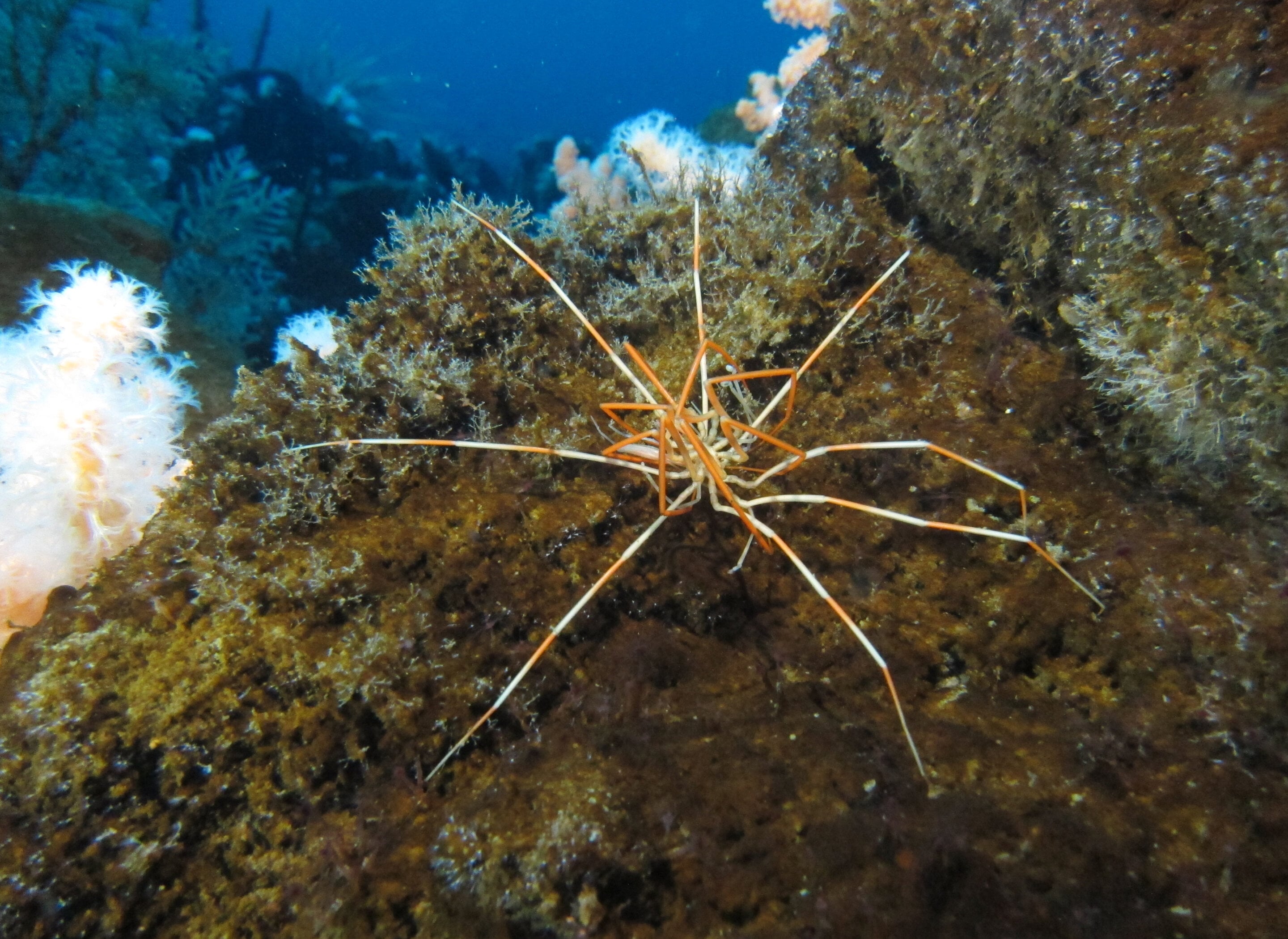
Scientists have finally observed the reproductive behavior of giant Antarctic sea spiders, a species that had eluded study for over 140 years. Unlike other sea spiders, these creatures do not carry their eggs around; instead, the male carefully glues the eggs to the seafloor, where they develop for several months before hatching. This unique strategy, discovered during an expedition to Antarctica, sheds light on the mysterious reproductive habits of these enigmatic creatures and contributes to our understanding of polar gigantism.
After 140 years of mystery, researchers from the University of Hawaiʻi at Mānoa have discovered the reproductive habits of giant sea spiders in Antarctica, revealing that the males attach thousands of eggs to the ocean's rocky bottom before tiny larvae hatch several months later. This unusual method of caring for offspring may provide insight into the evolutionary bridge leading to paternal care in other species. The discovery, published in the journal "Ecology," sheds light on the largely understudied species of sea spiders and could have wider implications for marine life and ocean ecosystems in Antarctica and around the world.
Researchers from the University of Hawaiʻi at Mānoa have uncovered the reproductive mystery of giant Antarctic sea spiders, a phenomenon that has puzzled scientists for over 140 years. The team observed the behavior of these enigmatic creatures during a field research expedition to Antarctica and discovered that the male parent attaches thousands of tiny eggs to the rocky bottom, where they develop for several months before hatching as tiny larvae. This groundbreaking finding sheds light on the reproductive biology of Antarctic marine species and has wider implications for marine life and ocean ecosystems in Antarctica and beyond.
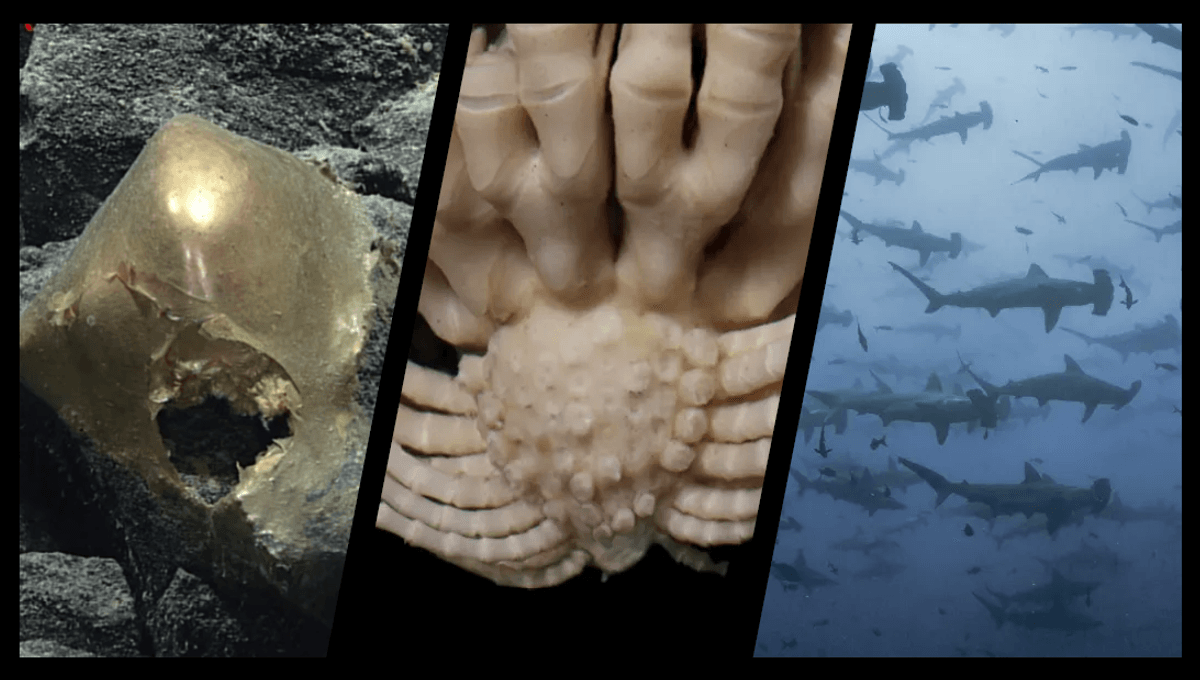
The year 2023 brought a plethora of bizarre animal news, including sea spiders that can regrow complex body parts, the discovery of the cause behind mysterious octagons on the seabed, cartwheeling snakes as a defense mechanism, a new species of alien-like Antarctic feather star, hammerhead sharks gathering in large numbers during the full moon, a strange golden orb found on the seabed off Alaska, three-eyed dinosaur shrimp appearing at Burning Man, tree-dwelling shrimp found in Indonesia, and the rediscovery of a mole species believed to be lost since 1936.
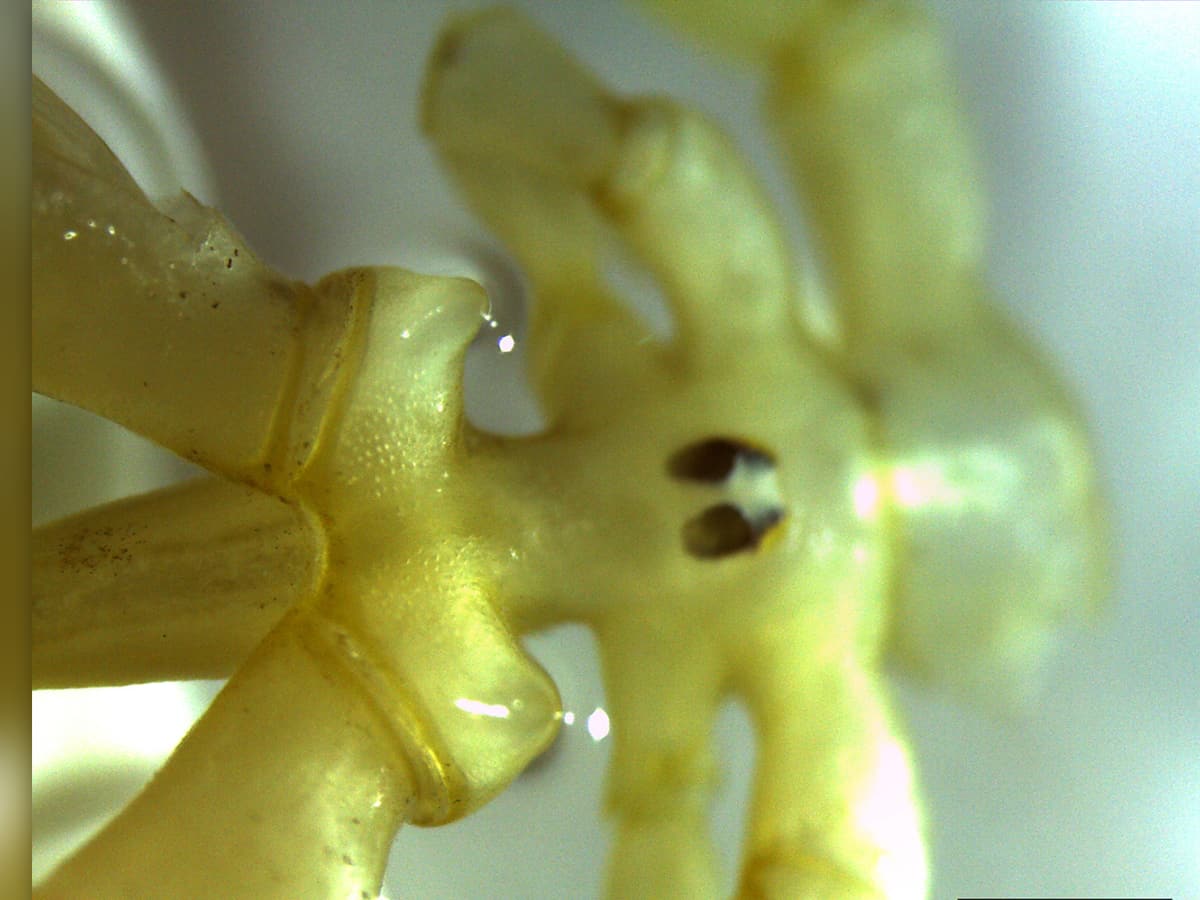
Scientists have discovered a new species of sea spider, Austropallene halanychi, with unique features including "boxing glove" claws, a yellow body color, four near-black eyes, and the ability to breathe through its legs. This distant relative of horseshoe crabs and arachnids also has a peculiar feeding habit using a straw-like proboscis. The species was found off the coast of Antarctica, highlighting the need for further exploration of the benthic environment in the region.
A new species of sea spider, named Austropallene halanychi, has been discovered near Antarctica in the Ross Sea. This yellow creature has large claws and breathes through its legs. It also has a unique tubular proboscis for feeding and distinctive chelifores with large claws. The specimen, collected in 2013, is larger than typical sea spiders and has been classified as a brand new species. Sea spiders are arthropods found worldwide, with leg spans ranging from 0.04 inches to over 2.3 feet. They are not true spiders or arachnids and use their legs for breathing and mating.
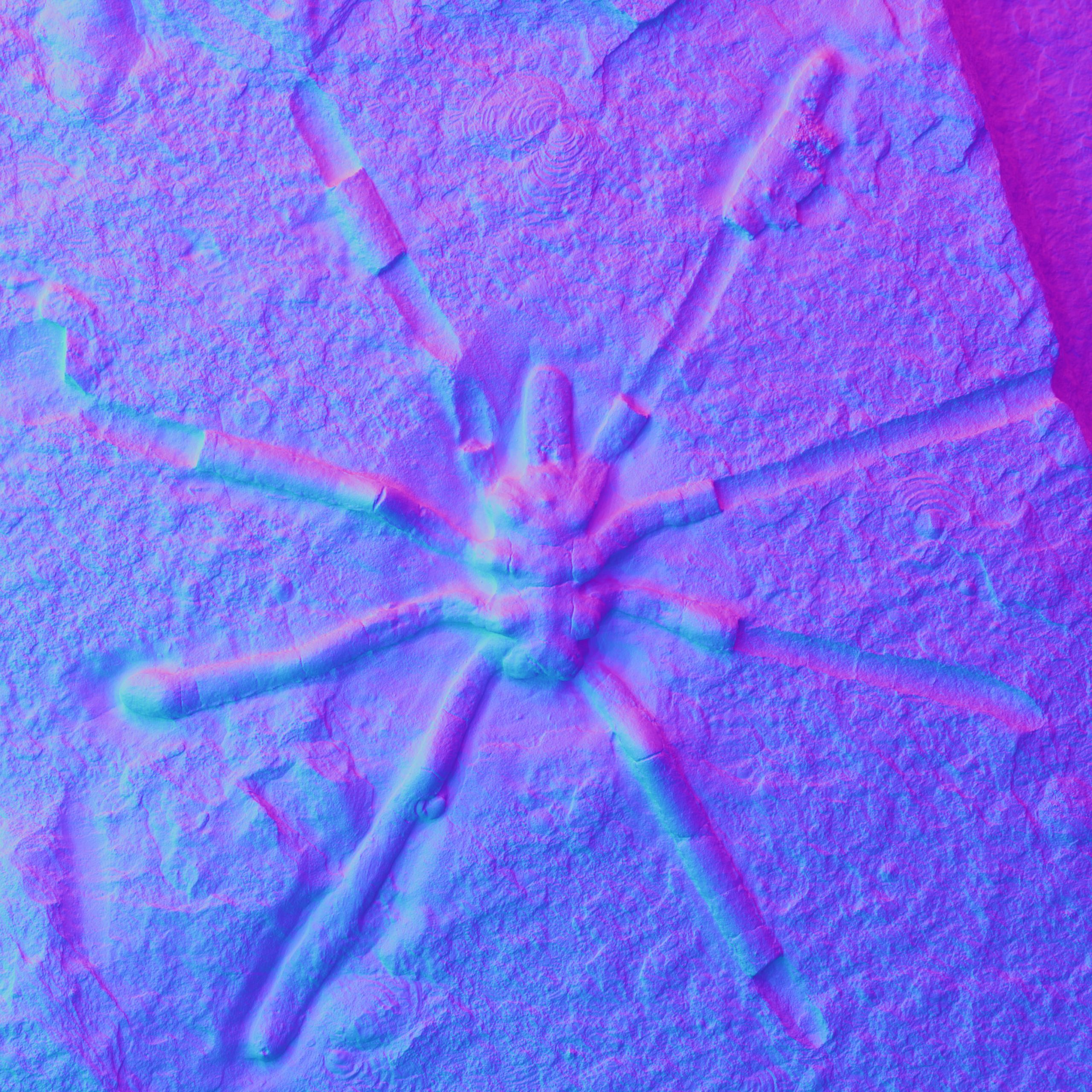
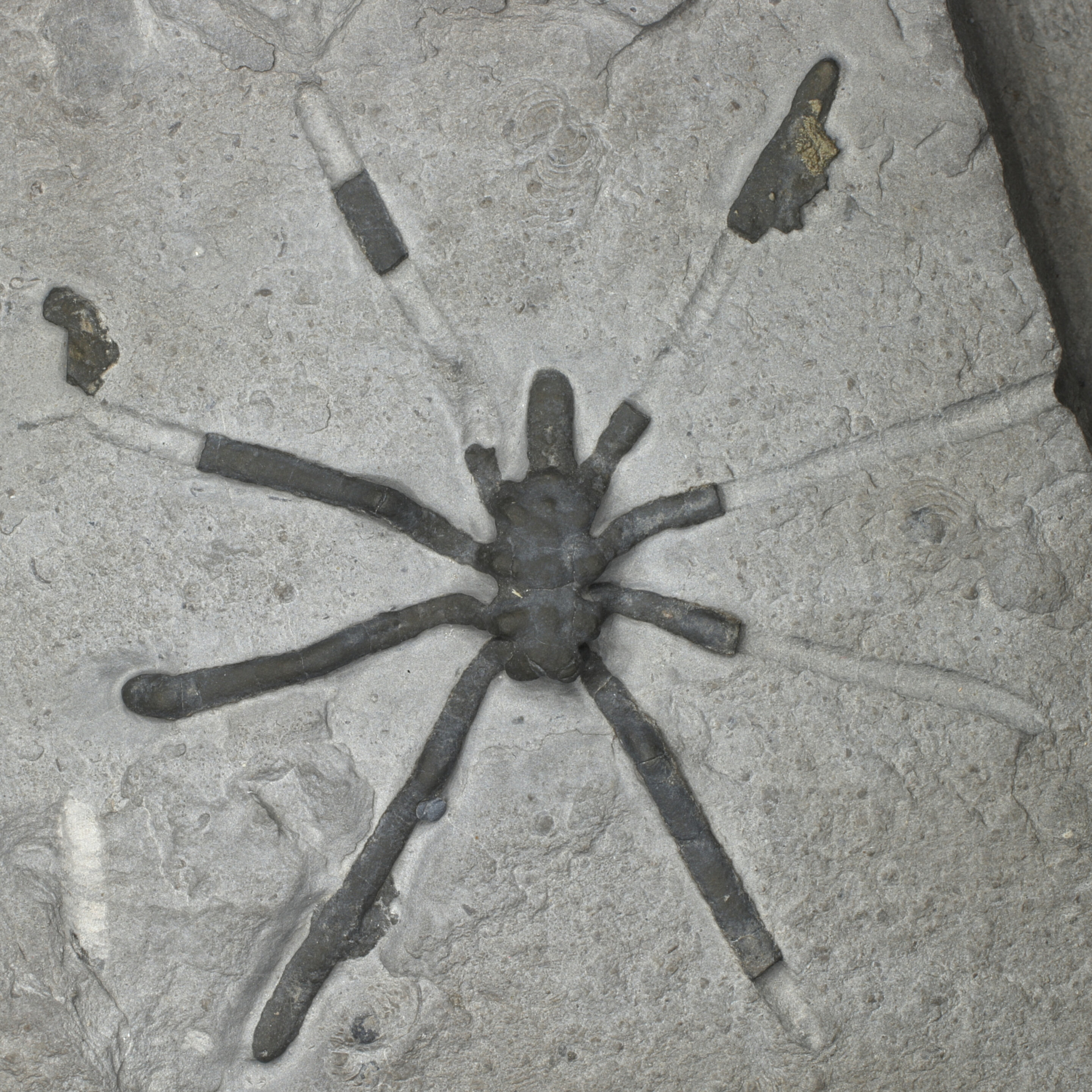
Researchers have discovered a rare collection of 160-million-year-old sea spider fossils in Southern France that are closely related to living species. These fossils provide insights into the evolution of sea spiders and will help calibrate the molecular clock, improving our understanding of arthropod evolution. The fossils, which are morphologically similar to living species, confirm that the diversity of sea spiders began taking shape during the Jurassic period. The findings will also aid in studying the impact of biodiversity crises on sea spider diversity throughout Earth's history.
A collection of 160-million-year-old sea spider fossils from Southern France, known as the La Voulte pycnogonids, are closely related to living species, indicating that the diversity of sea spiders began to form during the Jurassic period. Using advanced techniques such as X-ray microtomography and reflectance transformation imaging, researchers were able to confirm the morphological similarities between the fossils and extant sea spider families. This discovery provides valuable insights into the evolution of sea spiders and their place in the arthropod tree of life. The findings will also help calibrate the molecular clock and investigate the timing of sea spider evolution, as well as shed light on the impact of biodiversity crises throughout Earth's history.