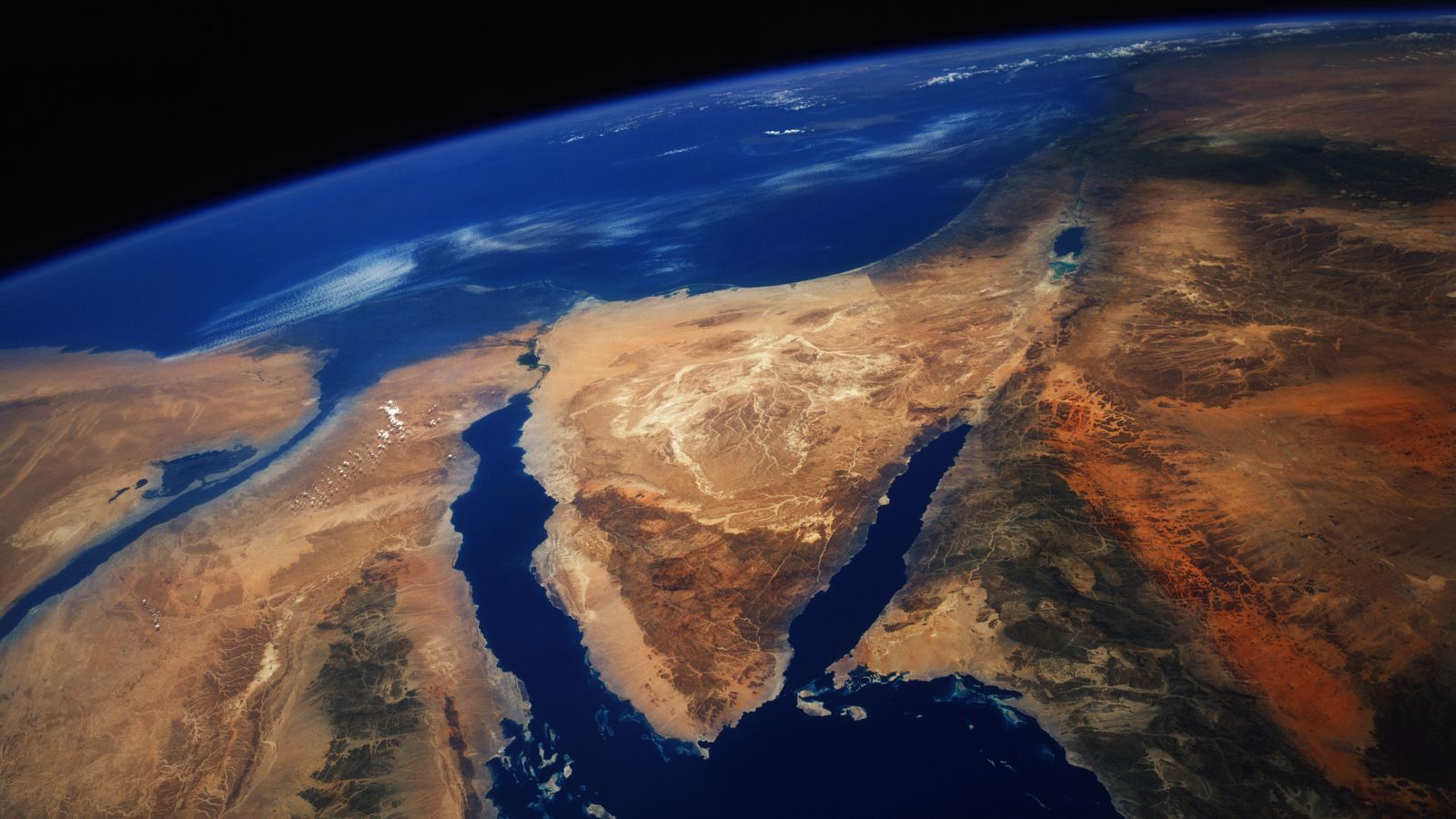
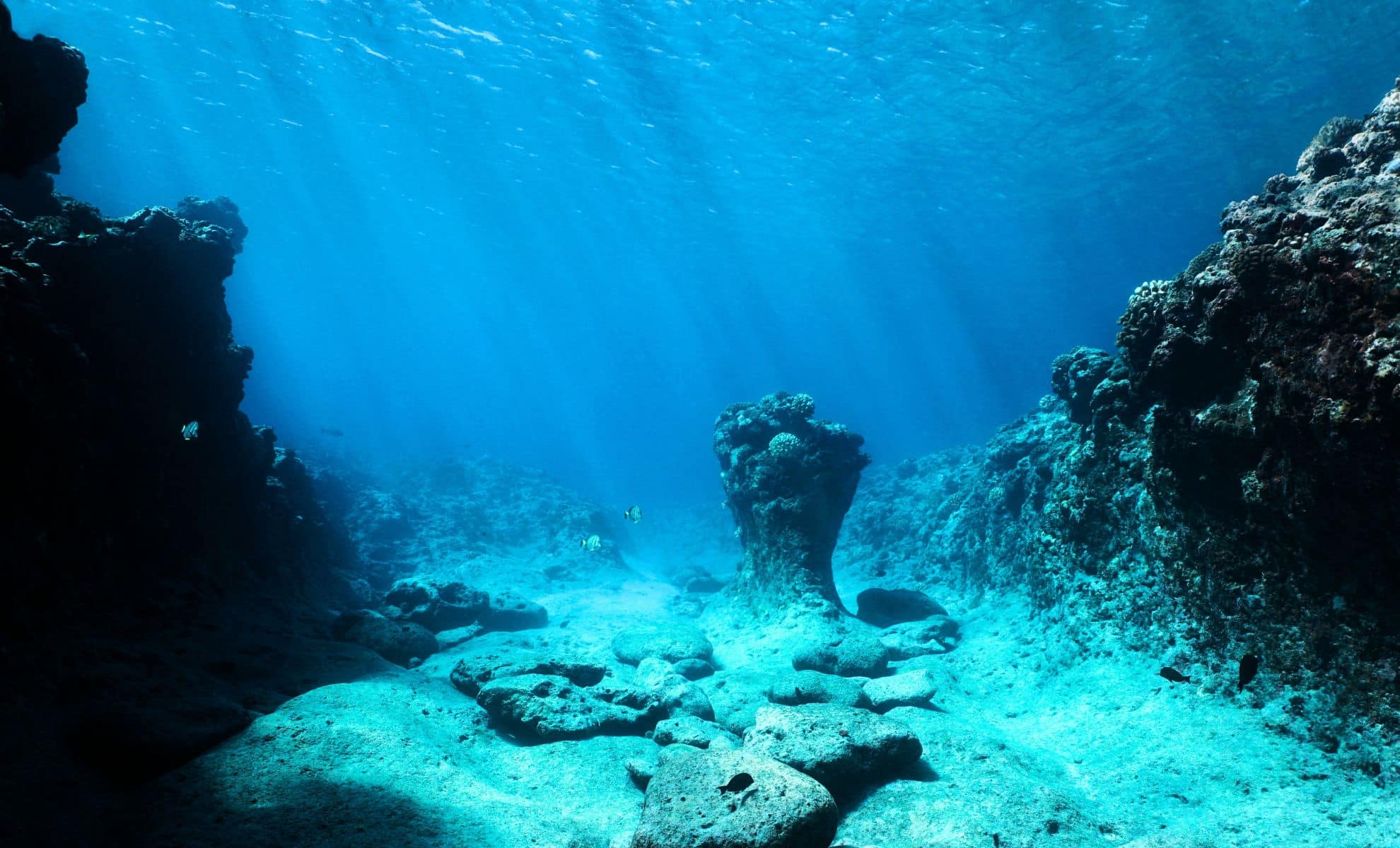
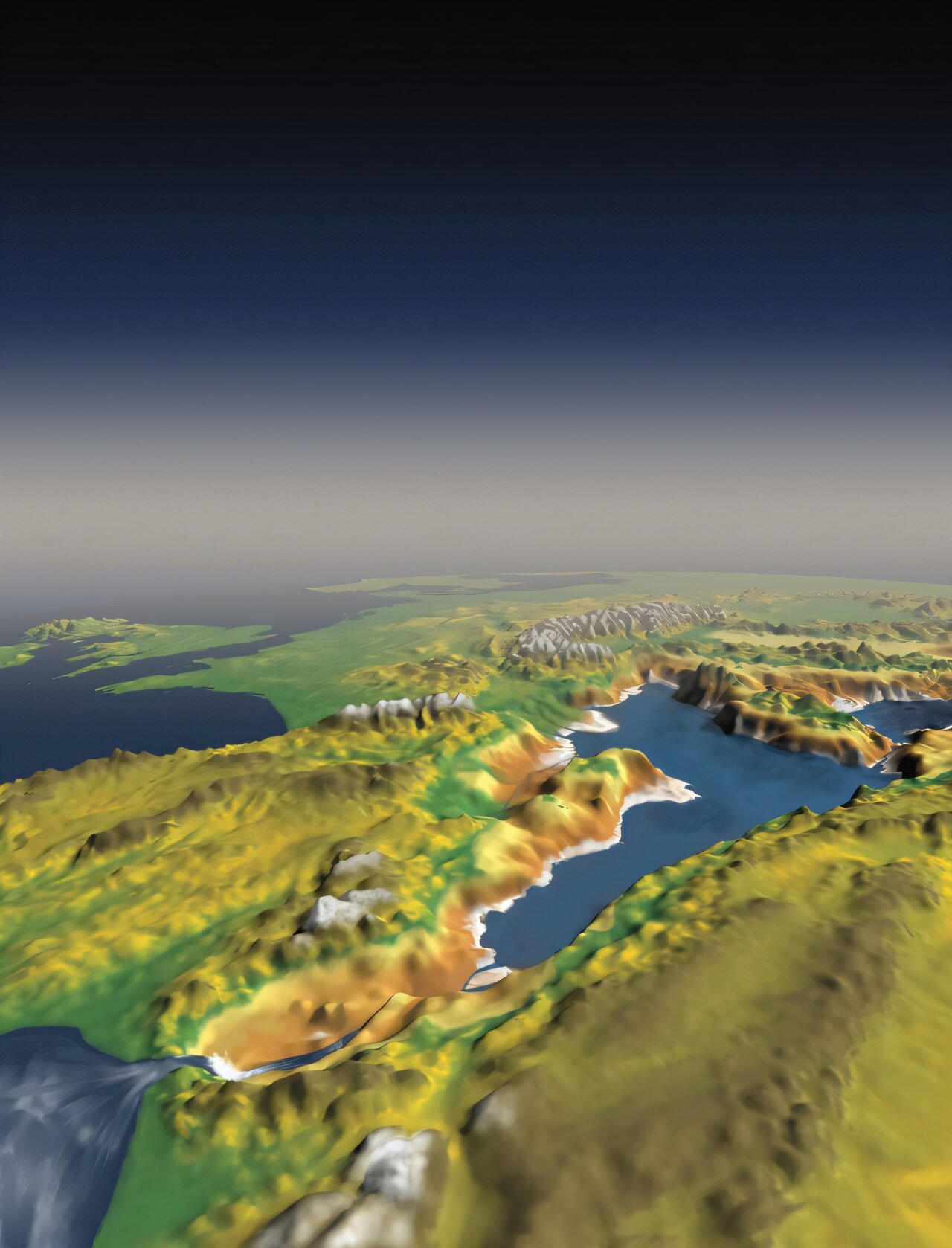
Approximately 6.2 million years ago, the Red Sea completely dried up during a salinity crisis, and was rapidly refilled within 100,000 years when the Indian Ocean breached a volcanic ridge, leading to significant geological changes including the formation of a deep submarine canyon.
Approximately 15 million years ago, tectonic activity caused Earth's oceanic crust to sink, drastically reducing ocean volume and sea levels by up to 30 meters, while also influencing global climate by decreasing volcanic CO2 emissions and promoting cooling. This event highlights the significant role of geological processes in shaping Earth's oceans and climate, independent of human influence.
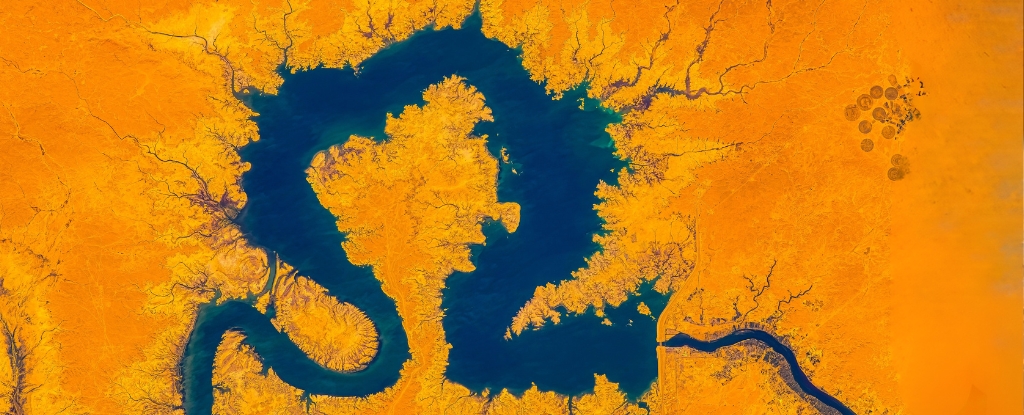
Recent research shows that human-made dams have significantly impacted Earth's magnetic pole positions and rotation by redistributing mass on the planet, leading to a shift in the Earth's surface and a drop in sea levels, highlighting the profound influence humans have on planetary processes.
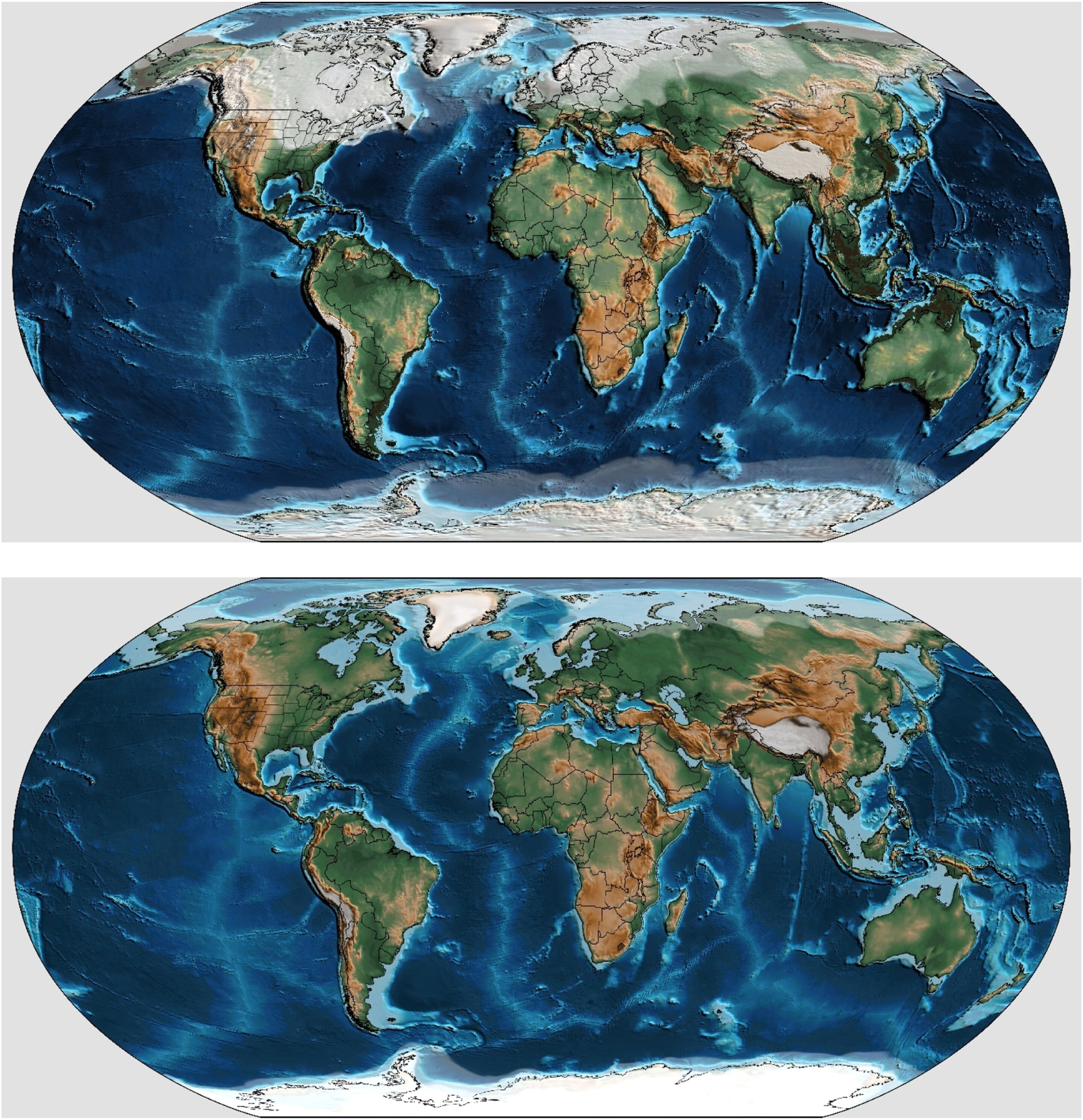
Scientists have reconstructed detailed sea level variations over the past 540 million years, revealing short-term fluctuations linked to climate cycles and ice sheet dynamics, which improve understanding of Earth's geological history and aid in resource management.
Scientists have uncovered the process behind the Messinian Salinity Crisis, a geological event 5.5 million years ago that transformed the Mediterranean Sea into a massive salt basin, losing up to 70% of its water volume. This occurred in two phases: an initial salt deposition in the eastern Mediterranean and a rapid evaporative drawdown affecting the entire basin, causing significant sea-level drops. These findings, published in Nature Communications, enhance understanding of past geological phenomena and their global impacts.