The article explores eight marine animals, including octopuses and sea cucumbers, that have blood of colors other than red, highlighting the diversity of blood pigments in the animal kingdom.
In the Philippines, local women are leading efforts to restore sea cucumber populations through a community-based aquaculture project, which has successfully increased sea cucumber stocks and benefited the ecosystem, despite challenges like storms and poaching.
Scientists discovered a rare sugar in sea cucumbers that can block a cancer-spreading enzyme, offering a potential safer and natural cancer treatment, though production challenges remain.
A study from the University of Mississippi and Georgetown University found that a sugar compound derived from sea cucumbers can inhibit an enzyme linked to cancer growth, potentially offering a safer and effective treatment option without the side effects of current therapies.
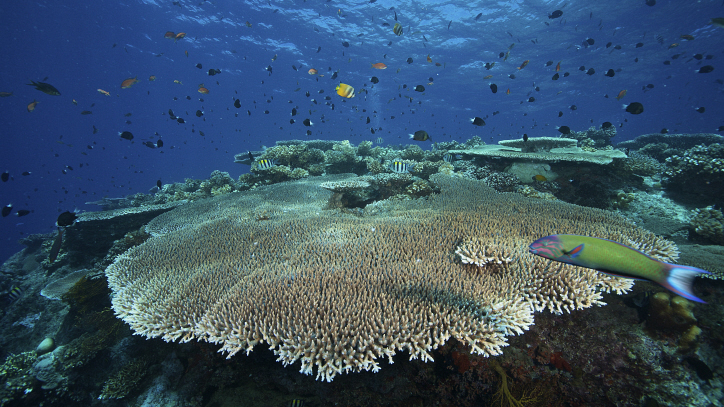
A new study suggests that sea cucumbers play a crucial role in protecting coral reefs from disease by consuming microbes that can lead to coral mortality. Research conducted in French Polynesia and Palmyra Atoll showed that removing sea cucumbers led to a significant increase in coral tissue death. The decline in sea cucumber populations due to overexploitation may have contributed to the decline of coral reefs over the past century. The study highlights the importance of sea cucumbers in maintaining coral health and suggests the potential for conservation measures to allow their populations to recover and support reef ecosystems.
A study published in Nature Journal has found that specific organ diseases are linked to faster ageing, with individuals exhibiting accelerated ageing in one organ having a 20-50% higher mortality risk. The study analyzed blood plasma proteins in over 5,600 adults and identified significant differences in ageing among 11 major organs. Additionally, a study from Nagoya University in Japan revealed that electric eels can induce gene transfer, challenging the perception that electroporation is solely a laboratory process. Furthermore, a study conducted by researchers from the University of the Philippines highlighted the biomedical potential of sea cucumbers, including their anti-inflammatory and anti-cancer properties. Lastly, a breakthrough study published in The Lancet showed that severe asthma can be effectively managed with biologic therapy, reducing the need for high-dose inhaled steroids and potentially mitigating adverse effects.
Processed dried sea cucumber with salt extracts can inhibit the formation of Advanced Glycation End products (AGEs), compounds associated with an increased risk of diabetes and its complications, such as heart disease, Alzheimer’s, Parkinson’s, kidney disease, and cancer. The bioactive compounds in sea cucumbers could protect against Type 2 Diabetes. The research opens possibilities for the development of a functional food to prevent the onset of the disease and its complications.
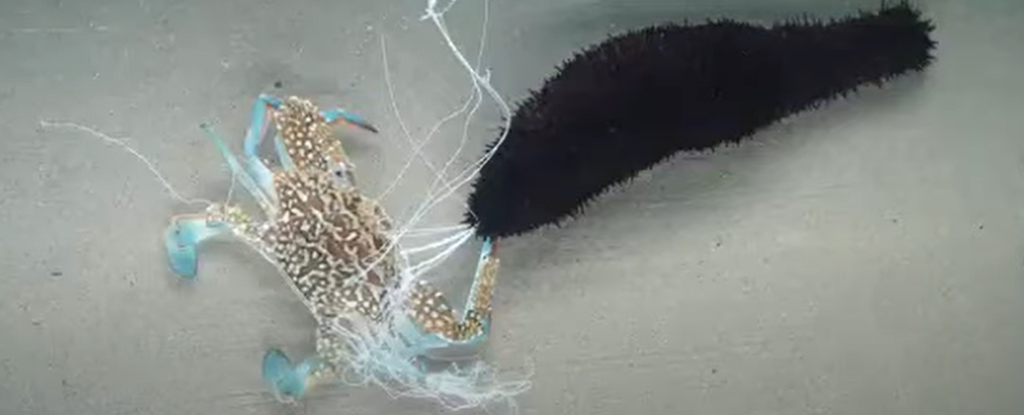
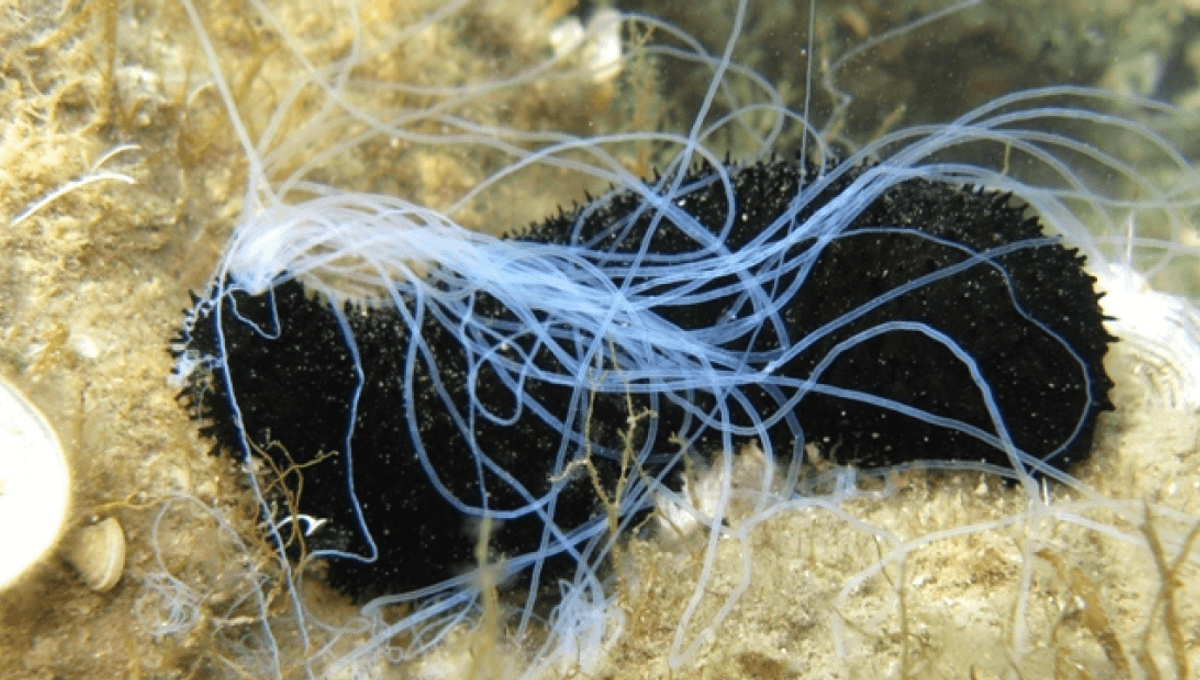
Sea cucumbers have a unique defense mechanism where they expel their Cuvierian organ, a tangle of sticky tubules, from their butt to entangle and neutralize predators. The organ is composed of proteins similar to spider silk and can expand up to 20 times its original length upon contact with any surface. The sea cucumber can self-amputate the organ and regrow it in as little as 15 days. The organ's outer membrane also contains amyloid-like patterns, which may act as a strong adhesive.
Sea cucumbers have a peculiar defensive strategy of firing a sticky organ out of their butts to repel or ensnare predators. A new study has found that fibrous proteins in the connective tissue of the organ, known as the Cuvierian organ, are responsible for its effectiveness. Genomic analysis revealed that the organ probably arose from respiratory tissue that specialized to become the defensive organ it is today. The study identified two key regions in the sea cucumber's genome that are responsible for this peculiar defensive strategy.