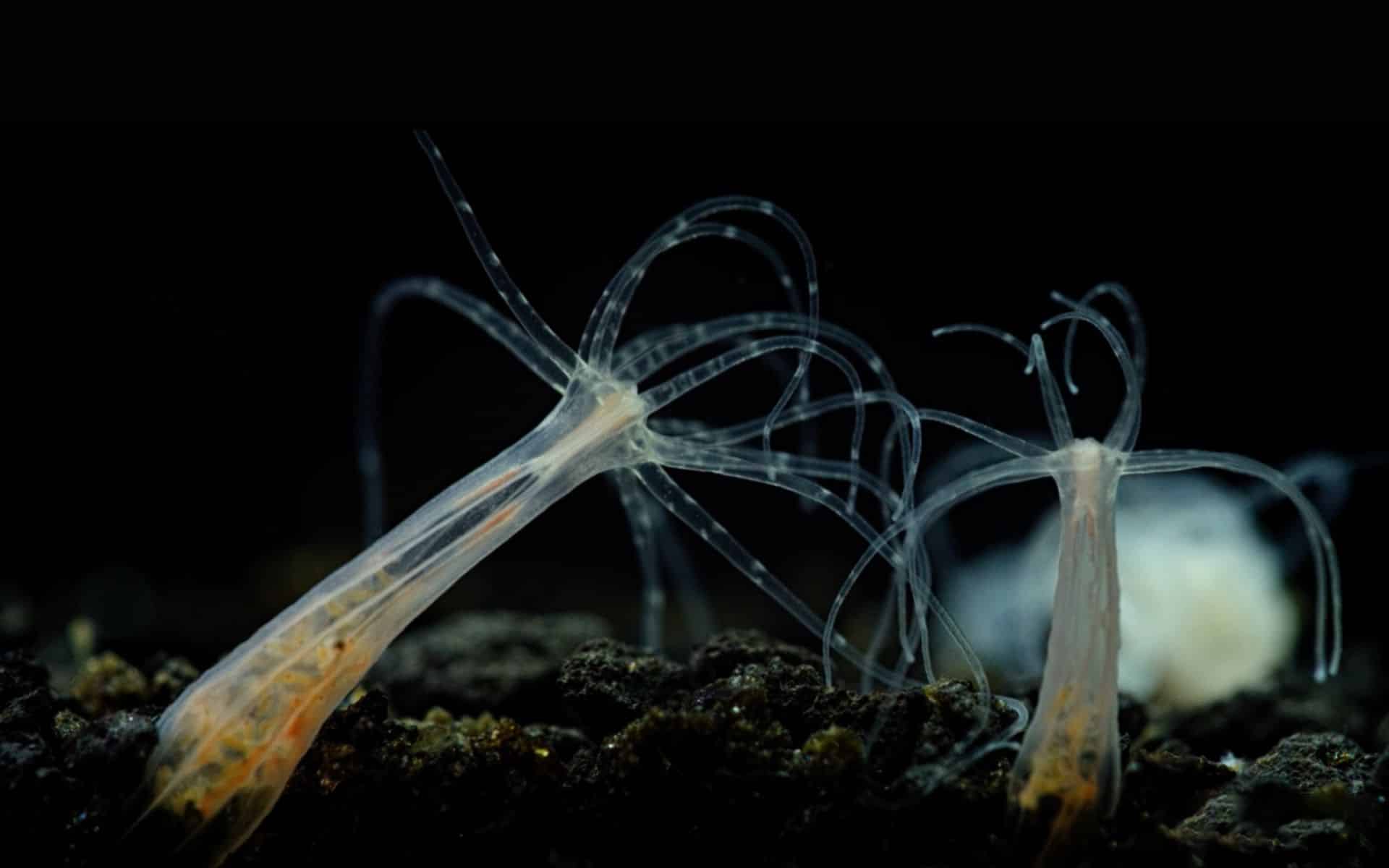
A 600-million-year-old sea anemone, capable of regenerating entire body parts and potentially bypassing aging, has been studied for its unique multipotent stem cells and key genes, offering promising insights into human aging and regenerative medicine.
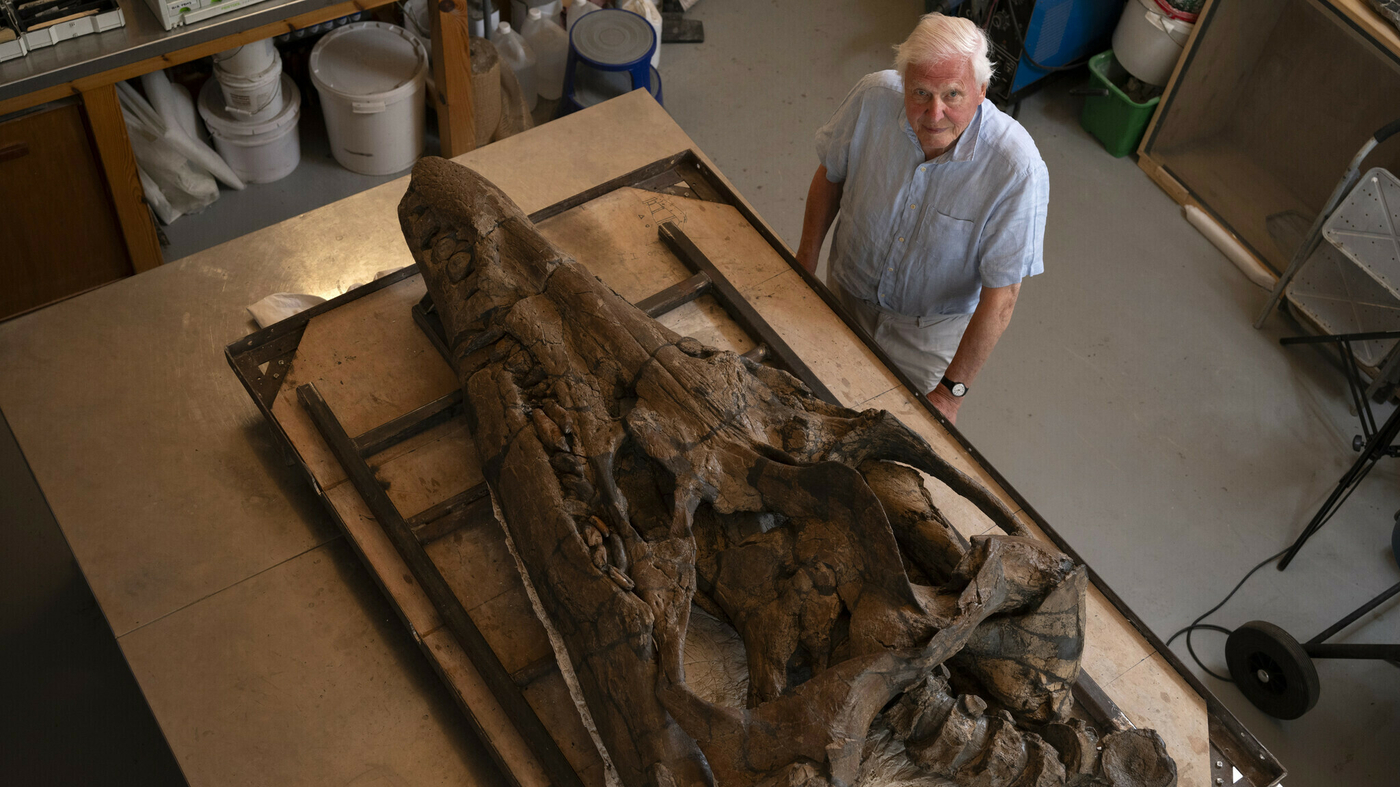
Scientists have discovered a mostly intact skull of a pliosaur, a giant and deadly sea reptile that lived millions of years ago off the coast of England. The six-foot-long skull reveals the massive size and powerful bite of the creature, which had 130 teeth and was compared to an underwater T. rex. The fossil will be featured in a BBC One special hosted by David Attenborough and will be displayed in a museum. However, there are concerns that the rest of the fossil may be lost due to erosion.
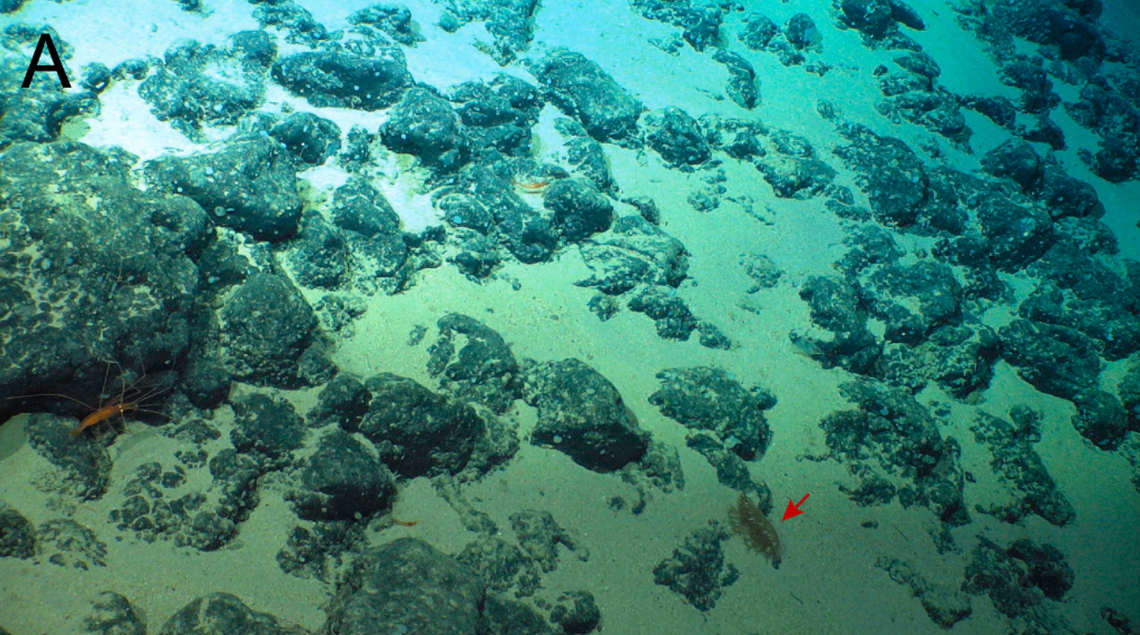
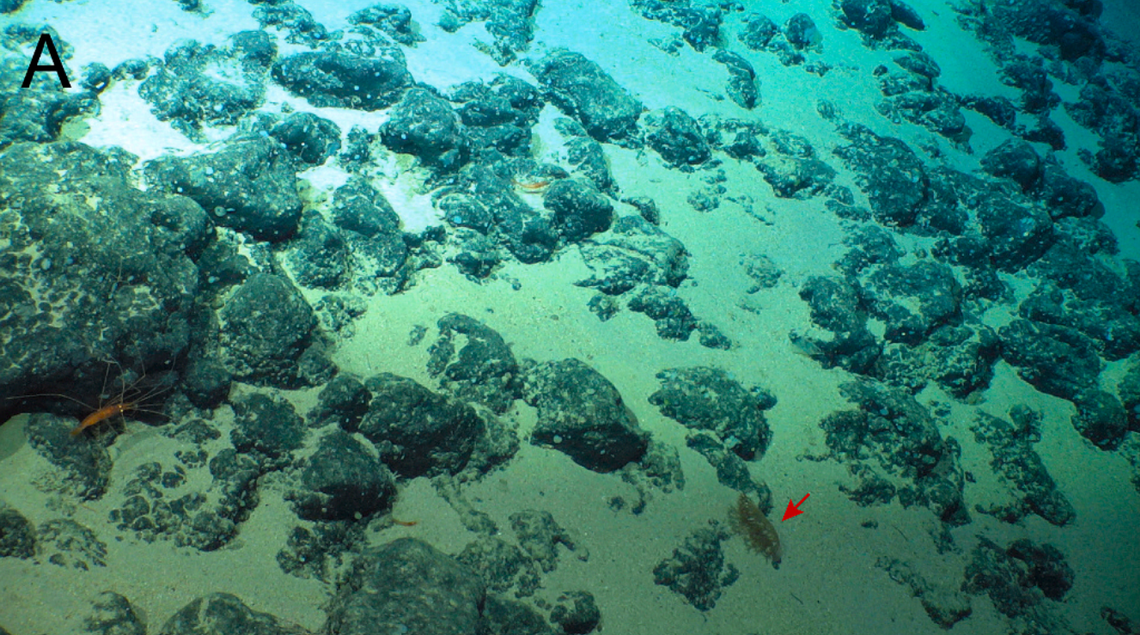
Scientists exploring the An'ei Seamount off the coast of Japan have discovered a new species of sea pen, named Anthoptilum gnome. This unique creature has 328 tentacles and is one of the few sea pen species that live on rocks. The gnome sea pen is about 4.6 inches long and has a slender leaf-like shape. It was named after gnomes due to its appearance of standing on a rock. This is the first time genetic material has been collected from a rock-dwelling sea pen species, and further research is needed to understand these creatures better.
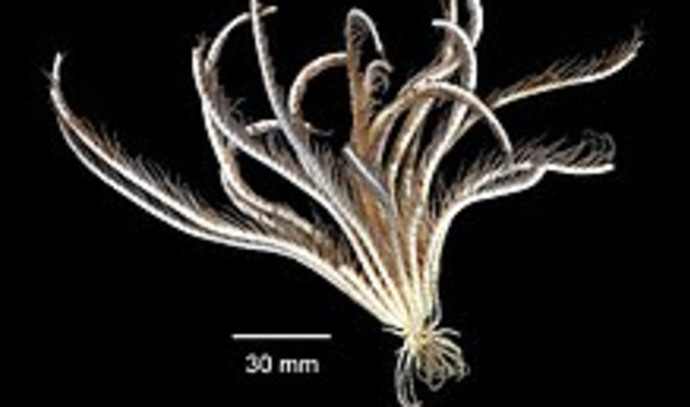
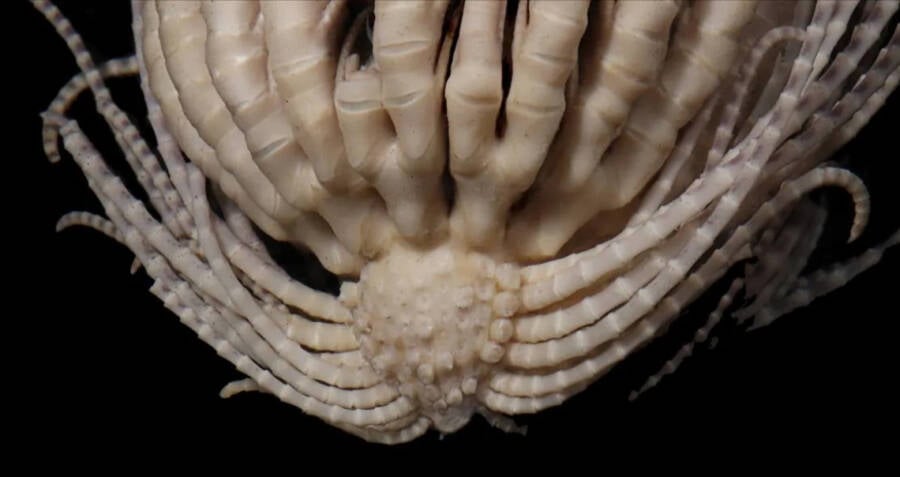
Scientists have discovered a new species called Promachocrinus, a strawberry-shaped sea creature with 20 arms, in the depths of the Southern Ocean. This finding highlights the vast unknowns of our planet's oceans, with only a small fraction of the seafloor mapped and an estimated 91% of ocean species yet to be discovered.
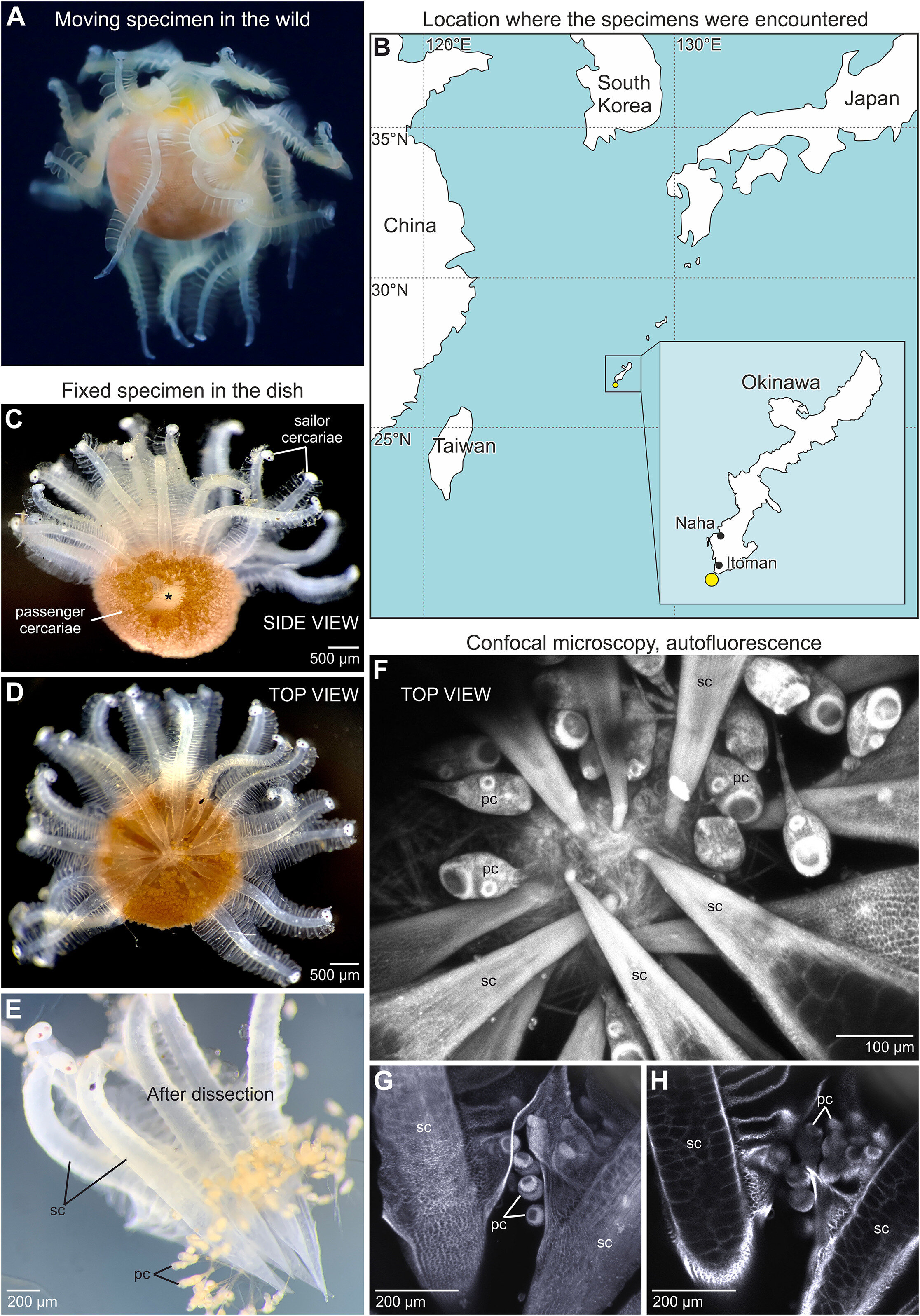
Researchers have identified a unique sea creature captured in underwater photographs taken in 2018 off the coast of Okinawa. The creature is actually two types of parasitic larvae worms, dubbed "sailors" and "passengers," that form a colonial organism. The sailors use their bodies like appendages, moving in unison to swim and navigate the water. The discovery sheds light on the cooperative behavior of these tiny organisms.
Scientists from the University of California, San Diego, have discovered a new species of sea creature, the Antarctic strawberry feather star, thousands of feet below sea level off the coast of Antarctica. This unique creature has 20 arms and can reach up to eight inches long. The discovery was made using DNA-based assessments and categorizing the animals based on pigmentation and specific body structures. The researchers also corrected the classification of four previously miscategorized species.
Scientists have identified a new species of invertebrate in the waters of Antarctica called the Promachocrinus fragarius, or Antarctic strawberry feather star. This sea creature has around 20 feather-like arms for navigation and additional clawed tendrils for crawling along the ocean floor. The arms are spread out, allowing the creature to move elegantly through the water. The discovery brings the total number of species in the Antarctic feather star group to eight. Scientists continue to make new discoveries and name new ocean species regularly, highlighting the mysteries that still exist in the world's oceans.
Scientists have discovered a new sea creature off the coast of Antarctica called Promachocrinus, which has twenty arms and a strawberry-like appearance. The researchers found eight distinct species, including Promachocrinus fragarius, previously unknown to the scientific community. The expedition aims to study the genetic makeup and physical morphology of these creatures, shedding light on their unique characteristics.