Tag

Marine Species

All articles tagged with #marine species

science5 months ago

This Week's Top Science Images: Interstellar Visitor and Hairy Caterpillars

This week’s top science images include the sharpest photo of the interstellar comet 3I/Atlas captured by NASA's Hubble, traveling at record speeds, and striking photos of UK seas showing warmer temperatures bringing new marine species like salps and bluefin tuna, along with the Perseid meteor shower and glowing underwater creatures.

science2 years ago

"Unveiling the Fascinating 20-Armed Strawberry-Like Sea Creature Discovered by Scientists"

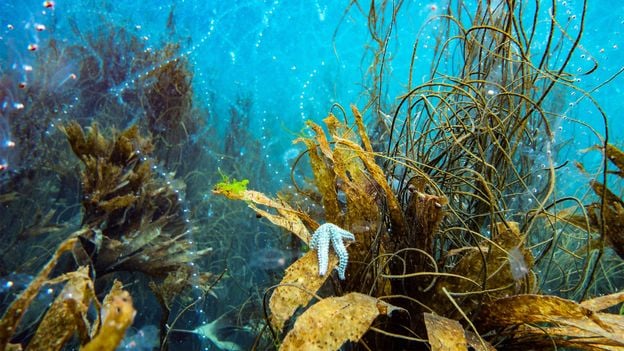
Scientists have discovered a new species called Promachocrinus, a strawberry-shaped sea creature with 20 arms, in the depths of the Southern Ocean. This finding highlights the vast unknowns of our planet's oceans, with only a small fraction of the seafloor mapped and an estimated 91% of ocean species yet to be discovered.

earth-science2 years ago

"Groundbreaking Discovery: 36-Million-Year Geological Cycle Unleashes Explosions of Biodiversity"

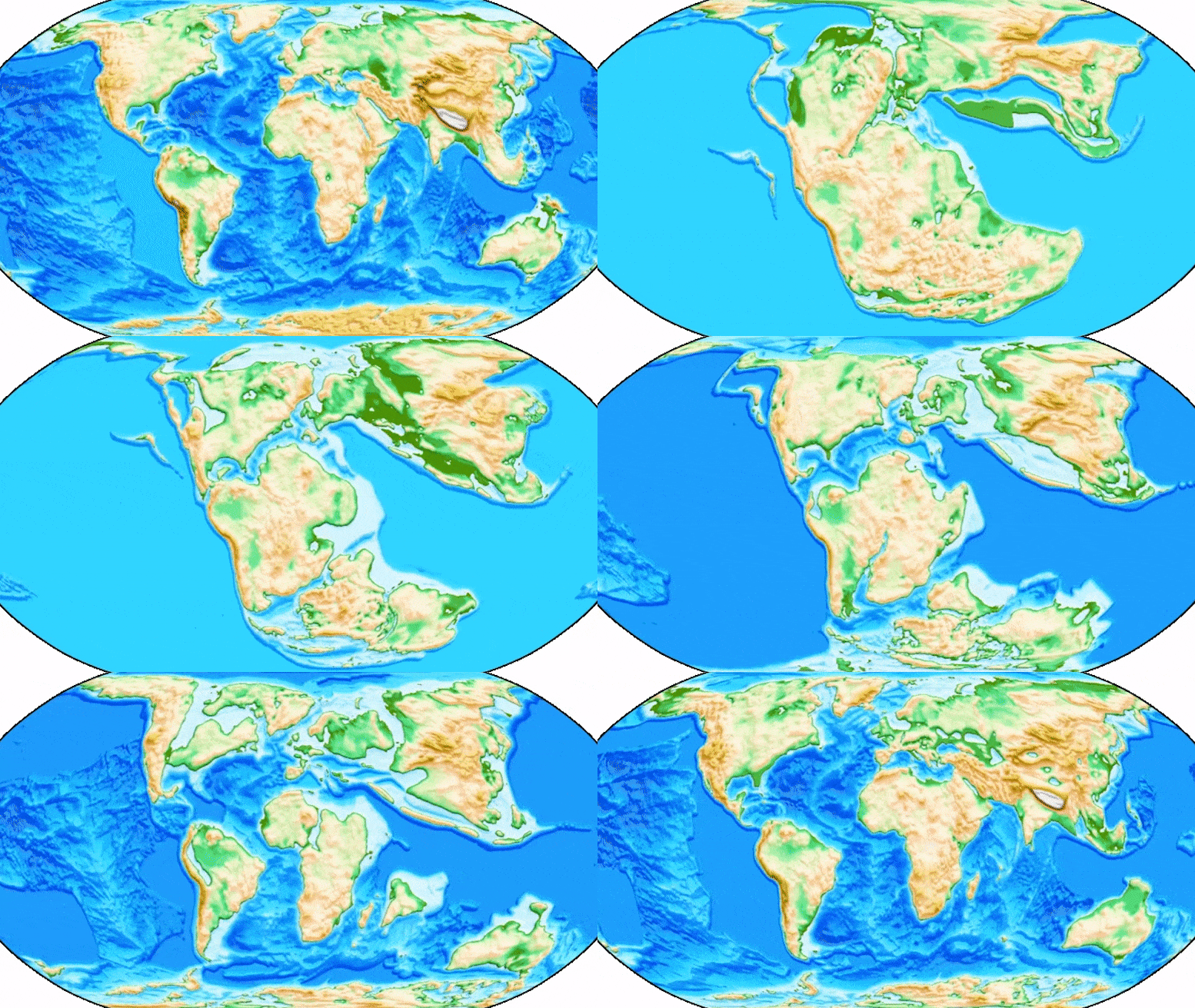
Scientists have discovered that movements in Earth's tectonic plates indirectly stimulate bursts of biodiversity through 36-million-year cycles by causing sea levels to rise and fall. These cycles, which have been traced back 250 million years, significantly influence marine species diversity by altering shallow sea and shelf habitats. The fluctuations in water levels create breeding grounds for life, leading to the emergence of new species. This research challenges previous notions of species evolution and highlights the crucial role of tectonic cycles and global sea level changes in shaping the biodiversity of marine life over millions of years.

science2 years ago

"Unveiling the 36-Million-Year Geological Cycle Fueling Biodiversity"

Scientists have discovered a 36-million-year geological cycle driven by movement in the Earth's tectonic plates, which indirectly triggers bursts of biodiversity. These cycles of sea level changes have a significant impact on the diversity of marine species, as different habitats expand and contract with rising and falling water levels. By studying the fossil record, researchers have found that these shifts lead to bursts of new life. The findings challenge previous ideas about species changes over long periods and provide evidence that tectonic cycles and global sea level change have played a crucial role in shaping marine biodiversity over millions of years.

science2 years ago

"Unveiling the 36-Million-Year Geological Cycle Fueling Biodiversity"

Scientists have discovered a 36-million-year geological cycle driven by movement in the Earth's tectonic plates, which indirectly triggers bursts of biodiversity by causing sea levels to rise and fall. These cycles of sea level changes have a significant impact on the diversity of marine species, with different habitats expanding and contracting as water levels fluctuate. By studying the fossil record, researchers have found that these shifts lead to bursts of new life. The findings challenge previous ideas about species changes over long periods and provide evidence that tectonic cycles and global sea level change have played a crucial role in shaping marine biodiversity over millions of years.

science2 years ago

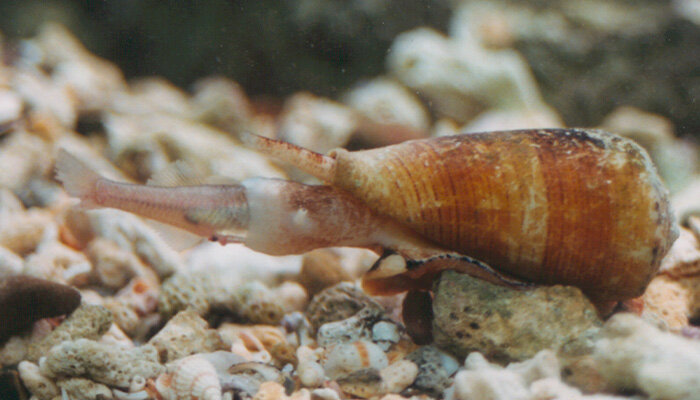
"Deadly Cone Snails Unveil New Venom Secrets"

Researchers at the University of Queensland have successfully reared deadly cone snails in a laboratory aquarium, revealing potential new venoms for drug development. The study found variations in the diet, behavior, and toxicity of cone snails throughout their lifecycle. Juvenile cone snails use a different cocktail of venoms than adult snails to kill their prey, and they primarily feed on polychaete worms. The researchers now have a sustainable system to study the life cycle and venoms of cone snails in a controlled environment.

environment2 years ago

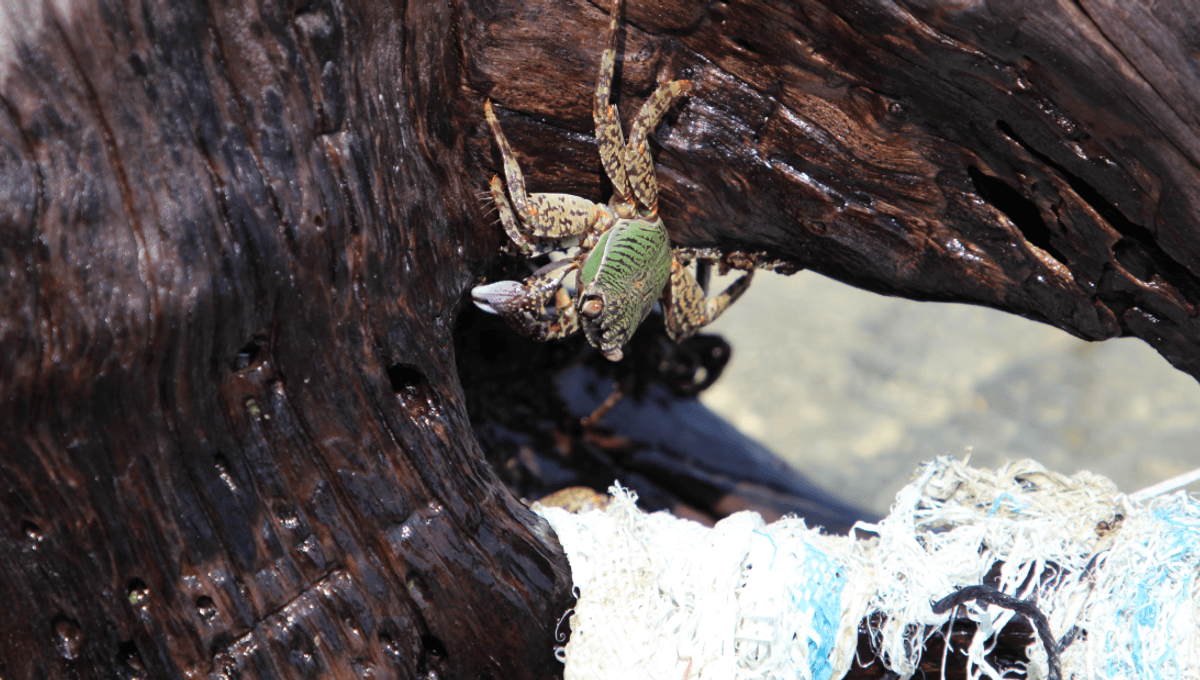
Coastal Species Thrive on Great Pacific Garbage Patch

Coastal species are thriving on floating islands of human trash, including the Great Pacific Garbage Patch, and may become a permanent part of the open ocean ecosystem. Researchers found that 70.5% of debris collected from trash islands was home to living coastal species, including 484 different marine invertebrate organisms. The researchers suggest that these trash islands represent a new type of ecosystem, called "neopelagic communities", made possible by the plastisphere, and could have implications for shifts in species dispersal and biogeography at broad spatial scales.