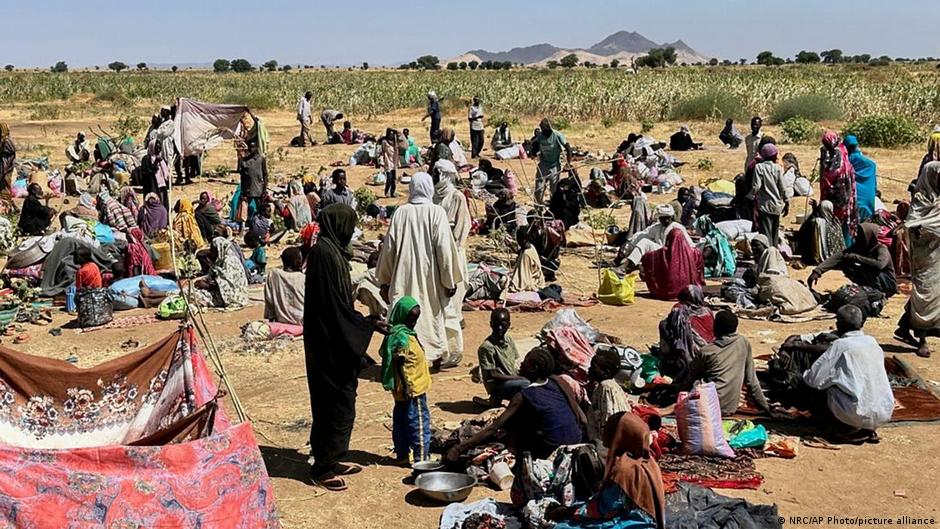
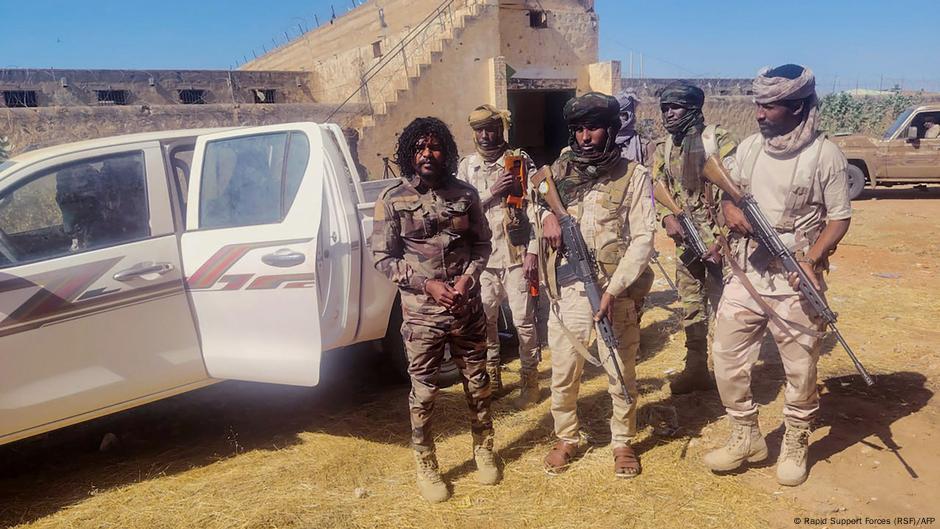
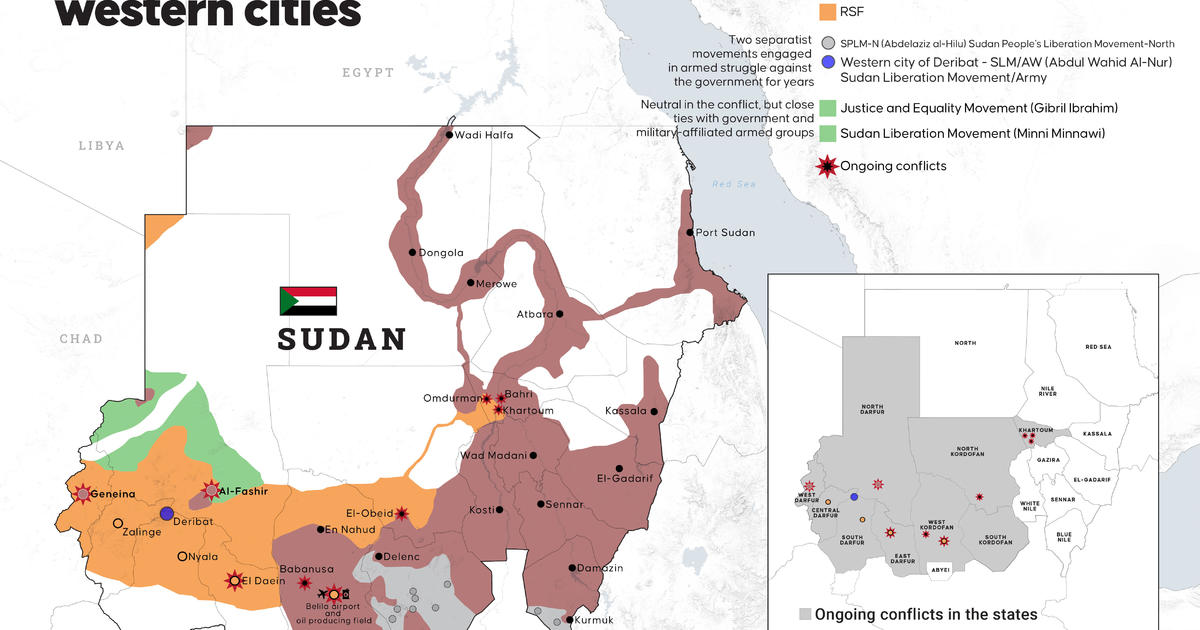
The conflict in Sudan, particularly in Darfur, has led to a severe humanitarian crisis with over 65,000 fleeing el-Fasher after its capture by the RSF, amid reports of mass atrocities, neglect by the international community, and ongoing violence that endangers civilians and complicates aid efforts.
Following the capture of el-Fasher in North Darfur, Sudan's Rapid Support Forces (RSF) are accused of committing mass atrocities, including executions and violence against civilians, with several fighters detained and verified videos showing horrific crimes. The international community has expressed concern over widespread human rights violations amid ongoing conflict and humanitarian crises.
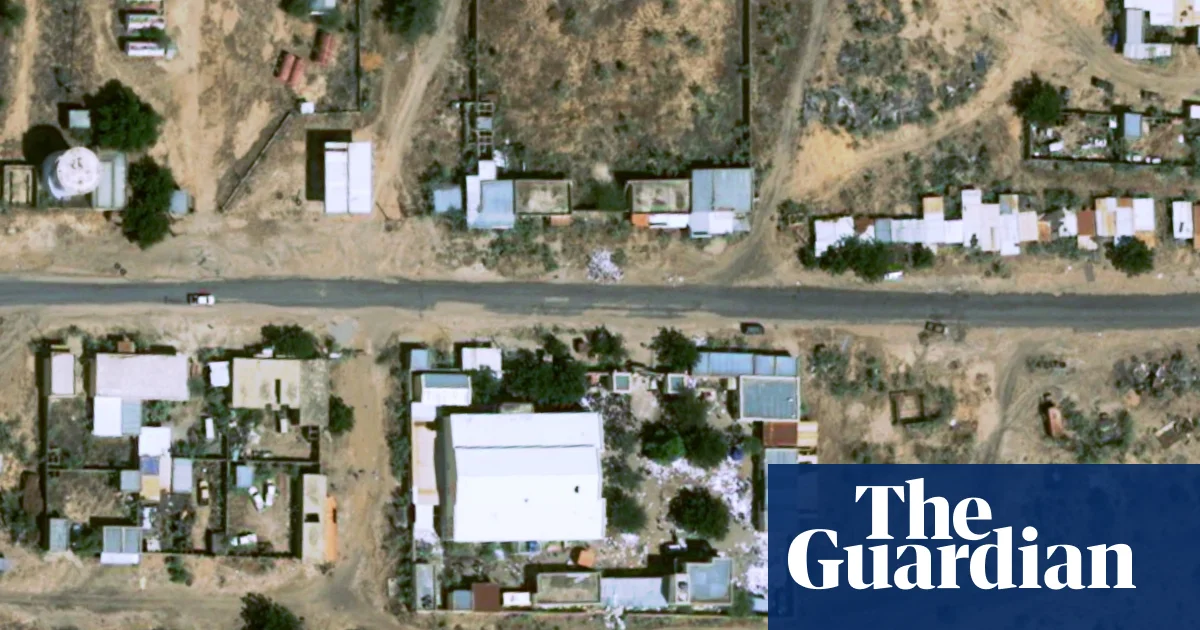
The Rapid Support Forces in Sudan are accused of killing hundreds of civilians and staff at a hospital in El Fasher amid ongoing conflict, with evidence of mass killings and atrocities mounting as the civil war continues since April 2023.
Sudan's paramilitary forces, the RSF, reportedly killed hundreds including hospital patients in Darfur's el-Fasher city amid ongoing conflict, with reports of mass killings, atrocities, and widespread suffering, prompting international condemnation.
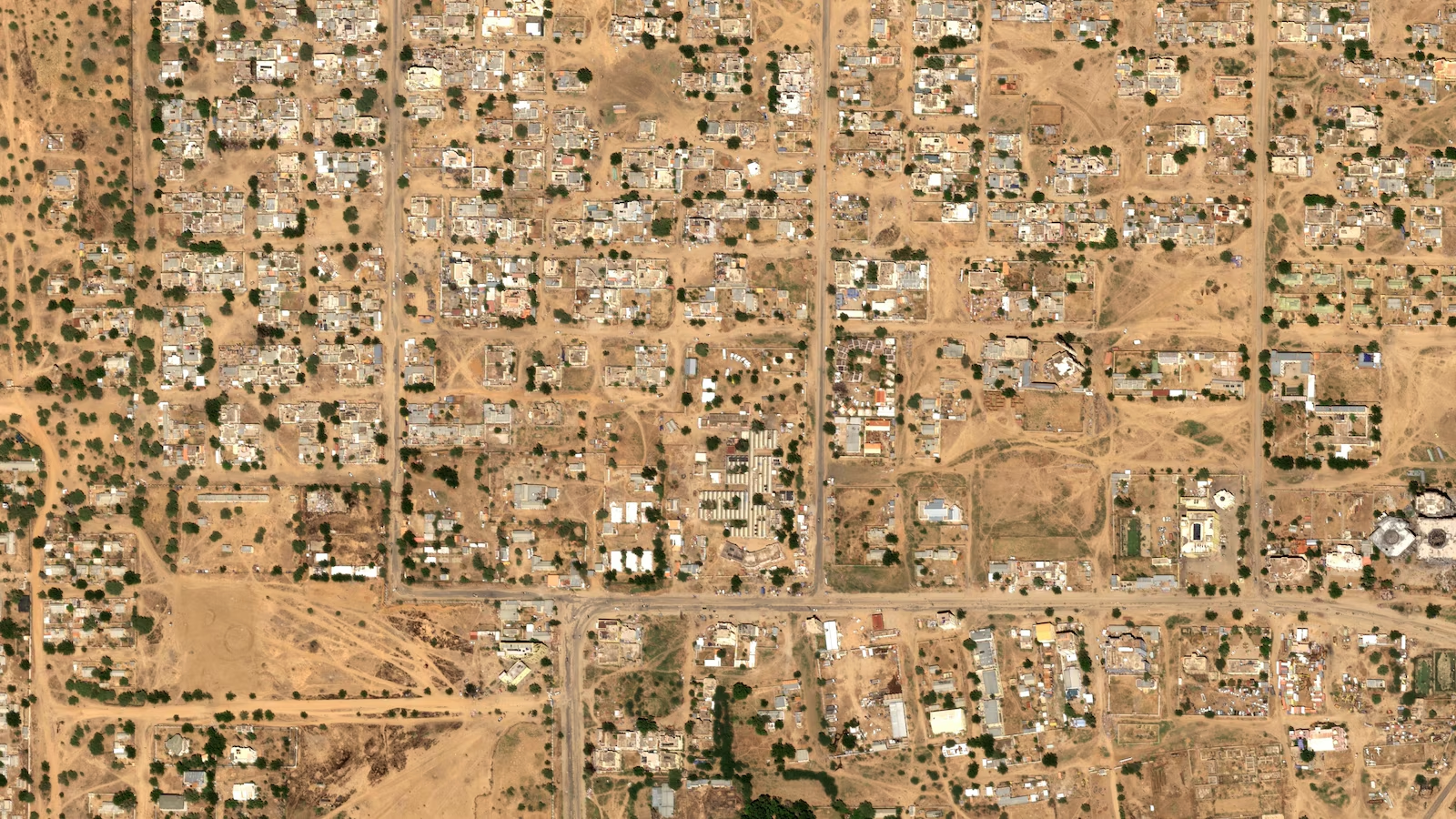
Sudan's military has withdrawn from el-Fasher after the RSF paramilitary force took control, amid reports of mass killings and atrocities, marking a significant escalation in the ongoing civil conflict and raising international concern over war crimes.
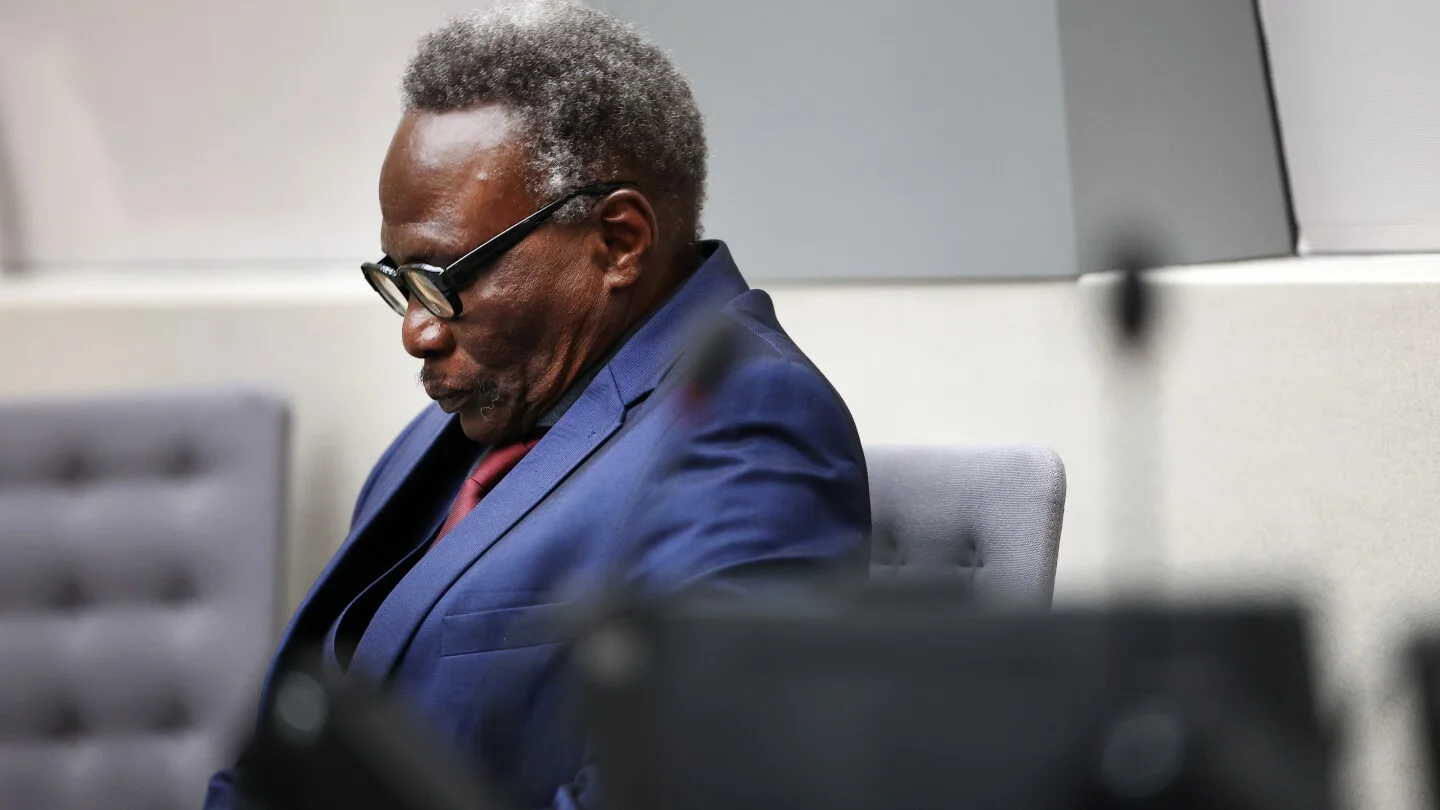
The International Criminal Court convicted Ali Muhammad Ali Abd–Al-Rahman, a Janjaweed militia leader, for leading atrocities in Darfur over 20 years ago, marking the first such conviction for crimes in the region, and highlighting ongoing justice efforts amid renewed conflict in Sudan.
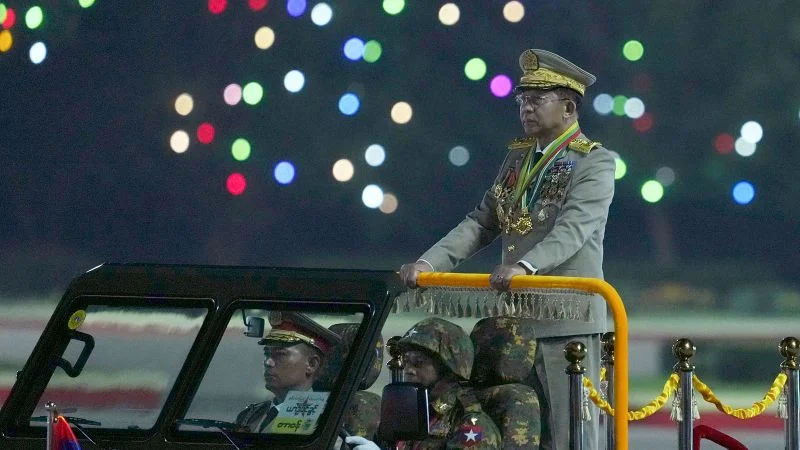
Myanmar's military junta, led by Min Aung Hlaing, is rebranding itself and planning staged elections amid ongoing atrocities and widespread international condemnation. Evidence from UN investigations reveals systemic torture, executions, and violence against civilians, including children, as the military seeks to legitimize its rule through a sham electoral process that is unlikely to be free or fair. The situation remains volatile, with ongoing conflict, repression, and international skepticism about the junta's intentions.
The author reflects on her experience reporting from Gaza and Israel, highlighting how cynicism and fear within the media have dulled public outrage over ongoing atrocities, including war crimes and genocide, and questions why the world has been slow to respond to Gaza's suffering.
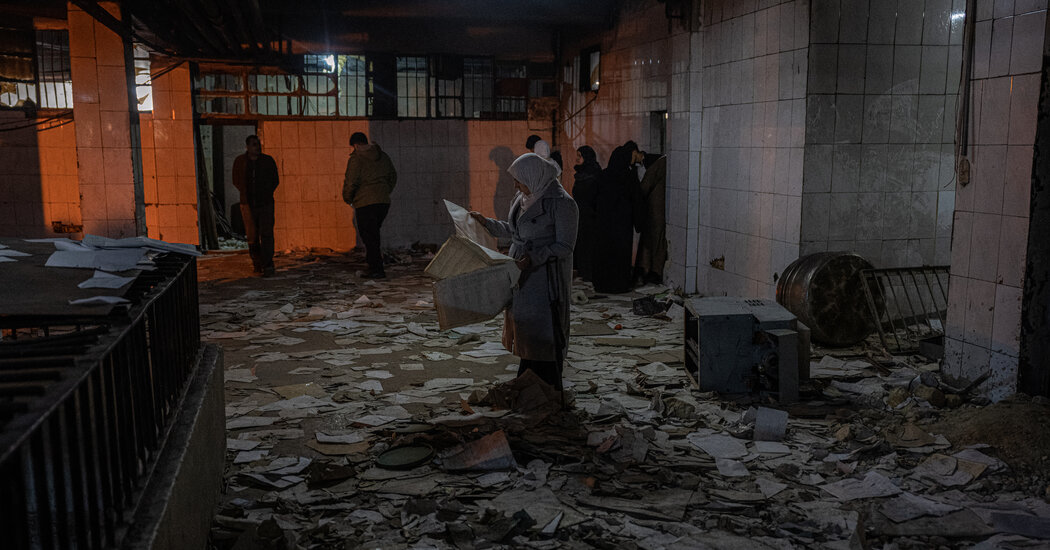
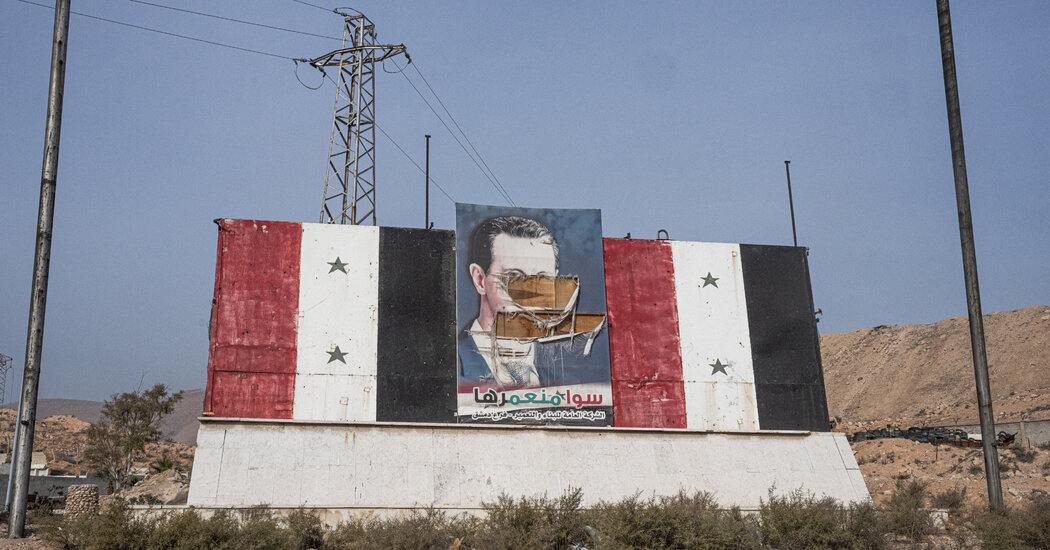
Reports have emerged detailing horrific atrocities committed in Syrian prisons under President Bashar al-Assad's regime, shedding light on widespread human rights abuses. These revelations have sparked international condemnation and calls for accountability, as survivors and human rights organizations demand justice for the victims of torture and inhumane treatment.
Syrian rebels have pledged to hold those responsible for atrocities committed under President Bashar al-Assad's regime accountable, as they continue their fight against his government.
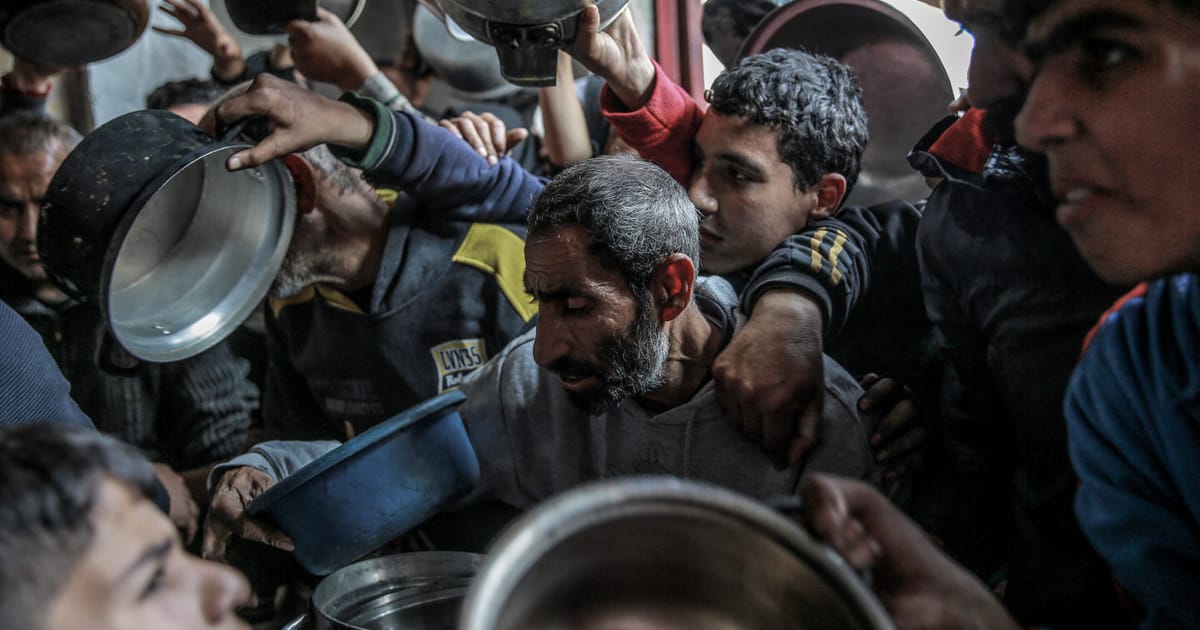
European leaders are demanding an investigation into the delivery of aid to Gaza, citing "atrocities" that occurred during the process. The call for a probe comes amid growing concerns over the treatment of aid workers and the delivery of humanitarian assistance in the region.
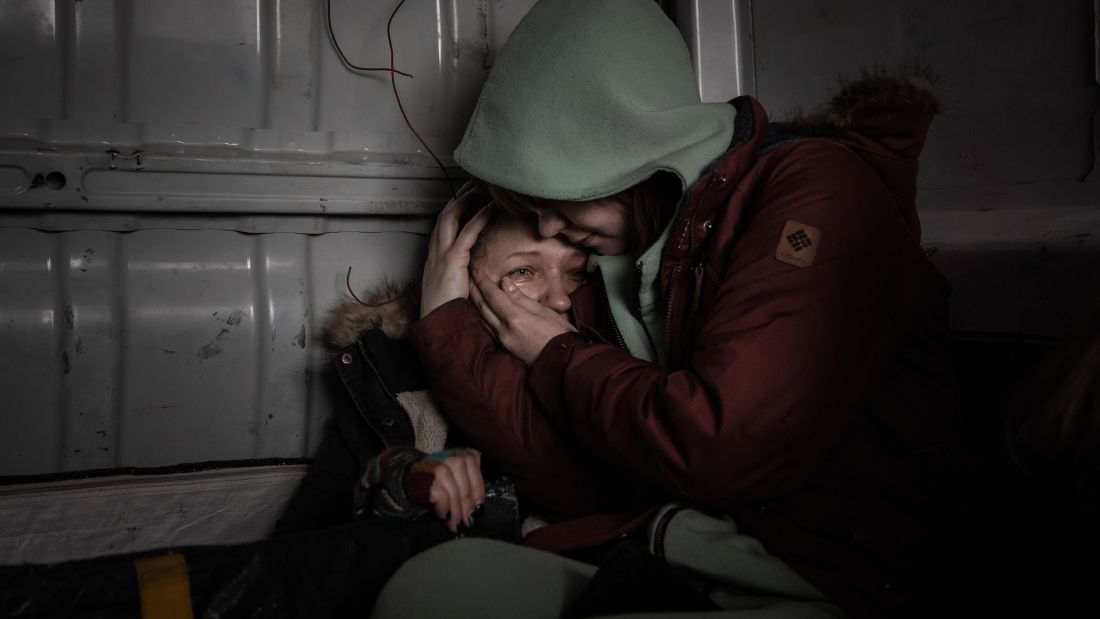
Ukrainian and foreign photojournalists have been capturing the horrors of the war in Ukraine, providing a visual record of the atrocities and shaping public perceptions worldwide. Many risk their lives to document the conflict, with some paying the ultimate price. Their work stands as a testament to the victims and their families, shedding light on the unimaginable horror faced by Ukrainians every day. Despite the challenges, these photographers are dedicated to capturing this historical moment for the present and the future.
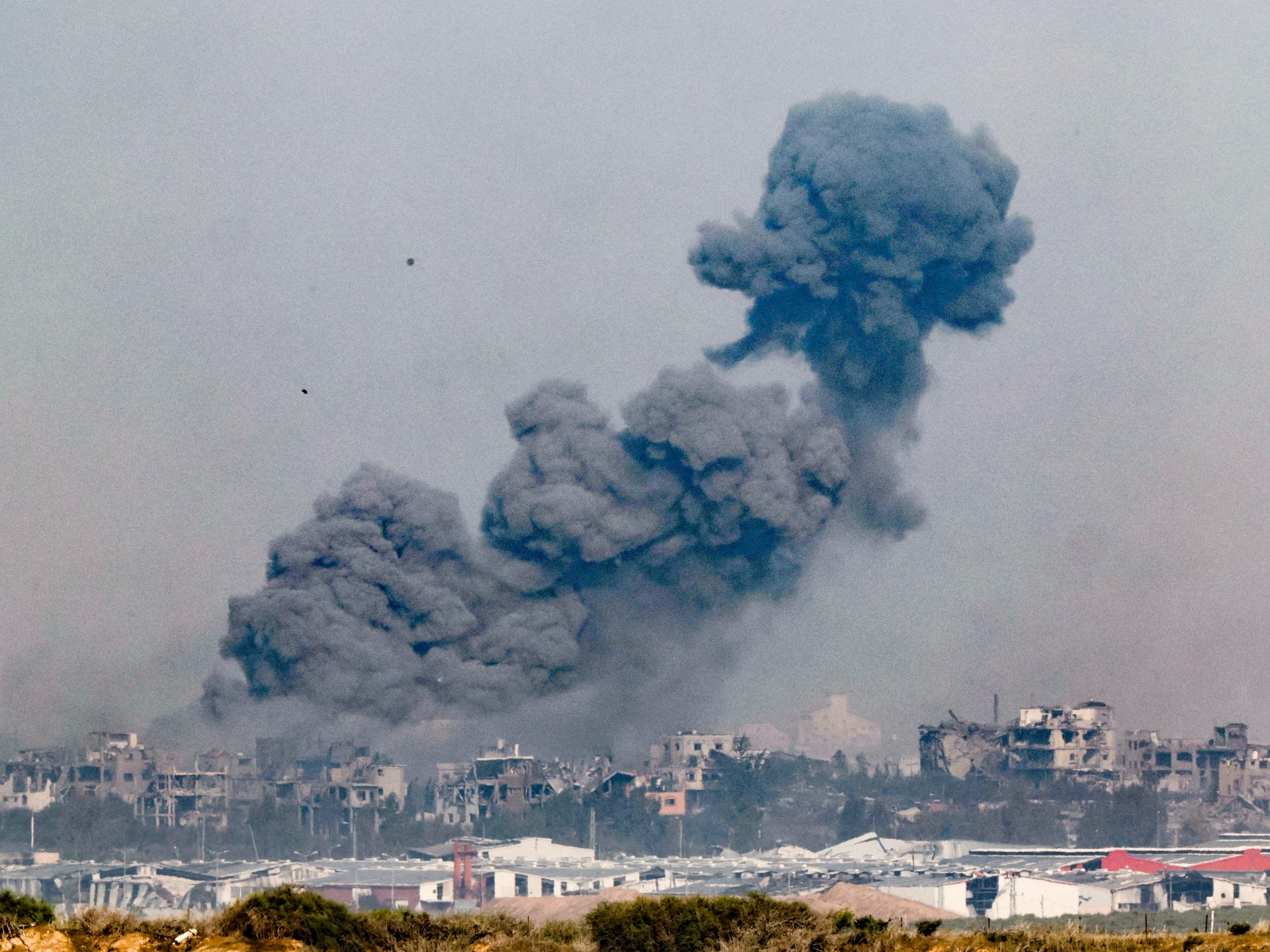
UN officials have warned of growing atrocities in Gaza as Israel intensifies its assault on the enclave. Palestinians are facing displacement and living in unsafe conditions, with no security. The UN agency for Palestinian refugees has described the situation as "apocalyptic" and warns that it is getting worse by the minute. The UN high commissioner for human rights called for all allegations of war crimes to be investigated and urged the Israeli authorities to end impunity for violations. The international community is called upon to demand an immediate ceasefire on humanitarian grounds.
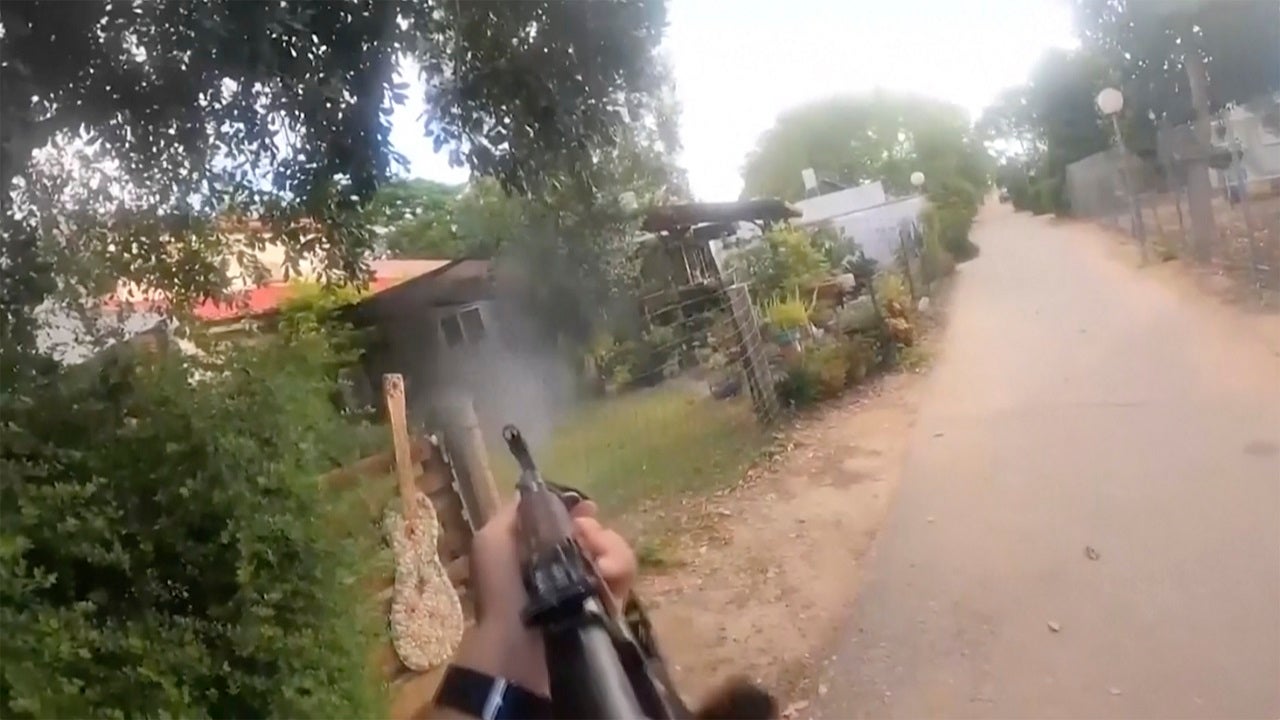
A 43-minute film containing raw footage of Hamas terrorists' massacre in southern Israel on October 7 has shocked viewers worldwide. The film, compiled from body cameras, dashcams, and social media accounts, shows graphic images of the brutal attack that left over 1,200 people dead and 200-plus taken hostage. The footage, described as difficult to watch, has been shown to diplomats, international organizations, and decision-makers, but will not be released to the general public. The film captures the atrocities committed by Hamas terrorists, including gender-based crimes and the joyous celebration of their heinous acts. Viewers, including members of Congress, have expressed extreme shock and horror after watching the footage.
More than 800 people have been reported killed in an attack on the town of Ardamata in Sudan's war-torn region of Darfur, carried out by fighters from a paramilitary force and their allied Arab militias. The attack is the latest in a series of atrocities in Darfur, which has been engulfed in chaos since April. The Rapid Support Forces (RSF) and their militias targeted the African Masalit tribe, going from house to house killing and detaining people. The UNHCR estimates that 8,000 people have fled to neighboring Chad, and the U.S. State Department has expressed deep concern over the human rights abuses committed by the RSF.