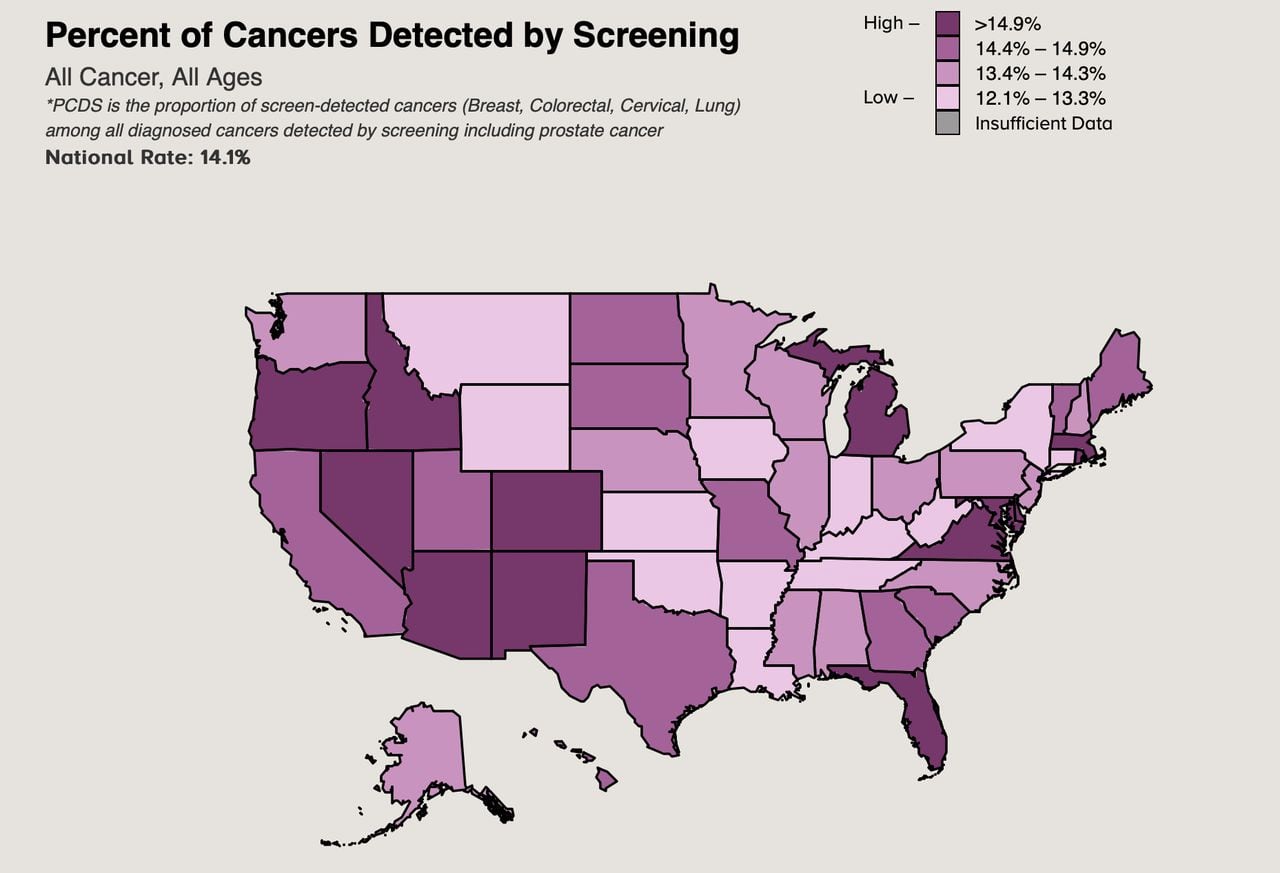
Dr. Sharma emphasizes the importance of four key cancer screening tests—mammography, Pap smear, stool test, and chest CT scan—for early detection at stage zero, which can significantly increase the chances of eradicating cancer before it spreads.
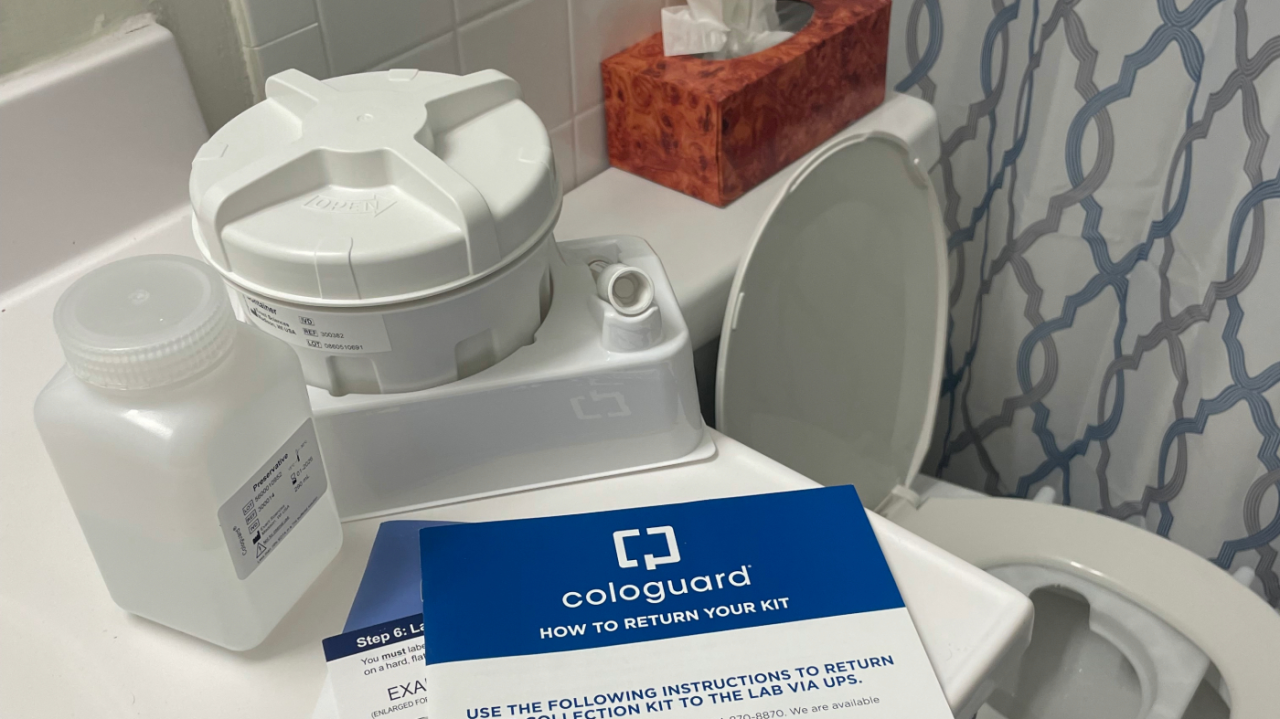
Insurance companies are sending unsolicited colorectal cancer screening kits like Cologuard directly to patients, often without proper medical guidance, leading to potential misdiagnoses, unnecessary anxiety, and undermining of doctor-patient trust. Experts emphasize that screening should be personalized and involve healthcare providers, with colonoscopy remaining the gold standard for effective detection and prevention.
UPMC is promoting early detection during Women's Health Month, emphasizing the importance of regular screening tests like Pap smears, mammograms, and colonoscopies to catch diseases such as cervical and breast cancer early. Health experts note that the pandemic caused many women to delay these crucial health appointments, leading to a lapse in care.
A colorectal cancer doctor shared five important things to avoid for bowel health, including not ignoring family history, prioritizing regular colonoscopies and screening tests, paying attention to abnormal symptoms, maintaining a healthy lifestyle, and being open about discussing bowel movements to break down the stigma and potentially catch early signs of colorectal cancer.
King Charles III's recent cancer diagnosis has sparked interest in early cancer detection methods. While routine testing and recommended screenings for certain cancers exist, there is no single blood test that can detect all types of cancer. Multi-cancer early detection tests, full-body scans, and tumor marker blood tests are available, but not widely recommended. Screening tests for breast, cervical, colorectal, and lung cancers are recommended, and some are covered by health insurance. However, screening for other types of cancer may not have clear benefits. Early detection is crucial for better outcomes, but more screening options are needed to improve cancer diagnosis and treatment.