Tag

Pap Smear

All articles tagged with #pap smear

health5 months ago

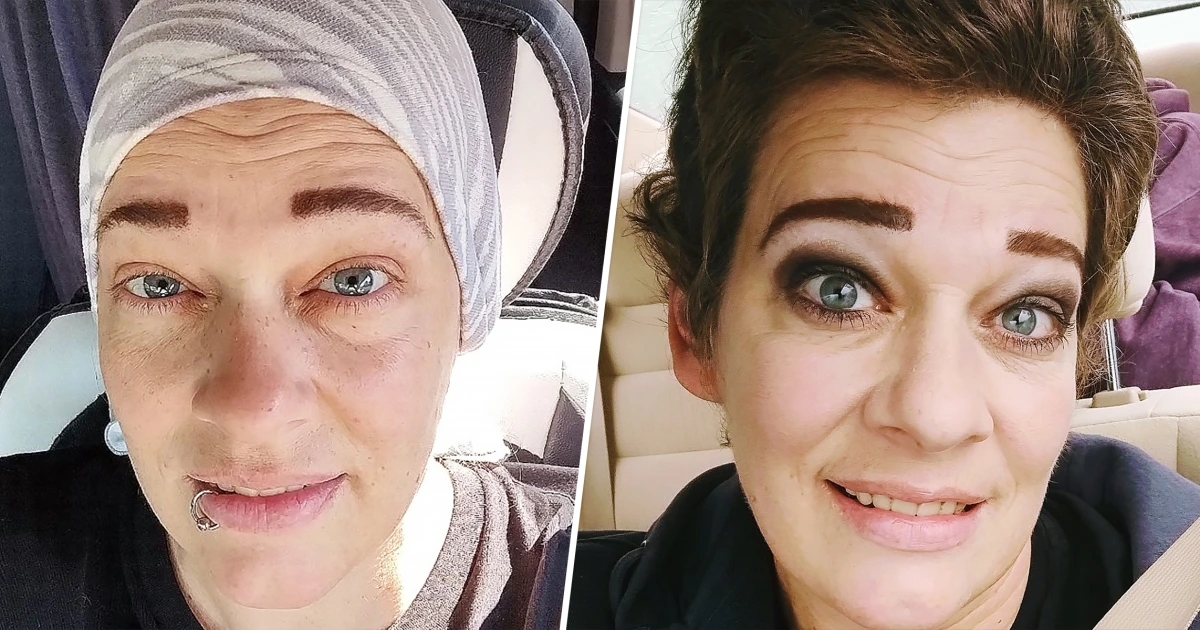
Mom's Cervical Cancer Warning Sign Ignored at 44

Melissa Sanders, a 44-year-old woman from Ohio, initially dismissed her heavy bleeding as perimenopause but was later diagnosed with Stage 3 cervical cancer after experiencing severe symptoms and undergoing screening. Her story highlights the importance of regular Pap smears and HPV vaccination in early detection and prevention of cervical cancer, emphasizing that women should prioritize their health and not neglect routine screenings.

health1 year ago

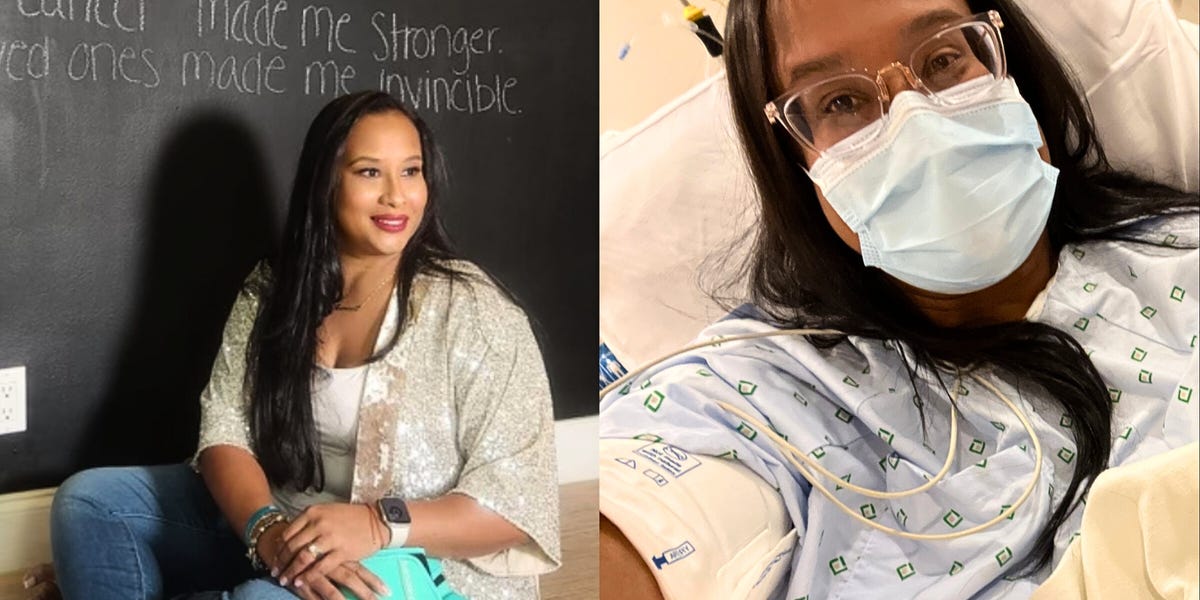
"Negative Pap Smears Fail to Detect Cervical Cancer in Woman"

Avi Grant-Noonan, a woman with negative pap smears, was diagnosed with stage three cervical cancer after years of abnormal bleeding and irregular periods. Despite two pap smears failing to identify her yearslong HPV infection, she was eventually diagnosed in 2021 at the age of 34. Grant-Noonan advocates for HPV vaccination, raising awareness of cervical cancer, and encourages people to advocate for themselves at the doctor’s office. She underwent extensive treatment and is now in remission, using her experience to educate others about the importance of regular screenings and prioritizing health.

health1 year ago

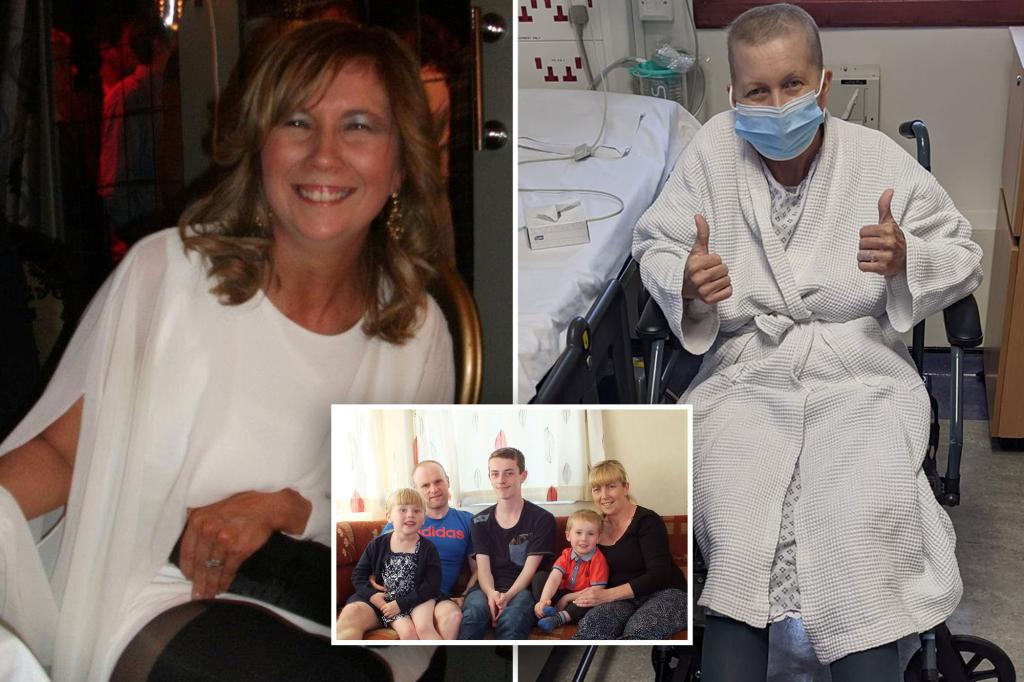
Misdiagnosed: Tragic Death of UK Mom from Cervical Cancer After Clear Screening Results

A British mother, Kerry Pugh, died from Stage IV cervical cancer after doctors wrongly marked an abnormal pap smear and biopsy as clear, despite her experiencing bleeding. She had a decade-long history of abnormal cells on her cervix and was told her 2018 pap smear came back normal, but an audit after her death revealed severe cell change. Her husband is considering legal action and urges women to be aware of cervical cancer signs, as the disease is often diagnosed at late stages. Kerry Pugh leaves behind three children, and the hospital and NHS Trust offered condolences to the family.

health2 years ago

The One Thing Gynecologists Avoid Before a Pap Smear

Gynecologists recommend avoiding the use of intravaginal products, such as creams for yeast infections or vaginal estrogen products, before a pap smear as they can interfere with the test results. Douching is also discouraged. The rules regarding intercourse before a pap smear vary, but it's generally advised to avoid it for 24 hours before the appointment. Grooming is not necessary. Consider rescheduling if your period is heavy on the day of the test. It's important to stay relaxed during the appointment and come prepared with relevant medical and sexual history. Pap smears are a crucial screening tool for cervical cancer and can help decrease the risk of the disease.

health2 years ago

The Essential Precaution Gynecologists Always Take Before a Pap Smear

Gynecologists advise against using intravaginal products, such as creams for yeast infections or vaginal estrogen products, before a pap smear as they can interfere with the test. Douching is also discouraged. The rules regarding intercourse before a pap smear vary, but it's generally recommended to avoid it for 24 hours before the appointment. Grooming is not necessary, and there's no problem with having a pap smear during menstruation, although heavy flow days may affect the sample. It's important to stay relaxed during the appointment and come prepared with past medical and sexual history. Pap smears are a crucial screening tool for cervical cancer and can help decrease the risk of the disease.

health2 years ago

The Essential Precaution Gynecologists Always Take Before a Pap Smear

Gynecologists advise against using intravaginal products, such as creams for yeast infections or vaginal estrogen products, before a pap smear as they can interfere with the test results. Douching is also discouraged. The rules regarding intercourse before a pap smear vary, but it's generally recommended to avoid it for 24 hours before the appointment. Grooming is not necessary, and there's no problem with having a pap smear during menstruation, although heavy flow days may affect the sample. It's important to stay relaxed during the appointment and come prepared with relevant medical and sexual history. Pap smears are a crucial screening tool for cervical cancer, and encouraging others to get screened can help decrease their risk as well.

health2 years ago

"Embarrassing Gynecologist Questions Answered"

In this episode of ITK: Hack the Cycle, host Nadya Okamoto asks board-certified OB-GYN Dr. Nicole Sparks questions about gynecologists that people are too shy to ask. Dr. Sparks answers questions about pap smears, vaginal hygiene, UTIs, and the morning after pill. She recommends getting a pap smear every three years starting at the age of 21, washing the vagina with just water, and wiping front-to-back to prevent UTIs. There isn't a weight limit for the morning after pill, but it may be less effective for people over a certain weight.

health2 years ago

"Embarrassing Gynecologist Questions Answered"

In this episode of ITK: Hack the Cycle, host Nadya Okamoto asks board-certified OB-GYN Dr. Nicole Sparks questions about gynecologists that many people are too shy to ask. Dr. Sparks answers questions about pap smears, vaginal hygiene, UTIs, and more. She recommends getting a pap smear every three years starting at age 21, washing the vagina with just water, and wiping front-to-back to prevent UTIs.

health2 years ago

"Embarrassing Gynecologist Questions Answered"

In this episode of ITK: Hack the Cycle, host Nadya Okamoto asks board-certified OB-GYN Dr. Nicole Sparks questions about gynecologists that many people are too shy to ask. Dr. Sparks answers questions about pap smears, vaginal hygiene, UTIs, and more. She recommends getting a pap smear every three years starting at age 21, washing the vagina with just water, and wiping front-to-back to prevent UTIs.

health2 years ago

"Embarrassing Gynecologist Questions Answered"

In this episode of ITK: Hack the Cycle, OB-GYN Dr. Nicole Sparks answers questions about gynecologists that many people are too shy to ask. She explains that OB-GYNs deal with everything related to the reproductive system, including delivering babies and dealing with the vulva, vagina, ovaries, and uterus. Dr. Sparks also dispels myths about pap smears, recommends a pap smear every three years starting at age 21, and explains that the vagina is a "self-cleaning oven" that only needs water to clean. She also provides tips for preventing UTIs.