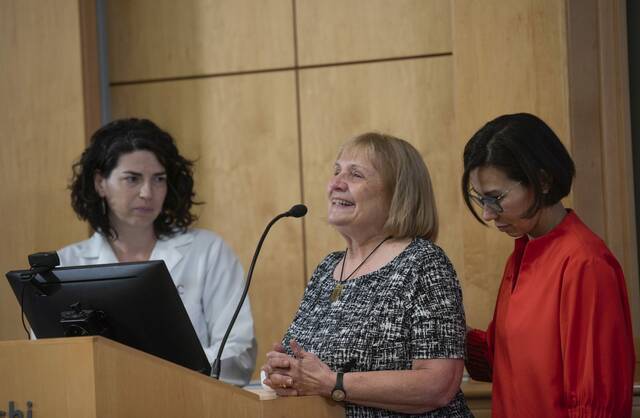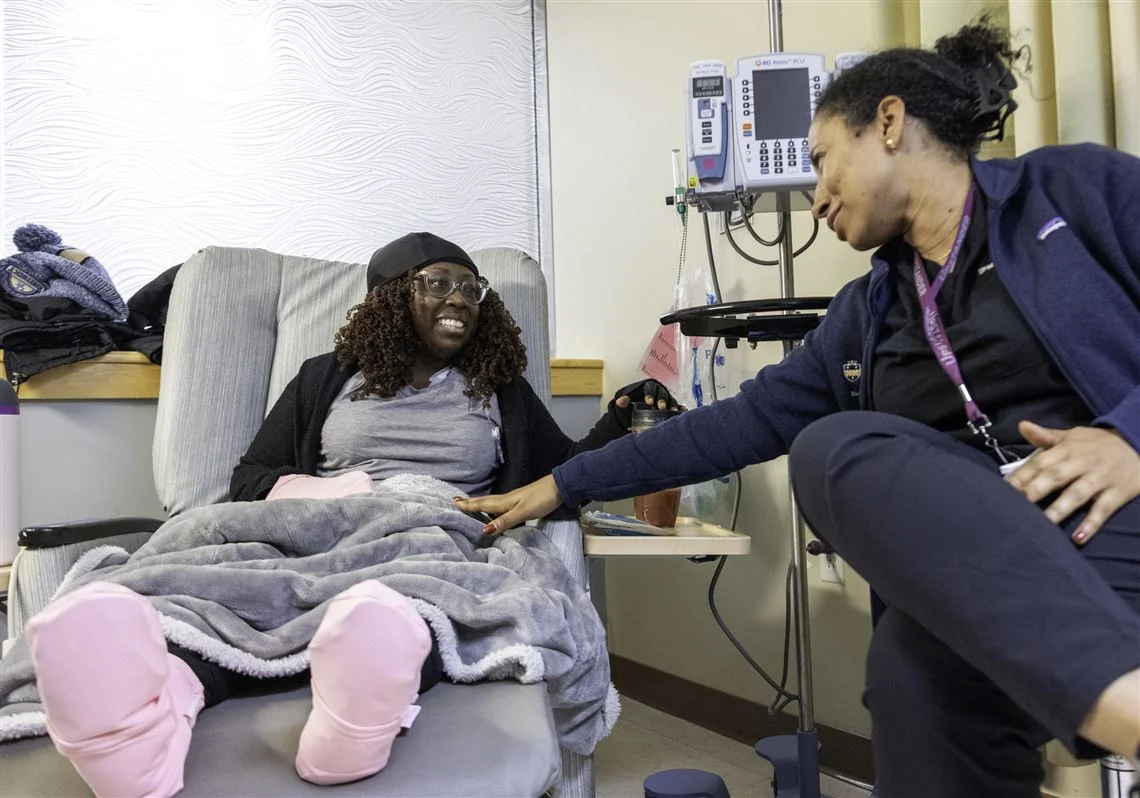
Sylvia Owusu-Ansah, a pediatrician and emergency medicine head at UPMC, shares her breast cancer journey through social media to raise awareness, support others, and document her treatment, highlighting the importance of knowledge, community, and resilience in facing cancer.

UPMC has announced it will phase out its Internal Medicine Residency Program at McKeesport Hospital due to a declining local population, resulting in fewer patients for residents. The program will stop recruiting new residents and is expected to be discontinued by July 2027, once current residents complete their training. This decision does not affect other programs like the Family Medicine residency or local health clinics.
Maria Kitay, inspired by her late cousin's battle with breast cancer, has become the first recipient of an experimental breast cancer vaccine developed by UPMC and the University of Pittsburgh. The vaccine targets ductal carcinoma in situ (DCIS), an early stage of breast cancer, aiming to prevent its progression. The clinical trial will involve about 50 women, with the goal of proving the vaccine's safety and efficacy. Researchers hope this innovative approach will eventually reduce the need for long-term, side-effect-heavy treatments and improve patients' quality of life.
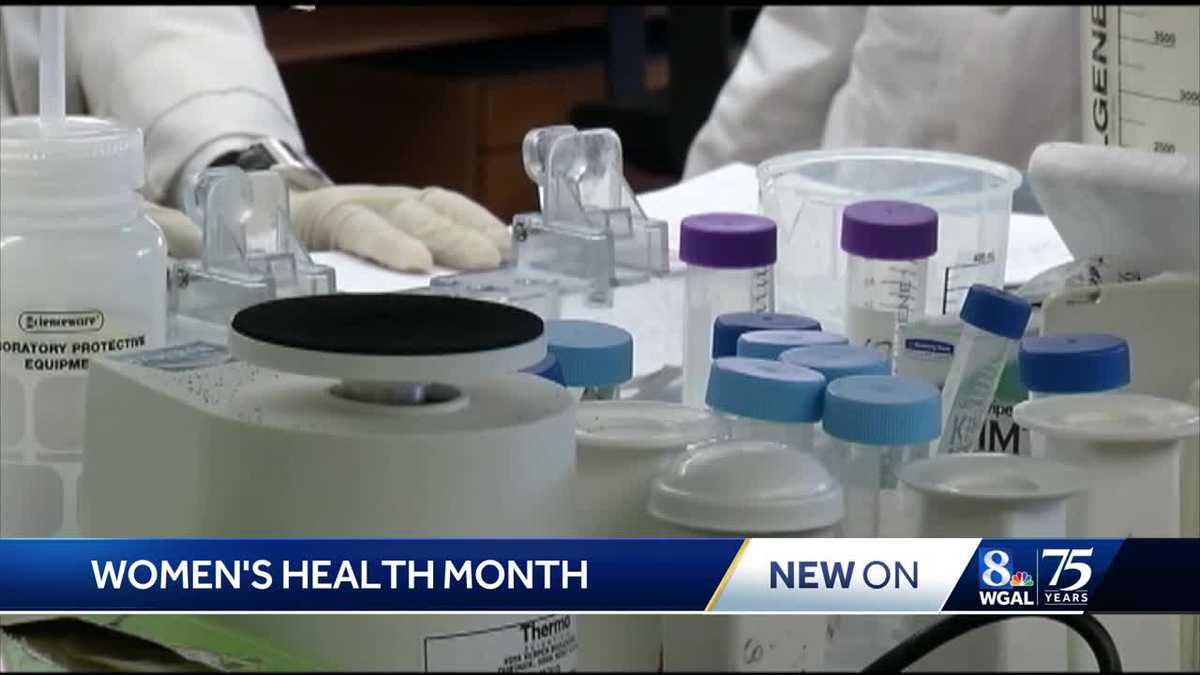
UPMC is promoting early detection during Women's Health Month, emphasizing the importance of regular screening tests like Pap smears, mammograms, and colonoscopies to catch diseases such as cervical and breast cancer early. Health experts note that the pandemic caused many women to delay these crucial health appointments, leading to a lapse in care.
UPMC is raising awareness about maternal mental health, which is often overlooked and affects women facing conditions like infertility, postpartum pregnancy, and menopause. Dr. David Silver emphasizes the need for more resources to support women, including psychiatrists, nurse practitioners, and therapists. The CDC reports that one in eight women experience postpartum depression, with 50% going untreated, and mortality rates are significantly high in minority women. UPMC is working to increase accessibility to resources, and the National Maternal Mental Health Hotline is available for support.
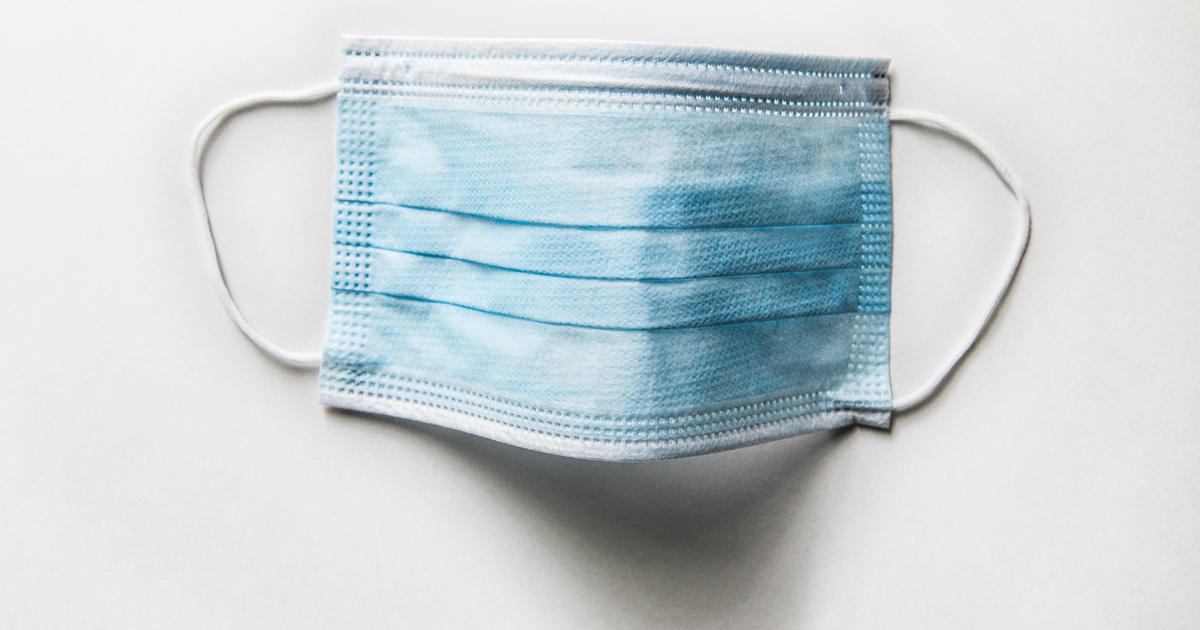
UPMC is lifting its mask requirement in its facilities due to a sustained decrease in COVID-19, influenza, and RSV transmission and hospitalizations, effective Thursday. While masks are no longer mandatory, staff, patients, support persons, and visitors are still encouraged to wear them, and specific locations may still require masking.
UPMC will no longer require masks inside its facilities, making them optional in patient-accessible areas due to decreased risk of COVID-19, flu, and RSV transmission, but still encouraged. The organization will reinstate requirements if virus transmission increases, and unvaccinated staff will be required to wear masks through the flu season.
A portion of a retaining wall near a UPMC garage in Pittsburgh's Bloomfield neighborhood collapsed, causing disruptions for drivers. No injuries or property damage were reported, and the parking garage remains open while structural engineers assess the wall's integrity. The entrance along Baum Boulevard is closed, and city officials briefly closed the Martin Luther King Jr. East Busway below the collapse as a precaution.
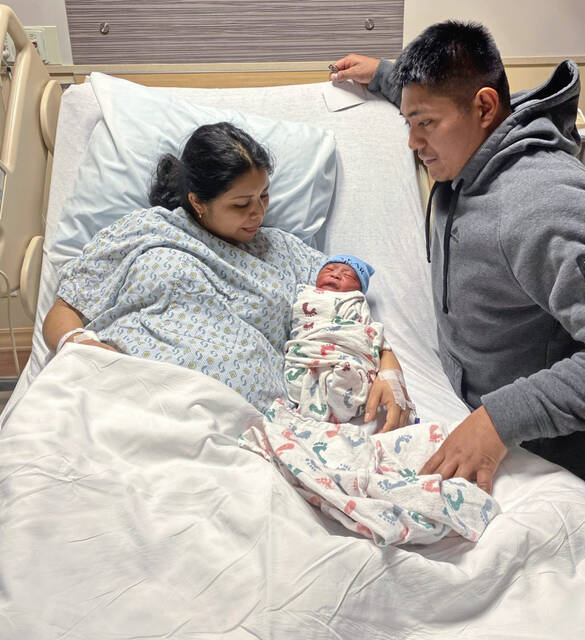
The first babies of 2024 in the Pittsburgh area were born at UPMC Magee-Womens Hospital and Allegheny Health Network's Wexford Hospital just after midnight on New Year's Day. Two babies, Madison Mrockosky and Eduardo Lopez Brito, were born at 12:45 a.m. at UPMC, while Capria Josephine Polizotto was born a minute later at AHN. The families celebrated the new arrivals with various gifts, including a year of free diapers and a birthday gift basket.
UPMC has reinstated its mask mandate in response to a spike in COVID-19, RSV, and flu cases. The health system is urging everyone to wear masks to slow the spread of respiratory illnesses. In Allegheny County, there have been over 2,500 confirmed flu cases, with influenza being the dominant strain. Health care professionals recommend getting vaccinated, wearing masks, staying home if sick, and practicing good hand hygiene to protect oneself.
UPMC medical facilities will require all employees, patients, and visitors to wear masks starting Wednesday due to an increase in RSV cases, as well as influenza A and B. The hospital system will continue to monitor the situation and adjust protocols accordingly.
UPMC, a healthcare provider based in Pittsburgh, will require all patients to wear masks at its facilities starting December 20 due to an increase in respiratory viruses, including COVID-19, flu, and RSV. The decision aims to protect the health and safety of employees, patients, and visitors. UPMC will monitor the number of cases and adjust requirements accordingly. The Allegheny County Health Department has reported over 1,200 flu cases in December, surpassing previous years but lower than last year's numbers.
UPMC, the Pittsburgh health care giant, is reinstating its mask policy at its facilities due to an increase in cases of respiratory viruses, including COVID-19, influenza, and RSV. The mask requirement will take effect on December 20, and its duration is unclear. UPMC Children's Hospital has experienced a surge in cases of RSV, COVID-19, and flu, leading to concerns of a "tripledemic." Meanwhile, Allegheny Health Network has not changed its masking policy, citing low numbers of COVID-19 and flu-related hospitalizations.
UPMC is implementing a mask policy starting on December 20 due to an increase in respiratory viruses, including COVID-19, influenza, and RSV. The policy requires UPMC staff members to wear masks in healthcare facilities, while masking is optional in areas without patients. Patients, support persons, visitors, and the public are also required to wear masks in designated areas. The surge in viruses has also led to a school district in Charleroi moving to remote learning to prioritize the health and safety of students and staff.