Tag

Scientific Data

All articles tagged with #scientific data

Microsoft Excel's Data Conversion Issues Resolved with Latest Updates

Originally Published 2 years ago — by The Verge

Featured image for Microsoft Excel's Data Conversion Issues Resolved with Latest Updates
Source: The Verge

Microsoft has released an update for Excel on Windows and macOS to fix a feature that was causing scientific data to be incorrectly reformatted. The feature, which automatically converted alphanumeric symbols into dates, had been causing problems for scientists trying to input gene names. The update includes a checkbox that allows users to toggle the conversion, building on previous settings that warned users before making automatic conversions. However, there are some caveats, such as the data being saved as text and potential issues with disabling conversions when running macros.

Maximizing the Impact of Your Scientific Data.

Originally Published 2 years ago — by Nature.com

Featured image for Maximizing the Impact of Your Scientific Data.
Source: Nature.com

Scientists are increasingly depositing data alongside their publications, but not every journal requires that authors make their data sets available. To make data FAIR (findable, accessible, interoperable and reusable), metadata is key. Scientists should also consider over-sharing, embracing standards, using open, non-proprietary file formats, including code, and thinking about accessibility. Open science is not an all-or-nothing game, and anything scientists can do adds value.

Saving Voyager: NASA's Race Against Time in Interstellar Space.

Originally Published 2 years ago — by Yahoo Entertainment

Featured image for Saving Voyager: NASA's Race Against Time in Interstellar Space.
Source: Yahoo Entertainment

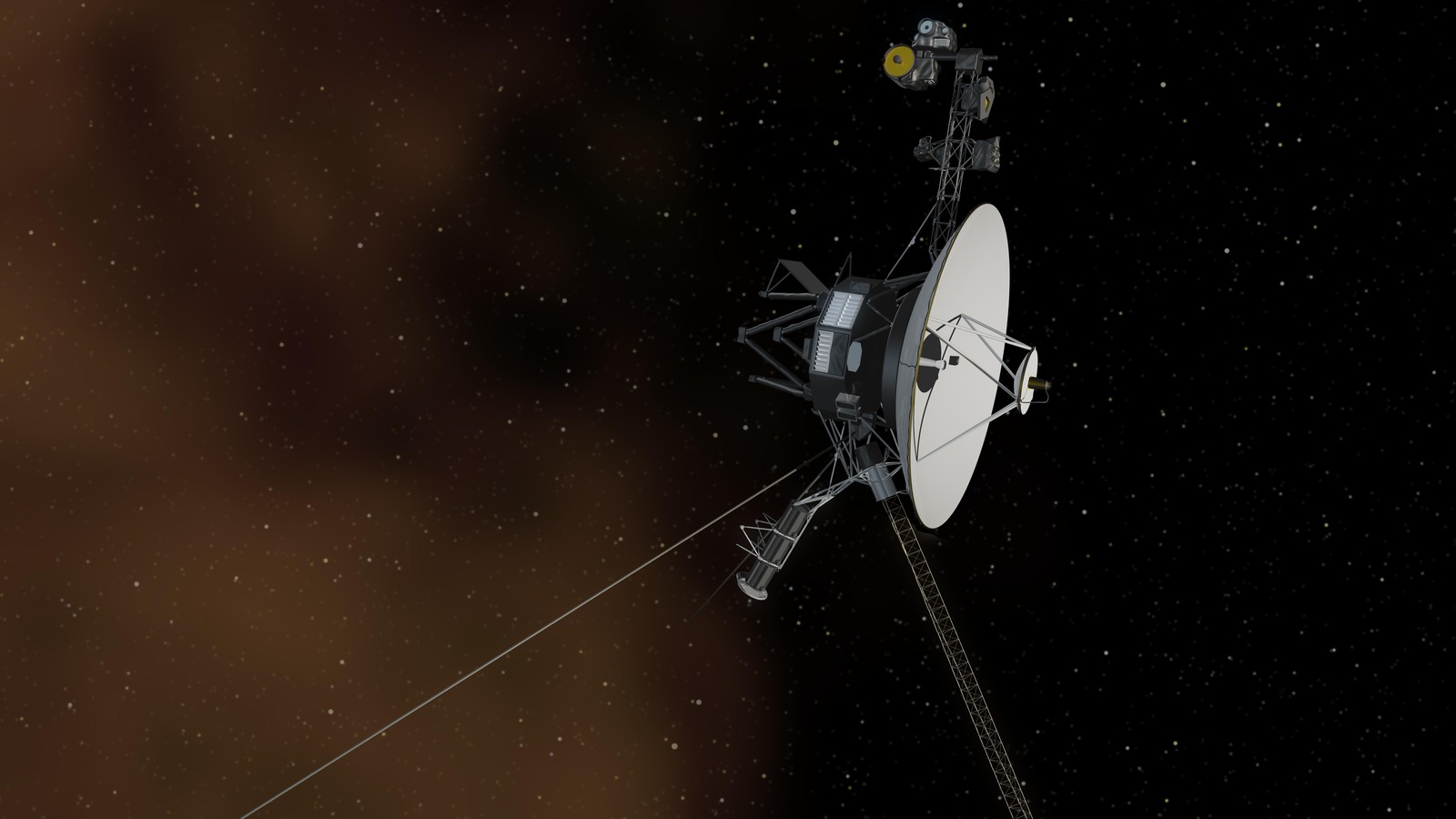
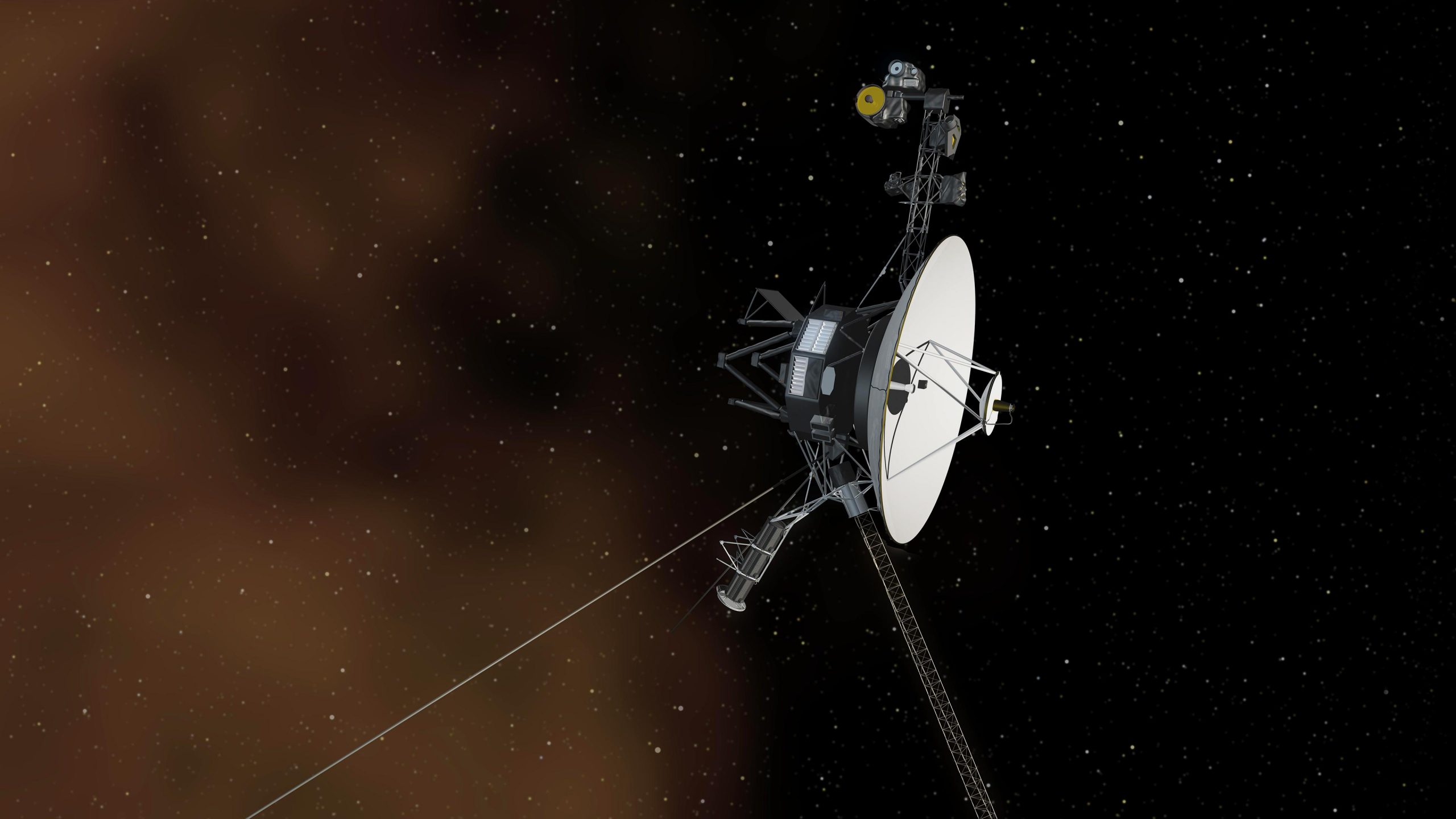
NASA's Voyager spacecraft, which are the oldest running and farthest flung machines of humanity, are still going strong in interstellar space thanks to the ingenuity of scientists operating them from the ground. The spacecraft are equipped with Radioisotope Thermoelectric Generators (RTGs) that generate electrical power from the decay of Plutonium-238. As the available power declines, NASA scientists have had to come up with creative solutions to keep Voyager 1 and 2 in action, including cutting power to heating systems and allowing the craft to dip into reserve power meant to protect it from voltage spikes. Scientists are hopeful that Voyager 1 and 2 will keep sending back valuable scientific data well beyond their 50th birthdays.

NASA's Voyager 2 Probe Receives Life-Extending Power Boost in Deep Space.

Originally Published 2 years ago — by WIRED

Featured image for NASA's Voyager 2 Probe Receives Life-Extending Power Boost in Deep Space.
Source: WIRED

NASA engineers have implemented an energy-saving strategy on Voyager 2, the longest-running spacecraft, to extend its life and collect more scientific data in interstellar space. The Voyager probes have been flying since 1977 and their power sources have been gradually fading, putting their instruments at risk. The energy-conserving gambit could buy the probes’ science mission a few extra years, but it will require sacrificing the science instruments one by one. Voyager 2 still has five instruments humming along, and turning each one of them off would buy another year of life.

Voyager spacecraft continue to defy age with NASA hack.

Originally Published 2 years ago — by SlashGear

Featured image for Voyager spacecraft continue to defy age with NASA hack.
Source: SlashGear

NASA's Voyager 1 and Voyager 2 spacecraft, launched in 1977, are still running and exploring interstellar space. The spacecraft have experienced glitches due to their age, but engineers have been able to fix them. The spacecraft have limited power, so the team has to prioritize which instruments and systems stay powered on. By using backup power, the team can keep a science instrument on Voyager 2 running until 2026. The mission could continue running for years ahead, exploring the farthest reaches of the solar system.