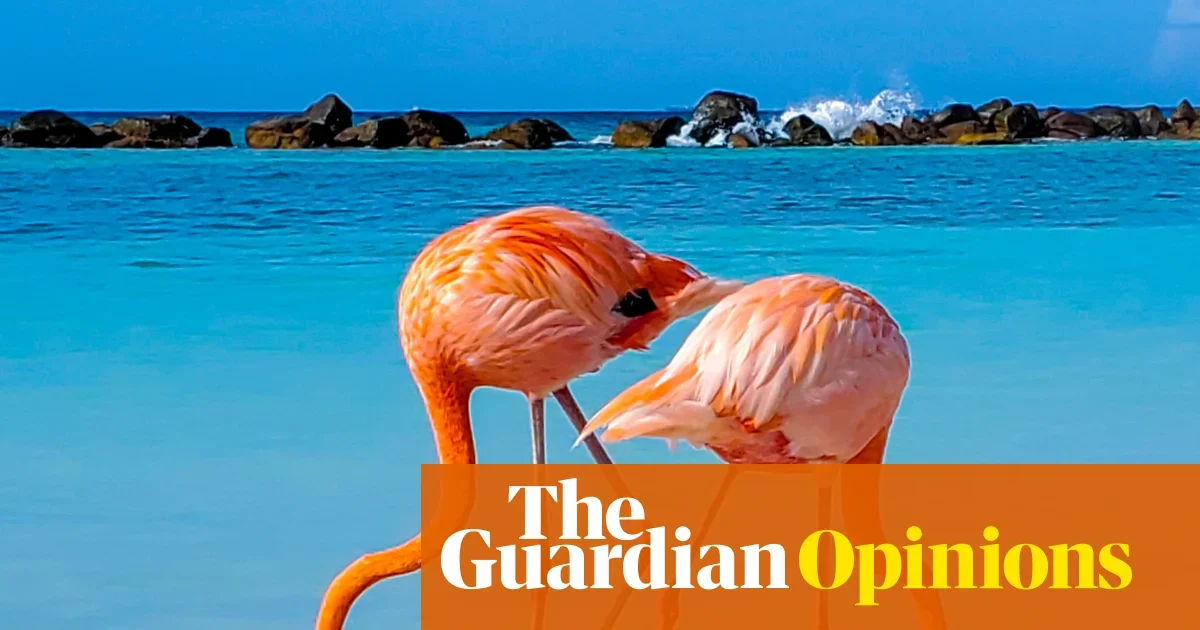
The article humorously outlines nine scientific breakthroughs hoped for in 2026, including new animal discoveries, advancements in translation software, innovative energy sources like finger scrolling, and solutions for human habits like bedtime procrastination, all amid a backdrop of global concerns and scientific marvels from 2025.
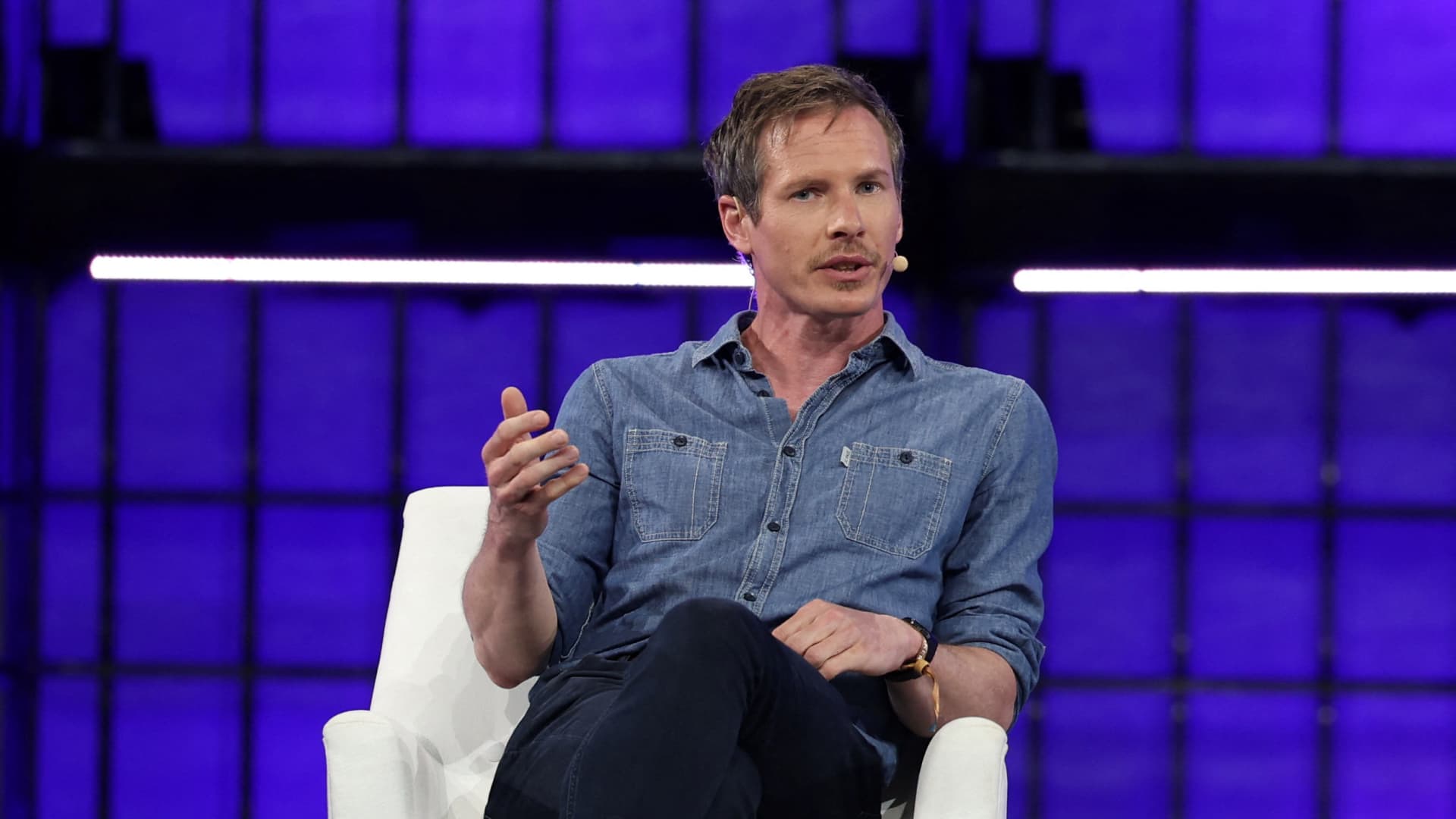
Thomas Wolf, co-founder of Hugging Face, argues that current AI models like ChatGPT are unlikely to produce major scientific breakthroughs, as they tend to predict the most likely next word rather than generate novel ideas, contrasting with the contrarian thinking often required for groundbreaking science. He envisions AI as a tool to assist scientists rather than replace the need for true innovation, highlighting existing applications like DeepMind's AlphaFold and startups aiming to push AI further into scientific discovery.
UCLA faces significant challenges as the federal government suspends research funding, impacting groundbreaking projects that benefit public health and safety. Chancellor Frenk emphasizes UCLA's commitment to impactful research, the importance of federal support, and the university's efforts to combat antisemitism and uphold its values amid these setbacks.
Astronomers are hopeful that the upcoming total solar eclipse will lead to significant scientific breakthroughs, as such events have historically provided opportunities for major discoveries. The eclipse will move along a narrow path from Mexico through the Midwestern U.S. and end up in Canada, and scientists are preparing various experiments to study the sun's surface, particularly its corona. The last North American total solar eclipse occurred in 2017, and the next one is not expected until 2044.
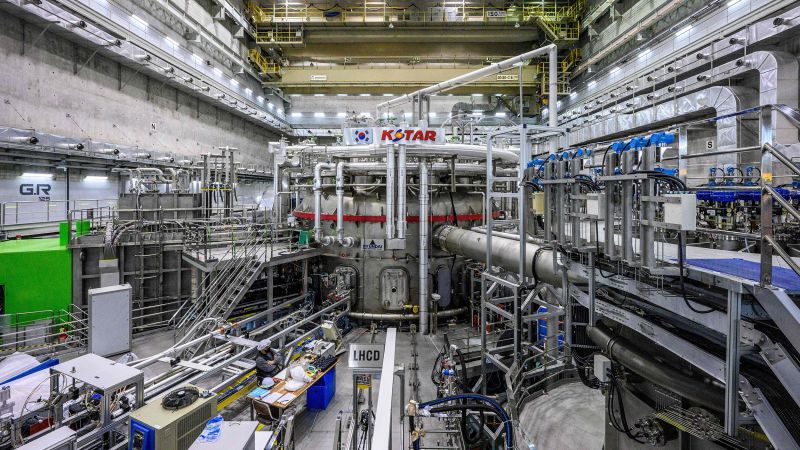
Scientists in South Korea have achieved a new world record by sustaining temperatures of 100 million degrees Celsius for 48 seconds in a nuclear fusion experiment using the KSTAR "artificial sun" device, marking a significant step forward for fusion energy technology. The goal is to sustain these temperatures for 300 seconds by 2026, which could pave the way for scaling up fusion operations. This achievement, along with other recent breakthroughs in nuclear fusion, brings hope for the potential commercialization of fusion energy as a clean and limitless energy source in the latter half of the century.
Chicago-based asset manager Gary Brinson donates $100 million to Caltech to establish the Brinson Exploration Hub, aiming to accelerate scientific breakthroughs and new technologies in collaboration with the Jet Propulsion Laboratory. The Hub will prioritize risk-taking and agility, inspired by SpaceX's approach, and fund projects such as studying Venus's seismology and deploying small drones to study Antarctic ice shelves. The gift is expected to generate income for the Hub and foster industry partnerships to drive scientific and societal benefit.
A recent study suggests a decline in disruptive scientific discoveries since 1945 based on changing citation patterns, but some scientists argue that this may not necessarily reflect a decrease in real breakthroughs. The decline in disruptiveness could be attributed to various factors such as changes in funding, shifts in citation practices, and the nature of scientific research. While the study's findings raise concerns about the lack of shake-ups in science, it also highlights the complexity of measuring disruption and the importance of not conflating disruptiveness with importance in scientific advancements.
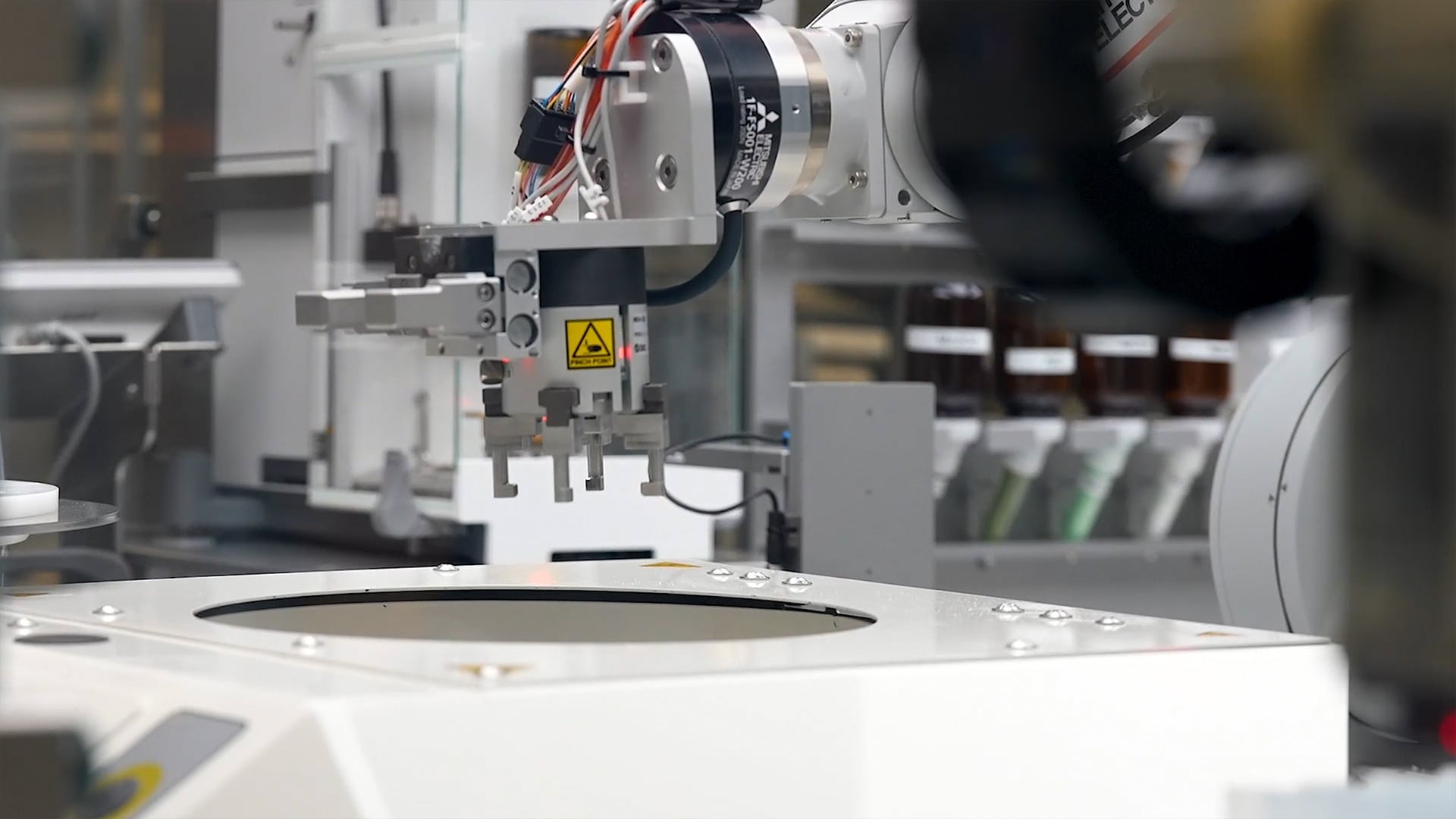
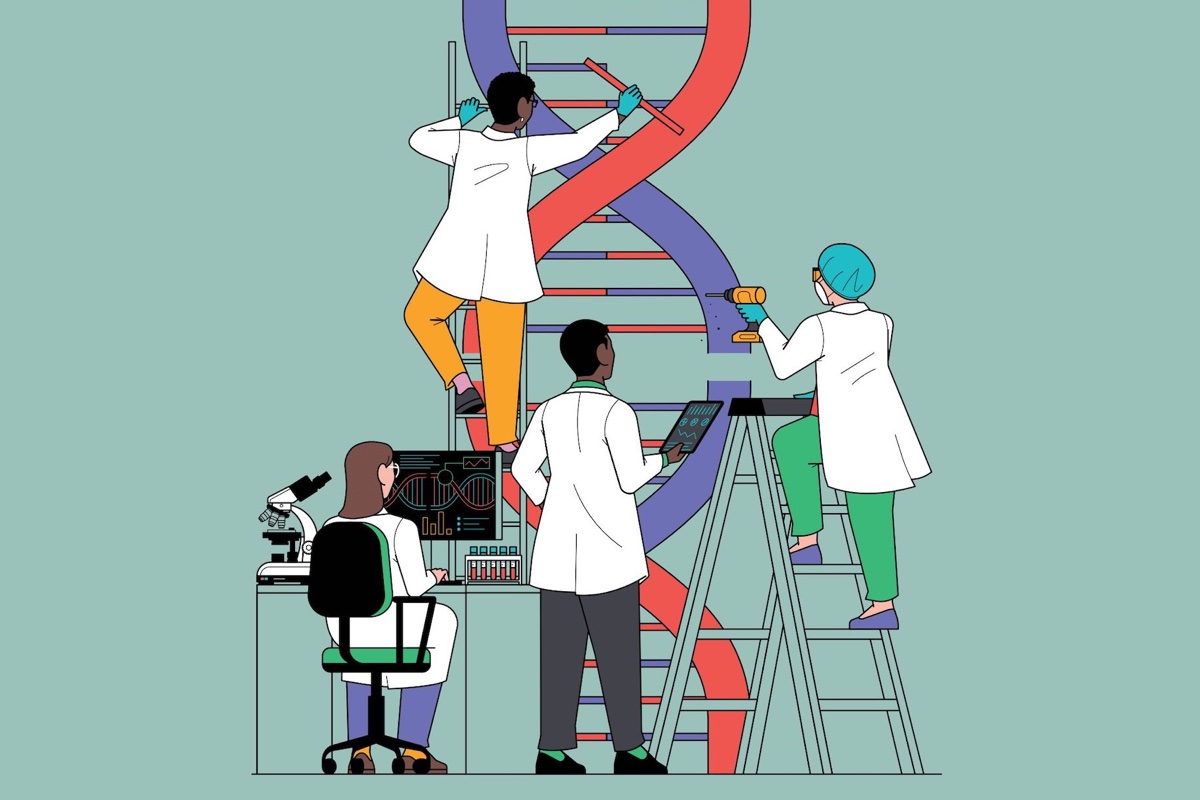
Researchers from the University of California (UC) have made significant breakthroughs in various fields of study. UC San Diego oceanographers conducted an experiment to understand how pollution spreads in coastal environments by turning the ocean pink. UC Davis anthropologists discovered that modern humans evolved from at least two populations, challenging the prevailing theory of a single population in northeast Africa. UC Irvine neurobiologists found a cellular link between childhood stress and mental illness, while UCLA botanists developed a method to predict a plant's ideal environmental conditions. UC Riverside and UC ANR horticulturists released a new avocado variety that is more efficient for growers and diversifies the global avocado crop. Other breakthroughs include UC Santa Cruz's creation of a more inclusive human genome reference, Berkeley Lab's use of robots and AI to accelerate clean energy technology development, Livermore Lab's roadmap for removing gigatons of carbon from the atmosphere, UC Merced's study on moral emotion and conflict, and UC San Francisco's discovery of a gene variation that helps some people resist COVID-19. UC Berkeley neuroscientists also reconstructed a song from brain recordings, showcasing the potential for capturing the musical elements of speech. UC Santa Barbara biologists uncovered a cellular mechanism that regulates age-related disease, offering insights into potential treatments for aging-related conditions.
Napoleon's invasion of Egypt in 1798 brought along a group of scientists known as savants, who made several scientific breakthroughs during their three-year study of the country. These breakthroughs included the discovery of reversible chemical reactions, the formalization of archaeology as a science, the development of a new classification system for insects, the identification of a new species of crocodile, and advancements in ophthalmology. Despite the failure of the invasion, the scientific work conducted by the savants had a lasting impact on various fields of study.
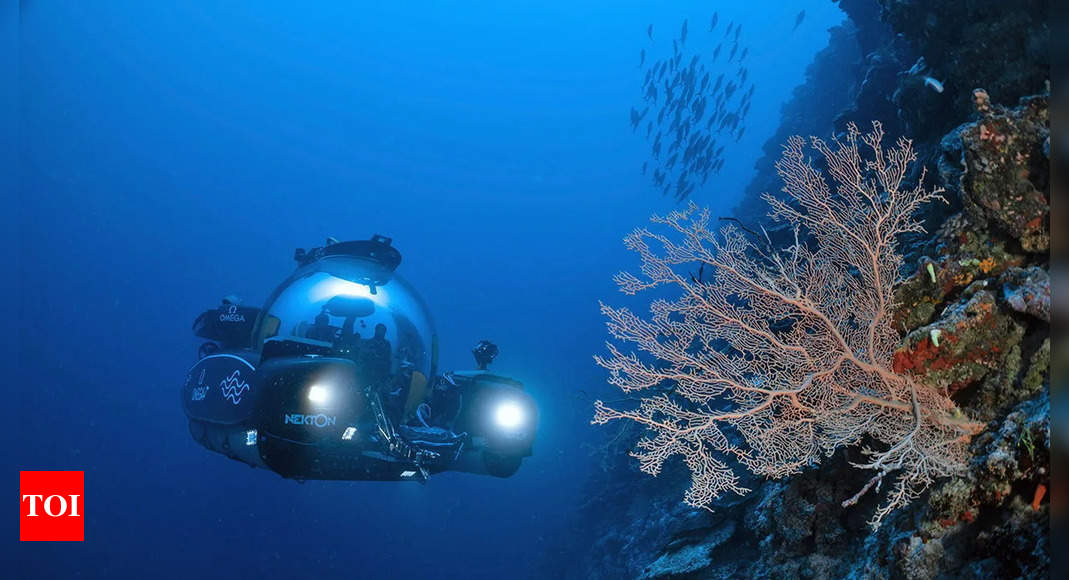
Scientists have made a groundbreaking discovery of a massive hidden ocean located approximately 400 miles below the Earth's surface. The ocean is contained within a type of rock called ringwoodite, which has the unique ability to trap water. This finding suggests the existence of a "whole-Earth water cycle" and implies that there may be three times more water beneath the Earth's surface than in its surface oceans. This revelation is part of a series of recent scientific breakthroughs that continue to push the boundaries of our understanding of the universe.
The field of medicine is experiencing a new "golden age" with numerous scientific breakthroughs on the horizon. Advances in mRNA technology, AI, 3D printing, and genomics are revolutionizing medicine and leading to more targeted treatments for diseases such as cancer, Alzheimer's, and HIV. The microbiome is also being explored for its potential in treating various conditions. Additionally, advancements in gene-silencing treatments, wearable diagnostics, and stem cell therapies are expected to improve patient outcomes and address the challenges of longer lifespans. Overall, the pace of progress in medicine has not been witnessed in a century.