Robert F. Kennedy Jr. has pledged to remove processed foods from school lunches if he joins a second Trump administration, a stance that surprises nutrition experts given the previous administration's rollback of healthier school meal standards championed by Michelle Obama.
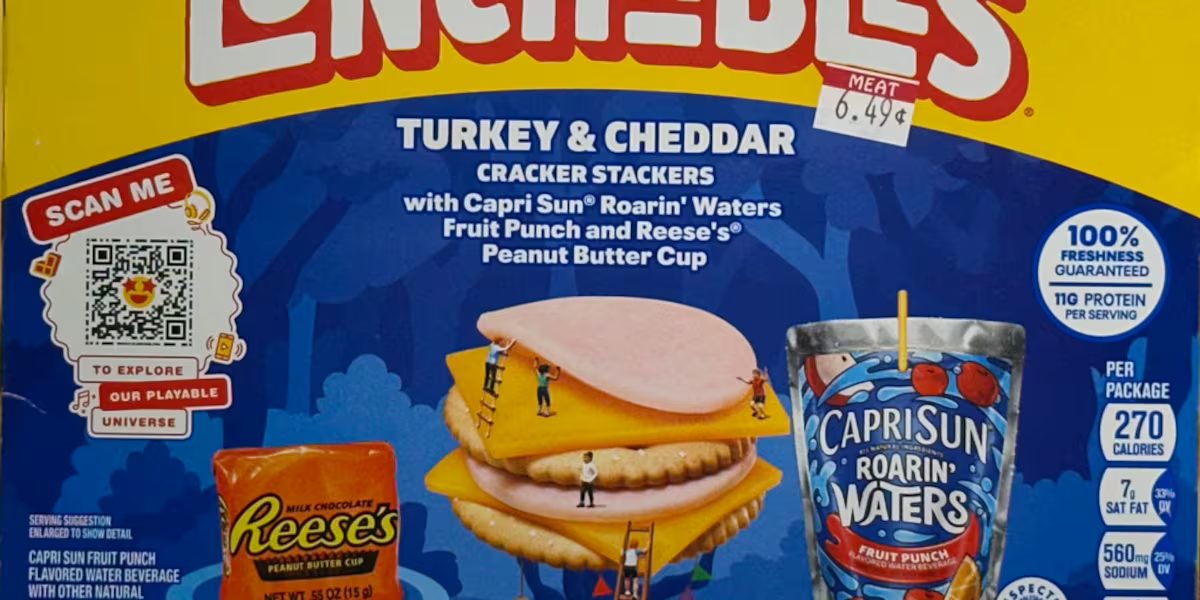
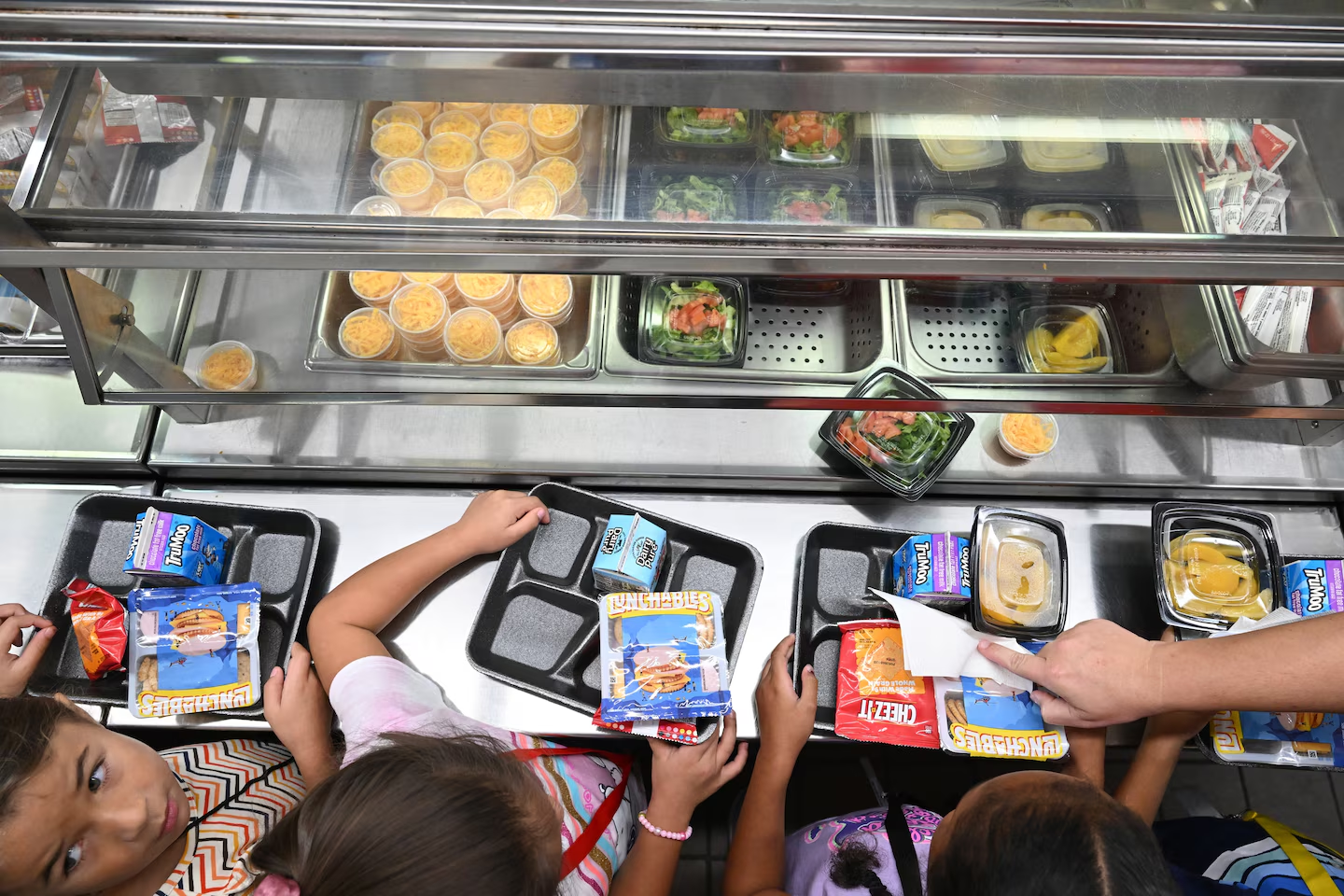
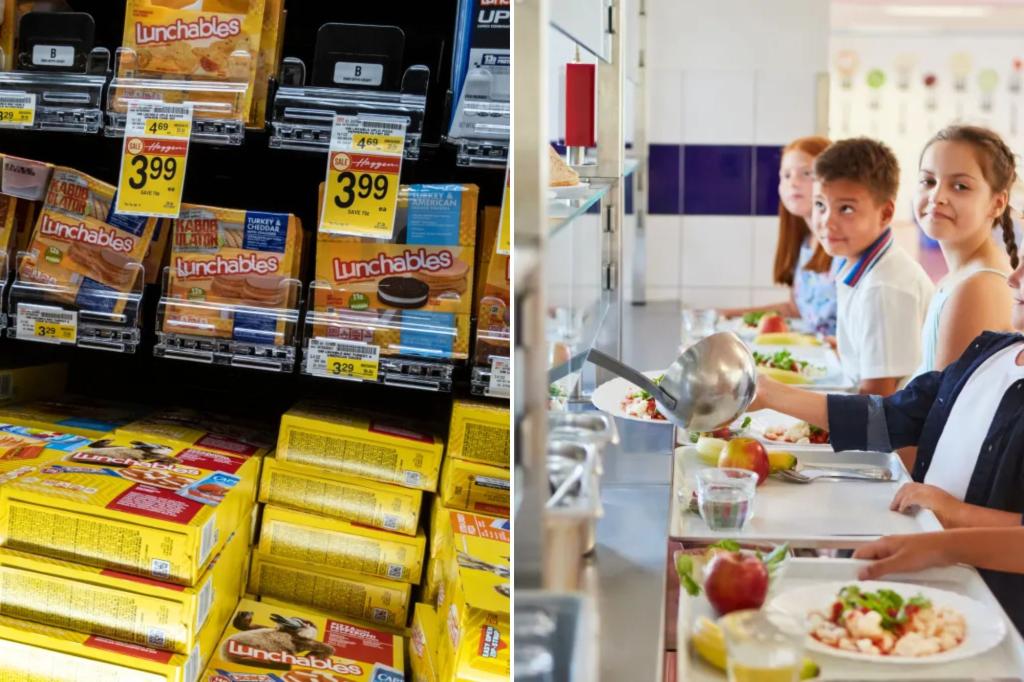
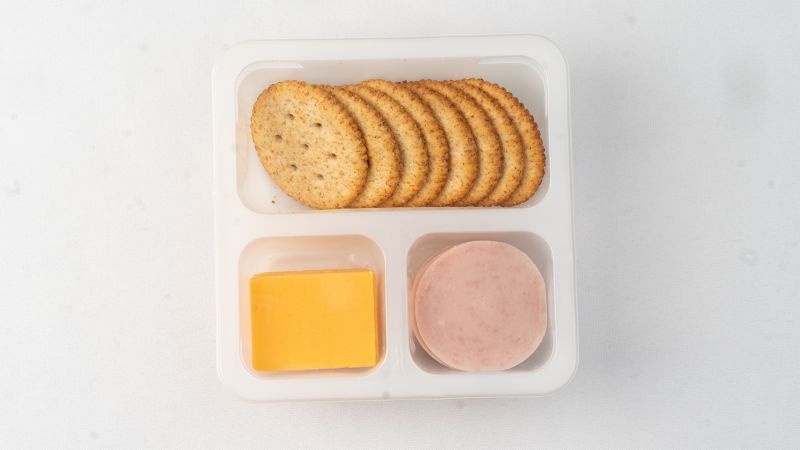
Kraft Heinz has withdrawn its Lunchables meals from U.S. school lunch programs due to low demand, despite initially designing them to meet nutritional standards. The decision follows criticism from nutritionists and advocacy groups, including Consumer Reports, which highlighted concerns over sodium and lead content in the meals. The company stated that the impact on its overall sales was negligible, as the school-targeted Lunchables represented less than 1% of total sales.
Kraft Heinz has stopped selling its reformulated Lunchables to school districts due to low demand, despite the product being adjusted to meet the criteria for free or reduced school lunches.
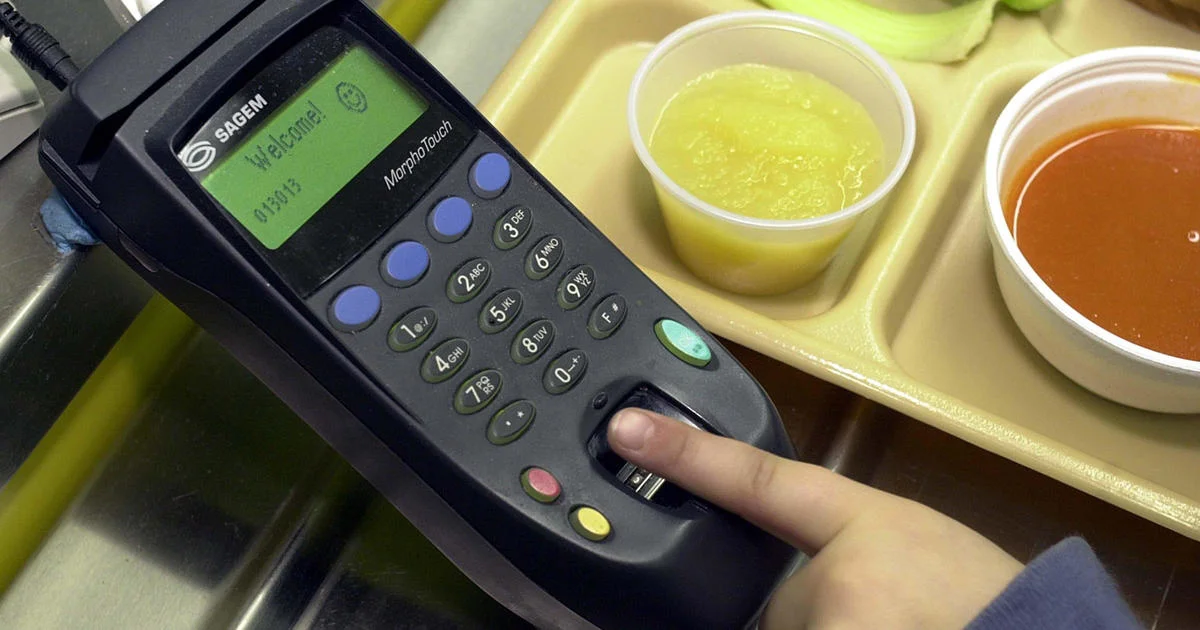
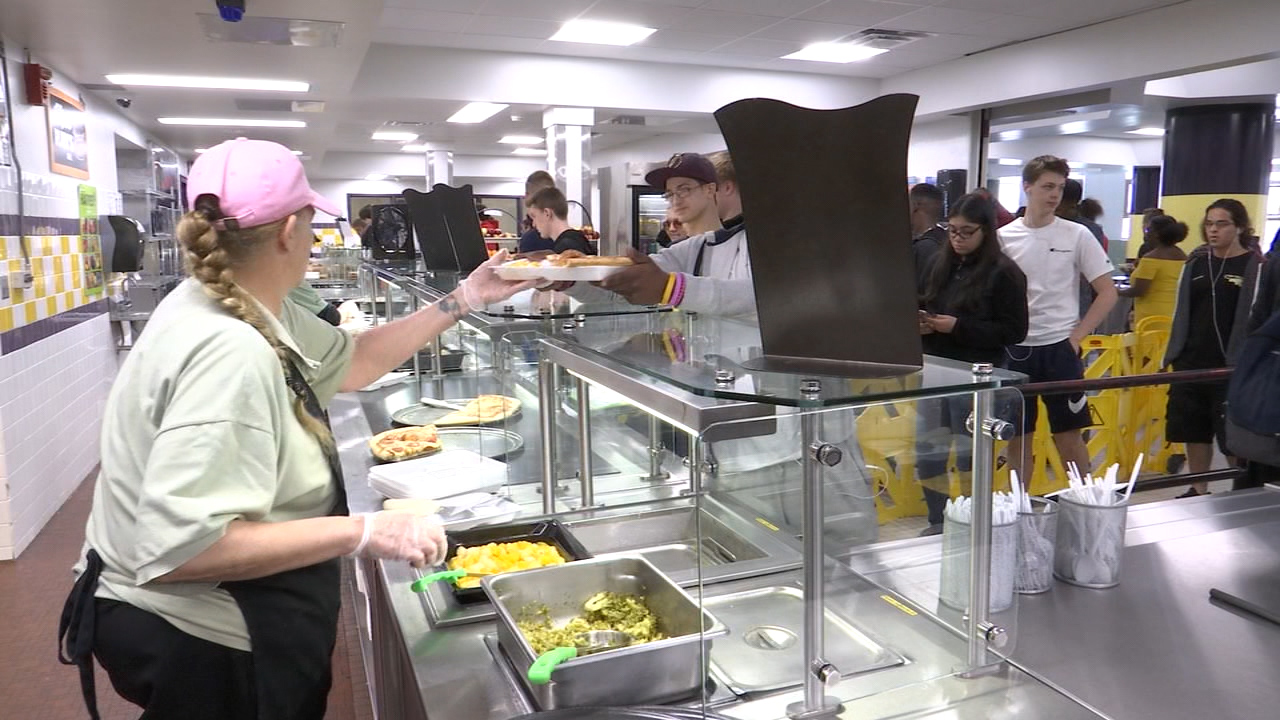
The U.S. Department of Agriculture announced that starting in the 2027-2028 school year, students eligible for free or reduced-price school meals will no longer be charged processing fees, which can significantly increase costs for low-income families. This decision follows a Consumer Financial Protection Bureau report highlighting the financial burden these fees place on families, with some paying up to 60 cents per dollar in fees. The USDA aims to reduce costs for families earning under 185% of federal poverty guidelines and is working towards providing free healthy school meals for all children.
The USDA has announced a new rule prohibiting schools from charging transaction fees on electronic deposits for low-income families' school lunch accounts, effective in the 2027-28 academic year. This policy aims to alleviate financial burdens on families eligible for free and reduced-price meals, whose incomes are 185% or less of the federal poverty level. The move has been praised by anti-hunger advocates and is seen as a step towards ensuring equitable access to school meals, with further efforts to eliminate such fees for all families.
Consumer Reports testing found that Lunchables and other meal kits contain high levels of sodium and harmful chemicals, including lead and phthalates. The advocacy group is urging the Department of Agriculture to remove Lunchables from the school meal program due to concerns about the health risks associated with these ingredients. Kraft Heinz defends the safety of Lunchables, stating that they meet strict standards and have made efforts to improve their nutrition profile. The USDA says it doesn't regulate individual food items but has requirements addressing the overall content of meals served in schools.
Consumer Reports is petitioning the USDA to ban Lunchables from school lunchrooms due to high sodium levels and concerns over harmful chemicals. The specially-formulated versions for the National School Lunch Program were found to contain higher sodium levels and potentially harmful additives. The advocacy organization also expressed concern over the presence of toxic metals and "everyday chemicals" in various ultraprocessed lunch kits, including lead and cadmium, though these levels were below federal limits. The USDA's decision to include Kraft Heinz's Lunchables in the program conflicts with proposed nutrition guidelines for reduced sodium levels in school lunches.
Consumer Reports has petitioned the USDA to remove Lunchables from school cafeterias due to high sodium levels and the presence of harmful chemicals such as lead, cadmium, and phthalates. The watchdog group found that the school versions of Lunchables contain even higher levels of sodium than those sold in stores, and also detected lead, cadmium, or both in all tested ready-to-eat meal kits. Additionally, concerns were raised about the presence of additives and preservatives in Lunchables.
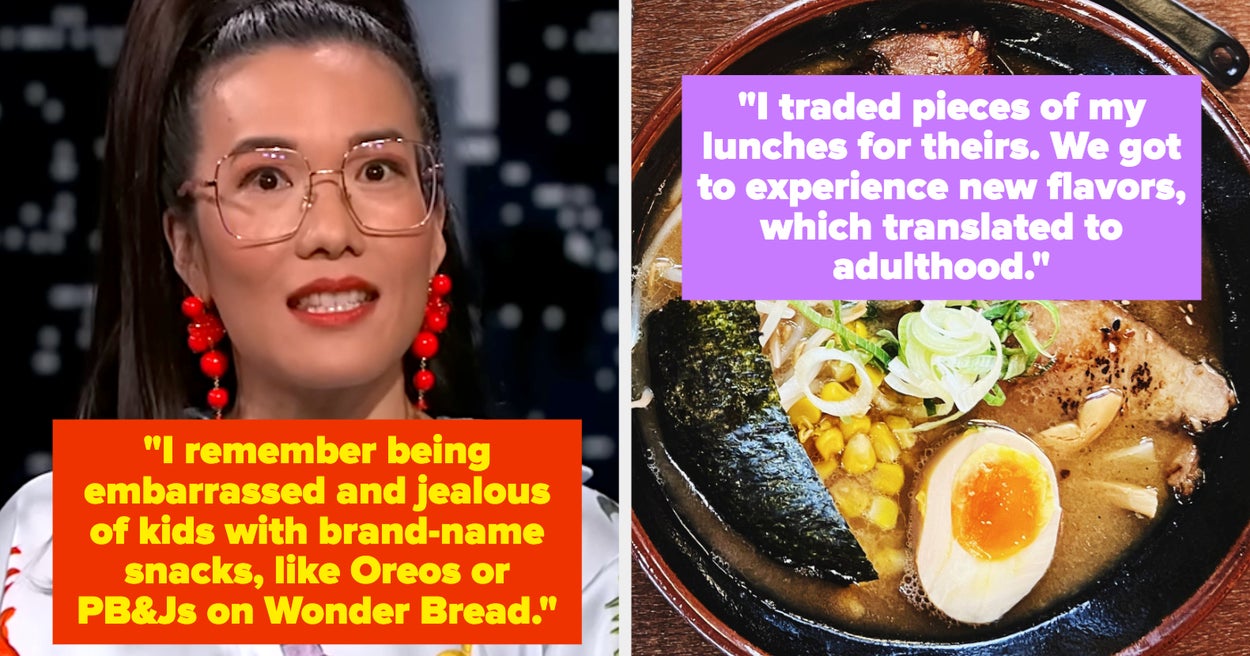
People share their experiences of packing "cultural" school lunches and how their classmates' reactions impacted them, from being embarrassed to embracing their cultural identity. Many faced teasing and bullying for their diverse lunches, but some have seen a shift in acceptance as these foods have become trendy. Despite the negative experiences, many express a desire to continue sharing different foods and promoting food diversity as a way to learn about each other's cultures.
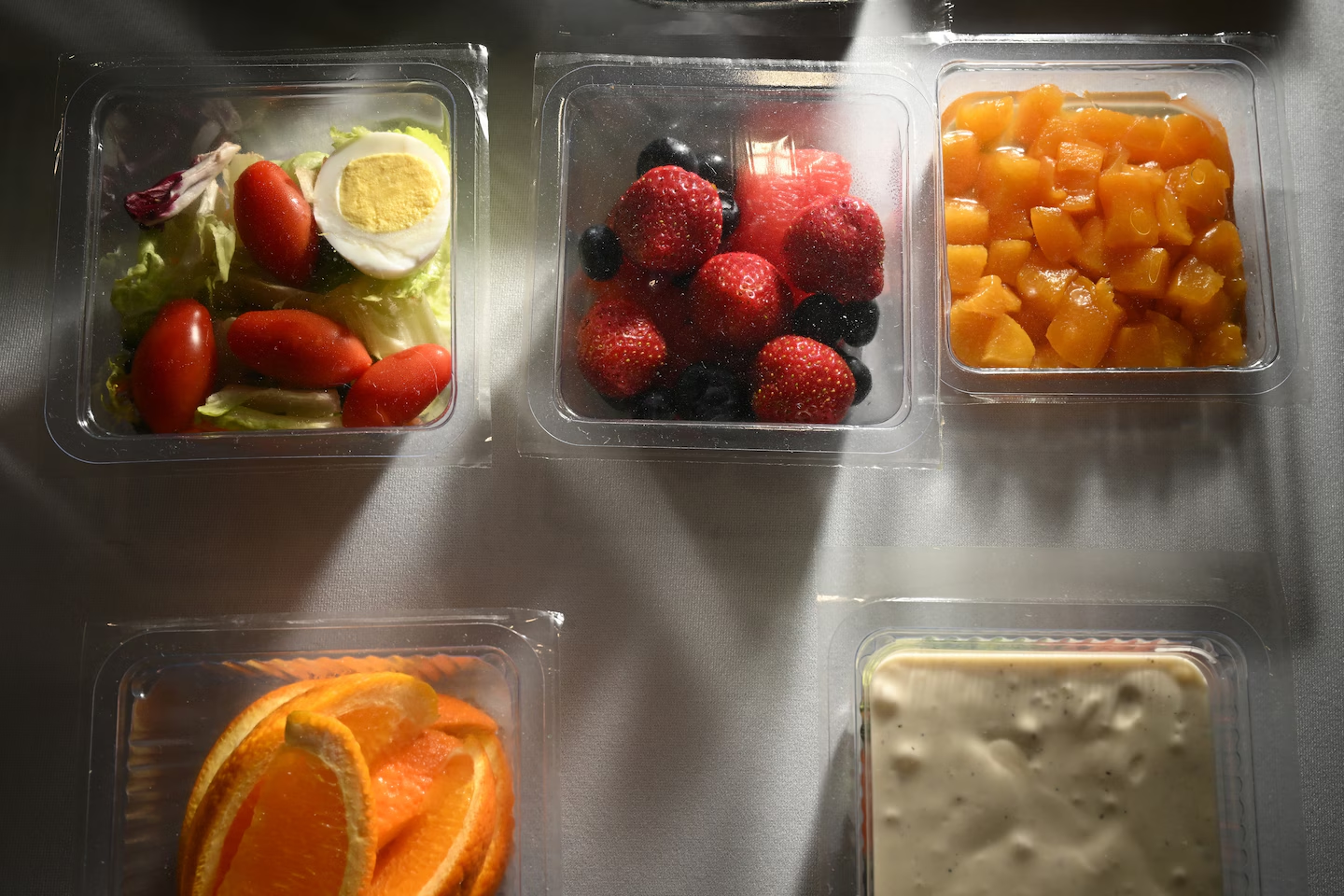
Governor Hochul's conceptual budget includes $134 million towards school lunches, but some groups and legislators are hoping for more aid to increase eligibility for free school meals. During the pandemic, federal waivers funded universal free meals, but schools lost this funding after the pandemic. Hunger Solutions New York hopes to see the state cover the program fully by next year's budget.
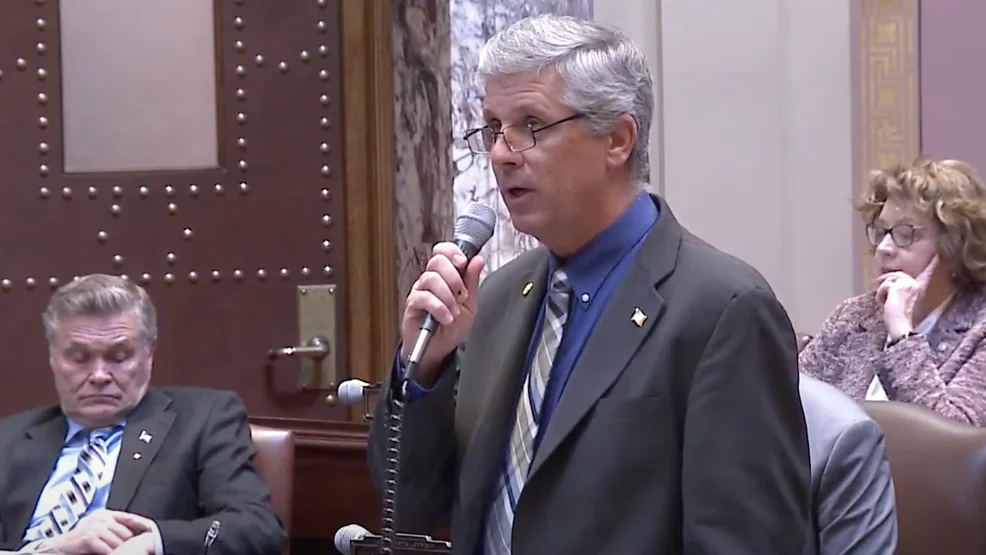
A Republican lawmaker in the US state of Montana voted against a bill that would provide free school lunches to students in need, saying he has "yet to meet a person" who is hungry. The bill passed despite his opposition. Critics have accused the lawmaker of being out of touch with the reality of poverty and hunger in his state.